NEWS
860
of 1225
News
03.06.2016

Canada - Be on your guard for grasshoppers

Grasshoppers were found in higher numbers in 2015 in Alberta. Unfortunately, the same is expected for 2016, says Scott Meers, Alberta Agriculture insect management specialist. The Peace region, the extreme north and northwest areas of Alberta, are expected to have high grasshopper numbers. Farmers west of Edmonton also saw high populations last year and the same is expected this year. Meers says, even areas where the threat isn’t at the highest level could experience hot spot pockets of high populations. Saskatchewan’s grasshopper pop­ulations aren’t expected to be very high this year, except for possibly in the extreme northern part of the province. Environmental conditions do play a role with grasshoppers, so it makes sense to hope for rain in late spring. “If we get some good torrential downpours in May and June when they’re emerging,” says Meers, then grasshopper numbers could be lower than predicted. “They favour warm and dry conditions, and are really susceptible to wet and rainy conditions when they first emerge from eggs.” If conditions end up being warm and dry, it doesn’t really matter which crops you’re growing this year in terms of grasshopper threat, because they’ll “attack virtually any crop,” says Meers, though in some cases it does depend on the species of grasshopper. “They tend to not be as serious in peas,” says Meers, but some species couldn’t care less about which crop they’re in — they’ll eat everything. The most susceptible plant in the pulses is lentil, says Sherrilyn Phelps of the Saskatchewan Pulse Growers. “Yield losses can result if entire pods are consumed but even moderate feeding on the pods will break the integrity of the pod, resulting in premature shattering and subsequent yield loss. If the feeding on the pod is less severe but still results in holes in the pod it increases the risk of disease and staining of the seeds which will result in a grade loss. Because of these factors the economic threshold in lentil is considered to be only two grasshoppers per square metre,” says Phelps. Managing grasshoppers It can be frustrating to get a handle on grasshoppers if their numbers are high where you farm, says Meers, “unlike some other insects where we can do a treatment and manage our way through.” But what’s the best way to get a handle on grasshoppers? First, keep an eye out in the areas where grasshoppers were seen last fall, says Meers, because that’s where the eggs were laid and that’s where newly emerging grasshoppers will come onto the scene in May and June. The key thing to do is to watch for their emergence, through scouting your fields early in the season and knowing where you’ve seen them before. If you’re seeing high numbers in the field, you can “go into specific areas and do a targeted application of insecticide to reduce their impact,” says Meers. It’s much easier to kill grasshoppers when they first emerge from eggs rather than when they’re fully grown. In August, when they’re flying around the fields, it can be tough to do anything about them. “If the leaves stay dry, though, and when we get into a full-out grasshopper outbreak, it’s tough to get absolute control,” says Meers. “It’s never a great situation when we get big grasshopper populations.” In the regions where high numbers of grasshoppers are expected, early monitoring is the best bet. But if grasshoppers take over, total crop loss, while not common, is a possibility — unlike some other pests, like the cabbage seedpod weevil in canola, which, if untreated, can net a yield loss of 15 to 25 per cent, says Meers. In that case, it’s still a huge chunk of the yield, but it’s not complete loss. “Grasshoppers can be completely devastating,” especially in really dry years, says Meers. Even producers who use irrigation can feel the hit if grasshopper numbers are high because even if they’re able to get them off their own land, roadsides and pivots will still be dry and grasshoppers will be thriving close to their land. Grasshopper numbers may be high now, but “they always go away,” says Meers, because of change in weather conditions and the emergence of “natural enemies.” They are somewhat cyclical “in the sense that weather is cyclical.” So what else can you do? “Pray for rain,” Meers says. Source - http://www.grainews.ca/

03.06.2016

India - Include crop loss owing to wild animals under insurance scheme

A farmer leader from Mysuru has urged the Centre to include crops damaged by wild animals under the Pradhan Mantri Fasal Bhima Yojana. Kurubur Shanthkumar, president, State Sugarcane Growers’ Association, who is also president of Indian Sugarcane Farmers’ Association, met Union Agriculture Minister Radha Mohan in New Delhi recently and urged him to take measures to include crops that had been left out under the insurance scheme in the interest of farmers from the State. He presented a memorandum to the Minister. Mr. Shanthkumar also met Union Law Minister D.V. Sadananda Gowda and briefed him on the problems faced by farmers and how the scheme can benefit them if changes were done. He said the scheme did not cover sericulture and sugarcane and urged the Centre to include these crops. The State has over 30 per cent of farmers who practice farming on leased lands. But the scheme covers only those who have land holdings. This should be corrected, he added. He said Mysuru and Chamarajnagar districts had large areas of forests and crop damage due to straying of wild animals on the forest boundaries were common. Источник - http://www.thehindu.com/

03.06.2016

India - U-K district to get Rs 41 Crore Crop Compensation

FARMERS of Uttara Kannada district who faced severe drought in the last two years and had lost their crops will soon get crop insurance compensation of Rs 41 crore, said Minister R V Deshpande. He told reporters that farmers from Haliyal will get Rs 20 crore and Rs 12 crore will be given to the farmers in Sirsi. “Similarly Mundgod and Yellapur farmers will get Rs 7 crore and Rs 1.5 crore respectively. A compensation of Rs 45 lakh will be given to farmers in Joida. The compensation money will soon be credited to the bank accounts of the farmers by the KDCC Bank in Sirsi,” he said. Deshpande asserted that it was for the first time that such a huge amount of crop loss compensation was sanctioned in the history of the Uttara Kannada district. Source -http://www.sahilonline.org

03.06.2016

USA - Montana’s Hail Insurance program celebrates 100 years of service

May is the busiest month for the Montana State Hail Insurance program, according to Jana Merton, Montana Department of Hail Insurance. “Producers have until Aug. 15 to get coverage, but most get their hail insurance now so they are covered in case of adverse weather,” Merton said. The coverage does not kick in until the crop reaches a certain stage, but most crops are getting close to that stage. This is also the 100th year celebration of the program. It officially began in 1917, but producers with winter wheat were actually insured in the fall of 1916 for the 1917 harvest. “Producers in this state along with producers in several states known as the ‘hail block,’ lobbied the Legislatures for hail insurance to fill coverage gaps,” Merton said, adding at that time, some regions of the state did not have any type of federal crop insurance, and most wanted at least some coverage. As the saying goes, “It hails somewhere every year,” and hail insurance provides that needed coverage. Producers were successful in their lobbying efforts and the Montana State Legislature passed legislation establishing the program. Today, many producers in the state count on the program to protect their acres from hail. In 2013, the hail board covered 1,046 losses totaling more than $14 million from hail events, a record for the program up to that point. In 2014, producers received increased coverage from the State Hail Board and also had a 5 percent raise in premiums. “The Montana State Hail Insurance Program was established 100 years ago by producers to fill coverage gaps in hail insurance. Because of the support of Montana producers, the program is still going strong to this day and is an effective tool to provide hail insurance for crops,” said Ron de Yong, director of agriculture. Producers can insure crops against hail damage at the maximum coverage rate of $75 per acre for dryland and $114 for irrigated land. Rates charged are a percentage of the insured amount and vary by county depending on the hail loss history of an area. A detailed list of rates by county and crop can be found on the program’s website. Source - http://www.theprairiestar.com/

03.06.2016

Kenya - KWS to Pay Sh4.8 Billion Claims for Wildlife Injuries and Deaths

The decision by MPs to amend the Wildlife Management and Conservation Act has left the taxpayer with a Sh4.83 billion bill needed to compensate victims of human-wildlife conflict. The National Assembly's Environment and Natural Resources committee is seeking to amend the Act to remove a provision that set a minimum Sh5 million compensation for every life lost. Nominated MP Amina Abdalla, who chairs the committee, called for a review of the compensation rates to make them affordable to the Kenya Wildlife Service (KWS) in future. "The committee is currently reviewing the Wildlife Management and Conservation Act, 2013 and would (review) the compensation rates," said Ms Abdalla. She revealed the compensation bill when she appeared before the Budget and Appropriations committee chaired by Mbeere South MP Mutava Musyimi. The Ministry of Environment says the current compensation claims for death and injury alone stand at Sh2.3 billion. "The claimants list for death and injury alone from January 10, 2014 is over 200 people. We have not computed claims for destruction of crops since we have not sat to decide on the figures arising from lodged claims," said Mr Michael Kipkeu, the senior assistant director community wildlife service at the KWS, in an interview. Mr Kipkeu said most claims arise from death as a result of snake bites. "It is our proposal if we remove claims for snake bites and destruction of crops, we will comfortably pay the Sh5 million for any death arising from wildlife conflict. We know that no amount of money can compensate a lost life. We however empathise with families who have lost their kin and assure them the government is working to compensate them," he said. In the 2016/2017 financial year the human -wildlife mitigation programme has been allocated Sh180 million, which is far below the funds needed to operationalise the Wildlife Conservation and Management Act, 2013. The KWS has been allocated a budget of Sh1.6 billion despite a salary shortfall of Sh574 million. "The government should allocate an additional Sh887 million to offset pending salary bills in five regional development authorities including the KWS," said Ms Abdalla. She said the committee will propose changes to the Act that will see the KWS pay compensation based on the third party insurance system. "We want to introduce the use of a third-party system that will assess what a person will be paid in case of death. There are those who are bread winners while others are just minors. The rate of compensation should not be equal," she told MPs at a meeting in County Hall. Source - http://allafrica.com

03.06.2016

India - 3.53L Yavatmal farmers to get insurance money

In all 3.53 lakh farmers out of the total of 4.17 lakh in the drought-hit district are set to get the benefits of National Agriculture Insurance and Weather-based Insurance Schemes. A sum of Rs 191 crore, Rs 117 crore under National Agriculture Insurance Scheme against Kharif crop and Rs 74 crore under Weather-based Insurance Scheme, has been sanctioned by insurance companies and the amount is reportedly received by the district administration. The amount would be credited to the bank accounts of the farmers before the beginning of the Kharif sowing. The district agriculture superintending officer Dattatraya Gaikwad clarified that farmers are entitled to get the benefits under both the schemes. However, 64,000 farmers in the district would be deprived of the insurance benefits as they had not enrolled themselves under these policies. It is learnt that the state government has instructed the district administration to submit a report on those farmers who have failed to apply for the insurance cover. It is also learnt that the government is expected to compensate their losses. Meanwhile, farmers are requesting the bankers not to adjust the insurance amount against their crop loan dues as was done earlier. The Vasantrao Naik Sheti Swavlamban Mission (VNSSM) chairman Kishor Tiwari has made a representation to the chief minister Devendra Fadnavis to instruct the nationalized banks to expedite the loan restructuring procedure so that farmers in Vidarbha and Marathwada could avail fresh crop loan before the onset of the sowing season. According to Tiwari, only 20% of farmers could get the crop loan on or before the deadline of May 31. The banks have now extended the deadline to June 30. But Tiwari has urged the CM to instruct the bankers to ensure the release of crop loans before June 15. Source - timesofindia.indiatimes.com

02.06.2016

Spain - Hail causes severe damage to fruit trees in Valencia

The Unió de Llauradors (Farmers Union) has lamented the impact of the hailstorms and winds recorded last weekend, which have caused significant damage to crops in some municipalities of Vall d'Albaida and La Costera, with an extent of between 20 and 80%, which will entail "huge economic losses." Apricots, Paraguayo peaches, plums and kakis have been the fruits most affected by hailstorms, as reported by the Unió in a statement. The entity has stressed that the extent of the damage varies per plot, but has considered this as "catastrophic" for a variety of apricot called Mirlo Blanco, whose harvest has been "almost fully" destroyed. Plums have been hit particularly hard by winds in both regions and more than 80% of the production has fallen to the ground, with "very substantial" damage for producers. The Unió has announced that it will request aid for those affected, as well as tax and social security exemptions. The most affected municipalities have been Otos, Bèlgida, Montaverner and Pobla del Duc, while others like Quatretonda, Benicolet, Barxeta and Xàtiva have also suffered losses. Source - http://www.freshplaza.com

02.06.2016

US$113million investment in Ghanaian ag project

In Tamale, Ghana, a US$113million project has been launched to promote and scale up agricultural value chains in the country. The Ghana Sector Investment Programme (GASIP) is a six-year project funded by the International Fund for Agriculture Development (IFAD) – a United Nations Food Agency – and implemented by the Ministry of Food and Agriculture (MOFA). The project is aimed at supporting infrastructure development, technology transfer, conservation farming and research to ensure the production of quality food crops to meet demands of the market. GASIP is anticipated to help about 12,000 rural households, especially women and young people to improve their economic activities and livelihoods. This is a great step towards realising Ghana’s medium-term agricultural sector investment (METASIP). Mr. Roy Ayariga, National Programme Coordinator of GASIP, said the project’s aim is to make smallholder farmers produce to meet international standards, and also to increase their yields. He said the project will benefit about 40,000 farmers across the country, and was meant to address challenges farmers encounter in the sector — such as tractors, bad roads, lack of warehouses, post-harvest losses and lack of access to market. The project will support the construction of road networks, warehouses, farm inputs, matching grants in the form of subsidy financing for the purchase of agricultural machinery and equipment, irrigation schemes, and access to finances through linkages to financial institutions. Source - footprint2africa.com

02.06.2016

Ghana - Gov’t To Introduce Crop Insurance Scheme

The Bank of Ghana (BoG), is to introduce a crop insurance scheme, for farmers whose crops fail due to natural causes to benefit. The scheme, which would become operational from this year’s farming season, would be supported by the BoG with an initial fund of 100,000 million Ghana Cedis. Alhaji Mohammed-Muniru Limuna, Minister of Food and Agriculture, who announced this in Tamale on Monday when launching the Ghana Agricultural Sector Investment Programme (GASIP), said the scheme forms part of efforts to manage risks involved in agriculture. GASIP is to contribute to sustainable poverty reduction in rural areas, ensuring that agribusinesses increase their profitability and resilience to climate change. It is a six-year programme being implemented by the Ministry of Food and Agriculture, and co-financed by the government and the International Fund for Agricultural Development to the tune of 113 million dollars. Alhaji Limuna said the crop insurance scheme is to encourage banks to give loans to farmers to undertake their agricultural projects as loans, which would be retrieved through the scheme if the crops failed due to natural causes. He emphasized that “the scheme does not cover intentional or man-made disasters”, warning that farmers who intentionally destroy their crops would not benefit from the scheme. Alhaji Limuna also announced that tractors and their accessories and combine harvesters, have been imported and are at Tema Port, to be cleared for the cropping season”. He said 140 out of the 549 tractors and their accessories are also at the Port. He said government is on course to promoting mechanised. He also spoke about GASIP saying it forms part of government’s efforts to address challenges facing agriculture to boost production and reduce poverty. Mr Roy Ayariga, National Programme Coordinator of GASIP said the strategic focus of the programme would be on smallholder farmers. He said this would make them more competitive by increasing their capacity to respond to market demand in terms of quality, price, time and volume, thus contributing to the objectives of the Medium Term Agricultural Sector Improvement Programme. Source - http://www.peacefmonline.com

02.06.2016

Philippines - Negros Occidental farmers avail P41-M insurance

THE Provincial Government of Negros Occidental through its Negros First Universal Crop Insurance Program (NFUCIP) has paid P41 million in indemnity claims to 10,196 enrolled-farmers since the program started in 2011. Records of the Office of the Provincial Agriculturist (OPA) showed that from January to May 16 this year alone, the province has released almost P5.7 million in claims to 1,087 rice farmers covering an area of about 1,206 hectares. The amount is on top of the P2.8 million paid in 2011; P1.3 million, in 2012; P6.1 million, in 2014; and P16.2 million, in 2015, covering a total of 8,160 rice farmers with an area of almost 8,462 hectares. For corn, NFUCIP covers 213 farmers with 190.65-hectare plantation, and has provided claims worth P738,723 from 2014 until May 16 this year, OPA reports showed. For high-value commercial crops, the Province and Philippine Crop Insurance Corp. have insured 1.25 hectares owned by six farmers, who already received claims amounting to P39,435 from 2014 to 2015, it added. Under the NFUCIP, implemented in partnership with the PCIC, farmers may avail of the P17,000 claims per hectare of farms damaged, and affected by calamities as well as diseases and pest infestation. The enrollment premium per cropping season is P840. Of which, only P340 is the counterpart of the farmer-enrollees while the remaining P500 is shouldered by the Provincial Government as loan. Provincial Senior Agriculturist Dina Genzola said that OPA, through its field personnel and extension workers, and through the city and municipal agriculturists, continues to reach local farmers, including those in upland and far-flung areas, to encourage them to enroll in the crop insurance program. “Enrolling in crop insurance program should be part of their cultural management especially with the start of cropping season and with the expected onset of La Niña phenomenon,” Genzola added. OPA records further showed that for the Registry System for Basic Sector in Agriculture (RSBSA) and other regular programs of PCIC, about 2, 300 rice farmers with an area of almost 2, 500 hectares have availed of indemnity claims amounting to P13.9 million from January to May 16, 2016. Sixty-two enrolled corn growers have acquired claims worth P276,893 for their 60.25-hectare plantation. Source - http://www.sunstar.com.ph

02.06.2016

Azerbaijan - WB to bolster agricultural insurance

The World Bank Group is ready to support the development of the agricultural insurance in Azerbaijan, said Rolf Behrndt, manager of the World Bank Group's finance and markets practice. He made the remarks at the meeting with Rufat Aslanli, head of the Board of Directors of Azerbaijan's Financial Market Supervisory Body in Baku. The implementation of the project in agricultural sphere has been planned jointly with the International Finance Corporation (IFC- a member of the World Bank Group), which has already sent its offers to the Azerbaijani government. Within the framework of the project, the IFC aims to share best practices and experience in creating an effective system of insurance for farmers against the weather risks with the government and private sector, to assist the management of this process at all levels and to create a legal basis. Behrndt noted that the draft law on the establishment of private credit bureaus in Azerbaijan is underway, as well as the duration of technical assistance activities on consumer protection and increasing financial literacy has been prolonged until October 2016. During the meeting, the progress of the project on modernization of Azerbaijan's financial sector was discussed by the sides. Aslanli stressed that a very effective business relationship has been created between the WB and the newly-created Financial Market Supervisory Body. He also expressed interest in establishing private credit bureaus in the country. The data collected in these bureaus will help effective regulation of the banking sector in the future, he added. The parties also discussed the progress of the project on providing financial services to the national postal operator Azerpost LLC, the cooperation in development of insurance sector in Azerbaijan. In March 2011, the World Bank approved a loan for Azerbaijan worth $12 million for the implementation of the Capital Markets Modernization project. Total cost of the project amounts to $15.8 million. Besides the WB loan, the State Secretariat for Economic Affairs of Switzerland (SECO) has allocated a grant worth $1.6 million and the Azerbaijani government allotted $2.2 million for the project. The development of agriculture is one of the priority directions for Azerbaijan to boost the non-oil sector and to diversify its national economy. The country achieved 6.6-percent growth in the volume of agricultural production in 2015. Azerbaijani government supports agricultural sector at the state level and implements various agricultural projects aimed at increasing volume of domestic production and decrease dependence on the imported goods. Farmers are provided with high quality seeds and fertilizers and a discount on the initial cost of the agricultural equipment. The government provides farmers with subsidies for fuel and engine oil as well. A great importance is attached to the modern irrigation systems which will enable the country to move from the traditional method of irrigation - which leads to salinization and disintegration of soil - to the modern method of irrigation that saves water resources Moreover, the country is keen on developing electronic agriculture, an emerging field focused on enhancing agricultural and rural development through improved information and communication processes. E-agriculture involves the conceptualization, design, development, evaluation and application of innovative ways to use information and communication technologies in the rural domain, with a primary focus on agriculture. The agricultural sector is important in Azerbaijan not only to increase export potential, but also to restore and protect the country’s food security. Enjoying advantageous geographic location Azerbaijan has all possibilities to increase food security and production in the country. Source - http://www.azernews.az

02.06.2016

USA - FSA and RMA to share farmers’ crop acreage information

U.S. Department of Agriculture (USDA) officials say the department is trying to streamline the process for farmers to get their crop acreage reports with the Farm Service Agency (FSA) and participating insurance providers approved by the Risk Management Agency (RMA). Now a farmer can provide the common information from their acreage reports at one office and the information will be electronically shared with the other location. The data that's important to both FSA and RMA will be “securely and electronically shared” with the other location. FSA Administrator Val Dolcini said, "This will avoid redundant and duplicative reporting, and we expect this to save farmers and ranchers time." "Accuracy in crop reporting is a key component for crop insurance, because an error in this information can affect premiums or claims. This is going to greatly improve efficiencies and reduce mistakes," said RMA Administrator Brandon Willis. This new process is part of the USDA Acreage Crop Reporting Streamlining Initiative (ACRSI) that was initiated in 2009. This interagency collaboration also includes participating private crop insurance agents and insurance companies, all working to streamline the information collected from farmers and ranchers who participate in USDA programs. In 2013, USDA consolidated the deadlines to 15 dates for submitting these reports, down from the previous 54 dates at RMA and 17 dates for FSA. USDA representatives believe farmers and ranchers will experience a notable improvement in the coming weeks as they approach the peak season for crop reporting later this summer. More than 93 percent of all annual reported acres to FSA and RMA now are eligible for the common data reporting, and USDA is exploring adding more crops. Producers must still visit both locations to validate and sign acreage reports, complete maps or provide program-specific information. Dolcini is also reminding farmers and ranchers that they can now access their FSA farm information from their home computer. "You can see your field boundaries, images of your farm, conservation status, operator and owner information and much more," said Dolcini. The new customer self-service portal, known as FSAFarm+, gives farmers and ranchers online access to securely view, print or export their personal farm data. To enroll in the online service, producers are encouraged to contact their local FSA office for details. Source - http://www.agprofessional.com

01.06.2016

Spain - Asparagus campaign closes with huge production losses

The Union of Small Farmers (UPA) estimates that this year's asparagus production won't exceed 30 million kilos. The General Secretary of UPA Granada, Nicolás Chica, has stated that, with only 15 days left before the campaign comes to a close, "many growers have shown their despair," as they have lose 50 percent of their production because of the weather conditions. The cooperatives have managed to somewhat compensate for this decline with their annual acreage expansion, so they expect a drop of about 30 percent compared to the previous season. In normal conditions, the province of Granada usually produces more than 40 million kilos of asparagus and has an export quota of 72 percent. "It is possibly the most exported product," stated Chica, who underlined the importance of the crop, with the existence of thousands of small family farms. In addition to the impact of the weather and the low production, UPA Granada has also reported the fact that the asparagus are thinner than in other years, which is "bad news" for the growers, as prices depend on the calibre and, therefore, they receive less money for the product. And this has also taken a toll on the amount of direct jobs generated. Source - http://www.freshplaza.com

01.06.2016

India - Kashmir's fruit orchards hit by hail

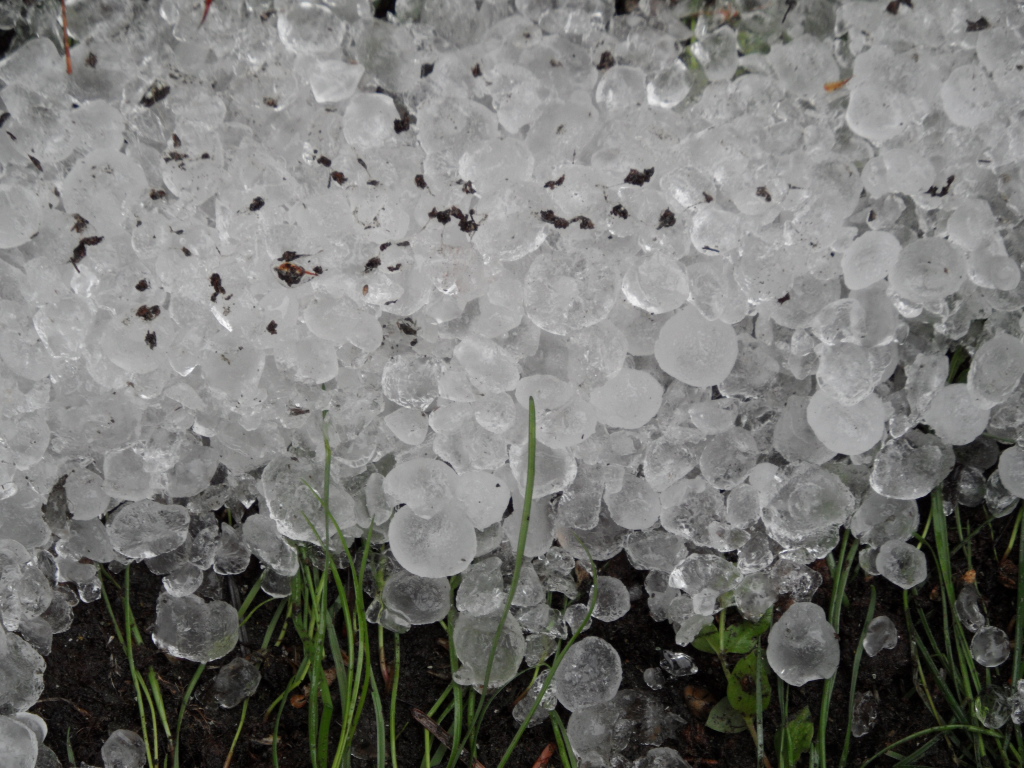
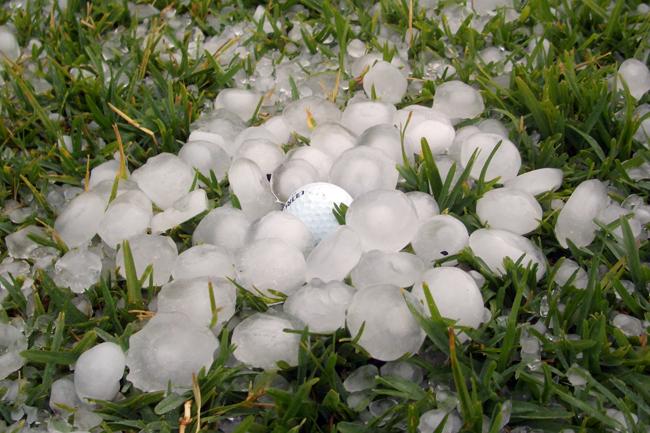
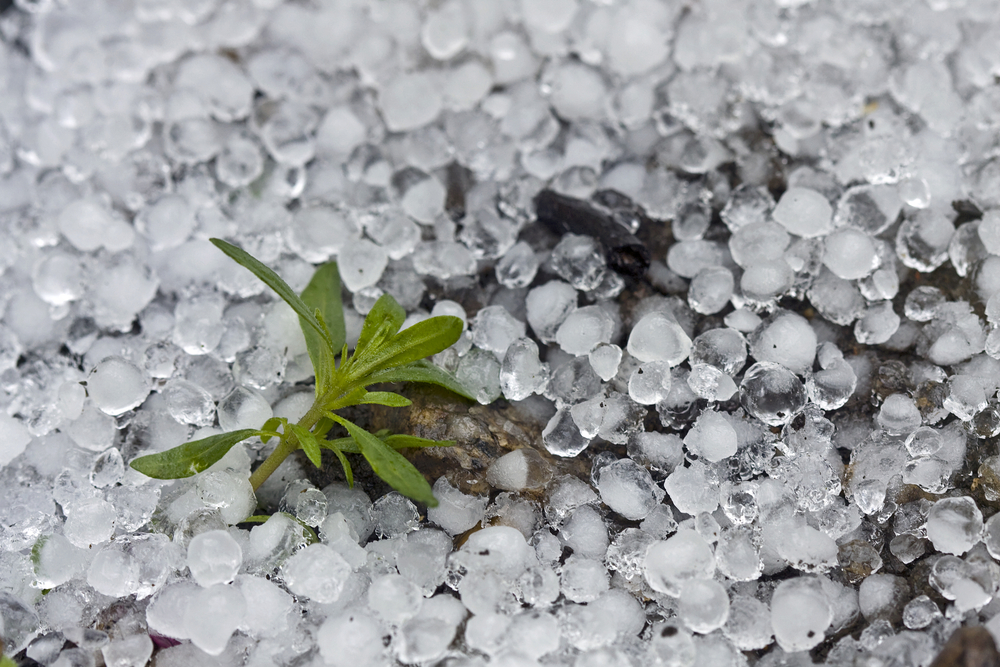
On the afternoon of Monday 30 May, heavy hailstorms rained down on parts of north Kashmir's Baramulla district, inflicting large-scale damage to the fruit industry by hammering down blossoming apple orchards and other fruits. “The hailstorm started at 3:00 pm leaving a layer of white icy stones on the ground. Blossoming fruit orchards and vegetables suffered extensive damage due to the storm,” Mohammed Ramzan an apple orchardist said. The fruit industry is the main stay of economy in north Kashmir. Orchardists said that the storm knocked down the apple, pear and cherry blossoms to the ground. They said paddy sapling and vegetable crop were also damaged due to hailstorm followed by heavy rains. Source - http://www.freshplaza.com

01.06.2016

Spain - Tirajana to lose over 70% of its apricots

Apricot growers in Tirajana, the apricot producing area par excellence in the Canary Islands, are going through a rough patch. Due to the high and abnormal temperatures recorded last winter, they will lose more than 70% of the production. This was stated by the president of the cooperative Zona Alta, Vicente Santana. The apricot harvest in the area is being a failure. "There is a lack of fruit, and I don't think we'll even manage to reach 30% of last year's production, which stood at about 240,000 kilograms," said Vicente Santana, producer and member of the managing board of the cooperative Zona Alta, in a statement issued last Friday. He also said that this year it will be difficult to find fruit from this origin at greengrocers and supermarkets. Santana blamed the changes recorded in the climate in recent years, especially in the winter. "When we needed cold, it did not come; when it arrived, it was already late and prevented the fruit from developing normally," he points out, adding that this abnormal behaviour of the climate already affected the crop about six years ago, also with disastrous consequences. "If the situation doesn't change, we will have to start thinking about switching to other crops," he affirms. The fruit's acreage amounts to around 15 hectares, about 150,000 square metres, which yield an average annual production of 300,000 kilograms in the best years. Its main destination is the local Canary market and occasionally some of it goes overseas. This year there won't be enough even to meet the local demand. Source  - http://www.freshplaza.com

01.06.2016

USA - Drought could cause farmers $1.5 bln in losses

A new bank report has revealed that persistent drought conditions in California could cause farmers and agribusinesses up to $1.5 billion in losses. In “California Drought and its Economic Impact on Agriculture 2016,” CoBank posits the drought’s lingering effects will lead to another round of water restrictions for producers through the remainder of the growing year and beyond. While Northern California saw the most precipitation during the rainy season, much of the state is still blanketed by severe drought, especially in the central and southern regions. Government agencies in the state will again need to enforce water restrictions, allocating less than 60% of the state’s contracted water supplies. These restrictions will result in a 5% to 7% loss in net cash income for growers, ranchers, and agribusinesses across the state. “Some sectors will feel the effects of these water restrictions more so than others,” Sahling said. “Crops that yield the highest returns on investment, like permanent plantings of tree crops and vines, should be impacted the least. At the same time, we expect a large reduction in acreage for field crops that require significant amounts of water, including corn, wheat, cotton and alfalfa.” “Looking beyond this year, the outlook for California agriculture will depend on how much moisture the state receives, continued availability of groundwater and future regulations that impact access to surface and groundwater,” Sahling said. Source - http://www.freshplaza.com

860
of 1225