NEWS
874
of 1225
News
12.04.2016

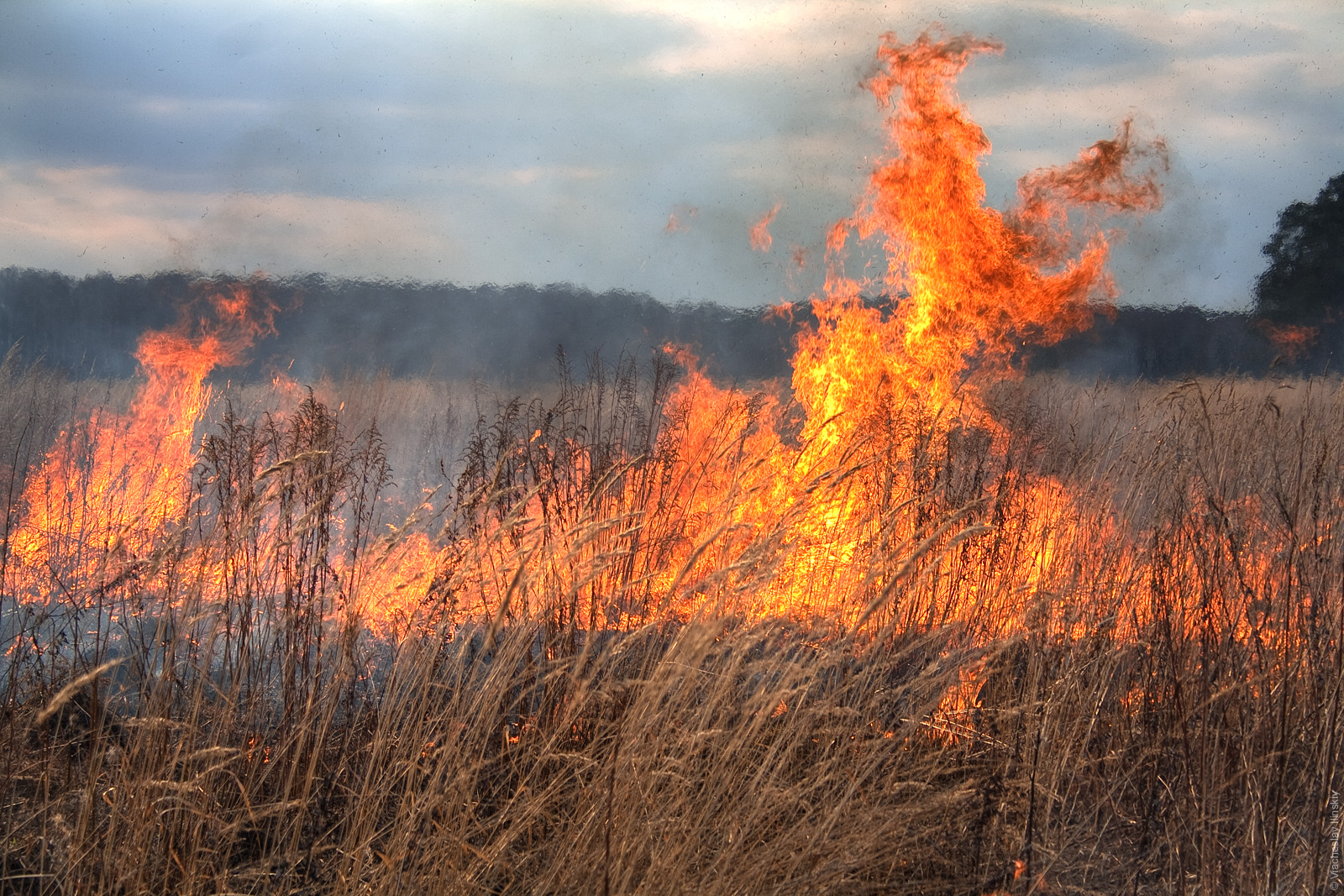
India - Standing wheat crop on 40 acres gutted in fire near Patiala

The standing wheat crop on nearly 40 acre of agricultural land was gutted after a short circuit in a nearby electricity transformer led to fire in the fields in Mehmadpar village near Bahadurgarh, 10 km from city, on Monday afternoon. As many as five farmers lost their 100% crop in an unexpected fire, which incurred them financial losses of nearly Rs 20 lakh. As told by the locals, the standing crop in the Mehmadhpar village suddenly caught fire after a spark that ensued from the nearby transformer. All the villagers tried to douse the fire from spreading it further. By the time a fire tender reached the spot, crop over 40 acres was destroyed. An affected farmer Harjit Singh, who lost crop over 5 acres of land, said he was waiting for the Baisakhi to harvest it. “I have no words to explain my sufferings, as I saw my produce turning into ashes today,” he said. Demanding adequate compensation, he said that he would approach the local administration as well as his area MLA and ask for compensation. Other farmers who lost of their crop had reportedly taken the land on lease. Meanwhile, the revenue department team assessed the loss and sent the repot to senior officials with recommendation of compensation as per the government norms. Source - hindustantimes.com

12.04.2016

USA - Apple growers assess frost damage

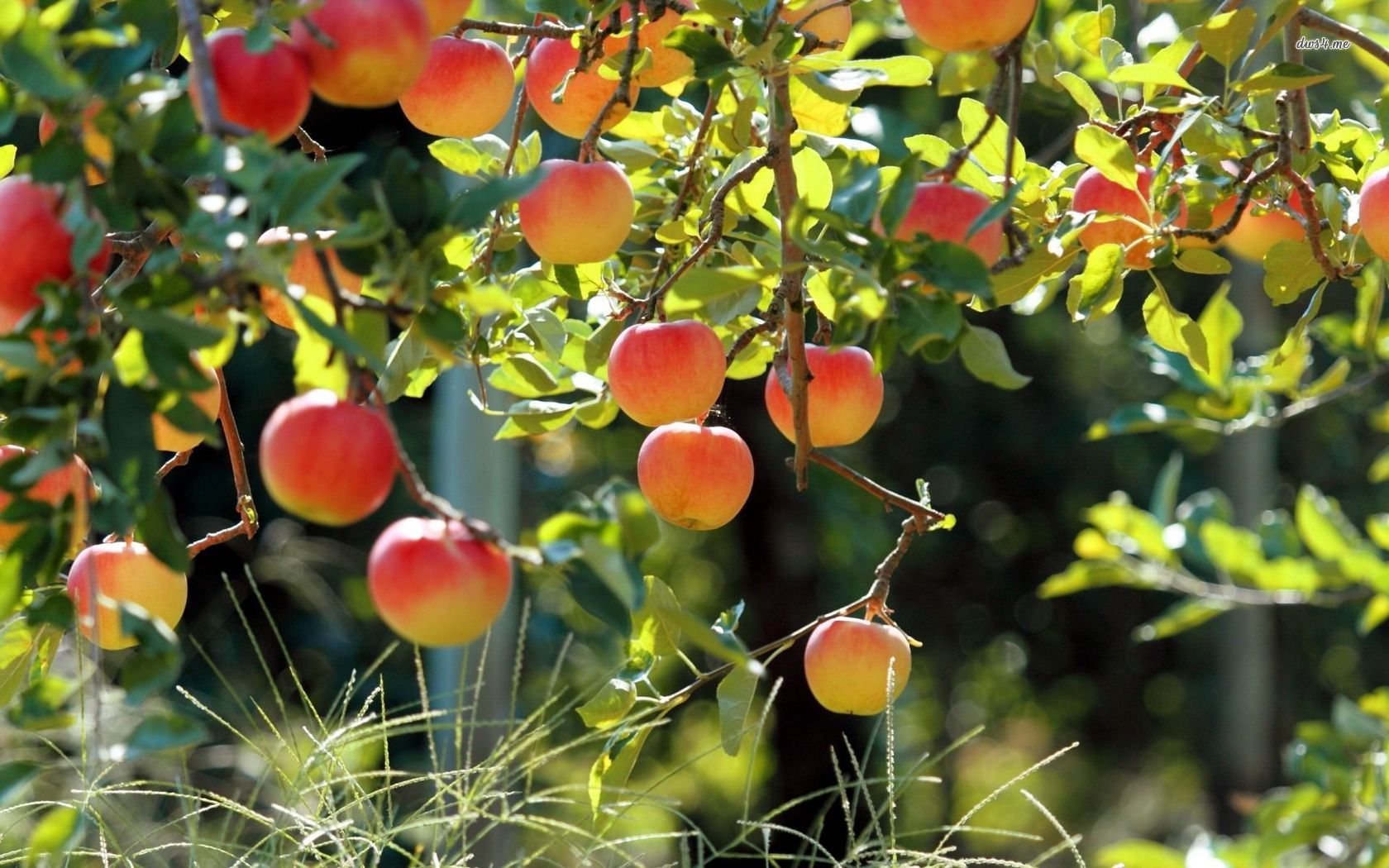
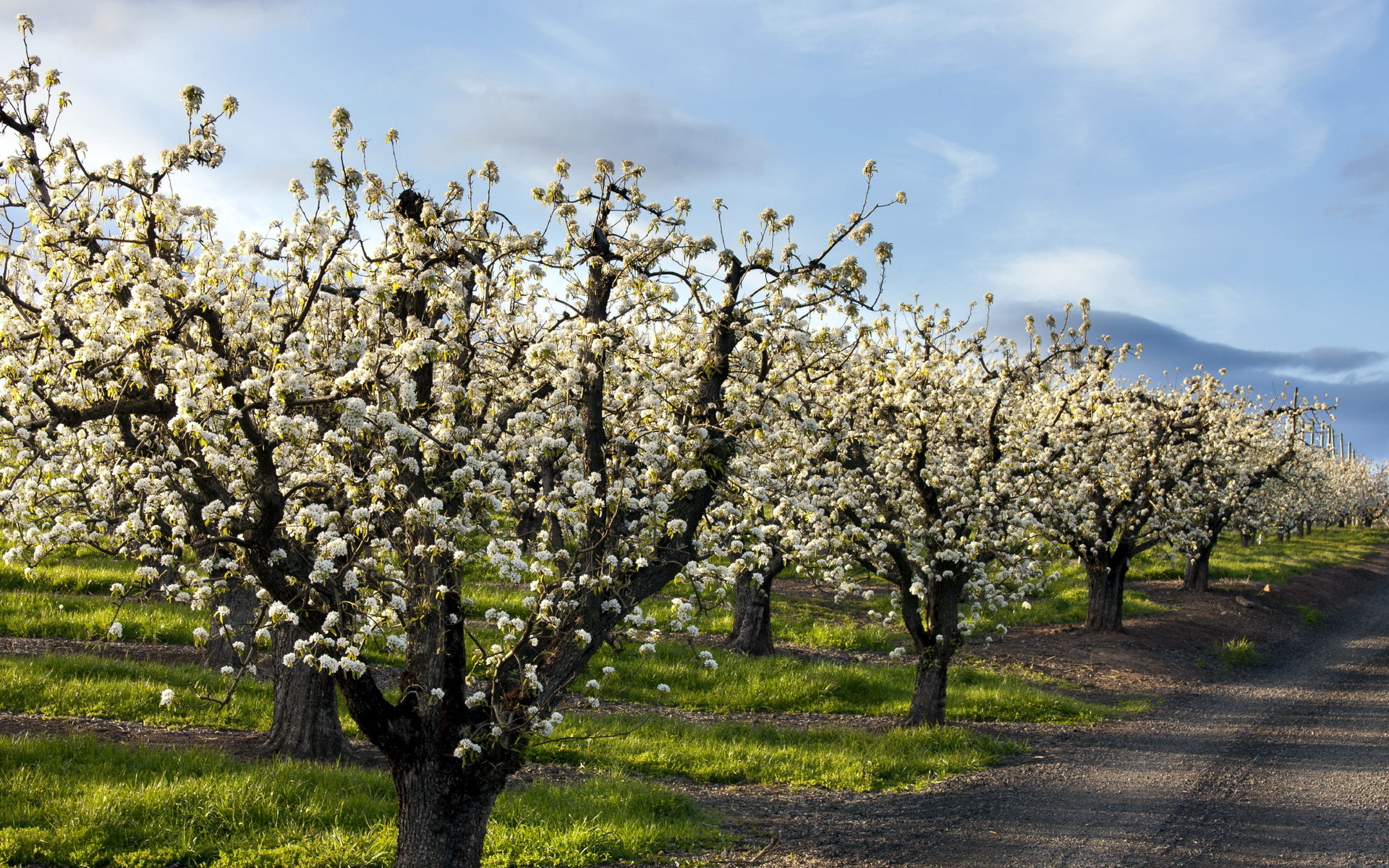
Farmers in Henderson County, North Carolina, knew that a cold front was coming, what they didn't know was how badly their crops would be affected. Dana McConnell grows 20 acres of strawberries, 11 acres of asparagus, and 40 acres of apples, when his frost alarm went off Saturday night at 10:15, he knew the next 10 hours would deliver either very bad news or not as bad and on Sunday 10 April afternoon McConnell was leaning toward the latter. "It didn't actually drop down to freezing until about midnight and we were at 29 about 4," he said. It was good news  that the coldest temperatures were not as prolonged as feared. "The later varieties haven't bloomed yet," he said. Most vulnerable now are early varieties including Galas, Pink Ladies, Granny Smith, Golden Delicious, Red Delicious. Although he hadn't fully assessed apple damage, McConnell was optimistic about the fruit's chances. "This morning the air was so dry we didn't get much frost." A few miles northeast of McConnell Farms, Kenny Barnwell said he had seen some patches that looked pretty badly damaged and others that looked like they escaped almost unscathed. Riding miles of roads through the apple country from Edneyville to Fruitland, Barnwell said he was amazed to see ridges of fluffy white blossoms, as if they were fine, and others already brown and doomed looking. "Down the road it was 24 and those apples I'm pretty worried about," he said. "If that's what it was all the way through it's going to be hard. You're looking at a half mile down the road and a 5 or 6 degree difference in temperature. It's going to be a lot like it was in 2012. It's going to be very site specific. In certain areas it could be that severe." If the county's apple farmers survive this cold snap and make it past Mothers Day (May 8th) without another freeze, they have a chance at picking a good crop and selling it at a good price. Barnwell said he had heard from growers in Virginia about widespread freeze damage. "I got an email from a lady Friday at the Virginia Cider Association asking about our crop because they were looking at a 90 percent crop loss before this weekend," he said. A grower near Winchester, Va., reported "it was 20 degrees in his orchard this morning," Barnwell said. "They're looking at a lot of damage in Pennsylvania." "I really believe I've got places in my orchard that I'm going to have a crop," he said. "I'm equally confident that I've got some places that are going to be blank. I just hope there's more of the former and less of the latter." A stretch of warm weather in February and March coaxed the trees into blossoming by early April and nearly all varieties except for the very latest such as Romes are in bud stage or full flower. “Most everything is about a week early,” Marvin Owings Jr., director of the Henderson County Agriculture Extension Service, said Friday. “We had all that warm weather that really got things moving. The ones that are furthest along would be the Granny Smiths and Pink Ladies. Anything that’s in fruit set is very vulnerable to 28 degrees. I would say that we’ll be assessing potential damage all next week.” The farm economy has a lot at risk because this year’s crop has the potential to be bountiful. A year ago, back-to-back hard freezes on two weekends in April killed about 40 percent of the crop. “When you lose that fruit then it will come back and reset a heavier bloom typically the following year,” Owings said. Most varieties were looking very good up to this point as far as the fruit set for this season.” Source - freshplaza.com

12.04.2016

India - Drones to assess crop loss in Haryana

To make accurate assessment of crop loss due to inclement weather, Haryana has started using drone technology on a pilot basis. "Drone technology will bring transparency and accuracy in assessment of crop loss. Moreover, it will also put an end to complaints lodged by farmers who accuse revenue officials of not making correct loss assessment," Haryana Space Applications Centre (HARSAC) chief scientist R S Hooda told PTI on Monday. "Haryana is the first state which is using drone technology for crop loss assessment," he said. Crop loss assessment through drone technology was conducted on a pilot basis in few villages of Hisar and Gurgaon, he said. "We used drone to assess wheat and mustard crop loss because of hailstorm and untimely rains," Hooda said. "We are expecting more than 90% accuracy in results and if this pilot project comes out successful, we can use it on operational basis in the future," HARSAC chief scientist informed. Pune's Science and Technology Park, which is promoted by the Centre's science and technology department has deployed German manufactured imaging drone in Haryana for crop damage assessment, he informed. "Drone, called unmanned aerial vehicle (UAV), is fitted with scanning sensors and it can capture the image of affected area with a resolution of 3-5 cm with a detailed imaging from the height of about 200 metres," Hooda said adding that it would help in assessing accurate percentage of crop damage whether the loss is 25% or 75%. Notably, last year when Haryana government disbursed financial compensation of Rs 1,092 crore for wheat damage due to untimely rains and hailstorm, many farmers complained of inaccurate crop loss assessment, leading to disbursal of lesser compensation. Haryana had even tried to assess crop loss assessment through US satellite. But Hooda said it was difficult to get accurate percentage of crop damage through satellite. Source - timesofindia.indiatimes.com

11.04.2016

USA - Freezing temperatures, and crop damage, varied widely

Dana McConnell's frost alarm went off Saturday night at 10:15, about when he expected it to. The next 10 hours would deliver either very bad news or not as bad and on Sunday afternoon McConnell was leaning toward the latter. "We were very lucky the night before last when it didn't get as cold as they predicted," McConnell said as he stood a couple hundred yards from the vast white sheets that covered his strawberry crop. "We were at 42. Then last night we had part of the strawberries covered and some we used the sprayer on and some we did both." "It didn't actually drop down to freezing until about midnight and we were at 29 about 4," he said. It was good news  that the coldest temperatures were not as prolonged as feared. "We'll know more tomorrow when we start taking them off," he said. Six miles of spunbonded fabric covers may have prevented a devastating crop loss. McConnell and his crew had covered most of the young crop 10 days earlier, on Friday, April 1, as the cold snap headed this way. Draping the crop required a lot of extra labor in the first place; high winds blowing the covers off required more. "We have to walk all up and down 'em every day," he said. "We had five-pound bags of gravel but that wasn't holding them down so we've gone to taking a shovel and burying 'em." In addition to 20 acres of strawberries and 11 acres of asparagus, McConnell grows 40 acres of apples. "The later varieties haven't bloomed yet," he said. Most vulnerable now are early varieties including Galas, Pink Ladies, Granny Smith, Golden Delicious, Red Delicious. Although he hadn't fully assessed apple damage, McConnell was optimistic about the fruit's chances. "This morning the air was so dry we didn't get much frost." A few miles northeast of McConnell Farms, Kenny Barnwell said he had seen some patches that looked pretty badly damaged and others that looked like they escaped almost unscathed. Riding miles of roads through the apple country from Edneyville to Fruitland, Barnwell said he was amazed to see ridges of fluffy white blossoms, as if they were fine, and others already brown and doomed looking. "Down the road it was 24 and those apples I'm pretty worried about," he said. "If that's what it was all the way through it's going to be hard. You're looking at a half mile down the road and a 5 or 6 degree difference in temperature. It's going to be a lot like it was in 2012. It's going to be very site specific. In certain areas it could be that severe." Both McConnell and Barnwell said their peach crop, which like apples are about a week ahead in development, are past the blooming stage and protected by a cover called a shuck. If the county's apple farmers survive this cold snap and make it past Mothers Day without another freeze, they have a chance at picking a good crop and selling it at a good price. Barnwell said he had heard from growers in Virginia about widespread freeze damage. "I got an email from a lady Friday at the Virginia Cider Association asking about our crop because they were looking at a 90 percent crop loss before this weekend," he said. A grower near Winchester, Va., reported "it was 20 degrees in his orchard this morning," Barnwell said. "They're looking at a lot of damage in Pennsylvania." "I really believe I've got places in my orchard that I'm going to have a crop," he said. "I'm equally confident that I've got some places that are going to be blank. I just hope there's more of the former and less of the latter." A stretch of warm weather in February and March coaxed the trees into blossoming by early April and nearly all varieties except for the very latest such as Romes are in bud stage or full flower. “Most everything is about a week early,” Marvin Owings Jr., director of the Henderson County Agriculture Extension Service, said Friday. “We had all that warm weather that really got things moving. The ones that are furthest along would be the Granny Smiths and Pink Ladies. Anything that’s in fruit set is very vulnerable to 28 degrees. I would say that we’ll be assessing potential damage all next week.” The farm economy has a lot at risk because this year’s crop has the potential to be bountiful. A year ago, back-to-back hard freezes on two weekends in April killed about 40 percent of the crop. “When you lose that fruit then it will come back and reset a heavier bloom typically the following year,” Owings said. Most varieties were looking very good up to this point as far as the fruit set for this season.” Owings confirmed the farmers' assessment of their peach crop. “I was checking peaches this week,” Owings said. “They’re at what’s called the shuck-off stage. That shuck will actually help insulate the fruit.” Grapes, Owings said, were not far enough along to face a threat. Apple farmers won’t be in the clear for several more weeks. The last day on average for the last hard freeze is April 26 and the last day for a frost is May 8. Source - hendersonvillelightning.com

11.04.2016

Pakistan - Wheat Crisis

AGRICULTURE Farmers in Sindh are again worried on falling yields from the current wheat crop this season. Sudden rise of temperature during the growing season, followed by fluctuations in winter temperatures have caused massive losses to the farmers. Similarly, shortages of water during the middle of the crop season also hit the yields. A delay in setting up of procurement centres in all the wheat growing areas, especially when the harvest has started with thresher machines running round the clock is already creating anxiety amongst the growers. They also believe the middlemen are intentionally depriving them of better rates for their produce. Growers in Sindh in previous years harvested 60-75 mounds/acre of various wheat varieties, including TD-1, TJ-83, Kiran-95, SKD-1, Sarsabz and Benazir 2013. This season the yield fell to 40-50 mounds/acre due to water shortages and unsteady temperatures. They claimed their livelihoods are on stake as around 60 percent of farmers in the province are wheat growers. The provincial government this season increased sowing area with a hope to produce more wheat to bridge demand gap. Officials say initially crops appeared better. But the output fell sharply after harvesting which started in the first week of March in Thatta, Badin, Mirpurkhas and Umerkot districts. Other districts including Tando Muhammad Khan, Tando Allahyar, Matiari, Hyderabad, Sanghar, Nawabshah, Naushahro Feroze, Dadu, Jamshoro and some parts of Khairpur started harvesting n the middle of March, while northern districts, including Jacobabad, Kashmore, Larkana, Shahdadkot and Shikarpur in the first week of April. Wheat is the key cash crop of farmers in Sindh and its output gives direction to most of the other crops in the province including rice, mullet and sorghum. Experts said wheat fields need water, but most of the growers at the tail end areas of the province faced water storages at the stage when the crop is in the final stage. They blamed authorities for mismanagement on water distributions.  Farmers complained that they received water at least two months late, which destroyed crops, leaving them high and dry. This season, farmers say, they lost oily crops in their areas because of water mismanagement by the provincial government. They also blamed the government on its reluctance to set up procurement centres on time to facilitate growers. Farmers staged protests in various part of the wheat belt in the province, demanding the government to ensure better rates for their produce. The government eyes to buy 1.1 million tons of wheat this season, but the growers are asking the authorities to procure at least 1.5 million tons. Officials said the government already has wheat stocks from the last year crop in it warehouses and buying any extra quantity means cost on new story facilities. The government wheat buying price is Rs1,300/mound this season. But farmers are currently selling their produce at Rs1,100/mound in the open market due to poor planning and lack of monitoring on the part of government officials. They said middle men are getting huge benefit in the current season, depriving growers from their right. Experts said ironically the government’s fixed wheat buy price is not for the small farmers. “It is only for the big growers, producing over 10,000 -- 15,000 mounds wheat,” said an expert. “But farmers who produce less than 10,000 mounds have no price incentive or even any access to the procurement centres.” The expert says big farmers are closing deals at Rs1,100/mound. “However, most of the small farmers are forced to sell their produce at a rate of Rs1,000/mound.” Reports of political favouritism in distribution of gunny bags are also pouring in from the northern districts of Sindh including Jacobabad, Kandhkot, Larkana and Shikarpur.  The farmers, who do not have access to the power corridors, are facing trouble to transport their wheat and vacate the land for sowing of the forthcoming Kharif crop of cotton. The government wheat procurement policy also lacks proper planning. This can be gauged from the fact that around 60 to 70 percent wheat has been harvested but procurement centres have yet to be established in the province. There is no official data to assess the crop losses in the province this season, but independent researchers believe at least 35 percent less yield in the province this season. This will lead to delay in sowing of kharif crops like cotton, sugarcane and rice. The new Kharif season will start next week. Experts warned that non availability of inputs, inefficient fertiliser usage, weed infestation, shortages of irrigation water, climate change, soil degradation and improper services may contribute to further loss to the crops in the future. They said late sowing of wheat crop because of behind schedule harvest of Kharif crops (cotton, rice, and sugarcane) is also hurting crop yields in the province. “The crop is exposed to heat stress at grain filling period leading to the formation of shrivelled grain,” one expert said. Experts suggested that a new holistic and well-coordinated strategy should be chalked out to improve wheat productivity both on large and small farms. The procurement policy should be further improved with strict monitoring system to avoid uncertainty of flour shortage in the vulnerable areas. Source - thenews.com.pk

11.04.2016

Philippines - Farmers suffer El Niño’s wrath

THE violence that erupted during the dispersal of the protest rally blocking an important highway in Kidapawan City, North Cotabato, recently was a grim lesson in reality. When there’s prolonged drought and dry spells, communities that depend on agriculture go hungry. For those in Metro Manila who have never lived in a farming community, this was just a barely understood and largely abstract concept, until the vivid photos and videos of the dispersal slammed the reality of the farmers’ lot right in front of the public’s consciousness. At first, what happened in Kida-pawan was portrayed as a simple local law-enforcement incident. The attempted message was that people ignored the law, prompting local officials to send in the police. It turned out that the matter was not that simple. The farmers agreed to join the rally because of one simple fact: their crops had failed due to lack of water. They were hungry and desperate. Upbeat tone THE national government, through the Department of Agriculture (DA), did take steps to mitigate the expected effects of the El Niño-spawned drought. The weather bureau also issued regular reports of the different provinces that suffered from below-normal rainfall. However, the focus of the DA’s press releases on the drought tended to be upbeat, which had the effect of downplaying the real extent of the problem. There was no sense of urgency. For example, the DA issued a press release on March 27, titled “Battling the Heat,” five days before violence erupted in Kidapawan City on April 1. The press release said: “In spite of the strong El Niño that has been battering the entire nation since September last year, the Department of Agriculture [DA] is optimistic that only a small percentage in production and yield decrease will be felt.” The DA’s press release was factual. However, it glossed over the drought’s effect on farmers. “For more than a year, February 2015 to March 2016, 313,356  hectares, from combined rice- and corn-production areas, were reportedly affected,” the press release stated. “This is 231,666 hectares less than the affected areas during the 2009 and 2010 dry spell.” The statement continued the “minimal damage, according to agri-experts, may be attributed to the prompt distribution of support and assistance, as well as the dissemination of information to farmers.” The DA also focused on its cloud- seeding efforts, describing it as its “most effective El Niño adoption strategies,” which “bring in positive results.” “In Mindanao, particularly in Soccsksargen, Agriculture Secretary  Proceso J. Alcala called for additional hours of sorties, following a successful series of cloud seeding.” “In other parts of the country, cloud-seeding operations have already taken off—resulting to scattered rain showers that provided a refreshing break for the arid farmlands,” the DA proudly stated in its press release. Finally, a sense of urgency AFTER scores were hurt in the violent dispersal in Kidapawan, the agriculture secretary said his agency will “fast-track monitoring to ensure the efficient delivery of appropriate services/interventions critical for the rehabilitation of affected areas.” As proof that the agency did something to help farmers in drought-stricken areas, he said from April to July, the DA plans to distribute thousands of bags of seeds, rice and thousands of tons of fertilizer for distribution to affected farmers. He added the “water-augmentation initiatives” will also be undertaken. This will consist of setting up “332 pump and engine sets, nine units of diversion dams, 1,816 units of pump irrigation for open sources and four units of drilling rigs.” Finally, a sense of urgency can be heard in the agriculture secretary’s tone when he used the word “critical.” Gone are the positive phrases “minimal damage” and “positive results.” This latest effort of the DA will definitely help farmers recover from their plight. However, he neglected to mention that this surge of assistance will come at a time when the adverse effects of the drought were expected to ease. The statistics THIS writer obtained data from the Rice and Corn Situation Outlook report, which was  released by the Philippine Statistics Authority in January. The report presented the January-to-June 2016 palay and crop outlook with rainfall data obtained from the Philippine Atmospheric, Geophysical and Astronomical Services Administration (Pagasa). The report said, “Rainfall outlook indicates that below normal to way below normal rainfall conditions will likely be experienced due to the ongoing El Niño affecting rainfall pattern that may lead to very dry conditions over large areas of the country.” As early as January this year, this report foresaw that palay and corn production would be lower for the first half of the year due to the lack of rainfall. “Based on standing crop, probable production in January to March 2016 will be 4.15 million metric tons [MMT] 4.98 percent below the 4.37 MMT output in 2015,” the report said. “Harvest area may contract from 1.15 million hectares in 2015 to 1.10 million hectares in 2016.” The figures clearly presented a decline in potential crop production. The statement that “harvest area may contract” was the only reference on how this would affect farming communities. Less arable land means fewer crops to harvest. And for farmers, that’s a definite loss of income. But what happens if conditions are so dire, farming activities cannot commence? What happens to the people living in the affected farming communities? Clear language THE weather bureau regularly publishes reports explaining how the current prevailing weather will impact agricultural operations. Thelma A. Cinco, head of the Impact Assessment and Application Section, Climatology and Agronometeorology Division of Pagasa, explained that these reports were designed to help farmers understand prevailing weather conditions and help them decide whether to plant crops. Cinco explained that Pagasa had a specific meaning to the word “drought”. “From December, January to February, we had three consecutive months of way below- normal rainfall condition,” Cinco said. “We consider that as drought in affected areas.” “Way below-normal rainfall meant that there has been a greater than 60-percent reduction from the recorded average rainfall in an area,” she added. “A dry spell meant that certain areas underwent three consecutive months of below- normal rainfall condition,” she added. “Below- normal rainfall condition means rainfall in those areas have fallen at least 21 percent to as much as 60 percent from the average rainfall.” She also explained that “dry condition” meant there was two consecutive months of below-normal rainfall for any given area. Based on Pagasa’s climate report for January and February, five regions were adversely affected by the ongoing El Niño, namely, Region 9 (Zamboanga Peninsula), Region 10 (Northern Mindanao), Region 11 (Davao Region), Region 12 (Soccsksargen) and the ARMM (Autonomous Region in  Muslim Mindanao). The report prepared by Cinco’s department also showed that one region, Region 13 (Caraga Region) in parched Mindanao escaped El Niño’s wrath. The report FOR Region 9, the report said “no farming activities may be undertaken in any part of the region because of very low rainfall received…. Zamboanga Peninsula continues to experience drought condition.” The report also revealed that farmers should expect below-normal yield in Region 10, because of “moisture stress experienced by crops during their  vegetative stage.” For the Davao region, the report was blunt: “During the month, insufficient moisture supply hampered any farming activities. Continuous dry spell is being experienced across the region.” The report for Region 12 was also dire: “Insufficient moisture persists across the region; any farming activities related to lowland palay and dry season corn may not be undertaken.” The weather bureau’s analysis also brought bad news for the ARMM provinces: “The region has been experiencing drought condition, hence all farming activities are hampered. The rainfall received is still insufficient for any farming activities undertaken.” The report stated clearly that the lack of water had made it nearly impossible for farmers in drought- affected areas in Mindanao to conduct their livelihood in  January and February. A source who was privy to the writing of these reports told this writer that Pagasa’s report for March contained a similar analysis. The source explained the report for March would be released in a “few days.” Pagasa used clear language to help the public, particularly farmers, understand how the ongoing El Niño was adversely affecting the agriculture and farming communities in specific areas. The DA did acknowledge the weather bureau’s report by stating the existence of a “strong El Niño” in its March 27 press release that a “strong El Niño” in the country. However, the DA use of the term “minimal effect” downplayed the situation in that May 27 press release, especially when compared with the weather bureau’s use of clear language. According to the drought/dry spell outlook released by the weather bureau at the end of February, “31 percent of the country will likely experience drought.” This will cover 25 provinces. One province, Palawan, is in Luzon, while nine provinces are in the Visayas, namely, Antique, Capiz, Guimaras, Iloilo, Negros Oriental, Siquijor, Eastern Samar, Northern Samar and Western Samar. The remaining 15 provinces are in Mindanao, namely, Zamboanga del Norte, Zamboanga del Sur, Zamboanga, Sibugay, Bukidnon, Lanao del Norte, Misamis Oriental, South Cotabato, North Cotabato, Sarangani, Sultan Kudarat, Basilan, Maguindanao, Lanao del Sur and Tawi. As announced by Alcala after the violence in Kidapawan, the agriculture department will enhance its cloud-seeding activities to combat the effects of the drought. The question now is: How effective will it be? This writer spoke with Ma. Cecilia Monteverde, the weather bureau’s technical supervisor for the cloud-seeding project and Eng. Lorenzo A. Moron, the project’s coordination officer. Their explanation, which will appear in the next installment of this story, will explain the science of cloud seeding and its actual effect, especially in face of the ongoing El Niño. Source - businessmirror.com.ph

11.04.2016

India - Satellites to aid rollout of crop insurance

ISRO’s constellation of satellites will be pressed into service to assess crop damage to ensure faster compensation payout under the Centre’s newly launched crop insurance scheme. The remote sensing satellites moving over the country will be used to prepare cadastral maps, which will carry time-tagged crop information. In case of bad monsoon or excess rain, satellite images before and after crop damage will be used to assess the yield loss. Officials from the Departments of Space and Agriculture made detailed presentations to the Prime Minister’s Office recently on plans to use space technologies to give a boost to the agriculture sector. “We have satellites that give images with resolution ranging from 5.8 metres to 50 metres. We intend to use these in providing inputs to implement the Pradhan Mantri Fasal Bima Yojana,” a senior government official said. Source - deccanherald.com

11.04.2016

Chile - Report on effects of the recent rains

On Tuesday, April 5, there were some localized rains especially in the northern area of the region of Valparaiso and there were rains with no significant volume in the Metropolitan and O'Higgins regions. (Below are the reports of the places were it rained and drizzled). As usual, after the rain, on Tuesday afternoon, producers of table grapes started conducting crop protection measures and pesticide treatments on their crops to prevent decay. The areas were it rained will be objectively assessed in coming days to classify the fruit that will be exported. The industry and trade organizations are concerned because poorly informed news outlets are reporting news without confirming their information, or from unauthorized sources, misinforming importers and customers in general. Asoex and Fedefruta stated that the producers and exporters make a rigorous classification of the fruit that will be exported. Not doing it would be economically counterproductive and go against the reputation of an industry that always aims at being a reliable supplier of fresh fruit for all markets. Source - freshplaza.com

11.04.2016

Fiji - Floods damage farms

FRUIT, vegetable and root crop farms across the Western Division have suffered extensive damage from floods last week. Nature's Way Cooperative Ltd, a farmers co-op that operates a produce treatment plant in Nadi, says the result of an initial survey conducted last week has revealed serious impacts across the industry. "Damage include heavy and immediate crop loss, siltation of farms, waterlogging, erosion, excessive debris on farms, damage to access roads and damage to farm equipment and packing facilities," said extension services manager Kyle Stice. "High levels of disease are expected in many of the surviving farms because of the waterlogging that has occurred." Mr Stice said Nature's Way was trying to source funds to aid in the quick rehabilitation of farms. He said it was critical that farms supplying the export sector received immediate aid because of the impact that low or no supply of fresh produce could have on numerous businesses that relied on farm produce. "We are currently in discussions with donor partners as to the best way to support the rehabilitation of export farms and also the best way to support the export enterprises so that all stakeholders can survive this series of natural disasters and rise again to resume our place in the export market supplying unique Fijian agricultural products." Source - fijitimes.com

08.04.2016

Germany - Deep Freeze Takes Toll On Shore Farm Operations; Spring Weather Extremes Leave Farmers On Edge

The extreme wacky weather this week, with snow on Monday and temperatures dipping into the low 20s midweek wreaked havoc on agriculture across the Lower Shore, including an iconic family peach orchard in Sussex County that lost its entire crop. A cold front passed through the region early this week, causing a surprising light snow overnight on Monday and daytime temperatures only topping out in the 40s in early April. However, the real deep freeze kicked in late Tuesday night and throughout the early morning hours on Wednesday with temperatures dropping into the 20s. For Bennett Orchards in Frankford, the popular family farm that provided fresh local peaches throughout the region including the majority for the Berlin Peach Festival, the deep freeze resulted in catastrophic losses. “It’s a very sad day here at Bennett Orchards,” the statement from the company on Wednesday afternoon read. “After six hours of 23 degree temperatures, it appears that virtually our entire 2016 peach crop has been destroyed.” In its statement, Bennett Orchards officials said they were still surveying the damage on its other staple crops and there was early reason for optimism, despite the loss of the peach crop. “We’ll post more updates in the days to come, but we’d like to thank all of our wonderful customers for their thoughts and prayers on a very difficult night for us,” the statement reads. “The blueberries appear to have survived unscathed, so we look forward to seeing everyone in June for a bountiful crop.” Across the rest of the Lower Shore, farmers were scrambling to cover what crops they could that are in the ground already, from strawberries and blueberries to early wheat and barley. The big staple crops on the shore, including corn and soy beans for example, have not yet been planted for the most part, but many others are already coming up and producing buds. Former Worcester County Commissioner and local farmer Virgil Shockley said on Wednesday the April cold snap on Tuesday night and into Wednesday had he and his colleagues scrambling. “We worked until dark covering up as much as we could,” he said. “We think we’re going to be okay but I’m not sure at this point. If we get another cold snap, and it looks like that might happen again this weekend, some of these crops could be in trouble.” Shockley said many of the “U-pick” strawberry and blueberry operations in Worcester likely took a hit this week. He also voiced concern about the early wheat and barley crops in the county. Of the 69,000 acres of farmland in Worcester, about 15,000 to 18,000 are currently planted in wheat and barley. “The biggest hit in Worcester would likely be the wheat and barley,” he said. “Wheat and barley are usually harvested in June, so they are pretty far along already, with barley ahead of the wheat. The barley heads might already be exposed, and if they are, they likely took a beating.” Shockley said there might be more concern for agriculture across the Lower Shore about what might happen going forward than what happened this week with the drastic temperature drops. He said the current conditions are not conducive to planting the big staples including corn and soy beans. “Right now, if it turned absolutely perfect for about 10 days, we would be okay,” he said. “Everything is running about two weeks behind. The ground temperatures are too cold plus with all the rain, it’s going to be interesting to see how this turns out.” Jessica Flores from the University of Maryland Extension Office in Worcester County said she was paying close attention to the situation with Bennett and some of the other orchards in Sussex. Flores said it was too early to tell the extent of the damage of the sudden freeze here although she was certain there were some crop losses. “Right off the bat, I know a lot of the strawberry producers are scrambling right now,” she said. “Anything that is prone to frost needs to be covered up, and that includes most berries that are already in the ground.” Flores said a relatively warm winter had many farmers across the shore ahead of schedule, but this week’s wacky winter weather likely created setbacks. “It’s been a fairly mild winter and a lot of farmers and producers were worried something like this might happen,” she said. “A lot of the fruits have started to bud and once the frost hits the flowers, they’re done.” U-pick operations like strawberries and blueberries are popular in Worcester in the summer and many of those were likely exposed to the elements this week. “The strawberries for the U-pick season were actually planted in the fall and they remain covered all winter,” she said. “Most of them are still covered, but there are likely some that didn’t survive this week.” While berries and low-lying crops can and were covered, there was little help for the tree fruits such as peaches and apples in some cases, according to Flores. “Everybody is paying close attention to it,” she said. “The orchards took the biggest hit because you can’t cover up trees.” Flores said another orchard in Sussex had a helicopter flying over its trees early Wednesday morning in an attempt to push warmer temperatures from high elevations down in an effort to save the crop. “It might be 29 or 30 degrees down at tree level, but a little higher it might be 34 or 35 degrees,” she said. “Hovering that helicopter over the trees might raise the temperature four or five degrees. That’s how thin a margin they’re dealing with.” Source - http://mdcoastdispatch.com

08.04.2016

Philippines - Crop, animal losses from dry spell hit P387.4M in Negros Occidental

Agricultural losses in Negros Occidental from the long dry spell have risen to P387.42 million this week, collated reports from various agencies showed. As of Wednesday, the Office of the Provincial Agriculturist placed damage to rice, corn, high-value commercial crops and tilapia at P219.47 million. Rice accounted for the biggest loss, at P211.97 million. It also tallied P3.16 in livestock and poultry losses. The Sugar Regulatory Administration meanwhile said P163.31 million worth of sugarcane crops have been lost. The long dry spell has affected 6,251.59 hectares and 7,172 farmers and fisherfolk in 21 municipalities of the province. Source - http://interaksyon.com

08.04.2016

USA - Bechdolt's Orchard loses most of plum crop after being forced to extinguish fires warming trees

Rich Rowe spent three long, cold hours Wednesday morning watching the fires he lit around Bechdolt's Orchard in Lower Saucon Township slowly die, and with them the vast majority of his plum and apricot crops for the season. The orchard field manager was among the area farmers who went to great lengths during Wednesday's frigid night in an attempt to save a portion of his livelihood from the cruel temperatures. But Rowe said a phone call from a neighbor worried about a house fire sent Lower Saucon Township police to his tree-studded property at 3 a.m. Wednesday. Rowe said police did not find a structure fire — they found a farmer trying to save his crops. He and two friends had set up about 20 fires, spaced roughly 30 feet apart, that they hoped would warm the fragile plum blossoms. But authorities, citing a nuisance law in the township that forbids smoke from leaving the property where a burn is taking place, ordered Rowe to stop throwing wood on his fires, according to Rowe. Source - mcall.com

08.04.2016

India - Sunflower crop in danger just before harvesting

P. Karuppannan (60), a marginal farmer of Pachapatti near Karur, invariably cultivates groundnut on his 1.5 acres of land. Since he suffered loss because of pest attack last year, he raised sunflower instead of groundnut this season (December to April). However, his decision has turned out to be wrong as the standing sunflower crops were drying up because of failure of summer shower. The farmer, who had sensed the prospects of crop failure, was keeping his fingers crossed. He was not the lone farmer who faced the prospects of crop failure. Several other farmers feared the crop loss this season. According to official sources, sunflower crop had been raised on 1,700 hectares of land in Aravakuruchi, Krishnarayapuram, and Thanthoni blocks of Karur district. Similarly, farmers in Musiri, Athavathur, and Thuraiyur had raised sunflower. The crop, sowed in December, had reached the milking stage. In some areas, farmers were getting ready to harvest it. However, they say the crops are badly in need of rain before harvesting season. “The crops are withering. There has not been a single drop of rain for the last three months. It is tough for us,” said Mr. Karuppannan. While agreeing with the apprehension of farmers, a senior official of the Karur district said there was a possibility for revival of the crop if the district received summer showers. He had asked for reports from the field-level officials about the status of standing sunflower crop. Source - thehindu.com

08.04.2016

USA - How Crop Insurance Makes Landowners And Big Growers Richer – And Hurts Other Farmers

Crop insurance hikes up the cost of cropland -- bad news for small farmers who own their own land and growers, large and small, who rent acreage from landlords. That’s the conclusion of a seminal new study by Mike Duffy, professor emeritus of economics at Iowa State University, and the Center for Rural Affairs in Lyons, Neb. The study shows that crop insurance premium subsidies are so excessive that they inflate the appraised value of farmland, raising sale prices and rental rates. These financial distortions are added and usually overlooked consequences of the federal crop insurance program, on top of what the program exacts from taxpayers and the environment. Crop insurance costs taxpayers billions of dollars each year.   It damages the environment by encouraging growers to farm on environmentally sensitive land, a practice that cascades into more soil erosion, water pollution and biodiversity loss. Between 1989 and last year, crop insurance premium subsidies in Iowa alone amounted to 4.8 percent of the average value of all the state’s acres devoted to growing crops. Over the past decade, crop insurance subsidies accelerated the yearly increase in farmland appraisal values. These values on average rose by 8.5 percent per year between 2006 and 2015, compared to 7.2 percent per year between 2001 and 2015. Growers rent nearly 40 percent of American farmland.  Rent is usually these growers’ largest per-acre cost. Rental rates have remained high at the same time commodity prices have dropped dramatically. When growers have to pay more for land because crop insurance raises the rental rates they pay, their overall costs of doing business increase. Facing higher costs and lower commodity prices, some growers are approaching the point where they will no longer break even. At that point, they have a serious decision to make – leave farming or hang in, hoping something will change. Their landlords, on the other hand, are in a win-win situation. Their costs stay the same but the rent they can charge increases. Crop insurance hurts small farmers, whether they rent or own the land. Large, wealthy farm businesses can afford to buy more farmland as costs increase, but small and beginning farmers cannot. Some of them can no longer afford to grow crops. The federal crop insurance program should help farmers who need it most, not landlords  and millionaire farm businesses. Through common sense reform, the next federal Farm Bill should fix the crop insurance program so that it no longer damages new and small farmers, growers who rent their land, taxpayers and the environment. Source - ewg.org

08.04.2016

USA - Economists Discuss Farm Policy Amid Falling Crop Prices

The U.S. Department of Agriculture, last week, warned that farm incomes would again fall in 2016 because of low commodity prices, continuing a troubling trend in recent years. Top agricultural economists echoed that sentiment yesterday and explained how this reality underscores the importance of farm policy. “It’s pretty tough sledding out there right now for grain producers,” Washington State University economist Randy Fortenbery said during a panel discussion at an annual meeting hosted by National Crop Insurance Services and the American Association of Crop Insurers. “If you look forward, I think the tough times will extend beyond 2016.” Fortenbery explained that the high value of the dollar and commodity surpluses around the globe are making things particularly difficult for U.S. agriculture. He also encouraged farmers to “think about risk management” as a way to weather these tough times. Joe Outlaw with Texas A&M University agreed. “Producers need to spend their money wisely and fine tune their crop insurance protection as much as possible,” he said. “We are fortunate in this country to have crop insurance and a farm safety net,” Outlaw continued, adding that such policies are essential right now since “prices are below the cost of production for everybody.” And while low commodity prices harm farmers and rural economies, there are some silver linings when it comes to crop insurance. Because the value of the insured crop is falling, that means insurance premiums are falling as well, which could help lower farmers’ bills and reduce government cost. Mechel Paggi with California State University, Fresno, explained that this has implications on the international front, too. The 2014 Farm Bill made crop insurance the centerpiece of U.S. farm policy, he said, and as such it will be scrutinized by the World Trade Organization to ensure compliance with international rules. “U.S. farm policy is coming in well under the support caps agreed to by the WTO,” he said. “With crop insurance costs going down, it would be harder to argue that current policy is a hindrance to foreign trade.” Furthermore, Paggi noted that existing research shows very weak linkage between crop insurance and producer planting decisions – a key indicator used by WTO when examining countries’ farm policies. Source - cropinsuranceinamerica.org

08.04.2016

USA - Losses from March flooding could top $15M

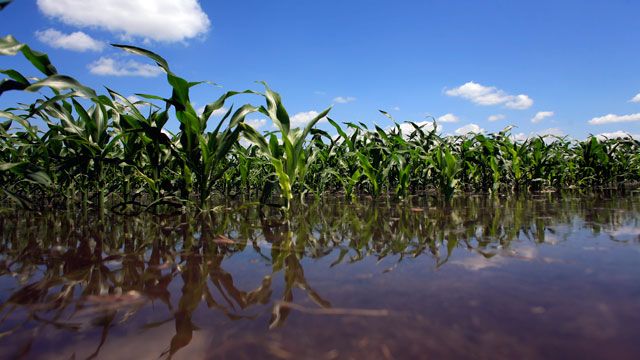
The agricultural loss from the March flooding across Louisiana could top $15 million, according to an economist with the LSU AgCenter. Kurt Guidry said the figures are preliminary because reports are coming in daily from farmers and producers. Guidry said up to 40,000 acres of corn were covered by the high water. "The corn losses occurred across north Louisiana and into the Mississippi Delta region," Guidry said. The total loss of corn is estimated between $3 and $4 million, he said. Farmers in north Louisiana, where the majority of the state's corn crop is grown, have a couple of weeks left in the optimum planting window, according to AgCenter recommendations. If dry weather takes hold, many acres could get planted. "If the farmers want to replant, they have until the middle of April," Guidry said. He said the cost to replant runs $130 to $150 an acre. Many fields remain under water and those will not be replanted, Guidry said. Earlier in the year, experts were predicting a statewide increase in corn acres. Forecasts had corn at more than 500,000 acres, but the number is trending downward because of the wet conditions. "We've got water in places we've never seen it," said Dustin Morris, a Richland Parish farmer whose corn seed was washed away. Morris said Wednesday he is replanting the 300 acres he lost and about 5,000 acres that hadn't been planted before the storms. "We're lucky we only lost 300 acres," he said. Another farmer, Chris Johnson of Richland Parish, said he is replanting 1,700 acres. Louisiana's annual corn crop is valued at $266 million, according to state agricultural officials. Based on figures from different parishes, "400 to 500 head of cattle died in the flood," Guidry said. Pasture land was also lost and some still remains under water. "This will also cost the cattle producers to provide hay and feed." Guidry said. Randall Mallette, the agriculture agent in Natchitoches Parish, said grazing pastures along Interstate 49 and La. Highway 1 remain under water. Cattle production in Louisiana is valued at $663 million annually. "We have had two major flood events in north Louisiana, one in late 2015 and in March," Department of Agriculture and Forestry Commissioner Mike Strain said. "The Red River has remained high and the bayous and streams that feed into the Red can't drain and are backing up into the fields," Strain said. "I see drainage becoming a much bigger problem for agriculture in the years to come." With the price of commodities at about break even or upside down like in corn, Strain said, "the farmers and producers can't take a $15 million loss." "Most can't afford to replant, so that crop is lost for the year," Strain said. Source - newsobserver.com

874
of 1225