NEWS
910
of 1224
News
19.11.2015

New Zealand - Kiwi invention to revolutionise frost management

Across the globe, frost is quite often fought with expensive helicopters, but this might soon change after a recent kiwi invention. Two giant hot-air blowers are being trialled in South Island vineyards and cherry orchards to fight off severe spring frosts. The blowers stand five metres tall and blows out warm air like a giant blow drier. Known as the Heat Ranger, it's one of two machines being put to the test in Otago and North Canterbury. Designer Bruce Koller used to grow blackcurrants, but it took just one severe frost to take out his entire crop and force him to sell up. Click here to watch the video for the full 3 News report. Source - http://www.freshplaza.com

19.11.2015

Spain - Alert for whitefly, thrips and virus diseases in Almeria

Almeria's vegetable crops are being heavily attacked by whiteflies, thrips and viruses; as a result, COAG Almeria has issued a call for growers "to contact their nearest COAG office or the District Agricultural Office (OCA) to provide them with reports on losses and crop damage," state sources from the agricultural organization. COAG reminded how important it is for producers to fill in these damage reports so that the losses being suffered by the sector can be properly registered. In this sense, the agricultural organization "asked the Ministries of Agriculture and Finance for a tax exemption for Almeria's agricultural sector due to the high incidences of virus diseases, whiteflies and thrips and the impact of adverse weather conditions. The high temperatures recorded at the moment, not characteristic of November, are creating the ideal conditions for pests and diseases to proliferate." "Many producers are being forced to destroy their crops totally or partially because of the presence of viruses, which together with the price crisis has resulted in a premature end of the campaign and, consequently, losses," notes the agricultural organization. Last August, COAG Almeria already warned of the presence of the first whitefly pests and viruses from the spring-summer crops; a situation that has been getting worse later in the campaign. "It is crucial for producers to enforce extreme safety measures and hygiene in the affected greenhouses to prevent the diseases and pests from spreading to nearby farms," ​​they say. Source - http://www.freshplaza.com

19.11.2015

Australia - Generations of hard work wiped out

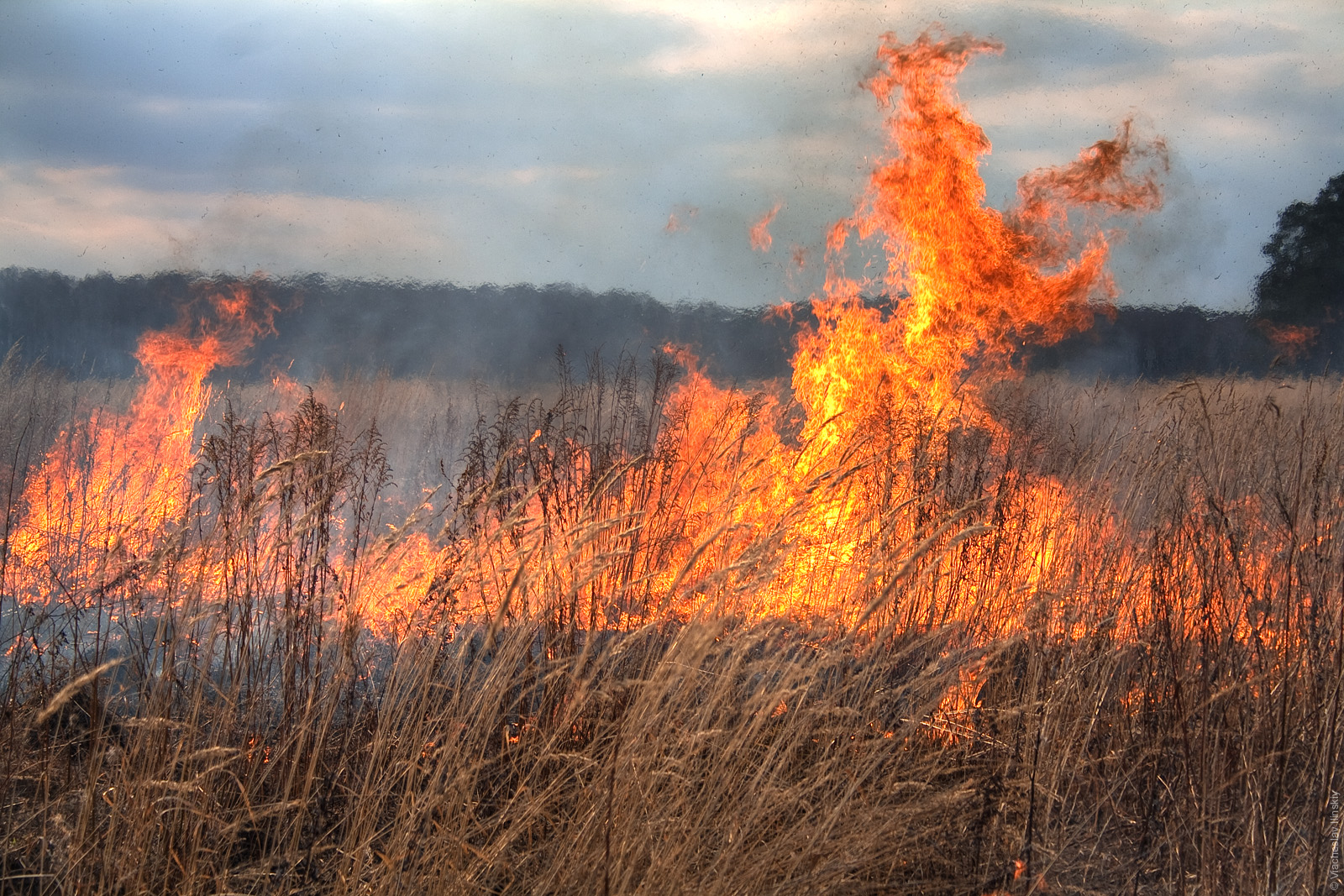
It will take farming families hit by the fires around Esperance years to get back on their feet and some may never recover, according to industry experts. Farmers were forced to flee as homes, machinery, infrastructure, crops and livestock worth millions of dollars was consumed by blazes started by lightning strikes on Sunday. Insurance is expected to cover some but nowhere near all the losses that will run into tens of millions of dollars. The fire is estimated to have devastated more than 155ha of farm land in some of WA’s most productive districts. It swept through farms where the harvest of bumper wheat and barley crops was about to hit top gear. Some of the best paddocks were expected to produce up to five tonnes per hectare. Valuable cattle and an estimated 15,000 sheep were also lost based on initial reports of the devastation. “To have a fire destroy crops and livestock on the back of what was going to be a bumper season is heartbreaking,” WAFarmers chief executive Stephen Brown said. Guy Green, whose family-run operations were destroyed, summed up the feelings of those worst hit. Mr Green said the family had lost their farms, houses, machinery and precious memories. “The place I where grew up, made me the person I am today and was to be my future is completely gone,” he said. “Everything my grandpa and dad worked hard for.” The farms districts that deliver into the Esperance port, including Salmon Gums, Scaddan, Grass Patch and Stockyard Creek, had been on target to produce a record harvest of more than three million tonnes. Neil Weckert, who runs a grain cleaning and drying business in Esperance, said the fires had come at a terrible time. “Most of the standing crop was wheat and barley,” he said. “Insurance will cover some of it but it won’t cover it all because insurance works on averages and this was a bumper crop,” he said. “It is a strong community and they will pull together to help. So many people have lost everything and the fires are still burning.” CBH shut down operations in the fire zone and is offering support to its grower-members who have suffered losses. Source - https://au.news.yahoo.com

18.11.2015

India - Lower-cost crop cover on cards

A new crop insurance scheme the Modi government is set to roll out shortly seeks to cap the premium paid by farmers at about 3% of the insured value, cover a substantial part of the country’s farmland and crop output and make processing of claims hassle-free. The proposed easier crop insurance that would appeal to farmers replacing the existing high-premium schemes is one of the major social sector reforms the BJP-led coalition is banking on to regain its popularity among the masses after the party’s dismal performance in the recent Bihar assembly election. The new scheme, unlike the sundry schemes existing now, will necessitate the government to take a higher burden of the premium payment, but possibly not result in losses due to huge payouts for settling claims. A note detailing the contours of the scheme and the cost to the government prepared by the agriculture ministry is likely to discussed by the Cabinet shortly, sources said. The finance ministry is helped by the low global crude oil price, subdued prices of other commodities that India imports, deregulation of fuels and the tax buoyancy in finding the fiscal space to roll out the new scheme. The government feels that a credible insurance support to farmers will be a major stimulus to the rural consumption. The farm sector accounts for over 13% of GDP and provides livelihood for 70% of rural households. Ashok Gulati, chair professor for agriculture, ICRIER, attributes the dismal performance of existing crop insurance schemes to the discouraging claims settlement experience of farmers marked inordinate delays and the very small amounts of insurance payouts — they cover the cost of cultivation, not the farmer’s income. “Insurance based on input-cost mechanism is not going to help. The policy should be to protect the income of farmers from agriculture risks. Besides land record digitisation, the satellite images should be used for quicker assessment of crop damage and settlement of dues to farmers,” said Gulati. “For any such insurance scheme to succeed, accurate estimation of the expected loss and, hence, calculation of premium based on actuarial principles is very important. Crop insurance has to be simple and should be easily accessible to farmers, say at the point of sale of fertilisers,” said Gopal Kumar, director, Allons Insurance Research & Consultants. At present, despite having more than two dozen general insurance companies, crop insurance schemes are offered only by a few companies, including the government-owned Agriculture Insurance Company, because the claims ratio — the total claim divided by premium — is very high, explained Kumar. The three existing crop insurance schemes — National Agricultural Insurance Scheme (NAIS), the Modified NAIS and the weather-based crop insurance scheme — have managed to cover only about 40.27 million hectares, a fifth of the country’s total agricultural land. Farmers at present pay 3.5% to 8% of the total premium fixed by the insurers under the existing crop insurance schemes while the rest is borne by the government. According to Ramesh Chand, member, Niti Aayog, the sum insured at present covers only a fifth of the crop acreage and just 5.5% of the value of total crop output. He is of the view that instead of crop insurance, which has not worked satisfactorily so far, the country should have an “Agricultural Calamity Compensation Fund”, shared between the Centre and states, for meeting a part of crop losses faced by farmers. “Huge subsidy for crop insurance is given across the world. The US provides subsidy of more than 60% while China gives 80% subsidy. The nature of agriculture insurance is such that unless it is heavily subsidised, neither farmers nor private companies will show interest. There are issues about compensating farmers for crop losses when damages are not uniform across the country. There are serious problems of errors of inclusion and exclusion of farmers,” said Chand. The proposed scheme is expected to be compulsory for farmers who rely on loans to finance agriculture. At present, Rajasthan has the largest insured agricultural land at 12.26 million hectares, followed by Bihar, Karnataka, Maharashtra, Gujarat, Uttar Pradesh and Andhra Pradesh. Oilseeds, rice, wheat, pulses and coarse grains are the major insured crops Field protection * Premium paid by farmers under existing crop insurance schemes: 3.5-8% of insured value * New scheme to include heavy subsidy; may cap premium by farmers at around 3%. * Extant scheme covers a fifth of the crop acreage and just 5.5% of the crop output value; new scheme to have much broader coverage Source - http://www.financialexpress.com

18.11.2015

Pakistan - KISAN PACKAGE TO RESOLVE SMALL FARMERS’ ISSUES

The Rs. 341 billion “Kisan Relief Package”, announced by Prime Minister Muhammad Nawaz Sharif would help improve the condition of small scale growers and small land holders of wheat, sugarcane, rice, cotton and maize in the country. Under the package, the small rice farmers would be provided Rs. 5,000 per acre cash support while assistance of Rs. 5,000 would be provided to cotton growers as well. About Rs. 40 million would be spent for the provision of cash grants to rice and cotton farmers. This cost would be jointly shared by Federal and Provincial Governments, it wa officially announced. The government had also announced Livestock Insurance Policy of Rs. 2.5 billion to benefit about 700,000 farmers particularly small ones in case their fields were affected due to any natural calamity. Besides, interest-free loans will be provided to farmers who own 12.5 acres or less land for the installation of solar-powered tube-wells or for the conversion of existing tube-wells to solar system. The judicious and transparent use of relief package could minimize farmers’ problems and challenges besides boosting the agri-sector to maintain food safety and security in the country. Commenting on the PM Kisan Package, Secretary Information, Pakistan Kisan Board, Hajji Muhammad Ramzan called upon the government to introduce transparency in the distribution of agricultural funds for the larger benefits of small and medium landholders. He suggested that the government should introduce proper price mechanism for fixing the crop output prices like sugarcane, rice and cotton to protect local farmers so that they could sustain the decreasing pricing trend of these major cash crops of the country. He said like wheat, the government should also activate Cotton Corporation to stabilize the crop price for giving maximum benefits to growers of their produce. On the other hand, steps must be taken to minimize the role of middleman to stop exploitation of farmers besides providing facilities to export the surplus production of rice, cotton and sugar, he added. Hajji Ramzan stressed the need for constructing small dams to overcome water shortage as well as to produce less expensive electricity for agri-sector besides abolishing duties on solar plates to produce alternative energy for the sector. It may be recalled that the current government had introduced several steps for the revival of agriculture sector of the country including Kisan Relief Package, interest-free loans for installation of solar tube-wells, subsidy on fertilizers and provision of certified seeds to enhance per acre crop output. It is the need of hour to ensure implementation of these steps to benefit small landholders who comprise a major portion of the agri-sector. It may be mentioned that agriculture sector, which accounts for 20.9 percent of the Gross Domestic Product (GDP) and is a major source of livelihood of about 43.5 percent of rural population, has been facing multi-dimensional challenges. Although, the major crop production including wheat, rice, cotton and maize had witnessed significant increase during last couple of years, but farmers were not getting proper rates of their produces due to poor market mechanism. Source - http://pakobserver.net

18.11.2015

India - Rain causes damage to crops in Salem district

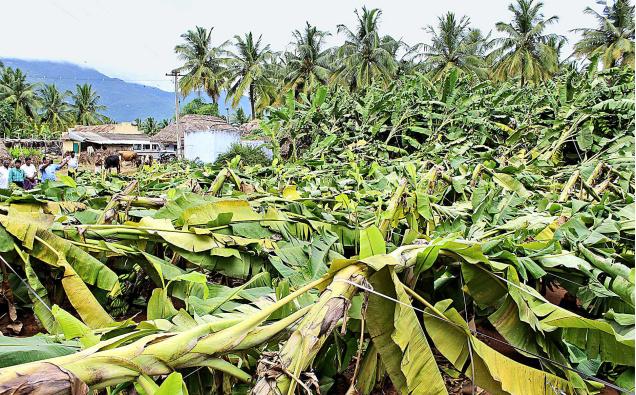
The widespread rainfall experienced by the district in the last few days had caused extensive damage to standing crop on 2,161 hectares across the district. The crop damage had affected as many as 2,535 farmers, according to V. Sampath, District Collector. The horticulture crops such as plantain raised on 65.73 hectares by 313 farmers too had suffered damages. The revenue, agriculture and horticulture officials have been inspecting the rain damaged fields to assess the loss suffered by the farmers. Mr. Sampath said that compensation to the tune of Rs. 20.30 lakh had so far been disbursed to people. While Rs. 9.50 lakh had been given to the relatives of three persons who died, Rs. 10.08 lakhs had been disbursed to 235 people whose houses were damaged. The farmers, who lost their cattle, were provided with a compensation of Rs. 72,000, the Collector said. Minister for State Highways and Minor Ports Edapadi K. Palanisamy, on Tuesday, inspected the Kumaragiri lake in the Corporation limits. He made enquiries with the officials about the new path and protection fence constructed recently. He inspected the supply channel of the lake and directed the officials to clean and maintain it properly. He directed the officials to ensure that the water released from the lake should not enter the residential localities and fields. He also urged people residing in the nearby residential localities not to let the drainage water into the lake. S. Soundappan, Mayor, V. Panneerselvam, MP, and K. R. Selvaraj, Corporation Commissioner, accompanied the Minister. The Minister also inspected the rain hit areas in Mettur taluk. He said that of the 30 tanks under the control of PWD and panchayats, four tanks were already overflowing. S. Selvaraj, DRO and S. Aneesh Shekar, Sub-Collector, explained the relief measures undertaken in the taluk. The heavy downpour received on Sunday night damaged the standing plantain crop in Poolampatti, pillukurichi villages in Edapadi block. Many plantains were totally uprooted. Source - http://www.thehindu.com

18.11.2015

India - State govt plans free cashless insurance for 40 lakh families

In what appears to be another move to placate the distressed farmers, traders and workers, the state government has come out with a comprehensive social security plan for them. The agrarian economy took a hit after the multi-crore rupee pesticide scam resulted in whitefly attack on cotton crop.Under the plan, the government proposes to offer free cashless health and personal accident insurance cover to over 40 lakh families of peasants, traders and landless workers in the state.A proposal to this effect, prepared by the Departments of Agriculture, Excise and Taxation and Labour, would come up for approval at the meeting of the state Council of Ministers, scheduled here, on Thursday, a top government functionary told The Tribune, here today.The development assumes significance as it comes at a time when the state is on the boil over the incidents of sacrilege and agrarian crisis, causing unrest among various sections of the society. Also, the initiative is aimed at wooing voters for the ensuing Khadoor Sahib Assembly by-election, which has become imminent following the acceptance of Congress MLA Ramanjit Singh Sikki’s resignation on Tuesday.Will be rolled out next JanUnder the proposed scheme, which is likely to be rolled out from next January, the government would offer health insurance cover of Rs 50,000 and accident insurance cover of Rs 5 lakh to ‘J’ form holder agriculture producers, who bring their produce to purchase centres of Mandi Board, registered VAT dealers and landless farmers in the state.The officer disclosed that the entire premium of the health and personal accident insurance cover would be paid by the state government to ensure social security and financial safety of these sections of the society.“The scheme mooted by Deputy Chief Minister Sukhbir Badal at a special meeting held here on Friday has been cleared by Chief Minister Parkash Singh Badal while the Cabinet would accord it a formal approval,” the officer revealed.The scheme would be covered under the existing Bhagat Puran Singh Sehat Bima Yojana (BPSSBY) of the Health and Family Welfare Department, which was launched on October 2. Source - http://www.tribuneindia.com

18.11.2015

USA - Crop Insurance Companies “Crying Wolf” On Budget Deal

The decision by Congress to cut the government-guaranteed profits of crop insurance giants will not “cripple” the industry, as some crop insurance companies claim. Contrary to industry complaints, the companies that benefit from the heavily subsidized federal crop insurance program make huge profits, pay their top executives millions of dollars annually and can easily afford to pull in their belts, according to a new analysis and interactive map by EWG. The Congressional budget deal that President Obama signed into law Nov. 2 is projected to generate $3 billion in savings for the taxpayers over the next 10 years. Lawmakers say they can achieve these savings by reducing the target rate of return for crop insurance companies from 14.5 percent to 8.9 percent, a profit margin that is still generous and well above the rate of return enjoyed by the insurance industry as a whole. “The savings laid out in the budget translate to a total of $300 million a year for the 17 companies selling subsidized crop insurance,” said Anne Weir, co-author of the analysis and EWG senior analyst of economics. “This number may sound like a lot of money, but taken in the context of the huge profits made by these companies and the salaries of their CEOs, it’s a drop in the bucket.  Still, it amounts to a win for taxpayers.” EWG found that 12 of the 17 companies approved to sell subsidized insurance are owned by larger corporations whose net worths range from $4.4 billion to $281 billion. The chief executive officers of these parent companies are paid between $468,000 to $22.1 million annually. Seven of those companies are headquartered in Australia, Bermuda, Canada, Ireland, Japan or Switzerland. A recent EWG report on crop insurance debunks the industry’s frequent argument that crop insurance is less costly than ad hoc disaster relief bills. A bill recently introduced in Congress would cut the bloated crop insurance program even further. Now, these crop insurance companies and their advocates are attempting to avoid the cuts to their government-guaranteed profits by encouraging Congress to find the savings from other programs in the appropriations process. “It’s ludicrous for these companies to claim that the Congressionally mandated reduction in their guaranteed profits would cripple the crop insurance program and hurt the rural economy,” Weir said. “Lawmakers should hold firm to their original decision to seek taxpayer savings from the huge profits flowing to some of the largest and most profitable companies on the planet.” Source - http://www.ewg.org

18.11.2015

Kazakhstan - N.S.T. New Science Technologies Ltd. Expands Its Operations

N.S.T. New Science Technologies Ltd. increases its capacities in order to meet a growing demand in Kazakhstan. The company declares its product, Cropio, to be a suitable tool for both an agricultural and state sector. Kazakhstan is considered to be the very first country in the Eurasian region to implement the satellite crop monitoring technology in order to facilitate development of the agricultural sector. Reforms driven by the Ministry of Agriculture of Kazakhstan are intended to increase efficiency of state support to the agricultural manufacturers. It also will stimulate the development of commercial agricultural insurance and country’s food production through the implementation of new technologies. “Kazakhstan is becoming one of the largest producers and exporters of agricultural products in the world. And still, with over 20 million hectares of a tillable land, there is a room for the efficiency growth that requires technologies like Cropio to be involved. Our previous experiences with agricultural sectors in other countries proved that expansion of Cropio’s client base is appreciated and welcomed by the state.” - says Anna Moren, the company’s spokesperson About N.S.T New Science Technologies Ltd: N.S.T is an agriculture-directed company with r&d and processing centres in US and Eastern Europe. Founded in 2008, N.S.T. is a developer and integrator of its core product, Cropio – field management and vegetation control system that enables its users to efficiently plan and carry out agricultural operations. Source - http://www.businesswire.com/

17.11.2015

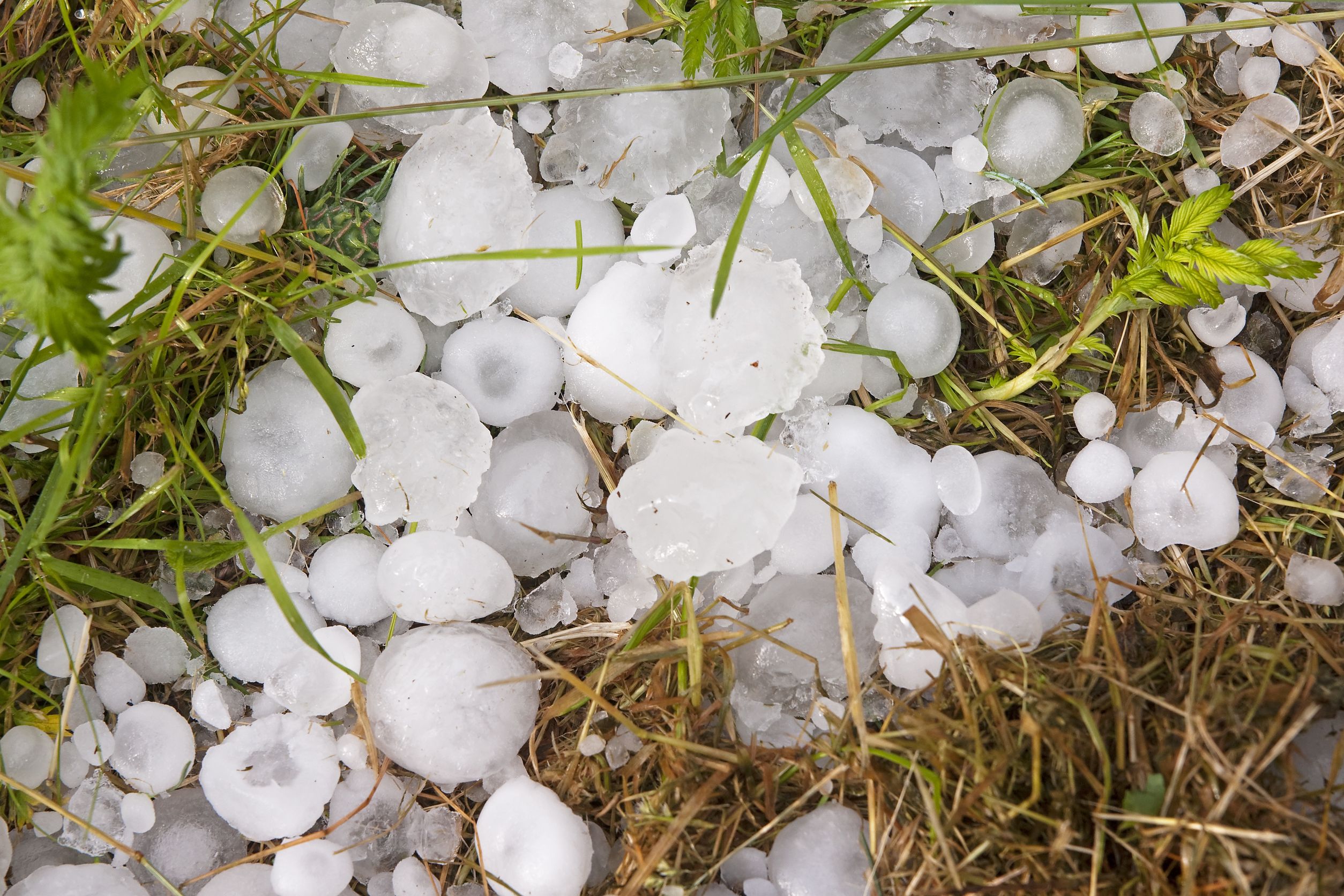
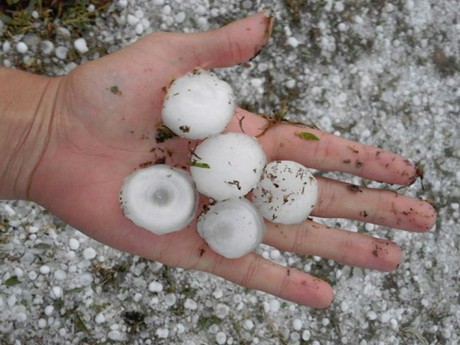
Australia - Hail storm wipes out 80 per cent of winter crop at Rannock

A FREAK hail storm has wiped out more than 80 per cent of winter crops at a farming district in the Riverina. The severe weather on Friday afternoon devastated crops and infrastructure at Rannock. Farmers in the district described the isolated storm as the most severe they had seen. Barry Dennis of “Kooringa”, Rannock had started harvesting canola and some was still wind rowed in the paddock. He has put early estimates of the damage at an 80 to 100 per cent loss. “We had finished and harvest a fair patch of canola, maybe about half of it,” he said. “It has knocked the house around a bit too,” he said. “There are no lupins left at all and there are paddocks of wheat where you would be lucky to find one head left standing,” he said. Mr Dennis said of all the crops barley was the worst hit. He said other farmers in the region experienced hail damage too. It was estimated the storm hit a band which was about two kilometres wide. “I have never seen a hail storm like this, nothing has escaped,” he said. The task has now turned to salvaging what is left. “We are chasing sheep feed now, some of the damaged crops can be used as stock feed,” he said. Mr Dennis said the weather event reinforced how important crop insurance is in managing the risk following from such a big loss. “We are lucky we are insured,” he said. Source - http://www.therural.com.au

17.11.2015

South Africa - Hail damages mango crop

Over the weekend there was a large hail storm in Hoedspruit in the Limpopo area of South Africa. This is the largest mango production region in the country, "The full extent of the loss to the mango crop in that region has not been established, but initial indications are that it could be around 20%," explains Derek Donkin CEO of Subtrop. Citrus is also grown in Hoedspruit, but the extent of the damage is not yet known. On Saturday and Sunday there were good rains in Nelspruit and Tzaneen areas, "This brought respite from the hot dry weather that we had been having for the preceding two weeks. More rain, however, is needed," according to Craig McBain, CEO from major avocado producer Halls. He said that the avocado production is further north in the Tzaneen area and was not affected by the hail. Source - http://www.freshplaza.com

17.11.2015

India - Govt finalises ‘simpler and easy-to-settle’ farm insurance policy

The Modi government is finalising a new farm insurance policy with lower premiums and simpler norms for prompt payments, a move aimed at finding a more lasting solution for increasing climate shocks such as droughts. Hoping to ameliorate a farm crisis and quell criticism that it is paying more attention to industrialisation, the whole point of a new farm insurance policy is to make it “simpler and easy to settle”, an official said, requesting anonymity. Less than a quarter of India’s farmers insure their crops under three state-bankrolled polices, which are cumbersome and archaic. A back-to-back drought in half the country this summer has shrunk farm incomes and stoked a rural crisis, posing a political challenge for the government. Farm insurance and compensation has been a complicated process that often relies on estimates of crop losses in a cluster of villages, rather than individual farms. Doles often go to absentee landlords, rather than sharecroppers and farm tenants. “All these aspects are being looked into,” the official said. Under the draft proposal, premium is aimed to be brought down to 3% from the current levels between 3.5% and 8%. The insurance scheme will be tied to agro-climatic and land conditions – such as hilly, rain-fed and irrigated – that determine farm output, rather than just crop value. For certain vulnerable categories of farmers, the government will propose to cap the premium at a certain level. The Modi government’s proposal, which will come up for the Cabinet’s approval, may require certain categories of farmers who take farm loans – and are thus ‘risk-taking’ – to compulsorily buy insurance, the official said. As droughts or untimely rains become frequent, farm incomes have little protection in a country where agriculture supports half of the population. Many farmers exposed to risks commit suicide. “The objective is to make it hassle-free. If it’s not hassle-free, it will not be popular, as has been the case so far,” an official said, requesting anonymity. Unlike in India, where a drought nearly always stokes a crisis, in countries such as the US, farmers make the biggest profits because of insurance when crops fail. In 2012, for example, when US corn farms wilted under the fifth-most severe drought, aggregate farm profits went up 3.7% due to insurance payouts, according to the US department of agriculture. An inter-ministerial panel – which includes the home, finance and farm ministries – is steering the proposal. It recently reviewed the draft scheme and will meet again shortly, the official said. The NDA government aims to make agricultural insurance in India universal and popular, which will automatically take care of losses in farm income without the need for laborious, clumsy state interventions that often don’t work. Source - http://www.hindustantimes.com

17.11.2015

USA - Flooding tests S.C. farmers’ insurance planning

Before facing an unprecedented flood, South Carolina farmers faced a dramatic shift in coverage on damaged crops. The 2014 Farm Bill eliminated direct, guaranteed payments to farmers. Now, the amount South Carolina farmers can recoup from the estimated $300 million in losses will depend on the private insurance they acquired. Experts at a Clemson University event urged growers to contact insurance agents immediately and pointed to a few government programs that might provide assistance. “The (federal) farm programs have changed dramatically,” S.C. Agriculture Commissioner Hugh Weathers told farmers at a field day at Clemson University Edisto Research and Education Center in Blackville. “We deal with risk mitigation through insurance now. Whole different ball game.” Weathers called his agency’s $300 million loss estimate conservative. Even in fields where water has receded, the ground remains too saturated and soft for harvesting equipment. As crops sit, quality suffers from disease, insect damage, mold and fungus, Weathers said. Farmers should get insurance adjusters to their properties to assess damages, said Harry Ott, South Carolina director of the Farm Service Agency, which manages government-assistance programs. “Any direct money you are going to get is going to come through your crop insurance,” he said. “I hope everybody bought the max that they could buy. I know that’s not the case. I know some of us bought the least that we could buy.” Farmers with irrigation systems, particularly, were unlikely to invest in insurance because the irrigation was meant to protect them from drought, Ott said. “Most of the time when we have losses, it’s because of dry weather,” he said. Some government programs can help, however, Ott said. The federal Emergency Conservation Program can provide farmers assistance in removing debris and repairing damage to fields, waterways and ditches. Farmers should apply with the FSA. Farmers also can apply with the Natural Resources Conservation Service for assistance in repairing damaged roadways, Ott said. Additionally, Ott said farmers may receive payments from the federal Agriculture Risk Coverage (ARC) or Price Loss Coverage (PLC) programs, 2014 Farm Bill programs that replaced the guaranteed direct payments under previous federal policy. ARC and PLC may provide some revenue protection based on countywide average yields or market prices, respectively, but payments are variable and uncertain and cotton is no longer covered under the program. ARC and PLC payments that came in October cover last year’s crop, not current crops that are in significant distress. Source - http://thetandd.com/

17.11.2015

India - More help on way for drought-hit farmers

After announcing a drought relief package of Rs 1,350 crore, the state government on Monday decided to distribute subsidized seeds and pay premium against crop insurance on behalf of the farmers. The council of ministers approved 75% subsidy on seeds meant for rabi sowing in 2015 and further extend the relief till the 2016 kharif season. The government also decided to bear the farmers' share of premium for crop insurance payable under the national agriculture insurance scheme — Rs 12.03 crore was sanctioned towards farmers contribution which is going to be compensated by releasing the money directly into the accounts of farmers. Additional chief secretary (home) NN Pandey said since most of the farmers have already paid their insurance premium the amount would be transferred to their accounts. According to the survey conducted by agriculture department Kharif crop in different districts have suffered badly in the wake of poor monsoon towards end of the season. Rough estimates place the loss in the range of 30-40% of the upland crop in different districts. Delayed sowing and delayed harvest of Kharif is likely to adversely affect Rabi sowing for which cabinet decided to take some pre-emptive steps. The cabinet cleared 36 proposals, including the decision to extend mukhyamantri daal-bhaat scheme at night as well. Till date cheap food was available at the Daal-bhaat centres at day time only. "Two night centres would be set up in Ranchi and Dhanbad and one each has been sanctioned for Hazaribagh, Jamshedpur and Palamau district," Pandey said. That apart six model daal-bhaat centres were approved by the cabinet to be set up at Ranchi, Dhanbad, Hazaribagh, Palamu, Deoghar and Jamshedpur. These model centres would have enhanced facilities for those coming to the centres to have cheap meal. "The model centre would comprise proper sitting arrangement and dedicated space for people to sit and a shed," Pandey added. The cabinet's decision also focused on various projects conceived by National Ganga River Basin Authority. Gair Majarua (GM) land has been sanctioned to the authority in Sahibganj district for, intermediate pumping station, solid waste management, sewerage pumping station, main pumping station and sewerage treatment plant. Land was also pledged to Urban Development and Housing department for developing sewerage treatment plant and low cost sanitation project in the district. The council of ministers also approved land to National Thermal Power Corporation (NTPC) Limited in Keredari, Katkamdaag and Barkagoan in Hazaribagh district for coal mining projects and for Railway siding project. The cabinet also decided to establish Motor Vehicle Accident Claim Tribunals in Dhanbad and Jamshedpur for fast settlement of accident related claims. Source - http://timesofindia.indiatimes.com

17.11.2015

Philippines - Crop insurance MOA inked

Negros Oriental farmers can now look forward to have their rice and corn fields, including high value crops, livestock and farm equipment and machineries insured with the Philippine Crop Insurance Corporation. This was after the PCIC, represented by president Jovy Bernabe, and the provincial government, headed by Gov. Roel Degamo, signed a memorandum of agreement yesterday, to ensure that the harvest and equipment of the farmers will be insured. Negros Oriental has about 244,613 farmers listed in the Registry System for Basic Sector in Agriculture during the 2012 census. But with only P1.6 billion budgeted for next year all over the country, Negros Oriental was allotted with funds for only 14,400 farmer-beneficiaries, even if the enrolment has already reached 33,347 as of this month, and the insurance exposure is more than P455 million, in case of disasters and calamities. Norman Cajucom, senior vice president of the Regional Marketing Group of PCIC, said that in terms of investments, PCIC's target is P415 million, with a generation, so far, of P535 million worth of farm investments. Aside from rice and corn, PCIC is fully subsidizing the insurance for livestock, like poultry, cattle, and swine, in addition to aquaculture farms, Cajucom added. This year's allocation is about P33 million for Negros Oriental, but as of October, more than P54 million have been appropriated and the listing continues, he said. Bernabe told Degamo that the insurance program hopes to cover 50,000 farmers all over the province, while Negros Occidental is already benefiting from it since three years ago. Two weeks ago, PCIC had allotted P1 million to areas hit by El Niño in Occidental Negros, he said. Degamo said the MOA signing yesterday sealed a previous agreement between PCIC and the province to provide for the insurance of Negros Oriental farmers. Degamo had requested for an authority from the Sangguniang Panlalawigan for him to sign the MOA with PCIC, so farmers can avail of needed help from the national government following the onslaught of typhoons and calamities in Negros Oriental. PCIC regional marketing manager, Crescencio Deligero Jr., has confirmed that the provinces of Cebu and Bohol were among the firsts to benefit from the insurance program, after the devastation to crops and livestock due to several typhoons. In Negros Oriental, 102 farmers were paid P577,000 as of October this year, because of the army worm attack in farmlands of Mabinay, affecting more than 30 farmers, and 16 hectares of upland rice, affecting 22 farmers. There were also damage to corn planted in 72 hectares, affecting 77 farmers in Bayawan, parts of Zamboanguita, and Valencia, who were paid P434,000 as insurance claims, Deligero said. The MOA signing was also attended by Antonio Uy, vice president for corporate business affairs group, director Epifanio Maniebo, Provincial Agriculturist Greg Paltinca, Provincial Administrator Richard Enojo, and Provincial Veterinarian Nestor Villaflores.*JG Source - http://www.visayandailystar.com

16.11.2015

USA - Crop insurance payments less likely in 2015

As the 2015 corn and soybean harvest season is wrapping up, some producers have wondered if there will be any 2015 crop insurance payments, given the decline in crop prices. In 2014, many farm operators in Minnesota and northern Iowa had crop yields that were well below average, along with lower crop prices, resulting in some fairly large 2014 crop insurance indemnity payments on corn and soybeans. Most crop producers in the Upper Midwest had above average yields in 2015, and crop prices have not dropped as dramatically, which will make 2015 crop insurance payments less likely. Many crop producers in Illinois, Indiana, Ohio, Missouri, and other states are realizing final 2015 corn and soybean yields that are below their crop insurance actual production history (APH) crop yields. Many of those producers that have a revenue protection (RP) crop insurance policy in place in 2015, may be able to collect a crop insurance indemnity payment on the crop losses incurred this year. The situation in the Eastern and Southern Corn Belt in 2015 is very similar to crop insurance scenario that existed in the Upper Midwest in the 2014 crop year, though the payment potential is somewhat less. As of Nov. 1, the USDA Risk Management Agency (RMA) finalized the 2015 crop insurance harvest prices at $3.83 per bushel for corn, and $8.91 per bushel for soybeans. The harvest prices for Revenue Protection (RP) insurance policies are based on the average CBOT December corn futures price, and the average CBOT November soybean futures price, during the month of October. The harvest prices will be used to calculate the value of the 2015 harvested crops. The established base (spring) prices for 2015 RP and Yield Protection (YP) crop insurance policies were $4.15 per bushel for corn and $9.73 per bushel for soybeans. The base price will be used to calculate RP crop insurance revenue guarantees for corn and soybeans. Many crop producers carried 75 percent, 80 percent, or 85 percent RP crop insurance coverage on their 2015 corn and soybean crops. The level of insurance coverage will be a big factor in determining the amount of insurance indemnity payment that is received for crop revenue reductions this year. For example, a producer with a corn APH yield of 190 bushels per acre, carrying a 75 percent RP insurance policy in 2015, would have a revenue guarantee of $591.38 per acre. By comparison a producer with the same APH yield, and an 80 percent RP policy, would have a 2015 revenue guarantee of $630.80 per acre, and a producer with an 85 percent RP policy would have a revenue guarantee of $670.23 per acre. If the actual farm yield for 2015 is 160 bushels per acre, which will be common in some areas of the Eastern Corn Belt, the producer with a 75 percent RP policy would not receive a 2015 crop insurance indemnity payment for corn revenue losses. By comparison, the producer with an 80 percent RP policy in 2015 would receive a gross crop insurance indemnity payment of $18.00 per acre, and the producer with an 85 percent RP policy would receive a gross indemnity payment of $57.43 per acre. Farm operators that incurred yield losses, and had an 80 percent or 85 percent RP crop insurance policy in place on their 2015 corn and soybean crops are more likely to receive a 2015 crop insurance indemnity payment. The 2015 RP crop insurance harvest price of $3.83 per bushel for corn is a decline of 8 percent from the RP price guarantee of $4.15 per bushel. Similarly, the 2015 soybean RP harvest price of $8.91 per bushel is also about 8 percent below the RP price guarantee of $9.73 per bushel. The reduction of crop prices from the RP price guarantees to the final harvest prices will result in crop insurance indemnity payments being initiated at higher final yield levels. The drop from the spring prices to the harvest prices in 2015 were not nearly as large as the percentage price drops in 2014. A producer with an APH corn yield of 190 bushels per acre would have crop insurance indemnity payments initiated at a final 2015 corn yield of 174 bushels per acre with an 85 percent RP policy, 164 bushels per acre with an 80 percent RP policy, and 154 bushels per acre with a 75 percent RP policy. A producer with an APH soybean yield of 50 bushels per acre would have 2015 crop insurance indemnity payments initiated at a final soybean yield of 46 bushels per acre with an 85 percent RP policy, 43 bushels per acre with an 80 percent RP policy, and 40 bushels per acre with a 75 percent RP policy. A reputable crop insurance agent is the best source of information to make estimates for potential 2015 crop insurance indemnity payments, and to find out about documentation requirements for crop insurance losses. It is important for producers who are facing crop revenue losses in 2015 to understand their crop insurance coverage, and the calculations used to determine crop insurance indemnity payments. When utilizing RP crop insurance coverage, every year is different, due to the interaction between yield reductions and crop price changes from the base price to the harvest price. Source - http://www.farmandranchguide.com

910
of 1224