NEWS
914
of 1224
News
04.11.2015

India - Drought in Odisha likely to force insurer to take a Rs 1000 cr hit

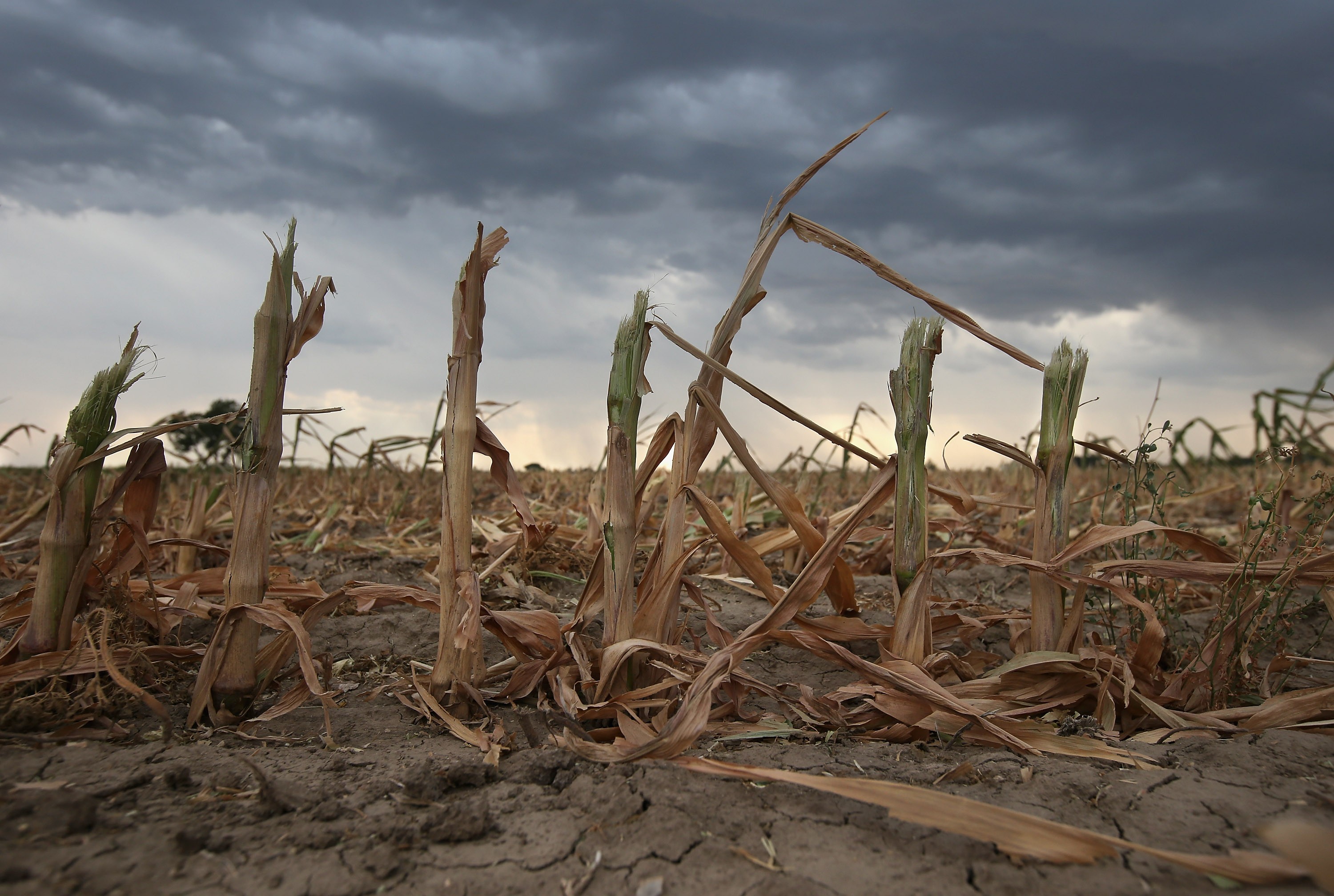
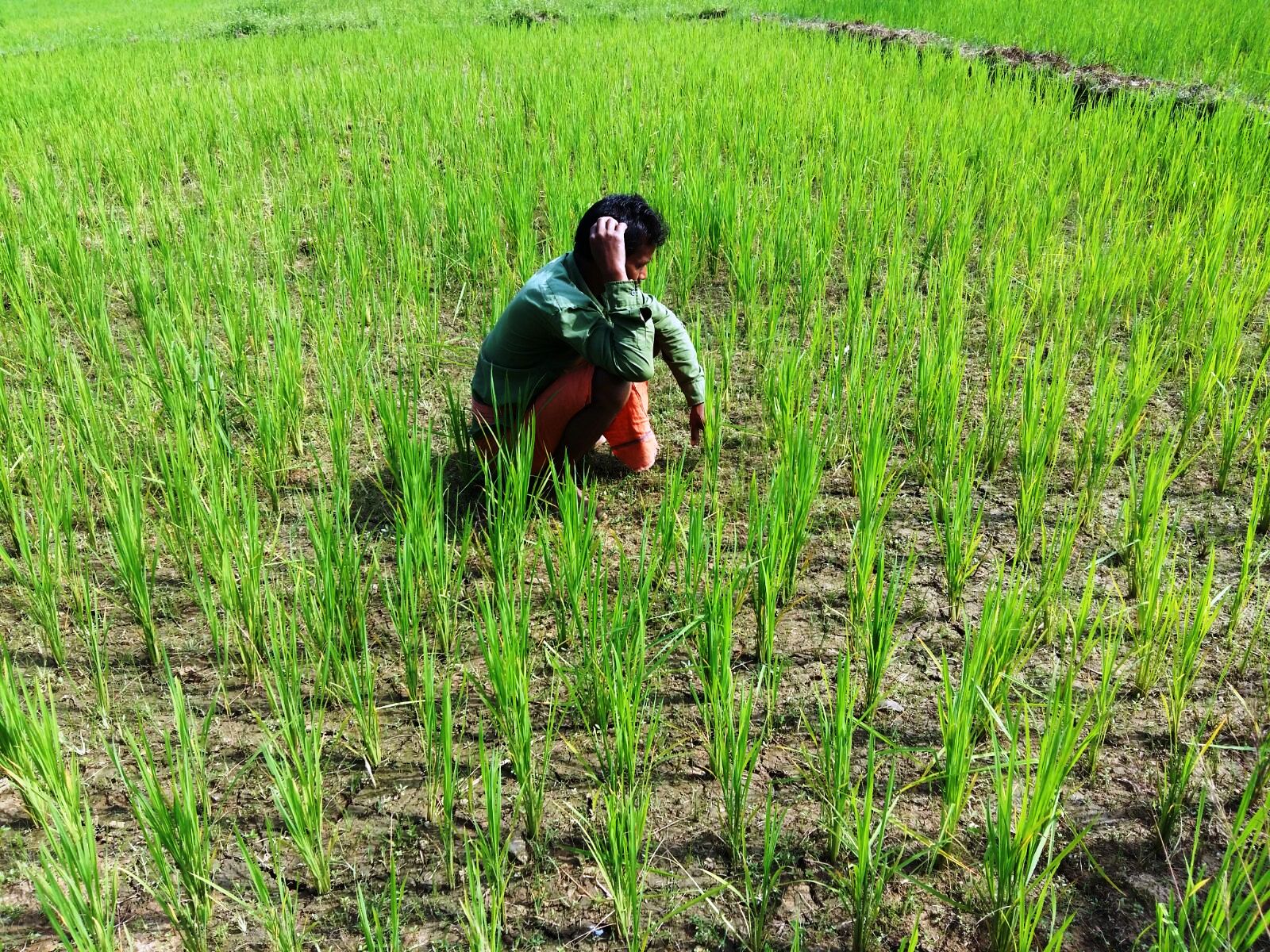
Drought in Odisha is likely to hit the crop insurer of the Kharif 2015 severely. Officials estimate the claims to be settled under crop insurance may touch Rs 1000 crore, surpassing all previous records. The state government has declared 139 blocks in 21 out of total 30 districts as drought affected and crops in 5.32 lakh hectares have been damaged. In Odisha, the National Agricultural Insurance Scheme (NAIS) (Rashtriya Krishi Bima Yojana) is being implemented by the Agriculture Insurance Company of India Limited (AICIL). As on October 31, as many as 17,15, 000 farmers (including 1.5 lakh non loanee farmers) covering 15,11, 000 hectares of land have been covered under the scheme with a sum assured of Rs 5598.15 crores. The sum assured may further grow to Rs 6600 crore by November end covering 20 lakh farmers. All farmers growing insurable notified crops in the notified defined areas and availing loans from financial institutions are loanee farmers and are covered compulsorily under the NAIS. The scheme, however, is optional for non loanee farmers, who are growing insurable notified crops and have not availed institutional loans. The Odisha government has identified 10 crops to be covered under the NAIS for 2015 crop season. These are paddy, maize, groundnut, niger, red gram, cotton, jute, turmeric, ginger and banana. Gram panchayats, notified area councils and municipalities have been taken as unit for insurance of paddy. For rest of the crops, block is considered as the unit area for assessment of crop loss. Since paddy is grown all over the State, all the 30 districts have been identified as insurance coverage area. Major crops like groundnuts and maize is insured in 15 and 10 districts respectively. As far as niger, cotton, red grams, jute, turmeric, ginger and banana are concerned, farmers in selected blocks in some districts are covered under the scheme. "Given the prevailing conditions in the state, the claims settled this year may be the largest one in the history of Odisha. It will eclipse all the claims settled previously especially the whopping Rs 683 crore in 2011 when both flood and drought struck the state", Dasarathi Singh, deputy general manager, AICL (Bhubaneswar regional office) told Business Standard . In 2011, claims worth Rs 683 crore were settled in favour of 5, 99,000 farmers. Similarly, in 2013, when very severe cyclonic storm Phailin hit the state, claims worth Rs 397 crores were disbursed to 3.73 lakh peasant beneficiaries. The next year, when Hudhud struck the state, 1.75 lakh farmers claimed damage compensation. AICL is waiting the crop cutting experiment report which is likely to arrive by the end of March 2016 to calculate the extent of crop loss. Any claims over and above the premium collection in case of cereals, oil seeds and pulses will be shared between the Centre and the state equally. Source - http://www.business-standard.com

04.11.2015

Canada - Farmers Filing Crop Insurance Claims

The Saskatchewan Crop Insurance Corporation is gearing up for an influx of claims prior to the November 15th deadline. About 4,200 claims have been filed to date. Sask Crop Insurance says 2,236 post-harvest claims have been settled, totalling $28.6 million. The five year average (2010-2014) for post-harvest claims is 9,533 providing $175.8 million in payments. Claims are filed when a producer's actual crop yield and/or quality does not meet their coverage level. Darby Warner is the Sask Crop Insurance Corporation's Executive Director of Insurance. "In a normal year, claims don't really start to ramp up until between now and November 15th. This year with harvesting a little bit late and lots of producers having little spots of crop left in the field, I'm expecting that with the weather turning to the bad side that we'll get more of those claims coming in the next couple of weeks." Warner says it is too early to say if the 2015 claim load will be higher than usual. "We're expecting it to be about a normal year, maybe a little bit higher than normal." It is safe to assume that the majority of claims will come from the drier, western half of the province. "Right now, I think a trend is already starting to show that the area that suffered from the dry conditions in late June and early July will have the most claims for sure," Warner says. Producers with crop still in the field after November 15th should request an extension of insurance. Wildlife claims filed on crops that are overwintered without an extension may not be eligible for compensation. Source - http://www.saskatoonhomepage.ca

04.11.2015

Australia - Katter believes multi-peril crop insurance could be the saviour for farmers

Queensland MP Robbie Katter believes multi-peril crop insurance could be the saviour of the Australian rural industry. The Katter Australia Party state leader returned from a multi-peril crop insurance summit hosted by the NSW Government in Sydney enthusiastic about a scheme he said would keep families on farms. Multi-peril crop insurance protects crops against natural perils including adverse weather, fire, insects, disease, and failure of irrigation water. Mr Katter believes it has the potential to "turn the tides" for the struggling sector. "Agriculture is a game of snakes and ladders, and the snakes will always be there to tear your crop down," he said. "This just takes the snakes out of the snakes and ladders game." Last year, following a failed season, a Queensland farmer was awarded $944,000 by insurance company Latevo, in partnership with Allianz. It was the largest payout under the initial offering of multi-peril crop insurance in Australia. Slow start for multi-peril insurance in farming sector The option initially received a lukewarm response from the rural sector, with just 29 farmers taking up the insurance across the country. NSW Minister for Primary Industries Niall Blair said the summit was aimed at supporting the development of the multi-peril insurance market, and offering the farming sector another tool to manage the risks it faced. Mr Katter believed the key to the viability of such insurance for insurers and farmers was for state governments to offer tax incentives to offset the cost of premiums, with the knowledge that the returns would make such an investment worthwhile. "The lending attitudes would change," Mr Katter said. "So if you have more security around your income, then the bank is going to like you more." Under the current system, if a farmer has a bad season, he might only be able to borrow $50,000 from the bank to plant the next crop, and if an entire community of farmers wound up in the same predicament, it would spell economic disaster for local businesses. "But if we all have multi-peril insurance, the banks have a lot more security associated with that cash flow and they might lend you $100,000 and you've doubled the production in that district," Mr Katter said. "So there's a very strong economic argument for the government that the tax benefits of having all that extra production... can offset any costs at the front end." Academic says government support is needed Mr Katter's views are supported by United States professor of agricultural economics, Dr Vince Smith, who has studied the rollout and implications of multi-peril insurance in his own country. Earlier this year, Dr Smith told the ABC the US Government paid out $80 billion a year in federal crop insurance, adding that no private insurer could survive a year without government assistance. Meanwhile, Mr Katter, who was the only Queensland representative at this week's summit, said he was "far from ready" to make a recommendation to the Queensland Government on multi-peril insurance. But the summit had given him a better understanding of how it could work. "We've made some essential contacts and we'd be hoping to bring them in as part of the rural taskforce discussions to address rural debt in Queensland," he said. Source - http://www.abc.net.au

03.11.2015

USA - Apple crop loss in 2012 prompts growers to diversify, strengthen

The 2015 apple yield is proving to be healthy, with the crop "evening out" since a disastrous spring frost in 2012 wiped out the crop. However, the frost event prompted growers to diversify in a way that is proving healthy for their businesses, a horticulture expert explained. "In terms of the production of the trees, they are starting to even out since 2012," said Robert Tritten, of Michigan State University Extension. "We had a wonderful crop in 2013, and then a crop that was a little bit short in 2014. And now we are having another very nice crop in 2015." Fruit is an extremely important component of Michigan's agriculture industry, Tritten pointed out, with the apple crop leading the way as the largest fruit commodity in terms of money generated. "Michigan is the third largest producer of apples in the entire country," he said. "Michigan is really known for its unique position in growing a wide variety of fruits and vegetables. We are ranked second only to California in the value and diversity of our fruit and vegetable industry." Michigan is a very special place for fruit growers. The more moderate winters created by the Great Lakes combined with warm days and cool nights in early fall that produce sweet flavor make Michigan an ideal place for fruit, according to Tritten. The frost of spring 2012 was so unusual that Michigan hadn't experienced a similar frost since World War II, he said. But the highly unusual spring frost that wiped out the 2012 crop made apple growers "get more creative," as Paul Blake of Blake Farms put it. Blake Farms was founded in 1946 by Peter and Paul Blake's parents and continues to be a family-run business, with three locations in metro Detroit and about 900 acres in production with 100 devoted to apples. Like another local, historic Macomb County orchard – Westview Orchards in Romeo – the 2012 frost prompted Blake Farms to diversify. While Westview began a winery, the Blake family started a hard cider operation. "We're recovering very well," said Paul Blake. "We had zero apples that year, and it made us diversify a bit, get a little more creative. Because of that year, we started our hard cider production so we could have a year-round business. In years that we have lots of apples, we can now make more cider. You know, sometimes when you have something bad, something good comes out of it." Paul Blake said the two-year-old hard cider business has been very good for Blake Farms. "Our hard cider company is taking off and it's been well-received by the public," he said. "We're all over Michigan now and going into other states." Blake's Hard Cider is now carried by Kroger and Meijer grocery stores, he said. The product seems to have found a niche with "the younger generation," he added. "Hard cider is becoming as popular as beer with young people," said Paul Blake. Tritten said it is becoming increasingly difficult for traditional apple orchards to survive if they fail to diversify in some way. "A number of our farms, especially in the metro Detroit area, are doing what we call 'agri-tourism,'" said Tritten. "That would include things like wagon rides, petting farms, jumping pillows, and corn mazes – all things folks love to do in Michigan in the fall out on the farm." Tritten said diversification makes the businesses more sustainable in a time of worldwide competition. "Some orchards are also offering bakery items, while others are expanding to wine and hard cider," he said. "All this is helping bring sustainability to the orchards. Worldwide competition for apple production makes it hard for apple growers to make enough income to support their families by just growing apples and selling them to a grocery store." However, the core of orchards like Blake's remains apple production. Paul Blake said that crucial area of the business is thriving. "We have a very good crop," said Paul Blake. "We actually think it is a higher-quality crop than last year. Size was better. We had enough moisture to size the apples early in the year, and we didn't get any frosty nights that deformed the blossoms." Orchards like Blake Farms are benefiting from a movement to "buy local," explained Tritten. "Many consumers are deciding they want to support locally grown fruits and vegetables," he said. "It's another reason for the growth in farms and orchards that sell what they grow directly to the public." But when asked what he expects of next year's crop, Paul Blake laughed. "That's a tough question to ask anyone in the farming industry," he said. "Mother Nature is a lot more unpredictable than a regular business plan can account for. A higher power than us is going to determine next year's crop, but we're diversified enough at this point that we can weather a lot of storms." Source - http://voicenews.com

03.11.2015

USA - USDA RELEASES MAPS SHOWING ARC-COUNTY PROGRAM PAYMENTS

USDA’s Farm Service Agency released a series of maps Friday detailing the range of haves and have-nots when it comes to payments under the Agricultural Risk Coverage program.  While FSA announced more than $3.9 billion in commodity payments starts to go out this week to roughly 800,000 farmers, FSA staff are concerned at least some farmers don’t understand the nuances of the ARC-County program. It isn’t like the old Direct Payments program because not everyone is going to receive a check. Even though corn prices fell from a national market average of $4.46 a bushel for 2013-14 crops to an average price of $3.70 for the 2014-15 crop, the lower prices didn’t trigger ARC-County payments in counties where higher 2014-15 corn yields made up for the difference in the lower prices. Effectively, a bumper crop could wash out the impact of low prices and not trigger a payment. ARC-County was created as a risk-management tool to complement crop insurance and shift farmers away from Direct Payments paid regardless of market conditions. Farmers throughout most of Missouri saw historically high corn yields in the 2014 harvest, so only a couple of counties triggered any kind of ARC payment. The same holds true for most of Mississippi, Alabama and Tennessee, as well as southern Illinois, southeast Kansas and northeast Oklahoma. Strong average county yields in those areas pushed farmers above the ARC revenue guarantee and out of the range for program payments. The reverse is true for corn farmers in Minnesota, Wisconsin, Michigan, Ohio and larger parts of Iowa, Nebraska and the Dakotas. FSA maps show county yields weren’t enough in those areas to overcome lower corn prices. Thus, farmers in those areas show average county revenue below the historic averages. They are going to collect ARC-County payments for that 2014-15 crop. Fewer counties nationally generated payment for soybeans. The national market average price for the 2014-15 crop for soybeans was $10.10. For wheat, ARC-County generated payments predominately in the Southern Plains — Kansas, Oklahoma and Texas panhandle — as well as the major growing counties in Washington state, Oregon and northern Illinois. For a full look at ARC-County payments for corn, wheat and soybeans, go to http://www.dtn.com/… ARC-County payments are going out for most major crops around the country such as corn, soybeans and wheat in counties where actual revenue fell below the calculated revenue guarantee. ARC’s companion program, Price Loss Coverage, did not generate payments this year for crops other than peanuts and long-grain rice. Payments for long-grain rice are expected to start going out as early as next week. For farmers in a state such as Missouri — largely left out of any commodity payments this year — next year would likely be a different scenario, said Pat Westhoff, director of the Food and Agricultural Policy Research Institute at the University of Missouri. “There’s a lot of envy out there right now,” Westhoff said. Missouri corn and soybean farmers would be more likely to generate an ARC-County payment next year because of the wet conditions this year that hampered planting season in the state. Westhoff said he thinks farmers understood the ARC scenarios given that Missouri had one of the larger enrollments in Price Loss Coverage for corn. A lot of economists during enrollment projected PLC could eventually become a better program over the five-year stretch of the farm bill, particularly if commodity prices remain lower. HOW PAYMENTS ARE CALCULATED Agricultural economists and other similar bean counters have been waiting for FSA to release the full set of county yield data used to generate the calculations. FSA officials said Friday they expect to put out that information next week. For the vast majority of central cropping areas, FSA uses the county yields produced by its sister agency, the National Agricultural Statistics Service. For crops for which it was harder to get a solid yield from NASS, FSA officials used crop insurance data, as well as NASS district data. In the edges of growing regions and some crops or counties, FSA had to turn to its state committees to fill in yield data. County yields are used two ways to calculate ARC payments. The county yields are multiplied by the national market-year average price for the commodity to generate a revenue calculation. For instance, a county with an FSA corn yield of 177 bushels an acre will be multiplied by the $3.70 national market-year price for actual revenue of $654.90 an acre. That actual revenue — $654.90 an acre in this example — then is compared against the ARC benchmark and revenue guarantee. Those numbers — the benchmark and revenue guarantee — come from historical numbers for the county yields and national average. The ARC revenue benchmark is a compilation of the last five years of yields for that county and the last five years of national prices for corn. Those are Olympic averages, so the high and low yields and prices are struck out and the three years of prices and yields that are left are used to calculate the benchmark. FSA provided an example of a county with a historic Olympic yield of 160 bushels an acre with the Olympic average national price for corn of $5.29 a bushel. 160 bushels x $5.29 generates an ARC benchmark revenue for that county of $846.40. If the ARC benchmark calculation is $846.40 an acre, that figure is then multiplied by 86% to generate the ARC revenue guarantee. In this case, that’s $727.90 ($846.40 x 0.86 = $727.90). Since the county actual revenue for corn was $654.90 and the revenue guarantee in that county for the 2014-15 corn crop was $727.90, then everyone signed up corn base for ARC-County in that particular county is going get a payment of $73 an acre. ($727.90 – $654.90 = $73 an acre.) If a county with that $846.40 per acre ARC benchmark had even lower yields, the payment could go as high as $84.64 an acre. But payments are capped at 10% of the ARC benchmark. HIGH YIELDS NEGATE SOME PAYMENTS How does a county get pushed out of an ARC payment? If that same example county had an FSA yield of 197 bushels an acre, then there would be no ARC payment for anyone in the county. 197 bushels per acre x $3.70 = $728.90 an acre, which tops the ARC revenue guarantee of $727.90. Wait. We’re not done. Once the per-acre payment calculation is done, two other steps must occur. ARC payments are made on 85% of base acres for that commodity. So, if a farm has 1,000 base acres of corn, the payment would be for 850 acres. That payment then is subject to a 6.8% reduction because of the federal sequestration cuts. This is the kind of calculation that has to be done for each commodity in every county. The 2014-15 county yields and the national average price will now be rolled into the ARC-County five-year Olympic averages, replacing the numbers from the 2009 crop year. That will change the ARC benchmark and revenue guarantees for the 2015-16 crop. Keep in mind that ARC and PLC payments are subject to payment caps of $125,000 for an individual and $250,000 for married couples. Also, remember that the adjusted gross income cap for a person to collect farm program payments is now $900,000 — averaged over three years. ARC-County payments are based on the administrative county of the farm. If a farm is located in one county but administered in another county, the ARC-CO payment rate in the administrative county will determine the payment rate. FSA will be providing further information soon to address concerns where payments based on the administrative county may differ from payments based on geographic location of farms. Source - http://kticradio.com

03.11.2015

India - Making agriculture sustainable through PPPs

In the years since its independence, India has made immense progress towards food security. Indian population has tripled and foodgrain production more than quadrupled; there has thus been substantial increase in available foodgrain per capita. However, agriculture has the potential for major productivity and total output gains increase because crop yields in India are still just 30% to 60% of the best sustainable crop yields achievable in the farms of developed as well as other developing countries. Additionally, losses after harvest due to poor infrastructure and unorganized retail has led India to experience some of the highest food losses in the world. Several studies suggest India could eradicate hunger and malnutrition, and be a major source of food for the world, by striking a balance between calories and nutrition with a focus on better farming practices and adopting protein-based crops; encouraging food processing industry to make alternate crops worthy of consumption; developing rail and road infrastructure and cold chains; enhancing the food safety and commercial and regulatory environment. Clearly, there is need for change and to create an enabling environment for agriculture that needs to respond not only to longstanding issues and challenges, but also to newer realities. The natural resources on which agriculture is based—land and water, above all—are becoming degraded and there is growing competition for their use. Climate change is already exacerbating this situation, making agriculture more risky, and it will have an even greater impact in the future. A major game changer for the agricultural sector can be the public private partnership (PPP) model. PPPs, which bring together the collective power of all the stakeholders in the agricultural ecosystem—the government, private companies, and even education and research and development—can transform the sector at multiple levels. With the government providing and co-financing the back-end of the value chain, and the private sector and farmer contributions doing the rest, the agricultural sector can still remain as a primary engine of rural growth and poverty reduction in India. The PPP model can be used effectively for the following: Investing in smarter value chains The government and private sector can come together, for instance, to spur the development of the food-processing industry—one of the sunrise sectors within the agricultural domain. It is important that the industry expands its mandate to go beyond just increasing the shelf life of food, preserving food nutrients and providing fortified products. Rather, the processing industry, supported by investments by the government and the private sector, can now look at providing farm extension services, enhance price realization, cut out intermediaries and improve the supply chain through forward and backward linkages. An important role of the government, besides funding through the PPP, will also be to create an enabling environment for private investment. This needs to be done through tax rationalization, duty exemptions, increase in public spending, priority sector lending and foreign direct investment (FDI). It is steps such as these that will catalyse private sector investments in supply chain infrastructure and services, leading to a reduction in waste and greater value-addition. Improving access to credit, technology and markets PPPs are needed that introduce India’s agricultural sector to the state-off-the-art. Information technology (IT) and biotechnology have the potential to transform agriculture, raising its production levels and outputs. PPPs targeted at offering farmers vital information, methodologies as well as new-age tech tools are the need of the day. Technology can bring to farmers critical knowledge and guidance on matters related to crop rotation, weather patterns, fertilizer use, going organic—all at the click of a few keyboard keys, or better still, a simple text message on from their mobile phones. Biotechnology, meanwhile, can equip growers with techniques that help them develop high-yield crops, manage pests, better utilize waste water and focus on nutrition. The beneficial impact of technology has found reflection in the remarkable turnaround and breakthroughs that have been made in the cereal production industry. This success can be replicated in crucial areas, such as oil seeds and pulses, which are highly import-intensive, through PPPs. In the same way, PPP projects, targeted at helping farmers connect with their marketplaces and financial institutions for micro-funding, can usher in massive alterations in the rural economy. Building farmer resilience to environmental shocks India’s farmers are constantly threatened by adverse weather and environmental conditions that spell disaster for their produce. Extreme situations,such as flooding and droughts, constantly plague India’s farming community, and PPPs that immunize the agricultural sector against the vagaries of nature can be lifesavers. In fact, in a country where farmer suicides are common, such interventions can actually save lives. PPPs that help the agricultural sector deal with weather shocks, and enable farmers to de-risk themselves through insurance, etc., can emerge as a crucial helping hand. While PPPs in the agri-space are not commonplace, they now need to be. A start has already been made by the Maharashtra government, which has rolled out its Maharashtra Public-Private Partnership for Integrated Agricultural Development (PPPIAD) project. PPPIAD, a successful PPP enterprise, is showing the way to other Indian state governments. Under the aegis of this initiative, Maharashtra—the first state to take this innovative path—is developing integrated value chains for selected crops through PPP and co-investment. Catalysed by the World Economic Forum’s New Vision for Agriculture (NVA), the PPPIAD aims to develop integrated value chains. What began with 11 projects in 2012-13, now encompasses 33 value-chain programmes in 2014-15 with more than 60 participating companies. Focused on 15 key crops, the project has reached almost half a million farmers to date with a target to reach five million by 2020. PPPs like the Maharashtra project are indeed the way to go for India’s agricultural sector. They are proving to be an important step in renewing and rejuvenating rural economies and leading them to inclusive and sustainable growth. Source - http://www.livemint.com

03.11.2015

India - Potato farmers to receive subsidy

The target is to cover 5,000 hectares with financial assistance from Rashtriya Krishi Vikash Yojana (RKVY) . "Since about 68% of the farming community is small and marginal in the State and most of them are unable to procure seed potatoes as per their requirement due to non-availability of adequate funds, it has been proposed to provide assistance on material components and assist the farmers for growing potato crops in their own fields." sources in the Horticulture department said. The subsidy is limited to Rs 30,000 per hectare and farmers are eligible for the subsidy for a maximum of 2 hectares of land each. The input cost per hectare of potato cultivation has been estimated at Rs 80,000. With an average potato seed requirement of 20 quintals per ha, the cost of seed materials is Rs 60,000. It has been decided upon to provide Rs 30,000 of input cost to farmers after the planting of potatoes while the remaining Rs 50,000 will be the farmers share. The seed requirement for covering 5,000 hectares of land under potato cultivation in 2015-2016 rabi season will be 100,000 per quintal. Source - http://www.freshplaza.com

03.11.2015

Philippines - P98M sought for El Niño

THE Department of Agriculture (DA) is pursuing a P98-million budget for El Niño mitigation measures in Central Visayas, a key official said. Close to P50 million will be used in this quarter, while P48.6 million will be allocated for the El Niño measures next year, but the amount is still subject to the approval of the Department of Budget and Management, said Joel A. Elumba, officer-in-charge of the DA Regional Technical Director’s Office. Official data of the agency showed Bohol, the top rice producer in the region, will get half of the total allocation. The dry spell is expected to last up to early 2016, reported the Philippine Atmospheric, Geophysical and Astronomical Services Administration (PAGASA). According to Elumba, the funds will be used for the following: installation of small-scale irrigation projects, water management programs, procurement of livestock and hybrid seeds, distribution of vegetable and rice seeds, procurement of pesticides for quick response to pest outbreaks, and buffer stocking, among others. Until now, Elumba said, the agency is closely monitoring the situation and conducting meetings and action planning workshops with stakeholders. So far, he said there was no damage attributed to the drought. Diversify, farmers told He added that the National Economic and Development Authority 7 has created an inter-agency El Niño roadmap that would identify necessary measures, and the DA is one of the participating agencies. While the government agencies have agreed to work together to mitigate the dry spell’s effects, Elumba called on farmers to do their part by diversifying their crops. “(We no longer encourage) mono-cropping kay dili man na resilient. If you have (varieties of crops), naa pa kay other sources of income kung maigo man gani sa kainit ang uban (We no longer encourage mono-cropping because that is not resilient. Having different varieties of crops will protect your income in case some of them succumb to the heat),” Elumba said. The DA 7, he said, has long been advocating for diversification in the farming system, but the agency is reiterating this call, noting that changes in weather patterns have made agriculture more vulnerable. Cloud-seeding funds In the next months, prices of vegetables are seen to fluctuate, Elumba said, but rice prices would be stable since there is more than enough supply to buffer increased demands. The province of Bohol, for its part, has allocated funds for cloud-seeding in case the drought worsens. Bohol produces 70 percent of the total rice yields in Central Visayas. “A plan is on standby in Tagbilaran (to do the cloud seeding),” Elumba said, but since there are scattered rains once in a while, it is cost-efficient to postpone the activity for now. In case of damage, Elumba said the Philippine Crop Insurance Corp. has assured that there are enough funds to cover the insured crops. Elumba reminded farmers to have their farms registered with the Municipal Agricultural Office in their towns. This is free of charge, he said, and guarantees farmers of insurance coverage in case of loss due to El Niño. The DA has a P1.1-billion allocation this year, and this is seen to grow by 10 to 15 percent in 2016. Source - http://www.sunstar.com.ph

03.11.2015

India - Himachal Pradesh to continue farm insurance scheme

The Himachal Pradesh Government will continue to implement the National Agricultural Insurance Scheme (Rashtriya Krishi Bima Yojna) during Rabi 2015-16 season on the existing patterns in selected units of the state after getting approval from the Centre. The scheme covering 44 units, including Tehsils and Sub-Tehsils of Bilaspur, Chamba, Hamirpur, Kangra, Kinnaur, Kullu, Mandi, Shimla, Sirmaur, Solan and Una districts of the State for wheat crop and 20 units of Chamba, Kangra, Kinnaur, Kullu, Mandi, Shimla, Sirmaur and Solan districts for barley crop is applicable to all farmers growing wheat and barley crops, an official spokesman said. The risks covered under the scheme would be natural fire and lightning, storm, hailstorm, cyclone, typhoon, tempest, hurricane, tornado, drought, dry spells and pests/diseases etc, the spokesperson stated. However, losses due to war and nuclear risks, malicious damage and other preventable risks have been excluded from the ambit of this scheme, the official said. The scheme will be on compulsory basis to farmers availing Seasonal Agricultural Operation (SAO) loans from the financial institutions like commercial banks, cooperative banks, regional rural banks and primary agricultural cooperatives (PACs) for the insured crops within the stipulated period, whereas it will be optional for the farmers who have not applied for the loan. The level of indemnity for wheat and barley crops has been kept at 80 per cent of the average yield (threshold yield), the spokesperson said. The small and marginal farmers are eligible for 50 per cent government subsidy on total premium on the insurable crops under National Agriculture Insurance Scheme from 10 to 50 per cent (45 per cent as State Share and 5 per cent as Central Share). The small and marginal farmers will require paying only 50 per cent of the total premium payable. The cut-off date for accepting the crop insurance proposals from farmers at PACs/Bank branches have been fixed as January 31, 2016 for non-loanee farmers and March 31, 2016 for loanee farmers, the spokesperson said. The declaration will have to be submitted by the end of the following month of the loaning/accepting proposals (within one month from the cut off dates) for accepting the crop insurance proposals in case of non-loanee farmers. Source - http://www.thehindu.com

29.10.2015

USA - Hail storm hits NM pecan farmers hard (video)

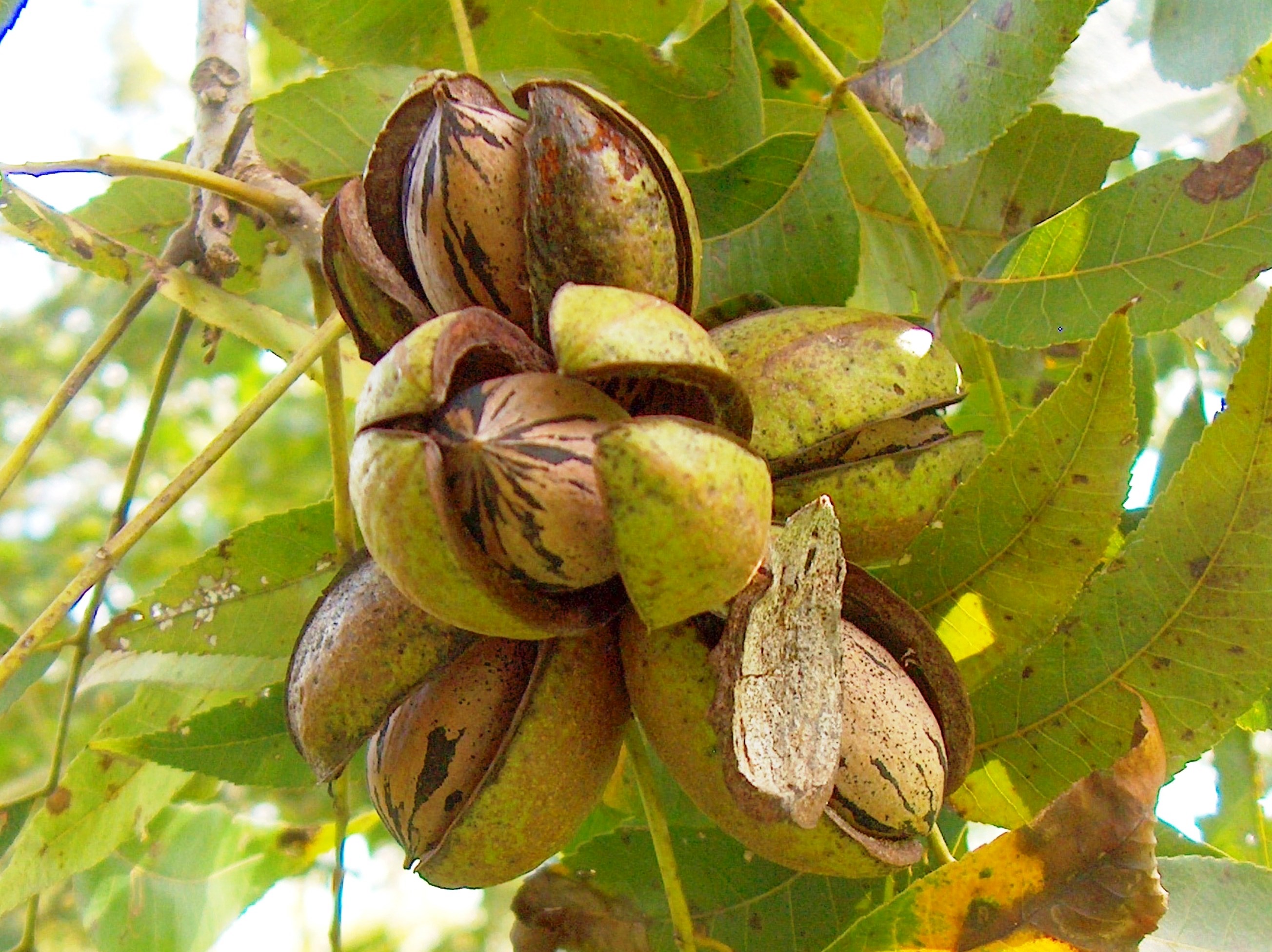
Last Wednesday in the Southern Rio Grand Valley, New Mexico, farmers were hit by a hail storm which destroyed some of their crops. The hailstorm battered the pecan trees, however not all the crop was knocked off the trees and can still be harvested when ready, but this is only about half of the crop. The nuts that fell to the ground can be salvaged depending on the weather. If these nuts cannot be salvaged, farmers could lose up to $500,000, if they can they will only lose $30,000-$40,000. Source - http://www.koat.com

27.10.2015

Mexico - 25,000 hectares of crops have been affected by Hurricane Patricia

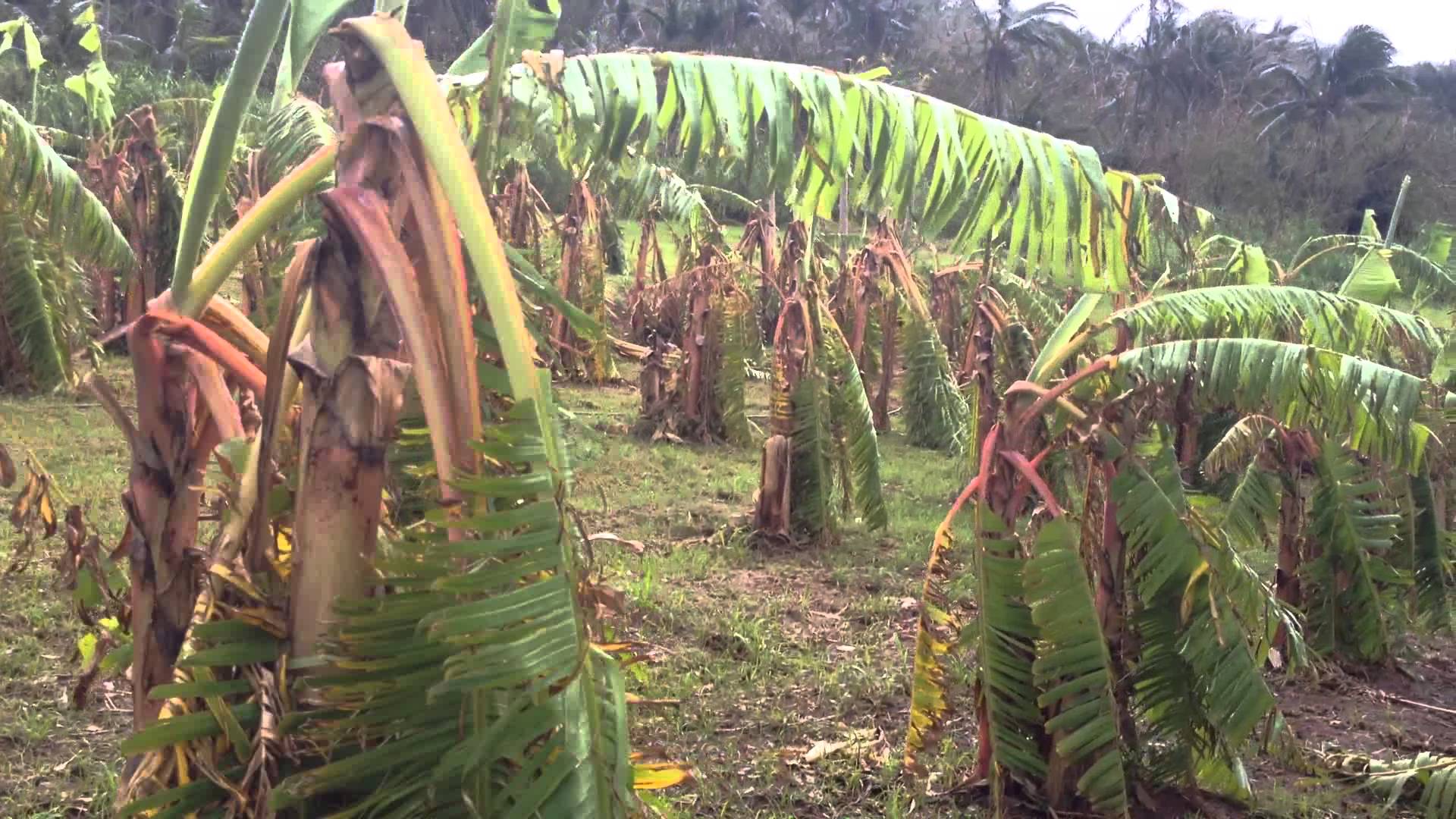
25,000 hectares of crops have been affected by Hurricane Patricia after it struck the coast of Jalisco just after 6:00pm Friday. More than 6,000 hectares of crops had suffered damages but much of that will be covered by insurance. Wind, rain and overflowing rivers have damaged 8,280 hectares of banana, corn and papaya crops in Jalisco, said the state’s Social Development Secretariat, putting 5,000 people out of work. In Michoacán, 10,000 hectares of crops are believed damaged, mostly banana and papaya. Although Hurricane Patricia was forecast to have the potential to inflict catastrophic damage, its effects did not live up to that billing. However, for communities dependent on agriculture, such as the Michoacán municipality of Coahuayana, the outcome is indeed being called a catastrophe. Here, 5,600 hectares of banana plantations have been affected, and 1,200 hectares of papaya destroyed. On top of that, there was damage to mango, tamarind, guanabana and corn crops. “This means that it’s the biggest agricultural catastrophe in the history of the municipality,” said Mayor Porfirio Mendoza, noting that 4,000 families have lost their harvest this year. Although the Mexican government has been credited with preventing serious damage through timely alerts to populations that could be affected by the hurricane, that wasn’t the case in Arroyo Seco, a small community in the municipality of La Huerta, Jalisco. González recalled that Hurricane Jova in 2011, which made landfall in the same area as a Category 2 storm, had hit them hard, but Patricia felt three times worse. However, the effects of Jova on the region were far more severe. Source - http://mexiconewsdaily.com

22.10.2015

Mexico - Asian citrus psyllids found in northeastern part

Psyllids that can spread the citrus disease HLB, or citrus greening, have been found in northeastern Mexico. Orchards in the state of Nuevo Leon were found to have Asian citrus psyllids, according to a story posted Oct. 16 on the info7.mx website. Bugs were found in three Nuevo Leon growing regions: Linares, Santiago and Cadereyta. On Oct. 15, area growers met with Nuevo Leon and federal agricultural authorities to discuss implementation of an emergency plan to prevent the spread of greening. Measures discussed include sampling to see if there are additional psyllids and a possible quarantine to limit the spread of the infestation. In the U.S., greening has destroyed hundreds of thousands of acres of citrus in Florida and also been found in Texas, California and Arizona. In 2013, a psyllid was found on a shipment of Mexican limes entering the U.S. Source - http://www.thepacker.com

22.10.2015

India - Price drop forces vegetable farmers in Dhar to destroy crop

In a grim reminder of the plight of farmers in Madhya Pradesh, hundreds of farmers in Dhar district were forced to destroy their standing tomato crop due to the recent fall in prices, in addition to the whitefly infestation. Adding to their woes, farmers who had spent huge sums on their lands have not received any insurance benefit thus far. According to available information, more than 250 farmers from various villages of Dhar district are destroying their standing crops over the past 15 days in preparation for the next season. The dreams of having a profitable season for about 70 tomato farmers from Rajpura village under Amzhera tehsil, 30 from Chalni village and about 150 others from neighbouring villages were dashed after the recent price drop. Whitefly infestation adds to farmers’ woes The whitefly infestation, that horticulture experts said has harmed other crops as well, only added to their woes. Radheshyam Patel, 35, from Chalni village, grew tomato in his one acre agricultural land by spending huge sums, but has now decided to destroy his standing crop. Patel said he, like many others, had high expectations over speculation of prices rising, but the whitefly infestation and drastic price drop shattered their dreams. Also, he said many of the farmers had taken out loans from banks and insured the crop under the National Horticulture Crop Insurance Scheme, but that too proved no help during this trying time. Mohan Mukati, 45, a farmer from Rajpura village, said cooperative and private banks had insured their crop under the scheme, but many farmers are yet to receive the insurance payout. When contacted, deputy director (horticulture) Ashish Kanesh admitted that farmers, particularly those who grew fruits and vegetables, are facing a hard time this year due to the whitefly problem. Farmers yet to receive insurance payouts Regarding the lack of insurance payouts, Kanesh said many cooperative banks have submitted their data, but farmers that took loans from private banks and insured their crop under the scheme are yet to submit any information. “We are pushing them to submit information at the earliest so they can be paid their dues and benefits,” Kanesh added. While the ever-present red tape delays payouts, the farmers have no time to sit and wait. Patel said once the standing crop has been destroyed, the farmers will have just one month to prepare their fields for the next sowing season. Any delay, and the likelihood of having a bumper crop may be lost. Source - http://www.hindustantimes.com

22.10.2015

USA - Farm Service Agency to make new loans available

Relief is being made available for drought stricken farmers in three East Texas counties. The United States Department of Agriculture is accepting applications for emergency farm loans for damages and losses caused by drought occurring through Sept. 29, 2015 and continuing. The applications are being accepted at the Farm Service Agency, 4209 Republic Drive. Residents of Anderson, Cherokee, Henderson, Smith and Van Zandt counties are eligible to apply. According to the news release, farmers may be eligible for loans of up to 100% of their actual losses or the operating loan needed to continue the agricultural business, whichever is less. For farmers unable to obtain credit from private commercial lenders, the interest rate is 3.625 percent. “As a general rule, a farmer must have suffered at least a 30% loss of crop production or suffered any physical loss to be eligible for an FSA emergency loan under the disaster designation,” Smith County Farm Loan Manager Joseph Grier said. Producers participating in the Federal Crop Insurance Program will have to consider proceeds from those programs in determining their production loss. Additionally, any insurance proceeds received by producers as a result of the physical loss must be considered in determining their total loss. “Applications for loans under this emergency designation will be accepted until June 7, 2016, but farmers should apply as soon as possible. Delays in applying could create backlogs in processing, with possible delays into the new farming seasons.” Grier said. Source - http://www.tylerpaper.com

22.10.2015

Philippines - Villar aims to expand scope, coverage of crop insurance in PH

Senator Cynthia Villar wants to expand the scope and coverage of crop insurance in the country following an estimated P5.9-billion damage on the agriculture sector brought by Typhoon “Lando.” Villar, chair of the Senate committee on agriculture and food, said the damage to agriculture brought by the typhoon “underscores the need to improve the government’s program to provide insurance protection to farmers.” “After yet another devastating typhoon, we should not only work to restore normalcy; we should do more. It is high time we put in place reforms that will prevent our farmers from losing their source of livelihood everytime a typhoon strikes,” she said in a statement on Thursday. The senator noted that in the proposed 2016 budget of the Philippine Crop Insurance Corporation (PCIC), only 694,727 subsistence farmers and fisherfolk will be covered by crop insurance services. The PCIC is tasked to ensure that the beneficiaries identified are registered under the Registry System for Basic Sectors in Agriculture, with priority given to those in localities declared as critical geo-hazard areas or no build zones identified by the Mines and Geo-Sciences Bureau. Under the PCIC budget, Villar said, P1.6 billion will be appropriated for the insurance premiums of subsistence farmers and fisherfolk to cover crop, livestock, fisheries or non-crop agricultural asset as protection against losses due to natural calamities and pest and diseases. “Although more farmers will be covered this year because of the increase in PCIC’s budget, the fact remains that more farmers will be exposed to the risk of losing their crops and farm animals due to natural disasters,” said the senator. “With an average of 20 typhoons entering the country in a year, our farmers and fisherfolk are always the big losers. This is one of the reasons why poverty incidence is highest in this sector, where two-thirds of our population belong,” she added. Villar said she would draft a bill to expand the scope and coverage of crop insurance. The senator said adaptive measures and strategies to prevent disasters from eroding food security gains should also be developed apart from the climate-resilient varieties of rice, corn and other crops as well as pioneering procedures and advanced technologies being developed and used today. “Strengthening agricultural insurance as a risk-mitigating device will definitely complement other preventive measures,” she further said. Source - http://newsinfo.inquirer.net

22.10.2015

India - Ryots to lose, insurance cos to benefit

Even as the state government declared kharif cultivation as drought-hit following poor monsoon this season, farmers of the district reportedly stand to lose due to the faulty assessment of crop loss. On the other hand the insurance companies all set to make benefits from the situation, farmers alleged demanding immediate revision of the system. According to government norms, farmers who have incurred losses up to 33 per cent or more are entitled to get government assistance. But the rate of paddy production in Bargarh district has been assessed incorrectly, alleged Krushak Vikash Manch, a farmers’ outfit of Padmapur sub-division. The organisation submitted a memorandum to collector Anjan Kumar Manik addressed to the Chief Minister. The assessment has been made in such a way that it would serve the interest of the insurance companies, members of the outfit said, adding the farmers have been deprived of the benefits of the crop insurance for last many years. During current fiscal, the government has fixed paddy production rate taking the best six years of production during last 10 years into consideration. Special relief commissioner as well as the disaster management commissioner has approved the matter through a recent letter. According to new bench mark set by the commissioner, the rate of paddy production in Bargarh district has been set at 32.45 quintal per hectare while as per the old system it was 39.7 quintal. The old system fixed the rate of production taking the best three years of production of the last decade. According to the newly set bench mark, the production rate has come down from 25.06 quintal to 20.13 quintal In Paikamal block. Similarly, it has come down from 33.08 to 25.77 in Padmapur block, 30.95 to 27.93 in Gaisilet, 32 to 27.47 in Bijepur, 39.07 to 30.95 in Sohela, 40.08 to 28.76 in Jharbandh, 40 to 29.86 in Barapali, 53.07 to 43.64 in Bheden, 54.01 to 48.42 in Atabira, 47.09 to 36.78 in Bargarh, 36.01 to 30.85 in Bhatli and from 35 per quintal to 31.01 quintal per hectare in Ambabhona block. With this assessment, the affected farmers would not get the insurance amount and some of them would get peanuts in the name of crop loss insurance, a report said. The members of the Manch demanded scrapping of the new system and instead consider best three years of production in last 10 years to fix the production rate. Alternatively, 50 quintal per hectare can be set as the standard rate of production, the Manch advocated. The outfit would resort to agitation unless an early decision in this regard is taken by the authorities. A farmers’ delegation led by Manch’s president Jaykrushna Sahoo, secretary Kishore Chandra Debata and several other members met the collector in this regard. Source - http://www.orissapost.com

914
of 1224