NEWS
913
of 1224
News
09.11.2015

USA - Crop insurance goes global, so will its problems

The day before the House of Representatives voted 266-167 to approve a long-sought, two-year federal spending deal, House and Senate ag committee members complained that the proposed deal — unseen and unaudited — contained an eight-year, $3-billion cut to the 2014 Farm Bill’s key farm program, federal crop insurance. Ag committee members from both parties condemned the cut as an underhanded slap at farmers and the years-in-the-making Farm Bill. Many, like Senate Ag Committee boss Pat Roberts from Kansas, announced they would not vote for the must-pass bill because “Farmers should not be forced to shoulder the nation’s financial burdens.” The cuts, however, had nothing to do with crop insurance benefits. Instead, as news outlets like the Delta Farm Press reported early and correctly, they were aimed at “reducing the cap on the rate of return for insurance companies administering the policies from 14.5 to 8.9 percent and requiring more frequent reviews of the standard reinsurance agreement.” Both ideas — nicking insurance companies’ plump “rate of return” for $375 million in a $9-billion-per-year program and conducting “more frequent reviews” of insurance company agreements — sure sounded like good government in action. Not to the bipartisan brayers. When their “farmers-are-being-hit” argument failed to get traction, they pointed out that the 2014 Farm Bill already contained $23 billion in cuts. And, they reminded colleagues, all had agreed that no new cuts would occur over the life of the bill. That did it; the squeaking wheels got greased. In a just-in-time deal, Congressional leaders promised to put $3 billion back into the pockets of crop insurance companies when the omnibus budget bill comes to Congress before Christmas. No one on Capitol Hill, however, could say if that put-back requires $3 billion in new cuts to other U.S. Department of Agriculture spending to keep the October budget on track. While all that finger wagging was going on, Republicans came together long enough to elect Rep. Paul “I-don’t-want-to-be-Speaker-of-the-House” Ryan to be Speaker of the House. To his credit, Ryan exhibited great skill for the job the day before his election by staying out of the insurance fight. Or maybe it wasn’t skill at all. Maybe the nearly invisible size of the yearly insurance cut — $375 million in a $4 trillion budget is, what, less than 4/1000ths of 1 percent of 2016 federal spending? — simply wasn’t worth Ryan’s time to even notice. It soon might be, according to a Nov. 3 story on the Food & Environment Reporting Network. As outlined by veteran ag journalist Chuck Abbott, new research by the International Food Policy Research Institute shows crop insurance rapidly becoming the go-to domestic farm program around the world. In fact, notes the IFPRI research, global crop insurance premiums have grown by an average 16 percent per year from 2004 through 2013 (to $30 billion that year) as nations shift ag subsidies from direct farmer payments to indirect farm income guarantees. This worldwide growth — China’s crop insurance program, began in 2007 with $300 million in premiums, topped $5 billion in 2013 — has drawn the attention of the World Trade Organization. As the programs have grown so, too, has grown the potential to bend or break WTO rules. In fact, two-thirds of all nations with crop insurance programs now subsidize its purchase. The average government subsidy worldwide is a hefty 46 percent. The U.S. subsidy, at 62 percent, however, remains the world’s heavyweight. Whatever the subsidy level, crop insurance is fast becoming a fixture in global ag policy. As it does, so too will its problems and politics — as Congress well knows and Paul Ryan will quickly learn. Source - http://www.pantagraph.com
09.11.2015

Philippines - Exempt Central Luzon farmers from irrigation fees

Butil Farmers Representative Agapito Guanlao has called on the National Irrigation Administration (NIA) to exempt farmers in Central Luzon who were victims of Typhoon "Lando" from paying irrigation fees until they recover their losses. Guanlao recently filed House Resolution 2488 calling on NIA to defray irrigation fees for the meantime. Latest government report said that Typhoo Lando caused damages to infrastructure and agriculture amounting to P11, 000, 003, 194 and leaving 47 people dead, 82 injured and 4 still missing. Damage to agriculture alone reached P9, 629, 784 as of November 1 according to the National Disaster Risk Reduction and Management Council. Guanlao laments that the P737 million initially devoted to crop insurance merely represents only 12 percent of the total agricultural damage caused by Typhoon Lando. Meanwhile, the Department of Agriculture (DA) estimated that Central Luzon has already incurred a production loss of 389, 000 metric tons. Central Luzon has the worst production loss for palay with Nueva Ecija incurring the biggest damage followed by Tarlac, Bulacan, Aurora, Bataan and Pampanga. Guanlao said that Typhoon Lando had damaged crops of small landholdings of about 110, 0000 small farmers affecting their livelihood. “Exempting them from payment of irrigation fees would be a relief, until they fully recover from the devastation,” Guanlao said. Guanlao also called on the DA regional office here to expedite assistance efforts to affected framings adding that the production targets of the current dry cropping season would be affected if measures are not fully implemented. The legislator said that until now most of the farmers affected by the recent calamity have yet to fully recover. He added that immediate support from the DA is necessary for full recovery so that farmers could immediately start tilling their lands. Guanlao added that the prevailing El Niño phenomenon will greatly have an effect on how fast the farmers can rebound from the tragedy as farmers try to recover their losses. Source - http://www.sunstar.com.ph

06.11.2015

Australia - Irrigation upgrade funds available

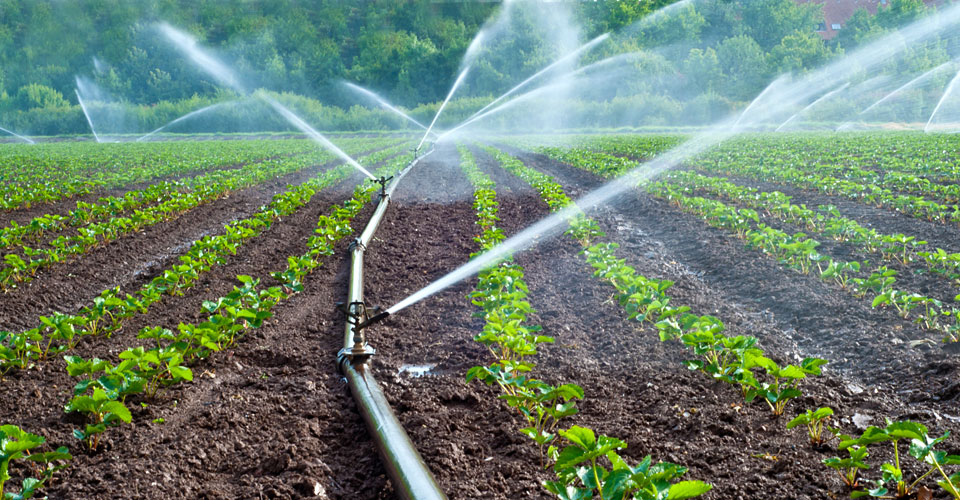
Minister for Agriculture and Water Resources, Barnaby Joyce, and Victorian Minister for Environment, Climate Change and Water, Lisa Neville, this week announced a further $14.25 million would be made available for irrigation infrastructure upgrades under Round Two of the Victorian Farm Modernisation Project (VFMP). Mr Joyce said the new round of funding would be used to upgrade irrigation infrastructure on approximately 60 farms in the Goulburn Murray Irrigation District—increasing efficiency and flexibility in water use on-farm, and delivering environmental benefits. “These types of programmes are a key element in our delivery of the Murray–Darling Basin Plan, and effectively support the triple bottom line of economic, social and environmental outcomes,” he said. “Participants in in these programmes often find that benefits go beyond water use savings, for example by giving irrigators greater flexibility of crop choice, increased yield from crops and the ability to produce a larger crop from lower water allocations. “For example—one irrigator, producing grain, sheep and hay crops who was funded under Round 1 has upgraded 190 hectares by installing semi automated irrigation and a water reuse system, and can now irrigate in one third the time and around 25% less water. Input costs, run-off and nutrient loss are lower and crop yields have increased. The irrigation upgrades have allowed this farm to move away from growing mainly annuals to producing lucerne for the premium market.” “It’s a great example of positive environmental outcomes going hand-in-hand with genuine productivity and profitability benefits for farm businesses.” Minister Neville said the programme would save water for farmers and the environment across 54,000 hectares in the Goulburn-Murray Irrigation District, and was expected to make an important contribution in delivering on Victoria’s commitment to the Murray–Darling Basin Plan. “Victoria’s irrigators are innovative and forward-thinking, and I’ve been pleased to see this reflected in the project proposals we’ve received under the programme,” Minister Neville said. “Under this programme, eligible works may include laser grading, drainage water reuse systems, automation of irrigation systems, conversions to pressurised irrigation, and replacement of farm channels with pipes and risers. “The Goulburn Murray Irrigation District is vital to the prosperity of the region and the State and we support these projects that lift productivity and achieve efficiencies in the sector.” The $100 million VFMP is funded by the Australian Government and delivered by the Victorian Government through the Goulburn Broken Catchment Management Authority. Source - http://adf.farmonline.com.au

06.11.2015

USA - Crop Insurance: An Annual Disaster

Crop insurance has come under attack for its increasing cost, environmental harm and secrecy. The farm lobby, the crop insurance industry and their political patrons push back by claiming that despite its flaws, at least the federal crop insurance program is better than the ad hoc disaster programs it replaced. A new EWG report, shows that the facts tell a very different story. Crop insurance has cost taxpayers billions of dollars more than the ad hoc relief programs Congress has authorized in response to disasters. From 1999 to 2008, in the six years that Congress passed large ad hoc disaster relief bills, farmers were paid more than $15 billion in disaster payments, but more than $26 billion in crop insurance payouts. After removing farmer-paid premiums and adding administrative costs, the total cost to taxpayers of the crop insurance program was almost $20 billion. Unlike disaster payments, crop insurance payouts went out year after year whether or not a disaster occurred. Between 1999 and 2008, disaster payments ranged from a low of $105.2 million to a high of $3.3 billion. During that period, crop insurance payouts never fell below $2.8 billion and peaked at $9.3 billion. What’s more, crop insurance creates more incentives for farmers to grow on marginal and environmentally sensitive land. In the last decade, farmers have converted thousands of acres of wetlands and highly erodible land to cropland. Crop insurance is not really insurance, but income support masquerading as disaster relief. Policymakers must cut through the myths spread by its champions and return crop insurance to a safety net that taxpayers and the environment can afford. Source - http://www.ewg.org

06.11.2015

USA - USDA Farm Service Agency encourages farmers and ranchers to report acres

York County USDA Farm Service Agency Executive Director Leann Nelson reminds producers that they have until Nov. 16, 2015, to report fall seeded crops such as wheat and perennial forage crops such as grass to their local FSA office for the 2016 crop year. Perennial forage includes alfalfa, clover and mixed-forage intended for hay or grazing as well as acreage insured through the Risk Management Agency’s Pasture, Rangeland, Forage insurance. “The 2014 Farm Bill requires acreage reporting for several programs that are available to farmers and ranchers,” said Nelson. “Failure to report all cropland acreage by the deadline can result in a loss of program benefits.” To comply with program provisions, acreage reports must be filed to maintain eligibility for the following programs: Agriculture Risk Coverage and Price Loss Coverage. Conservation Reserve Program, Non-Insured Crop Disaster Assistance Program and the Livestock Forage Program. This includes crops on non-cropland such as hayed or grazed grasslands and land that will be fallow for the year. “It is extremely important to provide accurate acreage reports including who has an interest in the acreage, the intended use of the crop as well as irrigated and non-irrigated practices,” said CED Nelson. “Once the intended use is reported, it cannot be revised. Information should be consistent between FSA and your crop insurance provider. While subsequent crops are required to be reported, cover crops should also be reported.” If a crop was not planted by the applicable reporting date, the acreage must be reported within 15 calendar days after planting is complete. NAP policy holders must report covered crops by the earlier of November 16, 2015, or 15 days before grazing or harvesting the crop. Farmers who have not certified their fall seeded crops or perennial forage crops should contact the county office immediately to make an appointment prior to the deadline. To report acres, producers must provide crop boundaries, shares and planting dates for each field. Source - http://www.yorknewstimes.com/

06.11.2015

Spain - Harmful pest for potatoes detected in Galicia

Galicia's Council for Rural Affairs has adopted emergency measures after detecting the presence of a pest called Tecia solanivora Povolny (Scrobipalpopsis solanivora Povolny), known as Guatemalan Couza, which causes damage to potatoes. They said it has been detected in the municipalities of Ferrol, Neda and Narón, where the regional government has enforced urgent phytosanitary measures to try to control and eradicate its presence. Producers explain that the Guatemalan Couza is a moth that lays its eggs in potatoes; the larvae then feed from the tuber, which consequently becomes damaged. To eliminate the insect, the regional government has established a series of measures to be enforced by producers and marketers. It is forcing the former to set up pheromone traps for mass trapping; to use certified seeds with a health guarantee; that is, not reusing leftovers from the summer season; to make use of phytosanitary treatments with active substances permitted in the official register; and to remove and destroy all damaged tubers in order to eradicate the pest during the rest period. For their part, marketers must separate the tubers for seed from those intended for consumption; to set up meshes on top of stored tubers to prevent the entry and exit of the Couza, and to disinfect warehouses, handling machinery and tools with approved products. The shipment of the potatoes from these areas outside of the three municipalities has also been prohibited. Unións Agrarias stressed that the regional government has adopted these measures to prevent a crisis like that caused by the Asian hornet. "In these areas, production is mainly domestic, unlike other areas of Galicia, which have large producers, so it does not affect the sale," said the technician of the Union, Ángel Alvariño, who is also the mayor of one of the affected municipalities, Neda, where the pest was first detected. He stressed that the vast majority of producers are already using certified plants, even though producers have complained about the measures not being enforced earlier. Sources from the Council explained that the pest has a considerable economic impact in Central America, where it originated, and in countries of South America. In Europe, they say, the insect was first found and identified in the Canary Islands. Source - http://www.freshplaza.com/

06.11.2015

Canada - Alta. crop insurance needs revisions

Alberta’s forage insurance payouts should reflect what it costs to replace forage rather than previous year’s prices, says a Rimbey farmer. Chris Simpson said he was paid four cents a pound for lost hay after he made a claim through his AFSC forage insurance plan this year following a drought that decimated his hay crops. He estimates it cost nine to 10 cents a pound to replace hay in his area this year and wants the payout to reflect replacement costs. “Four cents a pound isn’t even in the ball park this year for what replacement feed will cost,” said Simpson, who presented a resolution at the Alberta Beef Producers meeting reflecting his request. “The pricing compensation should reflect what it takes to replace the lost production, not a set value of what hay was worth a year earlier.” Instead of basing the payout on last year’s feed costs, Simpson wants it to be based on AFSC’s quarterly AgriStability price list of fair market values for crops in each region of the province. “We need a methodology that would be more beneficial and truly represent what the loss is,” he said. “I take forage insurance because I need the feed to feed my cattle. The reason I take the insurance is if I have a shortfall, I’ve got funds to replace that feed source. In a drought year, it doesn’t go very far. Any alternative sources of feed are worth more in a drought year, regardless of what it is.” Simpson used the forage insurance payout money to buy silage for his cattle instead of hay, but he said it wasn’t close to what he needed. Chris Dyck, senior manager with AFSC in Lacombe, said the agency is reviewing the discrepancy of payouts for lost hay and replacement hay, especially in a drought year. “In a drought year when feed is short, feed is more expensive,” Dyck said. A variable price benefit feature is built into the hay and pasture insurance program. Producers often look for other feed as a substitute when hay prices rise, which also increases in price. The variable rate benefit kicks in if the price of barley increases 10 percent, and an additional payment is made. Dyck said the agency reviewed barley prices in October and will soon decide if it will trigger an additional payment for those who took the insurance. “It’s not finalized, but it looks like barley will trigger the variable forage price benefit this year,” he said. AFSC, which looks after crop insurance in Alberta, said it has struggled to find ways to increase farmers’ use of hay and pasture insurance and has launched a review of the program. Only five percent of hay and 25 percent of pasture is covered by insurance. Instead of insuring on an acreage basis, the agency is looking at insuring on a feed requirement basis for the amount of cattle on the farm. It is also looking at modern technology such as satellite imagery to improve the insurance system. As well, Dyck said the agency is looking at the difference in hay production. Some hay has little fertilizer added and other hay, grown for export, is more expensive to grow and needs more coverage. “We treat all types of hay the same.” The review will also look at coverage in the establishment year and if there should be payment differences for quality versus quantity. Source - http://www.producer.com/

05.11.2015

Philippines - 226 farmers getting P.9M in crop damage indemnity

There will be 226 Negros First Universal Crop Insurance Program farmers from districts 1 to 6 who will receive indemnity checks for P942,585 at the 117 th Cinco de Noviembre program at the Provincial Capitol driveway in Bacolod City today. The farmers will receive their checks from Gov. Alfredo Marañon Jr., Board Member Victor Javellana , Philippine Crop Insurance Corporation Corporate Business Affairs Group  Vice-President  Antonio  S.  Uy II  and PCIC Regional Manager Charlito   Brilleta, Dina Genzola, senior agriculturist of the Office of the Provincial Agriculture, said yesterday. NFUCIP, now on its fourth year of implementation, was conceived to mitigate the adverse effects of climate change on the lives of Negrense farmers, she said. Since 2011, the province has allocated P12 million to cover rice crops of farmers who expanded to corn, HVCC and sugarcane , she said. As of October, the province covered 14,614 premiums and 14,305 hectares, she said. Already P32 million in claims have been made covering nearly 7,500 farmers and 7,730 hectares, she added. Source - http://www.visayandailystar.com

05.11.2015

Israel - Hail causes severe damage to fruit industry

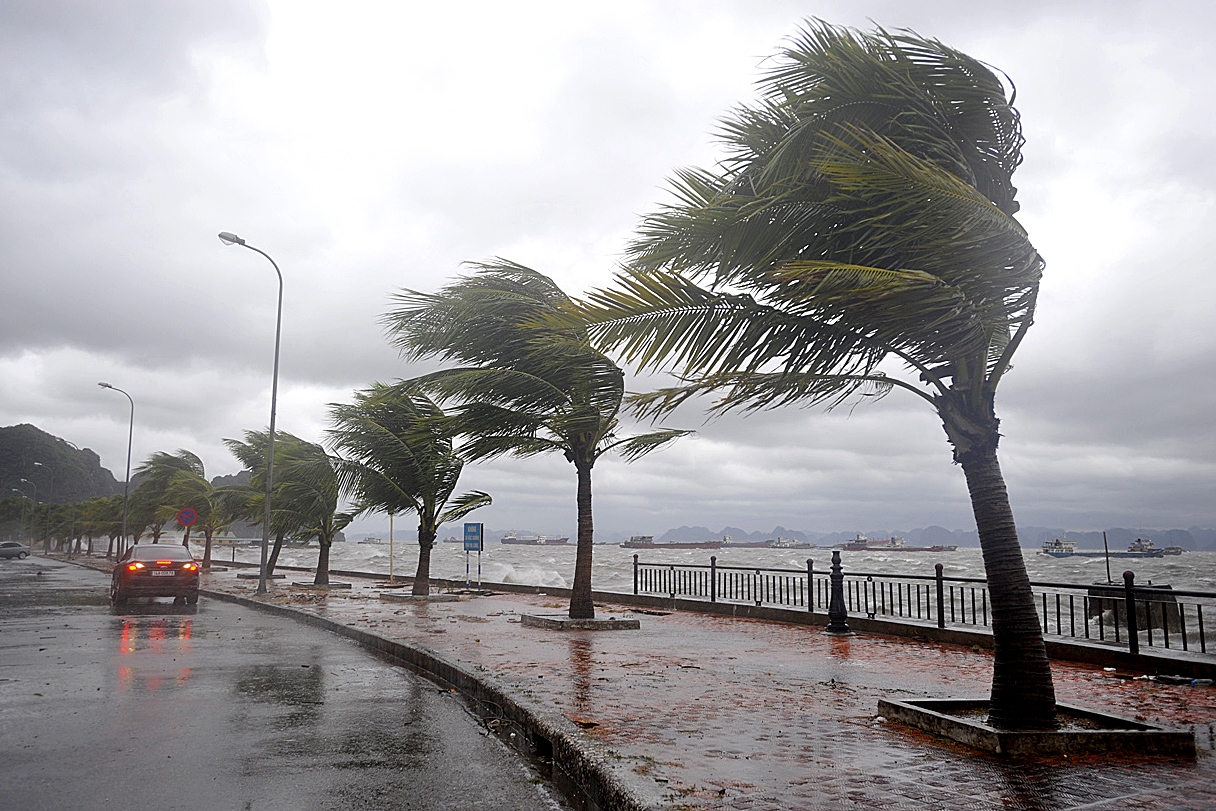
A severe storm system hit Israel last week, causing extensive damages to a number of fresh produce industries. The storm started early in the week with strong rains and developed to feature intense winds and local hail events. The brunt of the storm was felt in the northern and central regions of the country. According to early reports, more than 300 separate agricultural operations were damaged by the storm; roughly half of those were fresh vegetables operations such as cucumbers, tomatoes, cabbage, cauliflower, broccoli, and eggplant. The most severe damages however were felt in the fresh fruit industries which were either in the process of picking their crops or gearing up to do so. The Gilboa region in the northern part of Israel was one of the areas struck by local hail showers. A grower from the region who grows several varieties of citrus said that in some orchards the crop is unsalvageable. “One of our orchards that was hit with hail was an Orr clementine orchard which was a few days from being picked” he said. “The hail was quite large and knocked most of the fruit off the trees.” According to him the crop in that particular orchard is a “total loss”, while the damages in neighbouring orchards will have to be assessed further. This situation of the storm hitting orchards with ripened fruits was the main cause for damage said Oron Ziv of BeFresh Europe, a fresh produce exporter who works extensively in the region. “The most damage was felt in the avocado, persimmon, and citrus industries” he said, “but not every region was hit, the severe damages were quite isolated.” With the rains and winds continuing over the previous few days, the full scope of the consequences is yet to be fully known. Preliminary estimates by Kanat, the insurance fund for natural risks in agriculture of Israel, indicate the damages already exceed 10 million shekels, and could very well increase. Source - http://www.freshplaza.com

05.11.2015

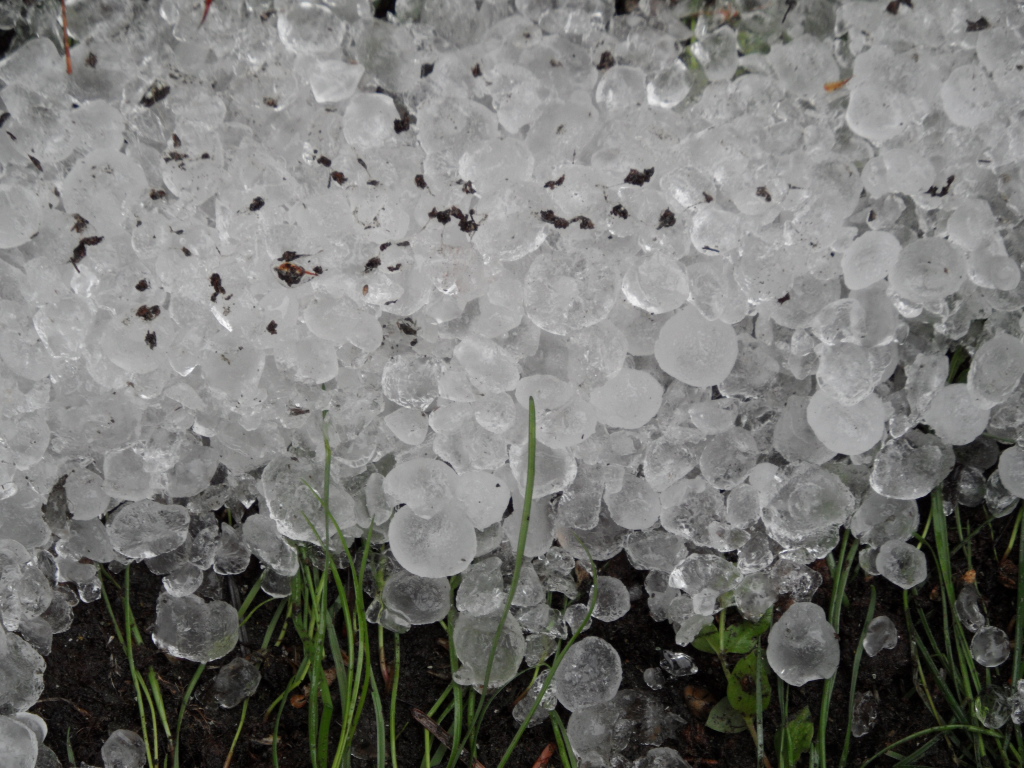
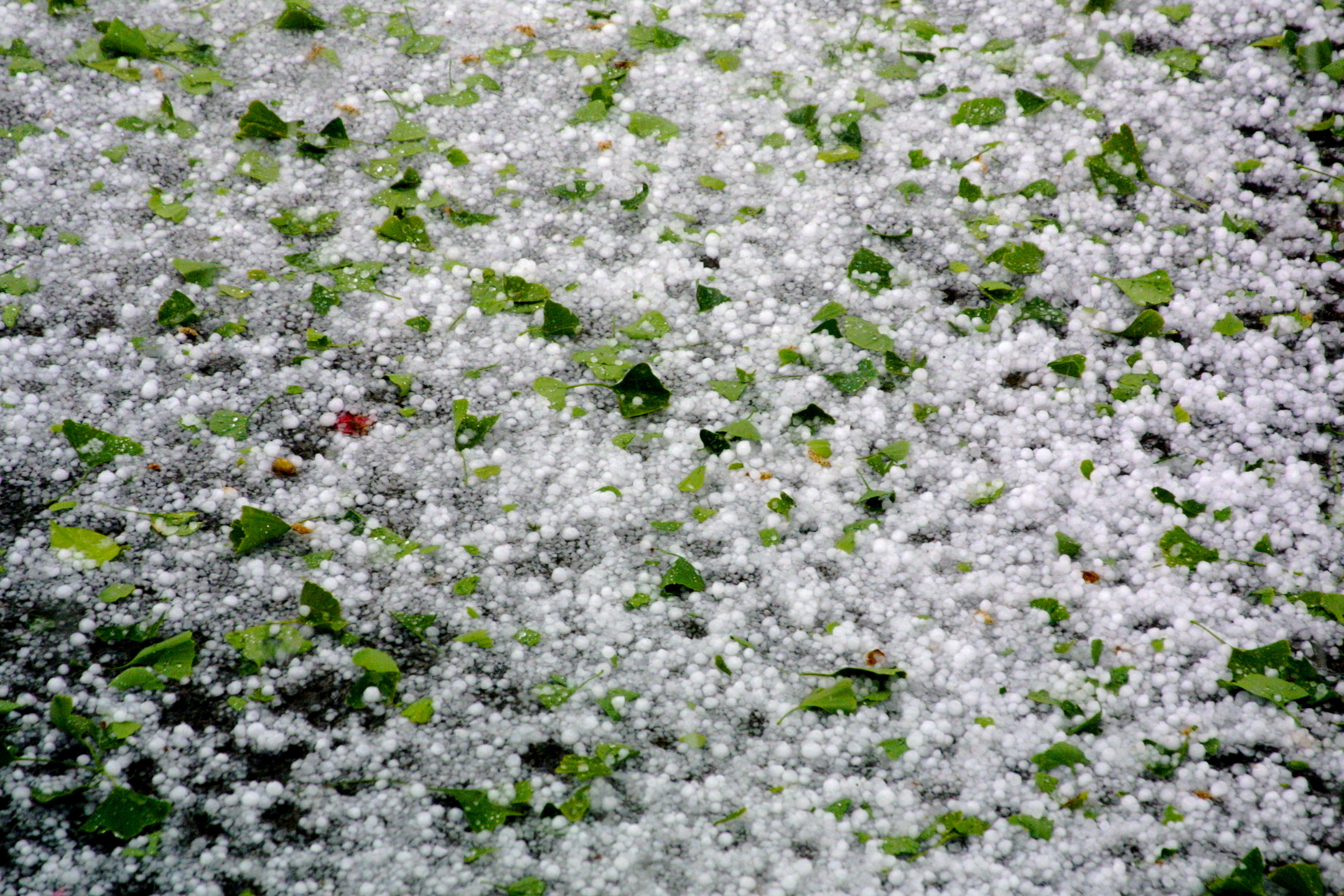
Australia - Farmers assess their losses after hailstorm pelts grain crops near Redhill

Storms that hammered much of South Australia's grain-growing regions yesterday could potentially cost farmers millions of dollars. The true extent of grain downgrades will not be known until paddocks dry out and the grain starts to flow into the silos once again. But some farmers near Redhill in the Mid North are already counting the cost of hail damage after a storm pelted the area on Wednesday afternoon. Farmer Ben Mumford was unfortunate enough to be under that storm and says it was terrifying. "We had a little bit of rain, then down it came," he said. "We were working here in the yard and we got under the tin roof to get out of the rain. Then it started to hail and it just hammered down, it just hammered down. "The wife was there and I put my arm around her because that's what we were feeling at the time and it was just ridiculous. We put our hands over our ears. It was that loud." Mr Mumford said he had never experienced anything like it. "I've experienced a thunderstorm with hail back in 1992-1993, but nothing like this. This was just a bastard, nasty storm that came through," he said. "We started to clean the mess up here; we had cows under water and all sorts of troubles. "Then we saw the police followed by the ambulance and the CFS head down the highway, so we went down there and there'd been a crash. A truck had rear-ended a car. "We got down there and ended up pulling cars out of the mud on the side of the road." Mr Mumford said his grain crops took a battering, but he was thankful it was not worse. "It's just disappointing to come home and look through the wheat crops and the amount of hail damage is just disappointing," he said. "We work too hard for the year to just lose it like that, but we've got insurance and nobody got hurt. "It won't end us or anything like that. "There's plenty of blokes in the Mallee who don't have a crop at all, so we're certainly counting our blessings." Source - http://www.abc.net.au

05.11.2015

USA - USDA extends deadline to increase protections for forage crop losses

USDA’s Farm Service Agency (FSA) extended the deadline for producers to obtain or modify higher levels of coverage through the Noninsured Crop Disaster Assistance Program (NAP) to protect against poor forage crop quality because of drought or other natural disasters where the forage is intended for mechanical harvest. The deadline is extended to Nov. 13, 2015. "For some 2016 forage crops, the application deadline for NAP occurred before information became available to measure losses due to quality that could influence loss payments, so we extended the deadline so that producers have more time to decide what type of modified coverage works best for their operation," according to FSA. The Noninsured Crop Disaster Assistance Program protects agricultural crops for which crop insurance is not available from losses due to natural disasters, such as drought, freeze, hail, excessive moisture, excessive wind or hurricanes. The program offers basic coverage at 55% of the average market price for crop losses exceeding 50% of expected production, and higher levels of coverage, up to 65% of expected production at 100% of the average market price. Higher coverage is not available on grazing crops. However, the extension does not afford producers the opportunity to purchase basic 50/55 NAP coverage. Producers interested in adjusting their NAP coverage must submit the appropriate paperwork to their local FSA county office before the Nov. 13 deadline. Source - http://www.dairyherd.com

05.11.2015

New Zealand - Frost-fighting trial for hot-air machine

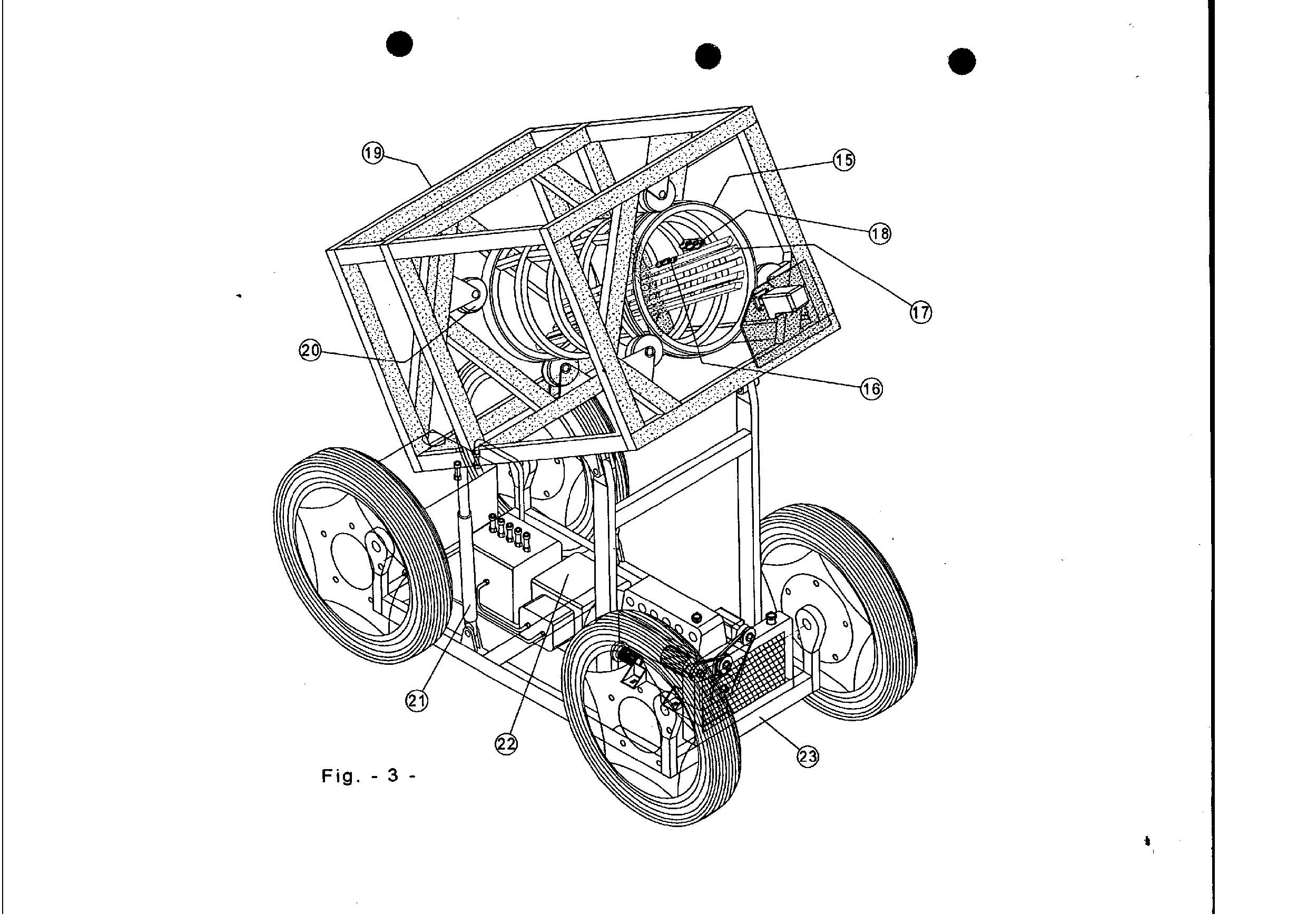
A giant hot-air blower designed to lay a warm blanket of air over crops during frosty weather is being trialled near Mt Pisa, north of Cromwell. The device, called a ''heat ranger'' burns lpg, rotates 360degrees and can protect up to 15ha of vineyards, black currants or other lower-growing crops. Hamilton company Heat Ranger Ltd is using a new cherry orchard to test one of its two prototypes, which director Fred Phillips described to the Otago Daily Times this week as a ''world first''. ''There's nothing like it in the world.'' Mr Phillips, an agricultural engineer, said the Cromwell site had been chosen for testing because it was an area with more reliable frosts than the Waikato or Christchurch, where the devices were built. The heat ranger is designed to raise the air temperature by 2degC-4degC, Mr Phillips said. ''In still-air conditions it creates a blanket over the top of the crop. ''In other words, it creates its own inversion layer that protects the crop.'' Mr Phillips said the $200,000 heat ranger was not yet on the market, but the capital cost would be about a quarter to a third of the cost of installing a frost-fighting system that used water. And, despite using eight 200kg lpg cylinders in a 12 hour period, he considered its operating costs would be competitive with other frost-fighting systems, such as diesel-powered wind machines. Mr Phillips and his partners began developing the device six years ago while trying to devise a frost-fighting system for a black currant crop near Christchurch for which there was a limited water supply. The group decided to look at using warm air instead, in a similar way to outdated frost pots, and a design was drawn up on ''the back of a cigarette packet''. Mr Phillips was reluctant to say how much had been spent since on its development, but it had been a ''huge job''. ''In any situation that requires research and development, the cheapest thing is to walk away, but that doesn't make much progress. ''If you think your idea has merit, you put your money where your mouth is.'' The trials near Cromwell were designed to prove the device's reliability and effectiveness. ''We are measuring what we call the radius of influence.'' Mr Phillips believed the heat ranger had ''significant potential'' but ''it only takes one failure to lose your crop''. He hoped the device would be on the market in time for the next frost season. The main disadvantage of the Cromwell site was the distance from bulk supplies of lpg, with refilling done in Christchurch. ''If these machines turn out to be as good as we hope they will be, then we will be talking to big gas suppliers about putting in a refuelling facility in Cromwell to cope with machines like this.'' The second machine was being trialled in Waipara, in North Canterbury. Source - http://www.odt.co.nz

05.11.2015

Deere to buy precision equipment business

Digging deeper into the precision agriculture business, Deere & Co. announced Tuesday that it has agreed to acquire the Precision Planting LLC equipment business from The Climate Corp., a subsidiary of Monsanto Co. Deere and The Climate Corp. jointly announced the deal in a news release, saying the acquisition includes a digital ag collaboration agreement. The agreements enable exclusive, near real-time data connectivity between John Deere farm equipment and the Climate FieldView platform. The agreements also represent the industry’s first and only near real-time, in-cab wireless connection to John Deere equipment by a third party. "To maximize the value of digital agriculture, farmers need solutions for simple and seamless collection of in-field agronomic data," said Mike Stern, The Climate Corp.'s president and chief operating officer. "Our agreements enable farmers to combine the industry-leading technology of John Deere equipment with Climate FieldView, the platform that offers farmers the broadest equipment connectivity in the industry backed by data science," he added. "This connectivity allows farmers to collect and directly share data to the Climate cloud, enables data visualization in the cab and supports the development of customized data science-driven insights." The deal is the Moline-based Deere's latest move to accelerate its leadership position in precision agriculture. The deal comes one day after Deere announced it has agreed to acquire Monosem, the European market leader in precision planters. Last month, Deere announced the formation of a joint venture, SageInsights, with data software firm DN2K to focus on further development of DN2K's existing cloud software platform called My AgCentral for ag retailers and advisers. John May, Deere's president-agricultural solutions and chief information officer, said the agreements will "allow John Deere to extend the range of retrofit options available from Precision Planting to many more products and into new geographies." In an interview, Deere spokesman Ken Golden said the acquisition also will allow Deere to extend the precision ag solutions to Deere customers with earlier model planters as well as to customers with other brands of equipment. "The acquisition of Precision Planting supports John Deere's position as a technology leader offering innovation that enhances the productivity of our customers around the world," he said. Under the terms, Deere will acquire the majority of Precision Planting's assets, including its facilities, brand, the majority of its product portfolio, including hardware sensors, actuators and display systems. The agreement also includes Precision Planting's leadership, a majority of its employees, and relationships with its dealers and customers, Golden said. Climate will retain the digital agriculture portfolio, including ownership of its FieldView app and cloud platform. The deal faces an approval process by relevant antitrust authorities and is expected to close within 60 to 90 days. Terms were not disclosed. Source - http://qctimes.com

04.11.2015

USA - Crop insurance payments less likely in 2015

As the 2015 corn and soybean harvest season is wrapping up, some producers have wondered if there will be any 2015 crop insurance payments, given the decline in crop prices. In 2014, many farm operators in Minnesota and Northern Iowa had crop yields that were well below average, along with lower crop prices, resulting in some fairly large 2014 crop insurance indemnity payments on corn and soybeans. Most crop producers in the Upper Midwest had above average yields in 2015, and crop prices have not dropped as dramatically, which will make 2015 crop insurance payments less likely. Many crop producers in Illinois, Indiana, Ohio, Missouri, and other states are realizing final 2015 corn and soybean yields that are below their crop insurance actual production history (APH) crop yields. Many of those producers that have a revenue protection (RP) crop insurance policy in place in 2015, may be able to collect a crop insurance indemnity payment on the crop losses incurred this year. The situation in the eastern and southern Corn Belt in 2015 is very similar to crop insurance scenario that existed in the Upper Midwest in the 2014 crop year, though the payment potential is somewhat less. As of Nov. 1, the USDA Risk Management Agency (RMA) finalized the 2015 crop insurance harvest prices at $3.83 per bushel for corn, and $8.91 per bushel for soybeans. The harvest prices for Revenue Protection (RP) insurance policies are based on the average CBOT December corn futures price, and the average CBOT November soybean futures price, during the month of October. The harvest prices will be used to calculate the value of the 2015 harvested crops. The established base (spring) prices for 2015 RP and Yield Protection (YP) crop insurance policies were $4.15 per bushel for corn and $9.73 per bushel for soybeans. The base price will be used to calculate RP crop insurance revenue guarantees for corn and soybeans. Many crop producers carried 75%, 80% or 85% RP crop insurance coverage on their 2015 corn and soybean crops. The level of insurance coverage will be a big factor in determining the amount of insurance indemnity payment that is received for crop revenue reductions this year. For example, a producer with a corn APH yield of 190 bushels per acre, carrying a 75% RP insurance policy in 2015, would have a revenue guarantee of $591.38 per acre. By comparison a producer with the same APH yield, and an 80% RP policy, would a 2015 revenue guarantee of $630.80 per acre, and a producer with an 85% RP policy would have a revenue guarantee of $670.23 per acre. If the actual farm yield for 2015 is 160 bushels per acre, which will be common in some areas of the Eastern Corn Belt, the producer with a 75% RP policy would not receive a 2015 crop insurance indemnity payment for corn revenue losses. By comparison, the producer with an 80% RP policy in 2015 would receive a gross crop insurance indemnity payment of $18.00 per acre, and the producer with an 85% RP policy would receive a gross indemnity payment of $57.43 per acre. Farm operators that incurred yield losses, and had an 80% or 85% RP crop insurance policy in place on their 2015 corn and soybean crops are more likely to receive a 2015 crop insurance indemnity payment. The 2015 RP crop insurance harvest price of $3.83 per bushel for corn is a decline of 8 percent from the RP price guarantee of $4.15 per bushel. Similarly, the 2015 soybean RP harvest price of $8.91 per bushel is also about 8 percent below the RP price guarantee of $9.73 per bushel. The reduction of crop prices from the RP price guarantees to the final harvest prices will result in crop insurance indemnity payments being initiated at higher final yield levels. The drop from the Spring prices to the harvest prices in 2015 were not nearly as large as the percentage price drops in 2014. A producer with an APH corn yield of 190 bushels per acre would have crop insurance indemnity payments initiated at a final 2015 corn yield of 174 bushels per acre with an 85% RP policy, 164 bushels per acre with an 80% RP policy, and 154 bushels per acre with a 75% RP policy. A producer with an APH soybean yield of 50 bushels per acre would have 2015 crop insurance indemnity payments initiated at a final soybean yield of 46 bushels per acre with an 85% RP policy, 43 bushels per acre with an 80% RP policy, and 40 bushels per acre with a 75% RP policy. A reputable crop insurance agent is the best source of information to make estimates for potential 2015 crop insurance indemnity payments, and to find out about documentation requirements for crop insurance losses. It is important for producers who are facing crop revenue losses in 2015 to understand their crop insurance coverage, and the calculations used to determine crop insurance indemnity payments. When utilizing RP crop insurance coverage, every year is different, due to the interaction between yield reductions and crop price changes from the base price to the harvest price. Source - http://cornandsoybeandigest.com

04.11.2015

Philippines - Tillers still waiting for crop insurance

THE FARMERS who were affected by Typhoon “Lando” have not received any indemnity from the government for their damaged crops, according to the Samahang Industriya ng Agrikultura (Sinag). The umbrella group knows of no farmer in the central and eastern part of Pangasinan having received any insurance claims, said Sinag chair Rosendo So. Sinag groups some 33 organizations of farmers, agri-business operators and party-lists. “We know of no one nor have we heard of anyone getting the payout from the PCIC (Philippine Crop Insurance Corp.),” said So. “In hardest-hit Nueva Ecija, backyard hog raisers in (the towns of) Gabaldon, San Leonardo, San Antonio and Gapan have nowhere to turn to for insurance—the PCIC does not cover backyard livestock at all,” he added. Last week, the PCIC said it expected to pay out a total of P732 million to Lando-affected farmers. PCIC president Jovy C. Bernabe said this was the amount based on a rapid assessment done by staff of the state firm. Source - http://newsinfo.inquirer.net

04.11.2015

India - Does country need weather-based insurance for crops?

India may be agriculturally diverse and more advanced than many other countries in the world, but when it comes to crop insurance, the scenario is not so rosy. On the contrary, many of the African countries are significantly ahead of India in implementing the weather-based insurance system, which seems to have become the need of the hour - especially in the backdrop of deficient rainfall this year. Echoing this during a press interaction on Tuesday, Jaideep Devare, the managing director of Mahindra Insurance Brokers Ltd (MIBL), said, "Weather-based insurance is certainly the need of the hour in India, and all the stakeholders - Union government, Indian Meteorological Department, IRDA and insurance companies are working closely on this. The main challenge lies in getting the correct data, but we are hopeful that in the next few years, we would be able to find a tangible solution to this, and implement it." He further added that some of the African countries (such as Kenya and Ghana) have already started the weather-based insurance, and are getting effective results from it. "Insurance Regulatory and Development Authority (India's insurance regulator) is open to this idea," Devare said, and added that there is also a need for cattle insurance in a country like India. "However, it's the cost effectiveness, which is the main challenge," he further added. Source - http://timesofindia.indiatimes.com

913
of 1224