NEWS
912
of 1224
News
12.11.2015

USA - Flooding, Dry Weather Causes Drop In Indiana Corn Crop Harvest

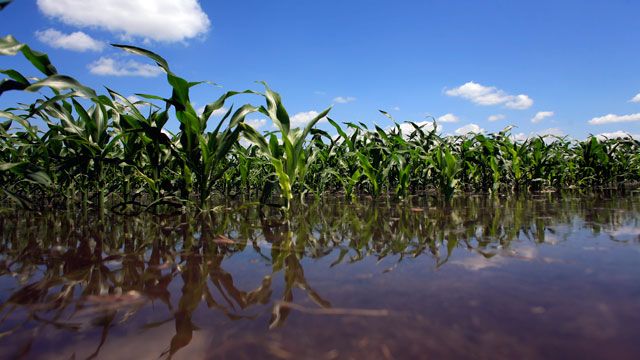
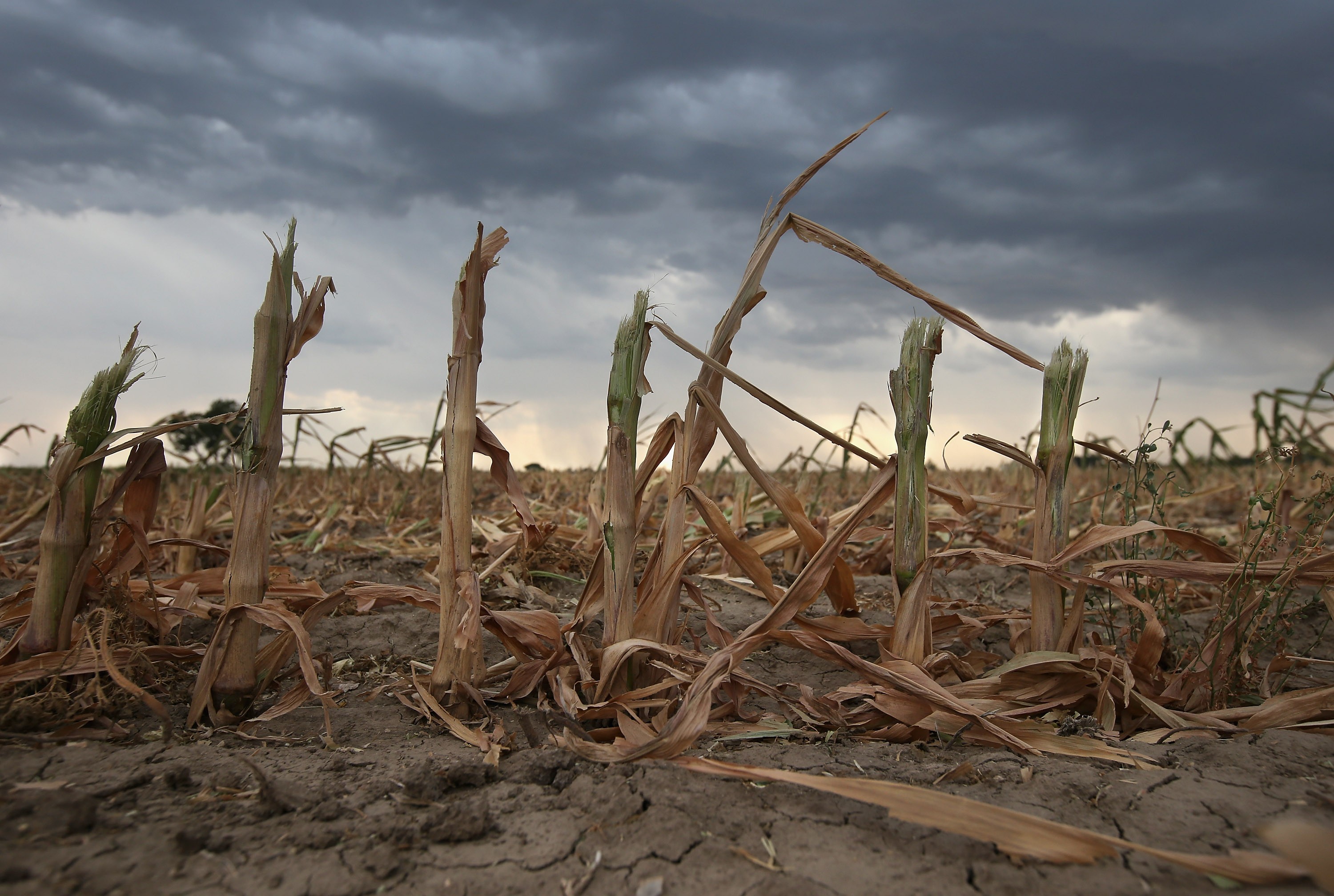
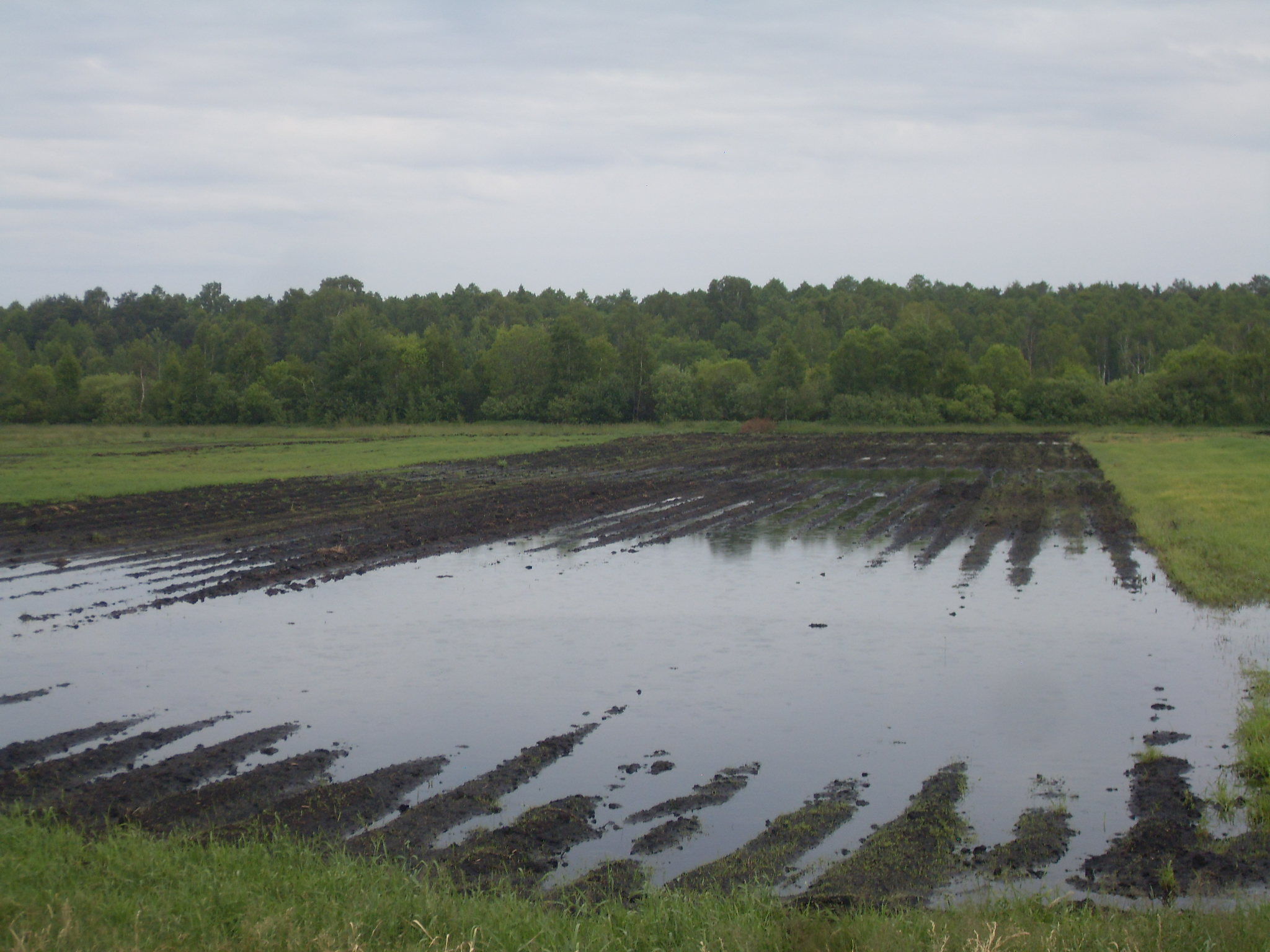
As expected, Indiana farmers have harvested less corn this year due to mixed weather this summer in the Hoosier state. According to the latest U.S. Department of Agriculture forecast, Indiana’s overall corn crop is expected to be 5.6 percent below normal, with some areas, particularly in the north, suffering losses as high as 20 percent. “The unusually dry August and September took its toll on yield potential in many fields, especially those in which corn root development had been compromised by earlier excessive wetness and soil compaction,” Purdue Extension corn specialist Bob Nielsen said. Heavy rainfall and flooding in June and July also affected the corn crop leaving many corn fields saturated, depriving the plants of much-needed oxygen, which caused some of the roots to deteriorate and die. As of Monday, farmers harvested 92 percent of the state’s corn crop, compared to a five-year average of 74 percent for the same date, according to the latest USDA Crop Progress report. The USDA projects that Hoosier farmers will harvest 848.6 million bushels of corn on an average of 156 bushels per acre, down 20 percent from last year’s record 1.08 billion bushels on 188 bushels per acre. “Although the yield results have been uneven, farmers throughout the state took advantage of the recent dry, mostly mild weather to wrap up the harvest earlier than in recent years,” Nielsen said. “The earlier harvest allowed many growers to perform fall tillage operations in their fields, often deep tillage to break up soil compaction created in the prior 12 months by field operations on wet soils.” Source - http://eaglecountryonline.com

11.11.2015

USA - Stanford researchers develop new way to measure crop yields from space

As Earth's population grows toward a projected 9 billion by 2050 and climate change puts growing pressure on the world's agriculture, researchers are turning to technology to help safeguard the global food supply. A research team, led by Kaiyu Guan, a postdoctoral fellow in Earth system science at Stanford's School of Earth, Energy, & Environmental Sciences, has developed a method to estimate crop yields using satellites that can measure solar-induced fluorescence, a light emitted by growing plants. Scientists have used satellites to collect agricultural data since 1972, when the National Aeronautics and Space Administration (NASA) pioneered the practice of using the color – or "greenness" – of reflected sunlight to map plant cover over the entire globe. "This was an amazing breakthrough that fundamentally changed the way we view our planet," said Joe Berry, professor of global ecology at the Carnegie Institution for Science and a co-author of the study. "However, these vegetation maps are not ideal predictors of crop productivity. What we need to know is growth rate rather than greenness." The growth rate can tell researchers what size yield to expect from crops by the end of the growing season. The higher the growth rate of a soybean plant or stalk of corn, for instance, the greater the harvest from a mature plant. "What we need to measure is flux – the carbon dioxide that is exchanged between plants and the atmosphere – to understand photosynthesis and plant growth," Guan said. "How do you use color to infer flux? That's a big gap." Solar-induced fluorescence Recently, researchers at NASA and several European institutes discovered how to measure this flux, called solar-induced fluorescence, from satellites that were originally designed for measuring ozone and other gases in the atmosphere. A plant uses most of the energy it absorbs from the sun to grow via photosynthesis, and dissipates unused energy as heat. It also passively releases between 1 and 2 percent of the original solar energy absorbed by the plant back into the atmosphere as fluorescent light. Guan's team worked out how to distinguish the tiny flow of specific fluorescence from the abundance of reflected sunlight that also arrives at the satellite. "I think of it like crumbs falling to the ground as people are eating. It's a very small trail," said David Lobell, associate professor of Earth system science at Stanford's School of Earth, Energy, & Environmental Science and a co-author of the study. "This glow that plants have seems to be very proportional to how fast they're growing. So the more they're growing, the more photosynthesis they're doing, and the brighter they're fluorescing." The research team saw an opportunity to use this new data to close the knowledge gap about crop growth, beginning with a major corn- and soybean-producing region of the U.S. Midwest. "With the fluorescence breakthrough, we can start to directly measure photosynthesis instead of color," Guan said. The fact that fluorescence can now be detected from space allows researchers to measure plant growth across much larger areas and over long periods of time, giving a much clearer picture of how yields fluctuate under changing weather conditions. "One of the really cool things about fluorescence is that it opens up a whole new set of questions that we can ask about vegetation, and often times it's these new measurements that drive the science forward," said Lobell, who is the William Wrigley Senior Fellow at the Freeman Spogli Institute for International Studies and the Stanford Woods Institute for the Environment. Next steps The research team has already identified a number of potential uses of this approach by agricultural scientists, farmers, crop insurance providers and government agencies concerned with agricultural productivity. If there is a day when the plant is really stressed, the fluorescence will drop significantly, Lobell said. Capturing these short-term responses to environmental changes will help scientists understand what factors plants are responding to on the daily time scale. "That helps us, for example, figure out what we need to worry about in terms of stresses that crops are responding to," Lobell said. "What should we really be focusing on in terms of the next generation of cropping systems? What should they be able to withstand that the current crops can't withstand?" At this early stage, fluorescence measurements are relatively low-resolution (a single measurement covers about 50 square kilometers) and because it is only collected once per day, cloudy skies can interfere with the fluorescence signal. For now, researchers have to supplement the data with other information and with on-the-ground observations to refine the measurements. "Now that we have demonstrated the concept, we hope to soon be orbiting some new satellites specifically designed to make fluorescence measurements with better spatial and temporal resolution," Berry said. The team plans to continue its research on U.S. crop yields while expanding measurements to other parts of the world. "In the future, we hope to directly use this technology to monitor global food production, for example in China or Brazil, or even in your backyard," Guan said. The study was also co-authored by Youngguan Zhang of the International Institute for Earth System Sciences at Nanjing University and the German Research Center for Geosciences (GFZ); Joanna Joiner of the NASA Goddard Space Flight Center Laboratory for Atmospheric Chemistry and Dynamics; Luis Guanter of GFZ; and Grayson Badgley of Stanford's Department of Earth System Science and Department of Global Ecology at the Carnegie Institution for Science. https://youtu.be/Qy6KxquNGuI Source - http://news.stanford.edu

11.11.2015

China - Promotion of disaster bananas

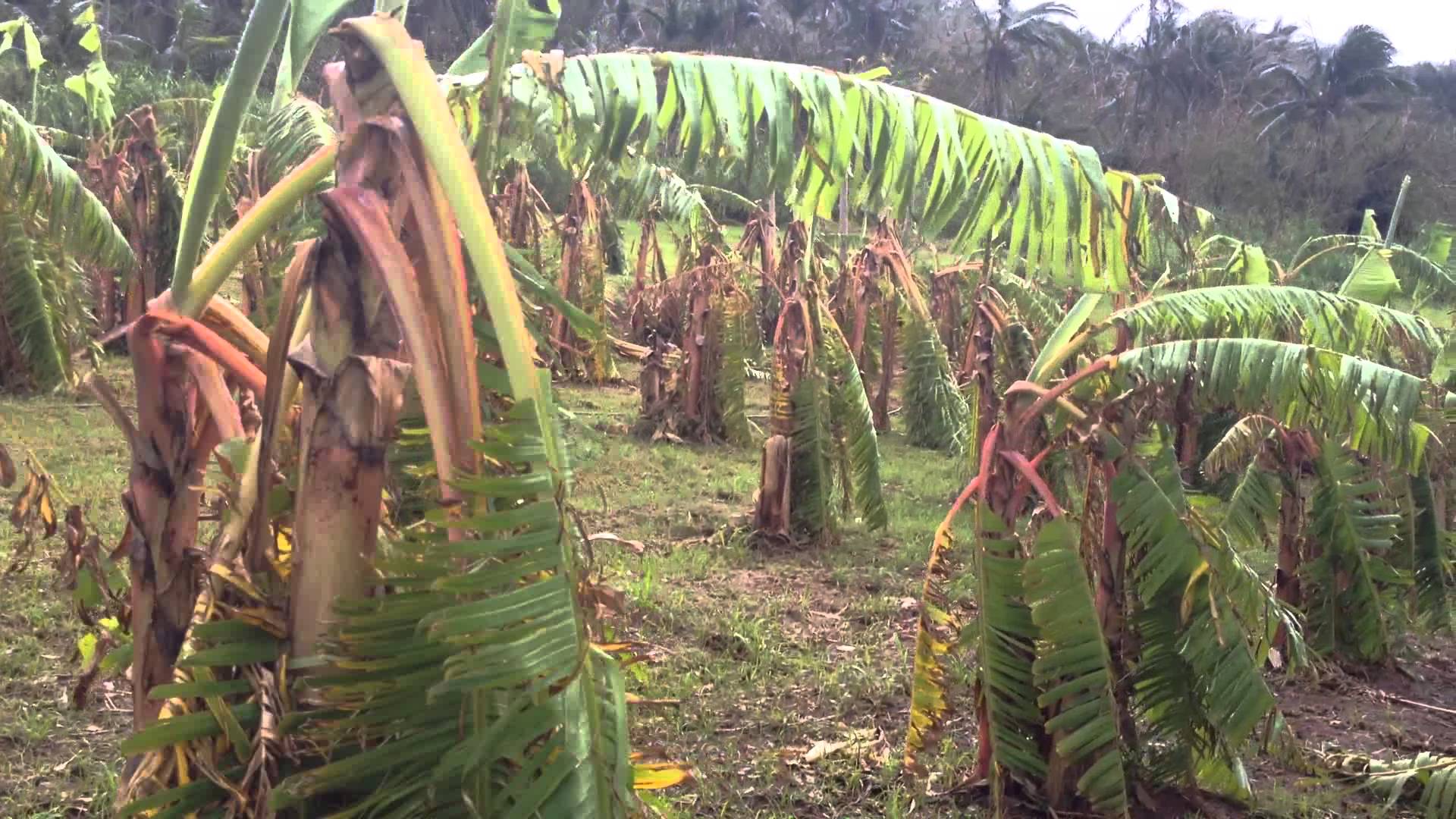
The effect of typhoon Mujigae, that hit South-Eastern China in October, is still visible. Although not all banana trees were blown down, a lot of leafs are rotten causing the banana trees to be unable to absorb nutrition. Also, temperatures were high earlier, causing bananas to ripen fast. This type of banana is in general not very popular with consumers. Earlier the retail price was approximately 2 Yuan per 0.5 kilo. Currently the majority are sold for only 1 Yuan per 0.5 kilo. Most affected are the two counties Bobai and Fumian. In order to lower damages of banana growers, the City Fruit Office has organized buyers from other parts of China to come to Yulin and buy the 'disaster bananas'. The City Fruit Office's bureau Chief, Peng, said that the disaster bananas do not sell because the quality is not good. As a result general prices lay between 0.20 Yuan to 0.30 Yuan. Buyers who came to Yulin after the typhoon have purchased approximately two million tons of bananas. Source - http://www.freshplaza.com

11.11.2015

India - Village is Unit for Crop Insurance

Crop insurance scheme will be implemented with village as unit in five districts in the Rabi season. Under the Modified National Agricultural Insurance Scheme, the agriculture department has decided to implement village as unit in five districts. In Nizamabad, Karimnagar, Medak, Nalgonda and Warangal districts, paddy crop insurance scheme will be implemented with village as one unit. For other commercial crops in these districts, mandal will be the unit for insurance scheme. Source - http://www.newindianexpress.com

11.11.2015

Zambia - Agriculture e-voucher failed

Zambia's electronic voucher system, under farmers Input Support Programme has failed, and the government is distributing farming inputs as done before. President Edgar Lungu launched the mobile and tracking system in October to provide subsidised seeds and fertilizer through private suppliers, with the aim of eliminating corruption and promoting efficiency. The e-voucher system uses mobile technology for the activation and redemption of vouchers, and empowers farmers to select the inputs they need. However, Secretary General of the ruling Patriotic Front, Davies Chama, confirmed the system had failed because e-voucher cards are not ready and those that have been printed have not been verified. He also said some dealers do not have the inputs. "Additionally, the dealers that have the inputs are increasing prices and basically the entire system is not ready." The electronic cards were supposed to be loaded with cash amounting to K1,400 for seeds and fertilizer, but the prices of inputs have almost doubled from K240 to K500 per 50kg of fertilizer from the time the programme was launched, due to the weakening of Zambia's currency. The e-voucher system was in the process of being piloted in 13 districts including Kalomo, Chongwe, Chisamba, Mumbwa and Pemba, targeting 241,000 small-scale farmers. Agriculture Minister Given Lubinda told lawmakers last month through a ministerial statement that the total cost of the programme is K2.1 billion. The government had planned to roll the system out to more districts in order to reach more beneficiaries in the 2016-2017 farming season and beyond, with authorities confident of the system's success based on its proven track record in countries like Malawi, Mozambique and Zimbabwe. Failure now means that farming inputs will be distributed to farmers through cooperatives, a system heavily criticised for its bureaucracy and being prone to corruption. It also means that farmers will not be able to plant their crops on time and will impact on crop production. Source - http://www.freshplaza.com

11.11.2015

USA - Region feels lingering effects of wet weather

The rainy spring resulted in financial challenges this year for many farmers whose crops were damaged or not planted, and it may have residual effects next year. “This year was financially bad. Next year, managerially it will be challenging,” said Ray Massey, Missouri State University professor of agricultural economics. The wet weather in 2015 may affect farmers’ budgeting, weed control, tillage and drainage decisions next year. “Missouri had the most prevented planting in the nation this year,” Massey said. USDA estimates 1.5 million acres were not planted in the state. About 1 million acres of soybeans in Missouri, or about 20 percent of the total crop, weren’t planted. About 500,000 corn acres in Missouri never made it either. Illinois was second in the nation with 300,000 prevented planting acres. While the majority of Missouri farmers have crop insurance, even those with coverage aren’t showing a profit, he said. For example, Missouri corn growers had expected 140 bushels per acre, at a price of about $4.15 per bushel, to earn about $581 per acre. For farmers who bought insurance at 75 percent protection, they would get about $435 in guaranteed revenue. But those who didn’t get the crop planted only get 60 percent of that, or about $261 per acre for prevented planting, Massey said. Investing in drainage Matt Helmers, Iowa State University professor of agricultural engineering, expects drainage installers to be busy this fall and next spring. Anytime there are excess wetness issues, people think about enhancing drainage. This year, that tendency is partially offset by the lower commodity prices, he said. However, farmers are increasingly looking at controlled drainage in conjunction with structures to manage the water table and in some cases, hold water back, Helmers said. The systems also help keep nitrogen out of the streams. Weed battles Where crops couldn’t be planted this season, farmers will likely see more weed management issues next year, Massey said. “A lot of farmers just have fields of weeds. There are a lot of sorry looking acres,” Massey said. Weeds will be a problem not only in areas where crops weren’t planted and weeds took control, but also where rainy weather prevented farmers from getting post-emergent weed control done on time or at all. This year showed the danger of putting all your weed control into post emergence options, said Aaron Hager, University of Illinois Extension weed specialist. Even a modest yield reduction of 20 percent caused by poor weed control can mean a loss of about $100 an acre with $9 soybeans, he calculated. Source - http://www.midwestproducer.com

11.11.2015

USA - USDA extends deadline to increase protections for forage crop losses

USDA Wisconsin Farm Service Agency (FSA) Acting Executive Director Warren Hanson announced that the deadline for producers to obtain or modify higher levels of coverage through the Noninsured Crop Disaster Assistance Program (NAP) to protect against poor forage crop quality because of drought or other natural disasters where the forage is intended for mechanical harvest has been extended to Nov. 13. “For some 2016 forage crops, the application deadline for NAP occurred before information became available to measure losses due to quality that could influence loss payments, so we extended the deadline so that producers have more time to decide what type of modified coverage works best for their operation,” Hanson said. The Noninsured Crop Disaster Assistance Program protects agricultural crops for which crop insurance is not available from losses due to natural disasters, such as drought, freeze, hail, excessive moisture, excessive wind or hurricanes. The program offers basic coverage at 55 percent of the average market price for crop losses exceeding 50 percent of expected production, and higher levels of coverage, up to 65 percent of expected production at 100 percent of the average market price. Higher coverage is not available on grazing crops. However, the extension does not afford producers the opportunity to purchase basic 50/55 NAP coverage. Producers interested in adjusting their NAP coverage must submit the appropriate paperwork to their local FSA county office before the Nov. 13 deadline. Source - http://lacrossetribune.com

10.11.2015

Romania - Growers affected by drought will receive compensations

The Romanian government has decided to launch a state aid system to compensate the growers affected by the severe drought registered between April and September 2015, the rules of which will be regulated by an emergency ordinance. The body responsible for the implementation of this compensation scheme will be the Agency for Payments and Intervention in Agriculture. Compensation payments will be awarded for losses of income with any of the following crops: maize, sunflower, soybean, potatoes, sugar beet, field vegetables, fodder plants, pastures and hay fields. "The drastic reduction of the agricultural production in the affected areas has significantly reduced the income of producers, which could lead to them being unable to resume the production cycles," explained the Ordinance. To be eligible for aid, potential beneficiaries must meet the following criteria: - To hold an official report and damage assessment, completed in the period between 1 April 2015 and 20 October 2015, confirming the loss of more than 30% of the production. - To be registered at the Agency for Payments and Intervention in Agriculture (APIA) for the year 2015. Source - http://www.freshplaza.com

10.11.2015

Kenya - Nakuru farmers unaware of crop, livestock insurance

Hundreds of small-scale farmers in Nakuru County are unaware of the necessity to insure their crops and livestock against loss in case of prolonged dry spell and disease attack, an agricultural specialist has said. According to David Kimani, although banks have launched crop and livestock insurance products, the targeted small scale farmers are still in the dark over their existence. “From my experience of working with the small scale farmers in Nakuru County, I have realised that many of them do not even know what an insurance is and how it works,” he said on Monday in Rongai after meeting more than 50 farmers who had visited a local farm to learn about farming watermelons. The agricultural specialist noted the need to sensitise the farmers on the insurance as it could save them from the financial burden of starting afresh upon loss of farm possessions. He said the county government could collaborate with the respective banks providing the products in creating awareness on the benefits of the insurance. “It is very sad when a farmer loses everything to a disease or drought and does not have a means to get back on his or her feet,” he said. He however encouraged farmers to seek advice from agriculture officials as they have rich information on how to avoid total crop and livestock losses. Source - http://www.hivisasa.com

10.11.2015

USA - Flake, Shaheen introduce Crop Insurance Reform Bill

The Assisting Family Farmers through Insurance Reform Measures (AFFIRM) Act was introduced Thursday by Sens. Jeff Flake (R-AZ) and Jeanne Shaheen (D-NH). AFFIRM (S. 2244) is a bipartisan reform bill that has the potential to save taxpayers $24.4 billion in the next decade. The bill would lower the Standard Reinsurance Agreement (SRA) rate of return from 14.5 percent to 8.9 percent, saving taxpayers an estimated $3 billion. It would also eliminate a restriction in the 2014 Farm Bill prohibiting USDA from getting any savings from renegotiating the SRA. Thirdly, it would eliminate subsidies known as Harvest Price Option, saving $19 billion. “Taxpayers and farmers alike deserve a federal crop insurance program that realistically reflects our current fiscal situation, and – with over $24 billion in savings – that’s exactly what this bill delivers,” Flake said. Finally, it would limit the total value of crop insurance subsidies to $40,000 per person each year and eliminate subsidies for those with a gross income of more than $250,000, saving taxpayers an estimated $2.3 billion. “The costs of this program are skyrocketing unnecessarily,” Shaheen said. “We can ensure protections for farmers without putting taxpayers on the hook for excessive subsidies to insurance companies and large agri-businesses that don’t need the help. We are proposing common-sense reforms that will save taxpayers billions of dollars, and Congress ought to act on this bipartisan proposal.” Source - http://cropprotectionnews.com

10.11.2015

Canada - Crop conditions saw some improvement following tough start to season

Some producers have reported improved crop conditions following what started out as a dry growing season with intermittent hailstorms, said an Agriculture Financial Services Corporation (AFSC) spokesperson. The AFSC had originally forecast the cost of insurance claims throughout the province to range between $700-900 million this growing season. But the total payout was recently pegged at about the $300 million mark, which includes pre-harvest, hail, dry condition and some post-harvest claims, said Nikki Booth. Last year saw good, strong quality crops as well as yields but also plenty of hail, and the AFSC paid out just shy of $400 million in insurance claims. However, this year’s final total will yet go up. “We’re not done the season,” Booth said during a phone interview on Nov. 5. “Harvest is still going on.” The AFSC is still working through post-harvest claims, which will likely continue until about the end of November and the final total will indicate whether the forecast was accurate, she said. With the rain that came later on in the season, some producers did start to see some changes in their crops’ quality and yields, which has impacted the situation on a positive note, she said, adding that with claims still being received, the extent of that impact is not yet known. Mountain View County is located in Parkland, which is one of four regions outlined by AFSC. The Parkland region stretches from Camrose down to Drumheller and all the way over to Oyen and Provost. The Southern region goes from the Balzac-Calgary area down south. The Central region starts at Leduc and reaches up to Athabasca, and the North region covers the rest of the province heading north. The areas hit hardest by hail and dry conditions in Alberta this year were in the southern part of the province and in the Parkland region, which had the highest number of claims. But compared to other parts of the province, crops in the county fared relatively well, she said. “It’s been a bit of a mixed bunch of conditions this year. It has been a really unique year, that’s for sure,” she said. There is no average or typical claim, as each one depends on the operation and its location in the province. From hail to dry conditions, the kinds of claims are “really quite varied.” The weather throughout the harvest season has been great, and there was no killing frost for quite some time. The first frost was towards the end of September, more in the central part of the province, but it didn’t seem to have negatively impacted harvest too much. For this time of year, conditions have not been bad at all, she said. “Given how the season started out and where we are now, there has been some turnaround,” she said. But it’s a matter of waiting to see what that will mean for crop yields and quantities. Still, some producers were somewhat surprised by the changes in their yields and quantities, she said. “Based on crop reports that we’ve been seeing, there could be some positive changes,” she said. Of course one cannot speculate on the final outcome until all the post-harvest claims are in, she said. AFSC employees spend a lot of time in the field talking to clients. With 46 offices throughout the province, the staff is really imbedded in the communities. Losing crops is a major hardship for producers, whose livelihoods depend on a good harvest, so AFSC endeavours to process claims as quickly as possible, she said. “Some of our staff are producers as well. They know what it’s like,” she said. Source - http://www.mountainviewgazette.ca

10.11.2015

India - Central team arrives to study crop loss

In what must have come as a major relief for the state government, a central team visited four districts of the state on Monday to take stock of crop loss due to drought. The state government is facing a serious financial crisis. Its coffers are empty and it needs at least Rs 8,000 crore to provide relief to the farmers whose Soyabean crops have been ruined due drought and pest. The state government has been pleading to the Centre for an aid package of Rs 2,500 crore for quite some time now. Besides the Chief Minister, many ministers have visited Delhi and met central ministers in this connection. However, thus far, the response of the Central government was cold. What is more, the Chief Minister Shivraj Singh Chauhan could not even protest publickly against his own party’s government. The state government, on November 5, has obtained the nod of the legislature to a Rs 8,000-odd crore supplementary budget to fund the relief effort. The visit of the central team is an indication that the Union government has taken the state’s demand under consideration. The central study team took stock of crop loss due to drought in Umaria, Rewa, Shahdol and Katni districts on Monday. Officers of districts and divisions accompanied the study team. The study team inspected crop loss at village Govarde in Manpur development block of Umaria district and held discussions with farmers at Chaupal. They talked to villagers and officers regarding sowing for Rabi season, irrigation resources and availability of drinking water till summer. The Central study team visited villages in Raipur, Mangawan and Hanumana tahasils of Rewa district. The villages included Nadaha, Semri Kalan, Hardi Number 2 Nawagaon, Arjunpur, Paikan and Masuriya. The held detailed discussions on crop cutting experiment, survey and list of affected farmers. The team visited Rewa Krishi Upaj Mandi and inspected quality of crop. The members also held discussions with Janardan Mishra on the situation. The Central study team visited villages Aswari and Malthar in Gohparu development block of Shahdol district. They inspected crops and held discussions with farmers. The team members also took stock of availability of drinking water, animal fodder and other arrangements. The Central study team visited villages Badwagon and Guruji Kalan in Katni district and Raipura some villages in Panna district. The team members took stock of crop loss in held discussions with officers and villagers regarding the situation. Source - http://www.freepressjournal.in

10.11.2015

USA - WDFW proposes shifting crop loss expense to farmers

Farmers would pay up to $600 to file a claim for crops damaged by deer or elk under a proposed Washington Department of Fish and Wildlife policy. Farmers who lose crops to elk or deer would pay up to $600 to file a claim under a policy that the Washington Fish and Wildlife Commission will consider Friday. According to written administrative rules, the state will pay for an adjuster to assess damages. In actual practice, wildlife managers have for several years required the farmer to split the adjuster’s fee with the state, with the farmer’s share capped at $600, WDFW’s game division manager, Mick Cope, said. The Fish and Wildlife Commission voted two years ago to bring the written code in line with the department’s practice. Cope said the change was never made because of a technical error. Cope estimated 15 to 30 farmers were charged for adjuster services over the past two years. WDFW will reimburse those people, he said. The policy, though adopted in 2013, will come before the commission again as part of an overhaul of rules related to compensating farmers and ranchers for wildlife damage. The Washington Farm Bureau on Thursday sent an email to members rallying opposition to the adjuster-fee policy. “The department might argue that this $600 will not actually be paid by the farmer since it will be deducted from the final damage claim check issued by the state. But in very real terms it is an automatic $600 deduction off of each reimbursement check a farmer receives,” according to the farm bureau. Cope said splitting the fee discourages frivolous claims, which could cut into the pot of money WDFW has to pay legitimate claims. The compensation program has not been running out of money, he said. Farm Bureau director of government relations Tom Davis said filing a claim is a “hassle” for farmers, who must provide tax records and document yields in previous years. “To me, it’s an unnecessary slap to a farmer,” he said. “It doesn’t hurt the program (for the state) to pay the full cost of the assessment.” Farmers who have signed damage-prevention agreements or followed a WDFW checklist for preventing crop losses are eligible to apply for up to $10,000 in compensation. The damage must be at least $1,000. The commission meeting will begin at 8 a.m. Nov. 13 in the state’s Natural Resources Building, room 172, 1111 Washington St. S.E. in Olympia. The commission is scheduled to take public comments at 8:15 a.m. The commission is scheduled to take up the wildlife interaction rules at 10:30 a.m. Source - http://www.capitalpress.com/

09.11.2015

USA - 2015 yields many 'raw emotions' in farmers

South Carolina Commissioner of Agriculture Hugh Weathers is the state's lead agricultural official, but he is also a Bowman row-crop farmer. The historic floods last month dumped 15 inches of rain on his farm, leaving him wondering if there will be any crop to harvest this year. "This is a lot more difficult than most of the disasters," he said. "We face a lot of decisions right around harvest time. A lot of timing issues makes it the worst time it could happen." Weathers got a bird's-eye view of the storm immediately following the heavy rains. What he saw were thousands of farm acres under water, farm buildings standing in the midst of waters and farm roads washed away. The SCDA, along with the U.S. Department of Agriculture Farm Service Agency and Clemson Extension Service, began initial damage assessments with preliminary estimates being that direct crop losses from the flood may exceed $300 million. Low-lying farmland adjacent to river systems and creeks was most severely impacted. The crops affected include peanuts, cotton, fall vegetables, soybeans and some timber. It was a one-two punch to area farmers. "You were dealing with a drought the whole time you were trying to produce a crop; now you are dealing with flooded fields to get the crop out," Weathers said. "It is a complete swing of the pendulum." Weathers said he has never seen such a year in agriculture. "We have had hurricanes. They come through and they give us seven to eight inches or rain and wind damage," he said. "It can blow a crop down. This is totally different." What farmers will do will vary according to their individual needs, but Weathers said crop insurance will most likely be needed to help the farmer survive 2015. "It is insurance," he said. "It does not make you whole." Moldy and overly mature peanuts, discolored cotton and low-quality lint were all concerns as crops sat in the field waiting after the flooding. "If a cotton stalk is standing out there without its leaves protecting it, then that 15 inches of rain knocked a fair amount of that cotton to the ground," Weathers said. "That is not even harvestable." This is lost revenue, Weathers said, adding that an acre of peanuts can be between $900 and $1,000. In The T&D Region alone, he estimated there were about 15,000 acres of peanuts dug up waiting to dry out and be harvested. "The decision to dig is almost picking the lesser of two evils," he said. Weathers said the SCDA is advising farmers to "know the details" of their policy to determine whether or not harvesting makes economic sense. He said the department is also looking to find ways to help those few farmers who don't have crop insurance coverage to survive another year. "There was very little usage of non-traditional crop insurance policies," he said, noting under the new farm bill crop, insurance is mandatory. Weathers said many farmers are going to struggle to get by this year. "There are no rich farmers who haven't worked hard and very hard for a lot of years to help pay off some of their debt so their cash flows are better," Weathers said. "The markets over the last two years have allowed farmers to invest back into their farms ... all designed around making them more able to withstand the next dry season." Vegetable and fruit farmers do not have crop insurance. They have whole farm revenue insurance, which is a new part of the farm bill. Weathers said the federal government has been slow in providing information to farmers on how this insurance works. "The federal regulators of the U.S. Department of Agriculture and Congress need to take some responsibility for being so late in telling that group of farmers, 'Here is what the insurance will do for you and here is what it will cost,'" Weathers said. "We are going to try to make that case in terms of our farmers." Though row-crop farmers have been the hardest hit by the historic floods, poultry farmers are working to repair access roads to get feed trucks to their flocks. Livestock and poultry assessments continue in impacted areas. "We did not have any problems getting to our dairy farmers," said Weathers, who was formerly in the dairy business. Today, he along with his brother, Landy, transport milk for about 25 dairy farms across the state. Timber harvest will resume when the logging roads are passable, with the most heavily impacted areas being those with newly planted pines. "We have been through crises before," Weathers said, referring to the early 1980s politically influenced grain embargo. "We survived that and that was a real difficult decade. This one will be similar." The embargo banned the export of grain and technology to the Soviet Union in response to the invasion of Afghanistan in 1979. The embargo was in place for a little more than a year, causing commodity prices to drop. Weathers said 2015 may cause some older farmers to question farming another year, and there have been a lot of "raw emotions" for many farmers when looking at their investment under water. But Weathers said the department is there for farmers. "We want to turn over every stone we can to provide whatever assistance we can," he said. State Farmers Market Beyond the flooding, the SCDA has also experienced some other challenges. One is with the State Farmers Market. The market, which is a public-private partnership between the Department of Agriculture and private businesses, has not been able to bring in the retail revenue and the non-market revenue experienced at the former Bluff Road site located across the street from the University of South Carolina football stadium. It has been running at a deficit. The lack of revenue has been supplemented through General Assembly appropriations of about $300,000 a year since 2013. The market opened in 2010. State auditors have suggested the Department of Agriculture take steps to improve oversight of vendors and developers to increase revenue, such as taking care to collect certain fees and increasing rent for buildings on the site. Another suggestion has been to charge fees, such as admission, for special events and parking. Weathers has taken issue with the audit, noting the review does not present a complete picture of the market and its operations. "The appropriation to the farmers market supports all three farmers markets (Greenville, Columbia and Florence) in the state," Weathers said, noting taxpayer support of state farmers markets is common practice in neighboring states of Georgia, North Carolina and Virginia. "When we were at the old market, we had an extra source of revenue from parking football fans. When we went to the new market, we thought we would generate enough business to replace that. We were wrong." The relocation of the farmers market from Richland to Lexington counties was controversial. Construction began on a new market in Richland County at Interstate 77 in June 2006, but a survey of wholesalers showed the location might not be viable. Two years later, the General Assembly authorized up to $22.5 million for relocating the market to Lexington County. The year-round market on about 200 acres off U.S. 321 has a sprawling campus consisting of a retail and an agribusiness section. Weathers, who came into office after the decision to move the market, defended the new location, saying its visibility is ideal near the interstate and it has room for plenty of expansion. "It does well as a wholesale market and it does well for farmers to come and sell within the market to wholesalers," Weathers said, noting from this standpoint, the market has been a success. "We have had a struggle making it into a retail market like we had in downtown Columbia. The challenge to make it a successful retail market is still there." Weathers said in many ways, smaller community farmers markets are competing with the state farmers market. In an effort to increase revenues, Weathers said the farmers market will look to add more events to increase traffic. One hope for increasing traffic flow is to locate the S.C. Department of Natural Resources' recreation division hunting and boating licensing office in one of the buildings and to move a retail market into one of the sheds on the campus. Currently, DNR offices are on Assembly Street in downtown Columbia. DNR spokesman Brett Witt said the option has been discussed but a decision has not been finalized. "The model of most every state farmers market is they are not self-sustained," Weathers said. "It has been my goal since we have achieved it before." Major wholesale vendors present at the market include Clayton Rawl Farms Inc., SuperSod, Senn Brothers Inc., Severt & Sons Produce Co. and Raybon Tomato "The wholesalers are really the heart and soul of our market," he said, noting they did not want to go to Richland County by I-77. "Those wholesalers said to me, 'We are not going there.' That was a very trying time." Source - http://thetandd.com

09.11.2015

USA - Farm Briefs: Nov. 8, 2015

The deadline for producers to obtain 2016 coverage through the Noninsured Crop Disaster Assistance Program (NAP) to protect against poor forage quality has been extended to Nov. 13, according to USDA Farm Service Agency (FSA) County Executive Director Jennifer Bosley. The program protects agricultural crops for which crop insurance is not available from losses due to natural disasters such as drought, freeze, hail, excessive moisture, excessive wind or hurricanes. The program offers basic coverage at 55 percent of the average market price for crop losses exceeding 50 percent of expected production and higher levels of coverage up to 65 percent of expected production at 100 percent of the average market price. Forage-quality-loss protection is only available on the higher levels of Noninsured Crop Disaster Assistance Program coverage. Higher coverage is not available on grazing crops, and the extension does not apply to the purchase of basic 50/55 coverage. Producers meeting the Beginning Farmer, Limited Resource or Under-served definitions are eligible for fee waivers and premium reductions. Producers in Franklin County are encouraged to contact the Franklin County FSA office at 151 Finney Blvd. in Malone or call 483-2850, option 2, for more information. Clinton and Essex County farmers can contact the Clinton-Essex FSA office by calling 561-4616, option 2, or visiting the office at 6064 Route 22, Plattsburgh. Dairy Day to be held at Miner Institute CHAZY — Miner Institute’s annual Dairy Day meeting will be held from 10 a.m. to 3 p.m. Wednesday, Dec. 2, at the Joseph C. Burke Education and Research Center, 586 Ridge Road, Chazy. This meeting is free and open to the public. This year’s speakers include Dr. Joe Hogan of Ohio State University; and Dr. Rick Grant, Dr. Heather Dann, Melissa Woolpert and Kurt Cotanch from Miner Institute. Hogan will give a talk titled "Mastitis: Myths, Mayhem and Madness"; Grant will give a talk titled "Hell’s Kitchen, Feeding your Cows to Win"; Dann will give a talk titled "Ruminations about Chewing"; Woolpert will give a talk titled "Bulk up your Bulk Tank, Strengthening your Cows Fat and Protein Fitness"; and Cotanch will give a talk titled "Fiber Nuggets: Breakfast of Champions." Vendors will be available throughout the day. Door prizes are available and hot lunch is offered for $5 per person. Source - http://www.pressrepublican.com/

09.11.2015

USA - Legislation Cuts Crop Insurance To Save Money

A Pair of Wisconsin Representatives have introduced the Assisting Family Farmers through Insurance Reform Measures (AFFIRM) Act. The measure will make cuts to crop insurance to save taxpayers an estimated $24.4 billion over 10 years. Democrat Congressman Ron Kind, a known critic of farm subsidy programs, claims the bill will still providing a strong safety net for family farmers. Kind says the current crop insurance system is extremely wasteful and “in need of major reform.” Republican Congressman Jim Sensenbrenner agrees, he says the bill would save taxpayers $24.4 billion. He adds, the bill makes cuts “to reduce unnecessary subsidies directed towards our country’s largest and most profitable farms and agribusinesses.” This legislation comes a week after Congress passed a budget agreement, which lowered the profit margin to crop insurance companies to 8.9 percent from 14 percent to generate $3 billion in savings. Source - http://whotv.com/

912
of 1224