


USA - Stanford researchers develop new way to measure crop yields from space
11.11.2015 370 views
As Earth's population grows toward a projected 9 billion by 2050 and climate change puts growing pressure on the world's agriculture, researchers are turning to technology to help safeguard the global food supply.
A research team, led by Kaiyu Guan, a postdoctoral fellow in Earth system science at Stanford's School of Earth, Energy, & Environmental Sciences, has developed a method to estimate crop yields using satellites that can measure solar-induced fluorescence, a light emitted by growing plants.
Scientists have used satellites to collect agricultural data since 1972, when the National Aeronautics and Space Administration (NASA) pioneered the practice of using the color – or "greenness" – of reflected sunlight to map plant cover over the entire globe.
"This was an amazing breakthrough that fundamentally changed the way we view our planet," said Joe Berry, professor of global ecology at the Carnegie Institution for Science and a co-author of the study. "However, these vegetation maps are not ideal predictors of crop productivity. What we need to know is growth rate rather than greenness."
The growth rate can tell researchers what size yield to expect from crops by the end of the growing season. The higher the growth rate of a soybean plant or stalk of corn, for instance, the greater the harvest from a mature plant.
"What we need to measure is flux – the carbon dioxide that is exchanged between plants and the atmosphere – to understand photosynthesis and plant growth," Guan said. "How do you use color to infer flux? That's a big gap."
EVENTS

ScaleAgData Stakeholder Engagement Event
22.10.2024The ScaleAgData project is pleased to invite you to our second stakeholder event. Building on the discussions and connections formed during our first webinar, this event will focus on fostering collaboration among stakeholders, providing updates on our project’s progress, and outlining future opportunities for engagement.
RISK EVENTS

Moldova - May frosts caused heavy damage to fruit orchards
10.05.2026The first frosty nights of May have significantly worsened estimates of damage to Moldova's fruit sector from spring frosts. According to initial assessments by fruit market operators, between a quarter and a third of the country's total orchard area was seriously affected.
26.05.2026
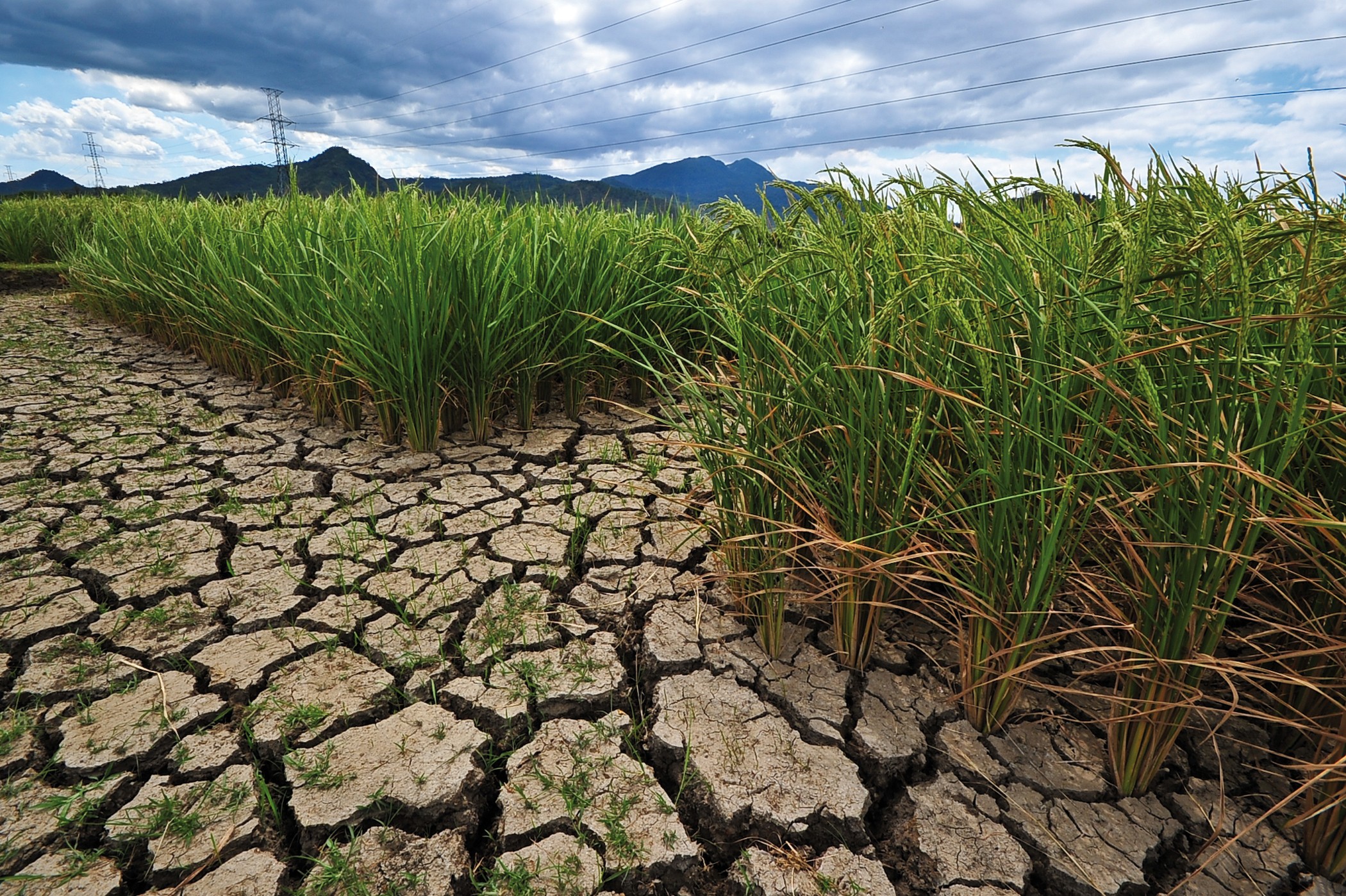
“Timac Agro Ukraine” launches crop insurance against drought
Timac Agro Ukraine, in collaboration with the insurance company PZU, has launched a crop insurance program against drought for farmers in five regions of Ukraine.
26.05.2026

Hansen announces "dialogue with the EIB on new agricultural insurance models"
Integrated European framework for climate resilience 'is on the way'.
26.05.2026
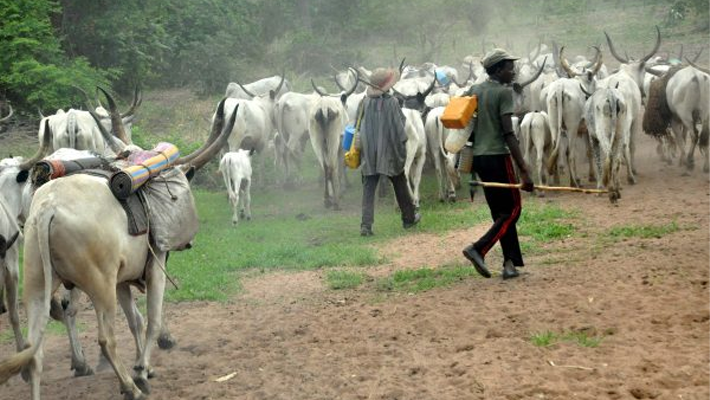
Nigeria - Oyo Steps up Enforcement Against Illegal Livestock Trading, Open Grazing
The Oyo State Government has stepped up enforcement against illegal livestock trading and open grazing, arresting offenders and impounding animals in parts of Ibadan during a fresh compliance operation.
26.05.2026
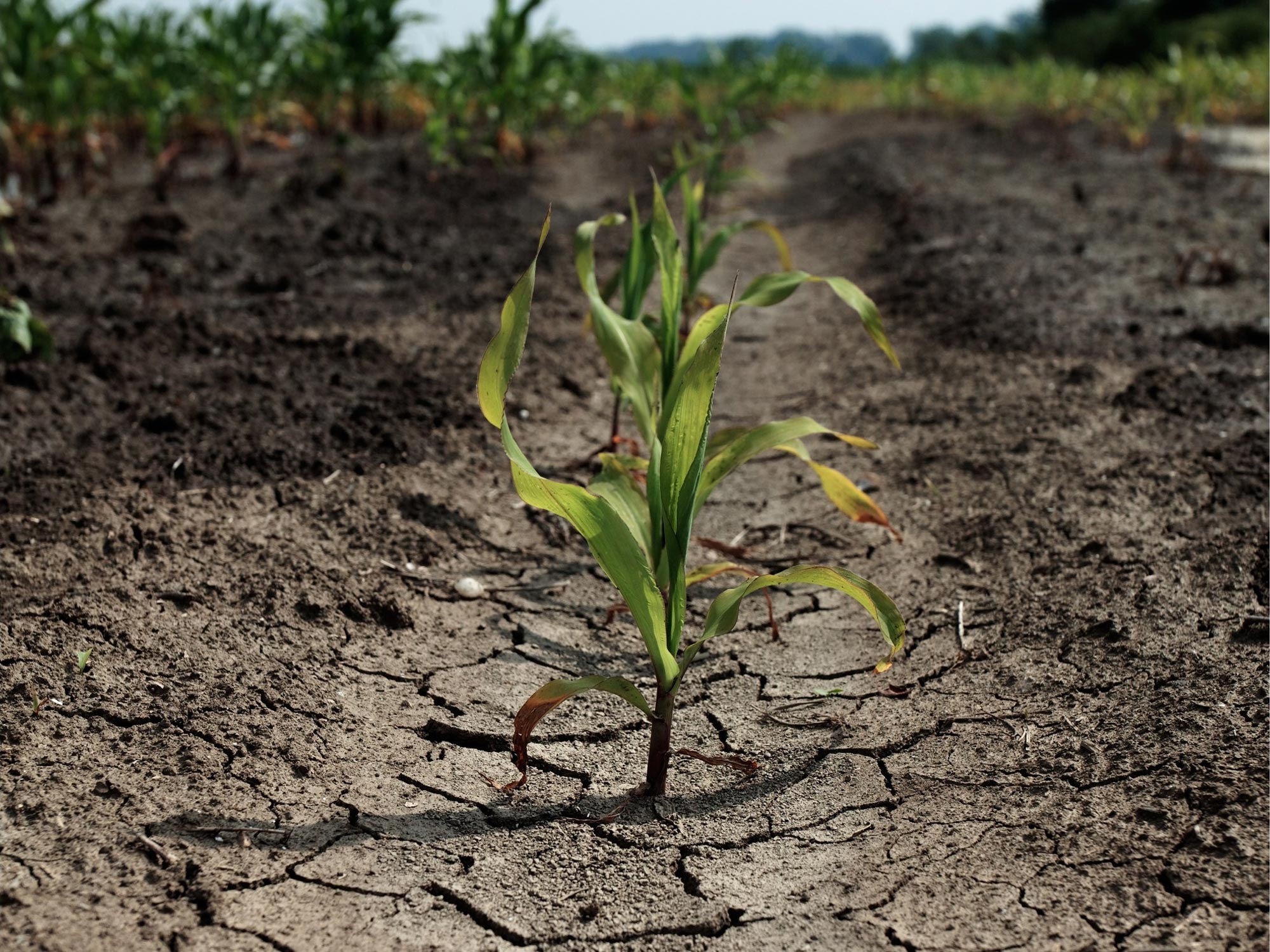
Philippines - Tacloban braces agri, health mitigation measures amid looming super El Niǹo
The City Government of Tacloban has intensified its preparations and mitigation measures as the threat of a possible Super El Niño continues to loom over several parts of the country, bringing concerns over prolonged dry spells, water shortages, and impacts on agriculture and public health.
26.05.2026
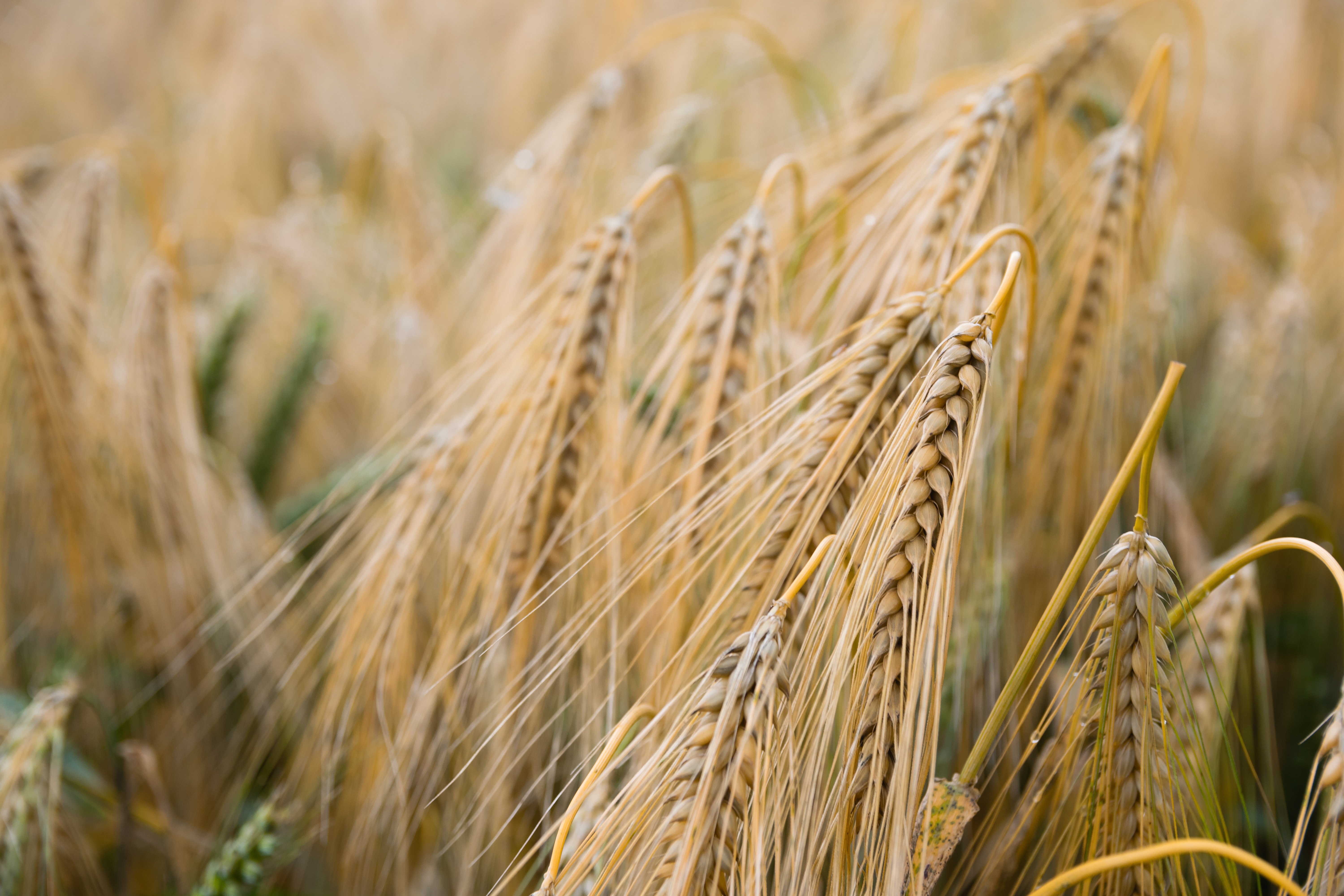
India - Punjab Govt Deploys 500 Teams for Special Girdawari as Rains Damage Wheat
In Punjab, to calculate the damage done to the standing crops in the fields due to the inclement weather for the last many days, the state government has formed teams of 500 officials from the agriculture department to assess losses.
26.05.2026
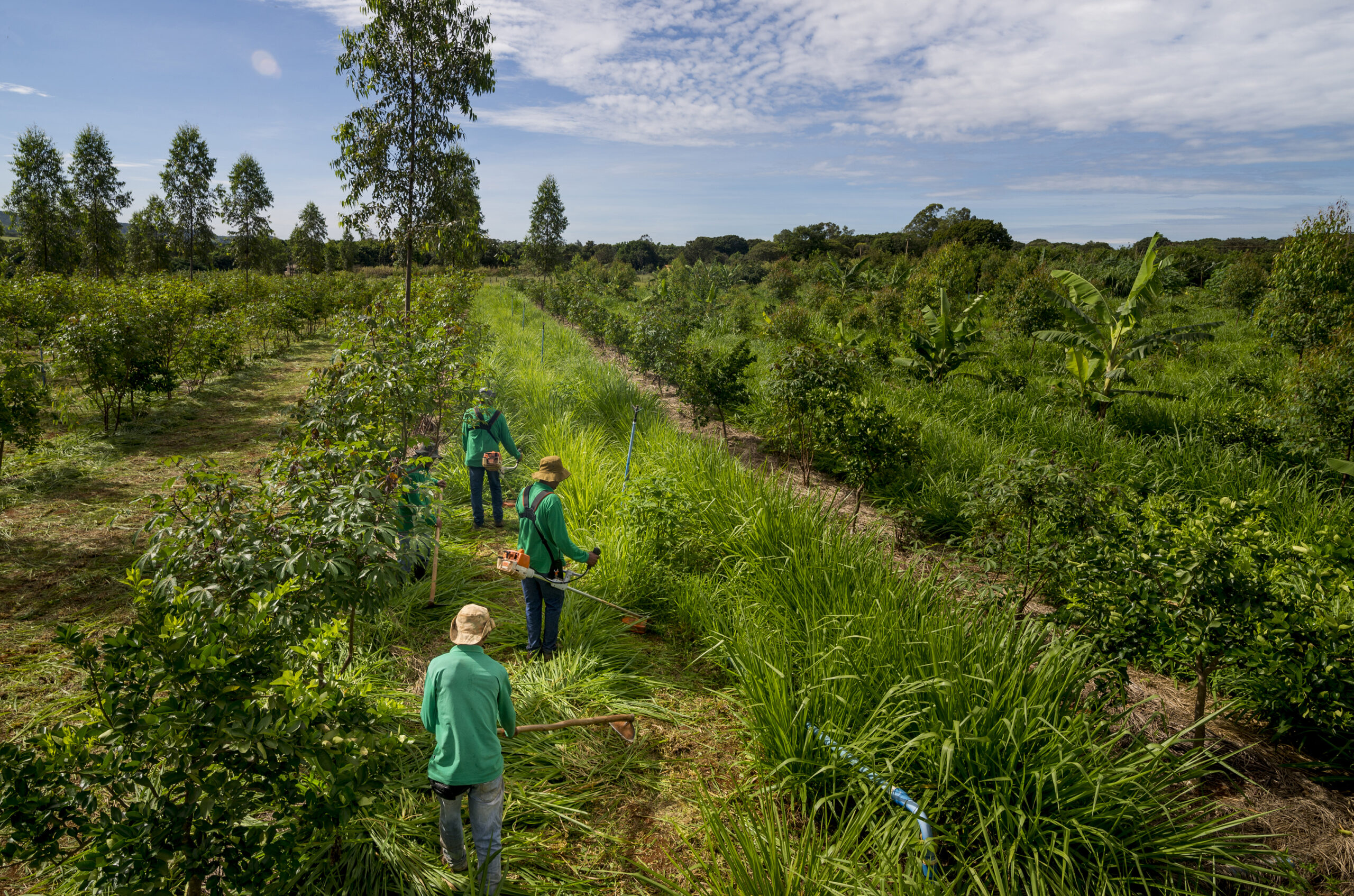
Brazil - Agricultural insurance plummets in Paraná, putting the sector at risk.
Cevio Alberto Mengarda, a soybean and corn producer in Marechal Cândido Rondon, in the western region of Paraná, followed in his father's footsteps in agriculture and today manages the family property.
25.05.2026
Algeria - CASH Assurances to diversify into agriculture insurance
CASH Assurances will launch agriculture insurance plans in June 2026, as part of its diversification strategy.
25.05.2026
U.S. specialty crop growers push for stronger Farm Bill support
Specialty crop growers in the U.S. are calling for stronger support measures in the 2026 Farm Bill, particularly around risk management, market access, and crop insurance.
