


Zambia - Agriculture e-voucher failed
11.11.2015 458 views
Zambia's electronic voucher system, under farmers Input Support Programme has failed, and the government is distributing farming inputs as done before.
President Edgar Lungu launched the mobile and tracking system in October to provide subsidised seeds and fertilizer through private suppliers, with the aim of eliminating corruption and promoting efficiency. The e-voucher system uses mobile technology for the activation and redemption of vouchers, and empowers farmers to select the inputs they need.
However, Secretary General of the ruling Patriotic Front, Davies Chama, confirmed the system had failed because e-voucher cards are not ready and those that have been printed have not been verified. He also said some dealers do not have the inputs. "Additionally, the dealers that have the inputs are increasing prices and basically the entire system is not ready."
The electronic cards were supposed to be loaded with cash amounting to K1,400 for seeds and fertilizer, but the prices of inputs have almost doubled from K240 to K500 per 50kg of fertilizer from the time the programme was launched, due to the weakening of Zambia's currency. The e-voucher system was in the process of being piloted in 13 districts including Kalomo, Chongwe, Chisamba, Mumbwa and Pemba, targeting 241,000 small-scale farmers.
Agriculture Minister Given Lubinda told lawmakers last month through a ministerial statement that the total cost of the programme is K2.1 billion.
The government had planned to roll the system out to more districts in order to reach more beneficiaries in the 2016-2017 farming season and beyond, with authorities confident of the system's success based on its proven track record in countries like Malawi, Mozambique and Zimbabwe.
Failure now means that farming inputs will be distributed to farmers through cooperatives, a system heavily criticised for its bureaucracy and being prone to corruption. It also means that farmers will not be able to plant their crops on time and will impact on crop production.
Source - http://www.freshplaza.com
EVENTS

ScaleAgData Stakeholder Engagement Event
22.10.2024The ScaleAgData project is pleased to invite you to our second stakeholder event. Building on the discussions and connections formed during our first webinar, this event will focus on fostering collaboration among stakeholders, providing updates on our project’s progress, and outlining future opportunities for engagement.
RISK EVENTS

Moldova - May frosts caused heavy damage to fruit orchards
10.05.2026The first frosty nights of May have significantly worsened estimates of damage to Moldova's fruit sector from spring frosts. According to initial assessments by fruit market operators, between a quarter and a third of the country's total orchard area was seriously affected.
26.05.2026
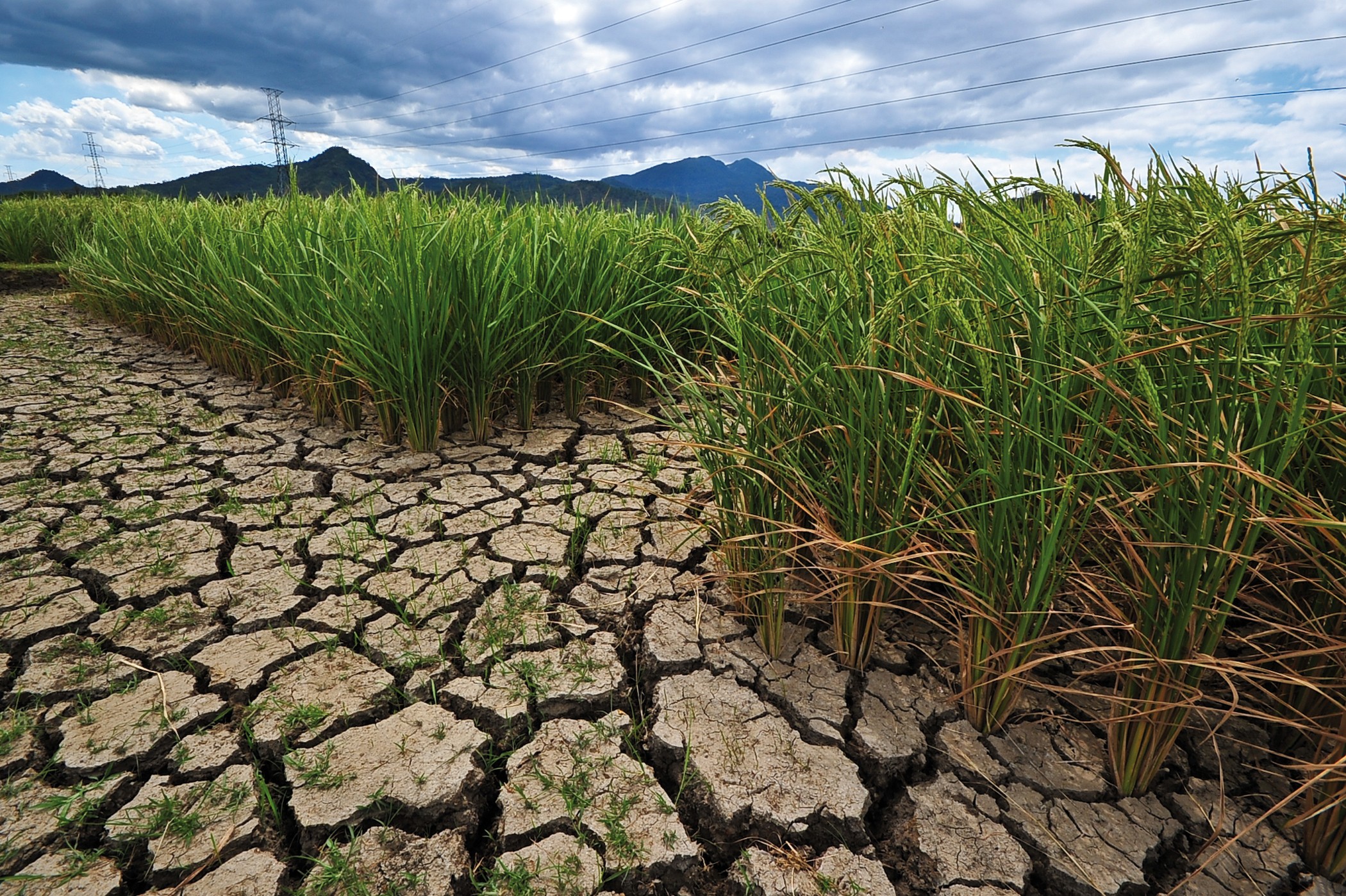
“Timac Agro Ukraine” launches crop insurance against drought
Timac Agro Ukraine, in collaboration with the insurance company PZU, has launched a crop insurance program against drought for farmers in five regions of Ukraine.
26.05.2026

Hansen announces "dialogue with the EIB on new agricultural insurance models"
Integrated European framework for climate resilience 'is on the way'.
26.05.2026
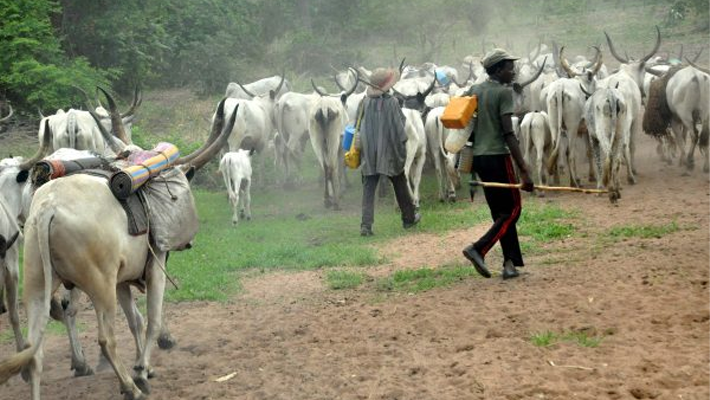
Nigeria - Oyo Steps up Enforcement Against Illegal Livestock Trading, Open Grazing
The Oyo State Government has stepped up enforcement against illegal livestock trading and open grazing, arresting offenders and impounding animals in parts of Ibadan during a fresh compliance operation.
26.05.2026
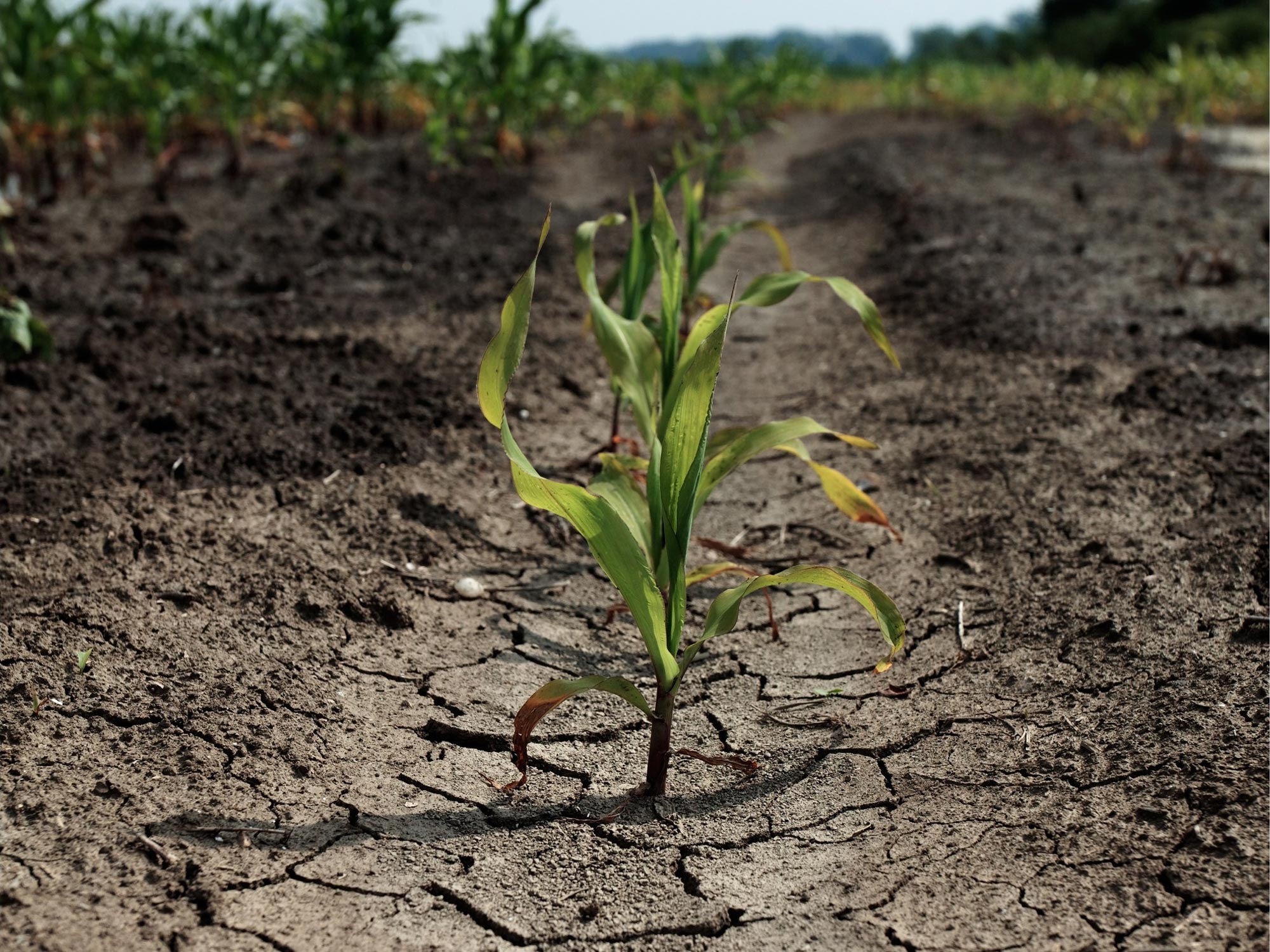
Philippines - Tacloban braces agri, health mitigation measures amid looming super El Niǹo
The City Government of Tacloban has intensified its preparations and mitigation measures as the threat of a possible Super El Niño continues to loom over several parts of the country, bringing concerns over prolonged dry spells, water shortages, and impacts on agriculture and public health.
26.05.2026
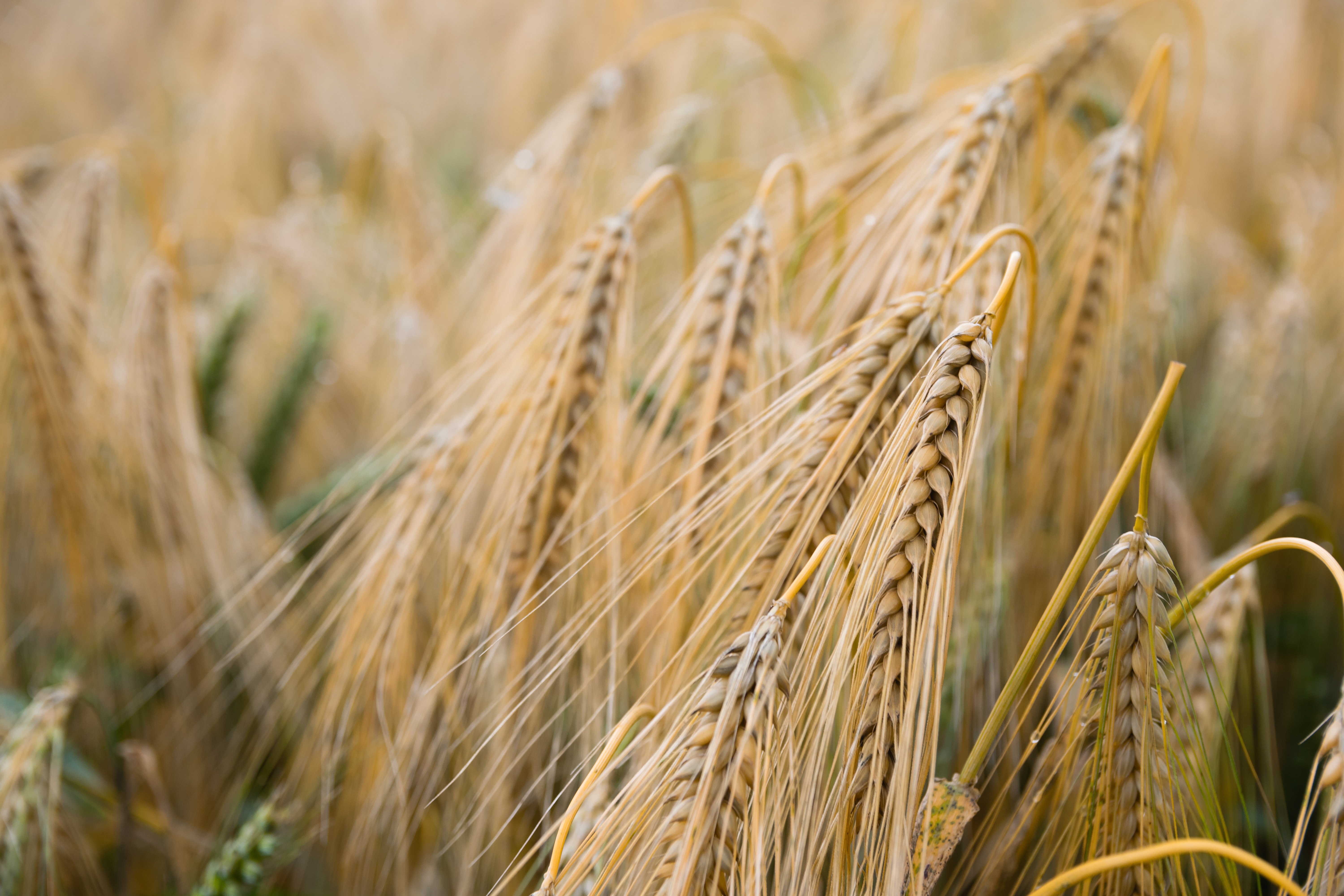
India - Punjab Govt Deploys 500 Teams for Special Girdawari as Rains Damage Wheat
In Punjab, to calculate the damage done to the standing crops in the fields due to the inclement weather for the last many days, the state government has formed teams of 500 officials from the agriculture department to assess losses.
26.05.2026
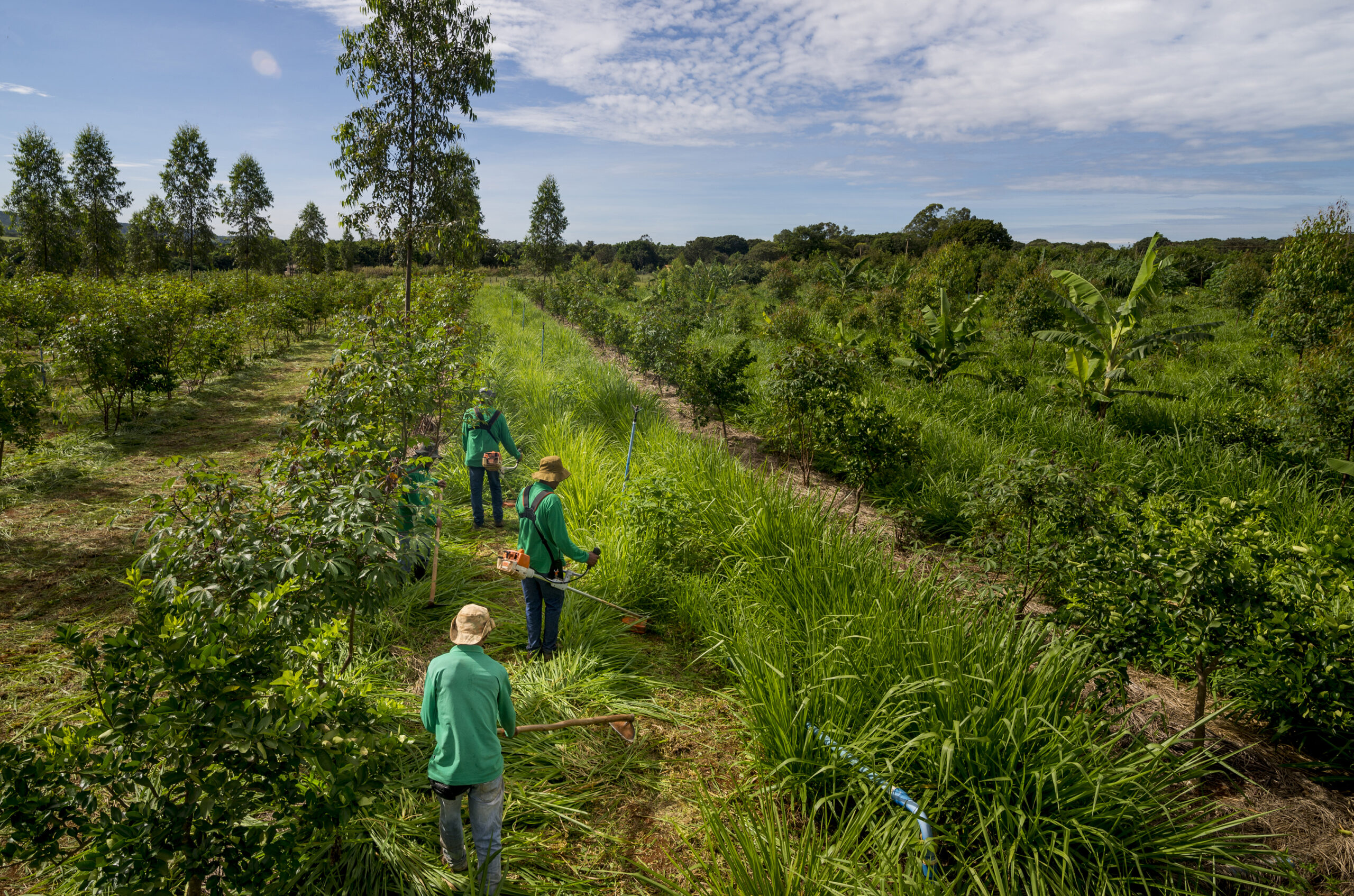
Brazil - Agricultural insurance plummets in Paraná, putting the sector at risk.
Cevio Alberto Mengarda, a soybean and corn producer in Marechal Cândido Rondon, in the western region of Paraná, followed in his father's footsteps in agriculture and today manages the family property.
25.05.2026
Algeria - CASH Assurances to diversify into agriculture insurance
CASH Assurances will launch agriculture insurance plans in June 2026, as part of its diversification strategy.
25.05.2026

U.S. specialty crop growers push for stronger Farm Bill support
Specialty crop growers in the U.S. are calling for stronger support measures in the 2026 Farm Bill, particularly around risk management, market access, and crop insurance.
