


USA - Crop insurance goes global, so will its problems
09.11.2015 317 views
The day before the House of Representatives voted 266-167 to approve a long-sought, two-year federal spending deal, House and Senate ag committee members complained that the proposed deal — unseen and unaudited — contained an eight-year, $3-billion cut to the 2014 Farm Bill’s key farm program, federal crop insurance.
Ag committee members from both parties condemned the cut as an underhanded slap at farmers and the years-in-the-making Farm Bill. Many, like Senate Ag Committee boss Pat Roberts from Kansas, announced they would not vote for the must-pass bill because “Farmers should not be forced to shoulder the nation’s financial burdens.”
The cuts, however, had nothing to do with crop insurance benefits. Instead, as news outlets like the Delta Farm Press reported early and correctly, they were aimed at “reducing the cap on the rate of return for insurance companies administering the policies from 14.5 to 8.9 percent and requiring more frequent reviews of the standard reinsurance agreement.”
Both ideas — nicking insurance companies’ plump “rate of return” for $375 million in a $9-billion-per-year program and conducting “more frequent reviews” of insurance company agreements — sure sounded like good government in action.
Not to the bipartisan brayers. When their “farmers-are-being-hit” argument failed to get traction, they pointed out that the 2014 Farm Bill already contained $23 billion in cuts. And, they reminded colleagues, all had agreed that no new cuts would occur over the life of the bill.
That did it; the squeaking wheels got greased.
In a just-in-time deal, Congressional leaders promised to put $3 billion back into the pockets of crop insurance companies when the omnibus budget bill comes to Congress before Christmas. No one on Capitol Hill, however, could say if that put-back requires $3 billion in new cuts to other U.S. Department of Agriculture spending to keep the October budget on track.
While all that finger wagging was going on, Republicans came together long enough to elect Rep. Paul “I-don’t-want-to-be-Speaker-of-the-House” Ryan to be Speaker of the House. To his credit, Ryan exhibited great skill for the job the day before his election by staying out of the insurance fight.
Or maybe it wasn’t skill at all. Maybe the nearly invisible size of the yearly insurance cut — $375 million in a $4 trillion budget is, what, less than 4/1000ths of 1 percent of 2016 federal spending? — simply wasn’t worth Ryan’s time to even notice.
It soon might be, according to a Nov. 3 story on the Food & Environment Reporting Network. As outlined by veteran ag journalist Chuck Abbott, new research by the International Food Policy Research Institute shows crop insurance rapidly becoming the go-to domestic farm program around the world.
In fact, notes the IFPRI research, global crop insurance premiums have grown by an average 16 percent per year from 2004 through 2013 (to $30 billion that year) as nations shift ag subsidies from direct farmer payments to indirect farm income guarantees.
This worldwide growth — China’s crop insurance program, began in 2007 with $300 million in premiums, topped $5 billion in 2013 — has drawn the attention of the World Trade Organization. As the programs have grown so, too, has grown the potential to bend or break WTO rules.
In fact, two-thirds of all nations with crop insurance programs now subsidize its purchase. The average government subsidy worldwide is a hefty 46 percent. The U.S. subsidy, at 62 percent, however, remains the world’s heavyweight.
Whatever the subsidy level, crop insurance is fast becoming a fixture in global ag policy. As it does, so too will its problems and politics — as Congress well knows and Paul Ryan will quickly learn.
Source - http://www.pantagraph.com
EVENTS

ScaleAgData Stakeholder Engagement Event
22.10.2024The ScaleAgData project is pleased to invite you to our second stakeholder event. Building on the discussions and connections formed during our first webinar, this event will focus on fostering collaboration among stakeholders, providing updates on our project’s progress, and outlining future opportunities for engagement.
RISK EVENTS

Moldova - May frosts caused heavy damage to fruit orchards
10.05.2026The first frosty nights of May have significantly worsened estimates of damage to Moldova's fruit sector from spring frosts. According to initial assessments by fruit market operators, between a quarter and a third of the country's total orchard area was seriously affected.
26.05.2026
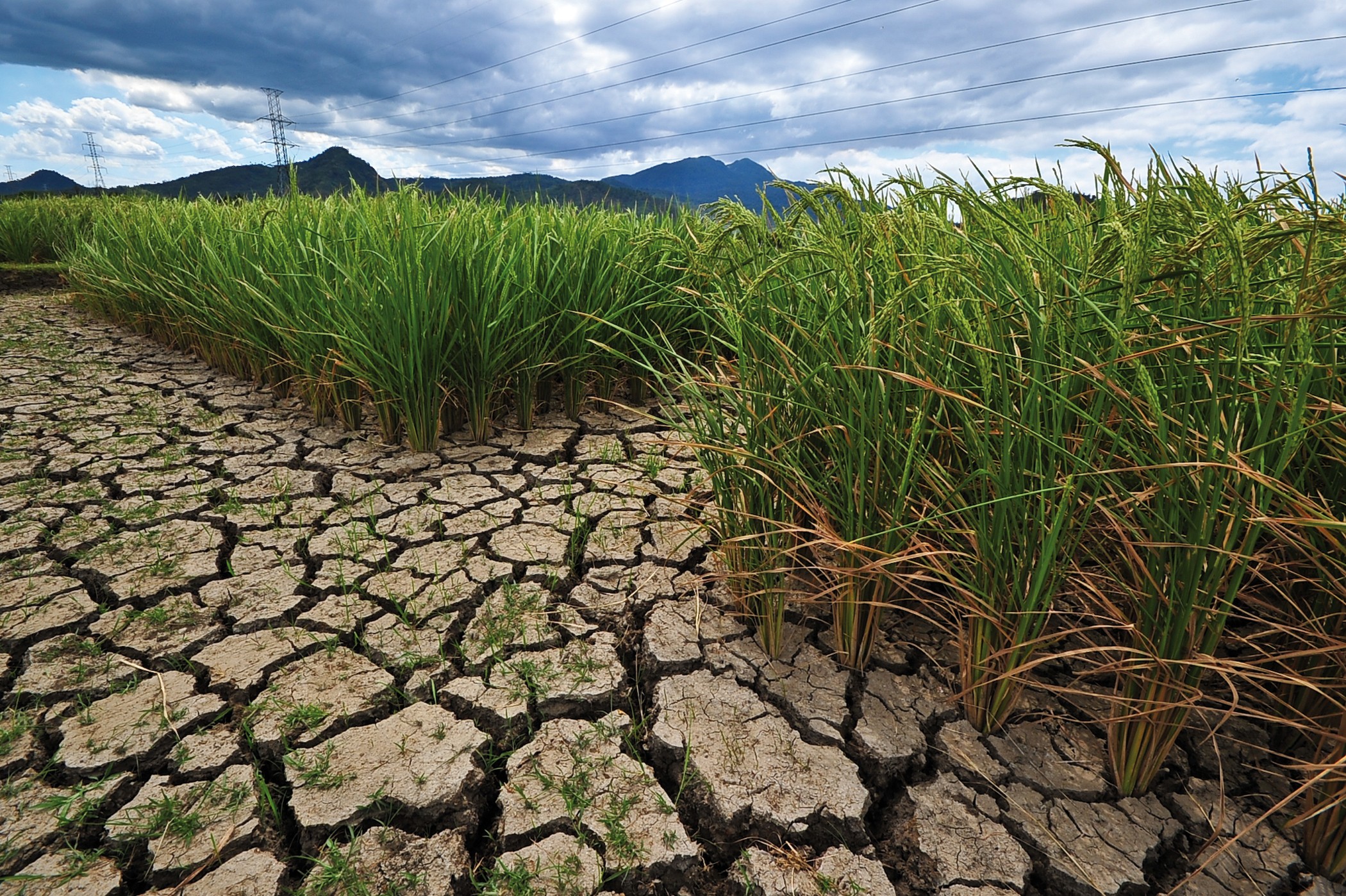
“Timac Agro Ukraine” launches crop insurance against drought
Timac Agro Ukraine, in collaboration with the insurance company PZU, has launched a crop insurance program against drought for farmers in five regions of Ukraine.
26.05.2026

Hansen announces "dialogue with the EIB on new agricultural insurance models"
Integrated European framework for climate resilience 'is on the way'.
26.05.2026
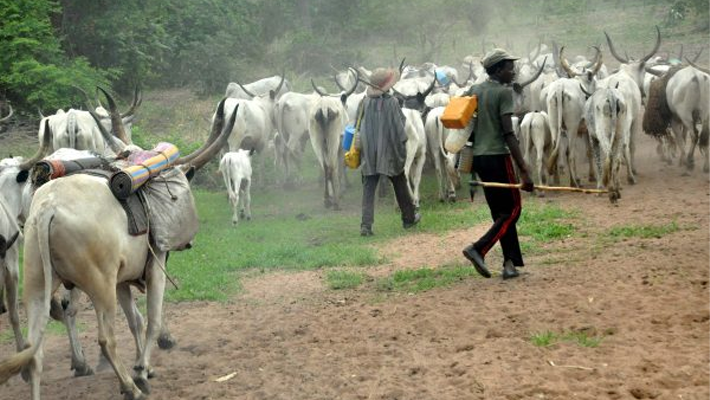
Nigeria - Oyo Steps up Enforcement Against Illegal Livestock Trading, Open Grazing
The Oyo State Government has stepped up enforcement against illegal livestock trading and open grazing, arresting offenders and impounding animals in parts of Ibadan during a fresh compliance operation.
26.05.2026
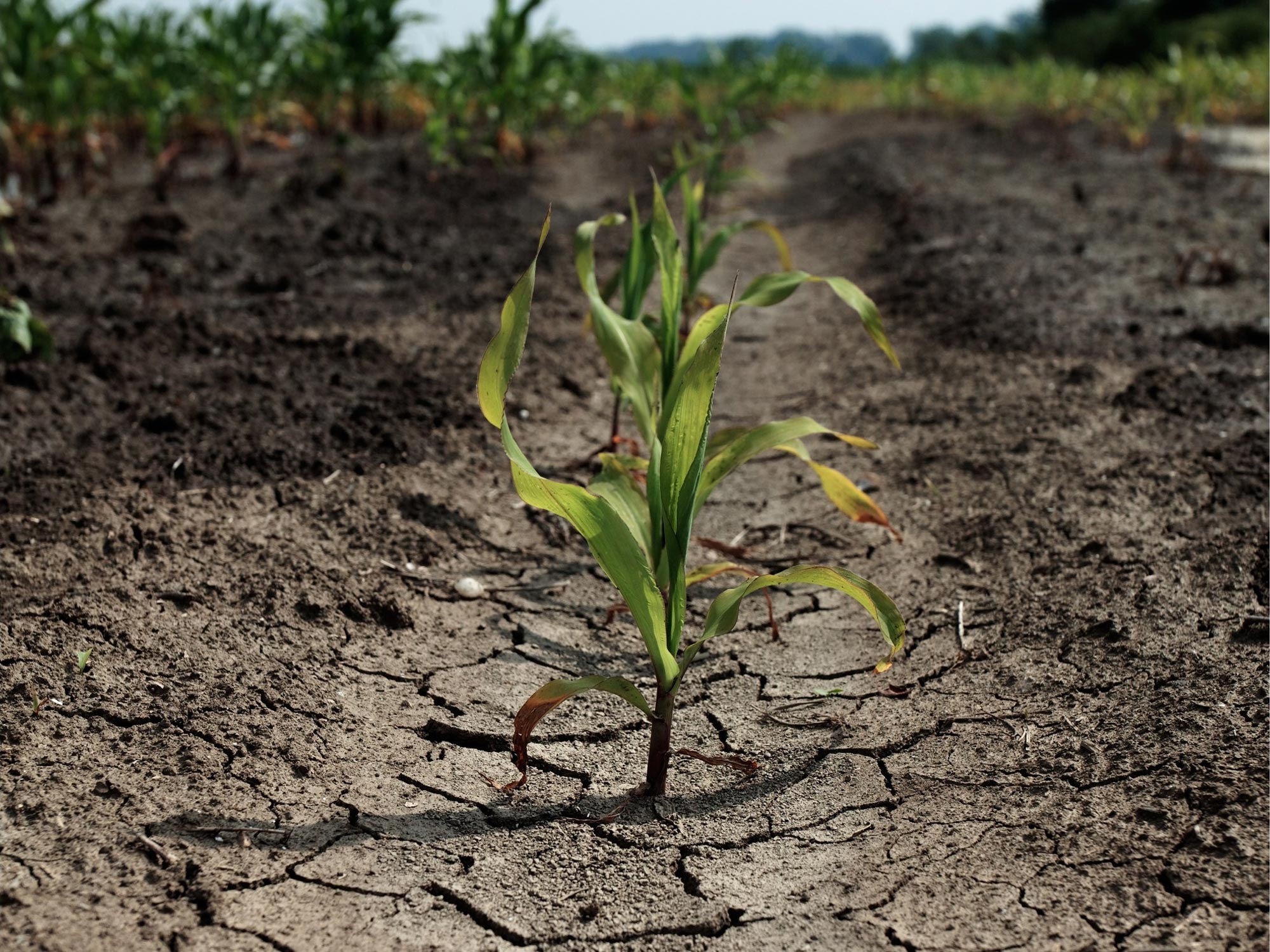
Philippines - Tacloban braces agri, health mitigation measures amid looming super El Niǹo
The City Government of Tacloban has intensified its preparations and mitigation measures as the threat of a possible Super El Niño continues to loom over several parts of the country, bringing concerns over prolonged dry spells, water shortages, and impacts on agriculture and public health.
26.05.2026
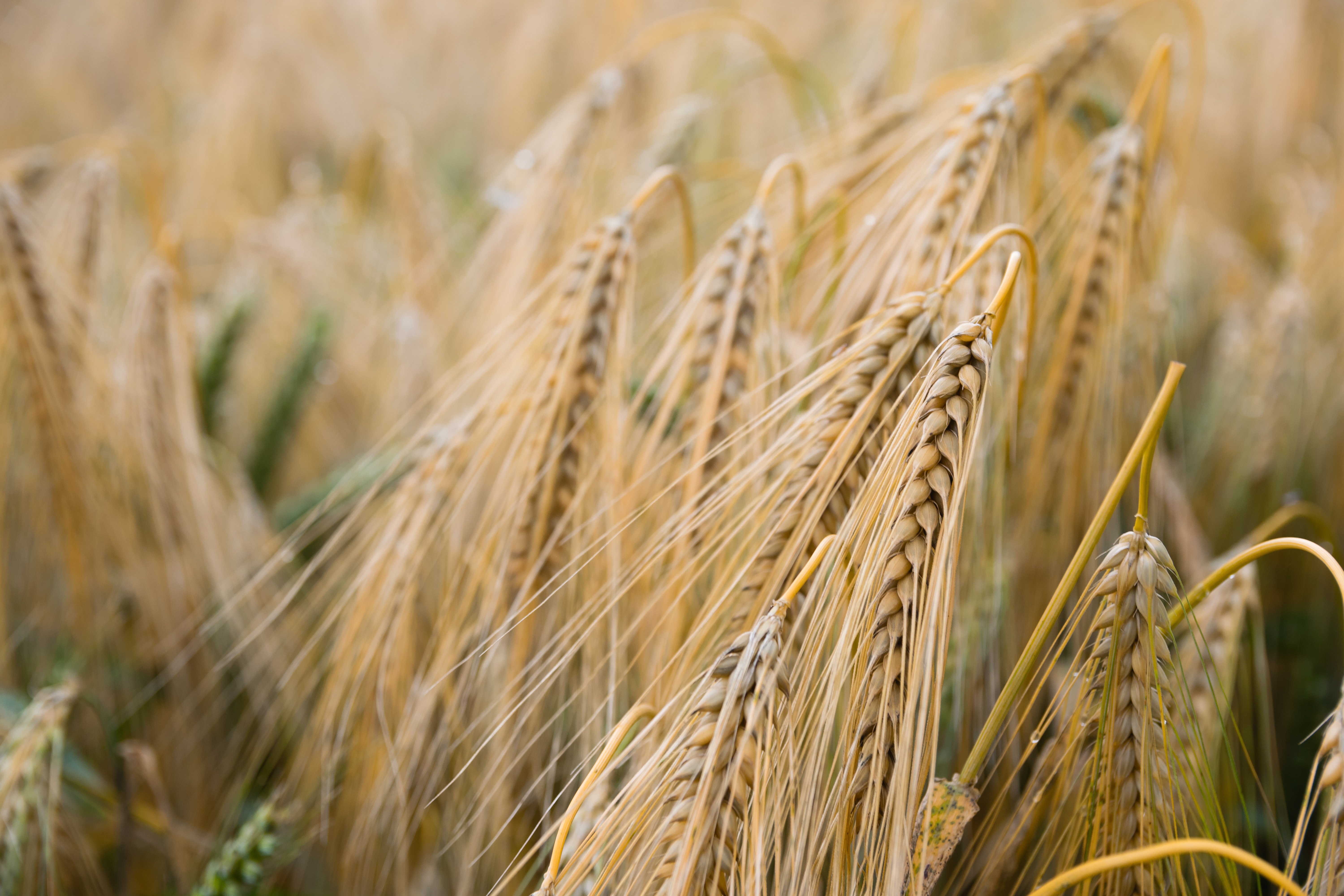
India - Punjab Govt Deploys 500 Teams for Special Girdawari as Rains Damage Wheat
In Punjab, to calculate the damage done to the standing crops in the fields due to the inclement weather for the last many days, the state government has formed teams of 500 officials from the agriculture department to assess losses.
26.05.2026
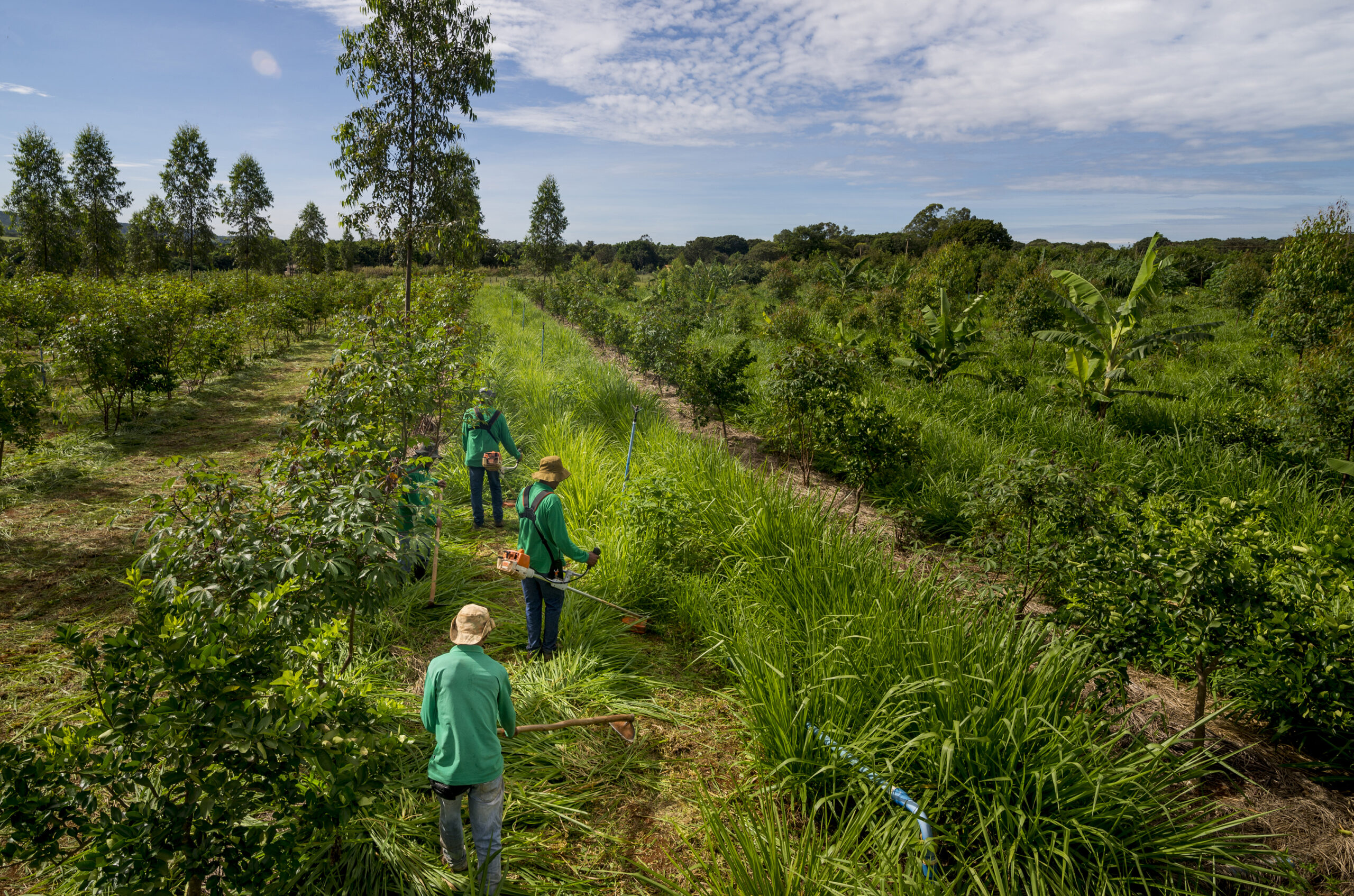
Brazil - Agricultural insurance plummets in Paraná, putting the sector at risk.
Cevio Alberto Mengarda, a soybean and corn producer in Marechal Cândido Rondon, in the western region of Paraná, followed in his father's footsteps in agriculture and today manages the family property.
25.05.2026
Algeria - CASH Assurances to diversify into agriculture insurance
CASH Assurances will launch agriculture insurance plans in June 2026, as part of its diversification strategy.
25.05.2026

U.S. specialty crop growers push for stronger Farm Bill support
Specialty crop growers in the U.S. are calling for stronger support measures in the 2026 Farm Bill, particularly around risk management, market access, and crop insurance.
