NEWS
917
of 1224
News
24.09.2015

Canada - No drought ‘disaster’ in Saskatchewan, suggests crop insurer

With Alberta’s NDP government declaring this year’s drought a “disaster,’’ allowing the Agriculture Financial Services Corp. to access more funds to pay crop insurance claims, Saskatchewan farmers may be wondering if the province is considering a similar move. But Shawn Jaques, CEO of Saskatchewan Crop Insurance Corp. (SCIC), says the situation in the two Prairie provinces is quite different — in terms of both crop conditions and crop insurance systems. As a result, he doesn’t see the need for the province to declare a “disaster,” like Alberta Agriculture Minister Oneil Carlier did last Friday. “First of all, on the crop conditions, the situation in Saskatchewan is different,’’ Jaques said in an interview Tuesday. “Crop conditions are variable here in our province.’’ Jaques said crop conditions vary from above-average to well below average depending on location, the type of crop and local weather conditions. “Certainly, on the west side, I know producers were lacking rainfall this summer and it impacted yields. The rains came later, even in the driest areas of the province, ... but it was probably too late to help crop development,’’ he said. “Having said that, on the east side of the province, there were timely rains ... and there is potential to have an average to above-average crop in many parts of eastern Saskatchewan,’’ Jaques said. By contrast, weather conditions in Alberta have been extremely dry for most of the growing season, with many counties and municipalities declaring “states of agricultural emergency’’ and seeking provincial disaster assistance. More importantly perhaps, unlike Alberta’s crop insurance system, SCIC is fully funded and able to pay out all claims without seeking additional assistance from the province. “In 2015, we’re going to collect nearly $500 million in premiums. That money is used to pay producer claims. We don’t have to go through any other steps to use that money to pay claims,” Jaques said. SCIC paid out $314 million in crop damage claims in 2014 and $133 million in 2013, a record low in claims due to the record crop of 38.4 million tonnes. While it’s too early to say whether crop insurance claims will be higher than normal this year, Jaques said SCIC will be able to handle any claims due to drought and other crop damage. “Harvest is just beginning. As producers work through harvest, we’ll have a better handle on what we’re seeing (for crop insurance claims),” he said, adding only 130 claims have been received so far this year. With crop insurance as the “first line of defence,’’ SCIC can deliver other farm safety programs if conditions warrant, Jaques said. “That’s why we have strong business risk management (BRM) programs here in Saskatchewan. SCIC delivers the crop insurance program as well as AgriStability (the federal-provincial farm safety net program that covers producers against large declines in income due to market conditions, increased costs or production losses).” In addition, the province has taken a number of steps to reduce the hardship for farmers and ranchers in drought-affected areas, including allowing access to Crown and wildlife conservation lands for pasture, allowing re-seeded or drought-damaged crops to be used as greenfeed and facilitating the purchase and sale of surplus feed grain, forage and hay. Source - http://www.leaderpost.com

24.09.2015

India - Kerala Hikes Compensation for Crop Loss

Farmers pinning hopes on the government for succour on the event of crop loss can now heave a sigh of relief. The Cabinet on Wednesday decided to hike the compensation given to farmers for crop loss due to natural calamities. Announcing the decisions, Rural Development Minister K C Joseph said the existing compensation terms were fixed as per the norms of the Union Government. The additional compensation amount will be given by the state government from the Agriculture Department’s funds. The revised rates per tree/plant would be the following: Coconut Rs 700 (existing Rs 102.80), Plantain Rs 100 (5.40), Rubber Rs 300 (36), Cashew Rs 150 (102.8), Areca nut Rs 150 (13.50), Cocoa  100 (36), Coffee Rs 100 (18), Pepper Rs 75 (18), Nutmeg Rs 400 (120), Clove Rs 200 (90), Betel leaf Rs 300 (72) and Tobacco Rs 1,500 (272). Casualty Units at 37 Taluk Hospitals The government has decided to open casualty units at 37 taluk hospitals across the state, which currently don’t have the facility. The hospitals are Parassala, Varkala, Chengannur, Vaikom, Ranni, Mallappalli, Peermed, Adimali, Nedungandom, Thrippunithura, Piravom, Fort Kochi, Vadakkanchery, Mannarkad, Chittur, Pattambi, Perambra, Nadapuram, Thamarassery, Kuttiadi, Kalpetta, Peravur, Neeleswaram, Kadackkal, Sasthamcottah, Pulikkunnu, Pambadi, Kurivilangad, Karuvelippidi, Mattanchery, Konni, Vandoor, Fort Hospital, Chavara and Panur. The cabinet also decided to upgrade the taluk hospitals in Harippad and Thodupuzha to district hospitals. Basic infrastructure facilities at the Kottayam and Malappuram district hospitals will be enhanced and new posts would be created. Also, a decision has been taken to upgrade the CHC at Irikkur to a taluk hospital. Source - http://www.newindianexpress.com

23.09.2015

India - Country's cane crop loss hits global sugar business

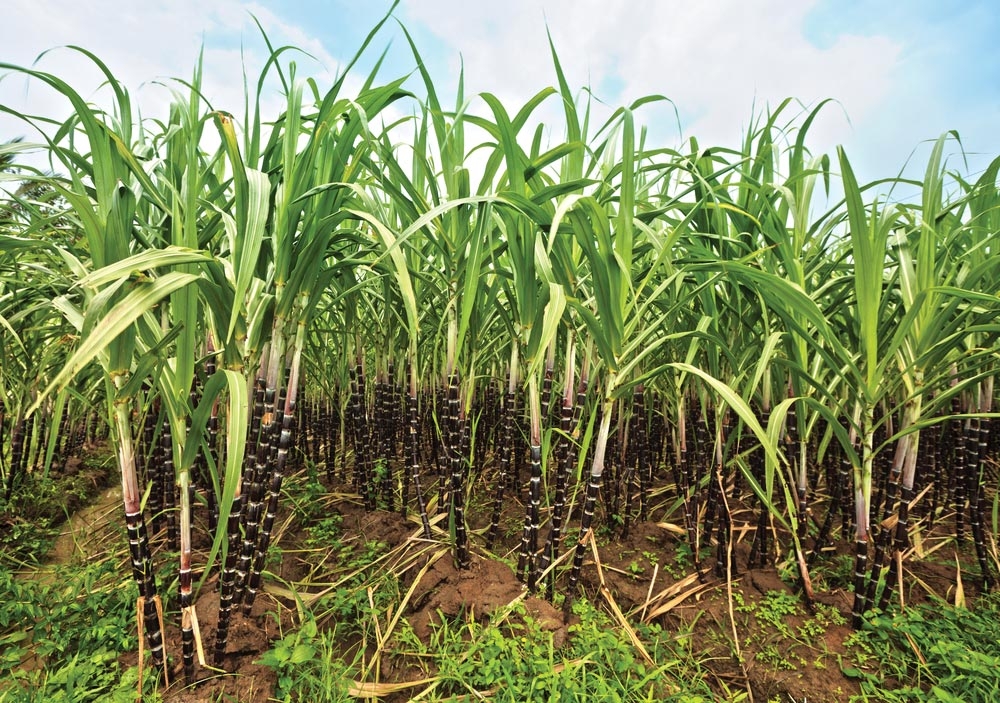
Thousands of acres of India’s sugar crop are suffering severe damage from a faltering monsoon, with some farmers in the world’s second-biggest grower forced to feed withered cane to cattle in the top producing state. After a string of bumper harvests created an Indian sugar glut, drought could cut supply in the marketing year starting in October and there is a risk production will drop below consumption for the first time in seven years in the following 2016/17 season. And even though India is still angling to boost exports in the upcoming season to cut stockpiles, this picture could swiftly turn around with a shortfall in output likely to bolster global sugar prices languishing at seven-year lows. “The market hasn’t factored in the impact of drought on 2016/17 production,” said Harish Galipelli, head of commodities and currencies at Inditrade Derivatives and Commodities. Industry officials say thousands of hectares of cane have been damaged after India’s first back-to-back drought in three decades, as farmers also refrain from planting cane for the next season due to water scarcity. In the top sugar-producing state of Maharashtra, a recent Reuters visit showed the impact of the drought. Farmer Vijay Nazirkar harvests cane shoots daily, but they are so withered he is using them to feed his cattle. “Sugar mills will not buy this dwarf cane with small shoots,” said Mr Nazirkar as he chopped cane up for his 22 cattle, one of his few sources of income as other crops such as corn and onions have also been hit by a prolonged dry spell linked to an El Nino weather event. So far, he has fed nearly half of his cane crop to cattle in his village of Nazare, about 200 km southeast of Mumbai. Commodities house Czarnikow puts India’s production next season at 28.9 million tonnes and the Indian Sugar Mills Association at 28 million tonnes. Although after assessing conditions in Maharashtra and the third-biggest producing state of Karnataka, some industry officials and traders see production falling to 26 million tonnes and even below 25 million tonnes in 2016/17. That compares with a near record 28.3 million tonnes this year and expectations of annual consumption of 25.2 million tonnes in the upcoming season. Maharashtra’s output could drop nearly a quarter to eight million tonnes next season and be even lower in 2016/17, said Sanjeev Babar, managing director of Maharashtra State Co-operative Sugar Factories. After a good start in June, monsoon rainfall weakened in July and August and had badly affected the crop, said Mr Babar. Source - http://www.asianage.com

23.09.2015

India - Farmers of Rain-fed Areas in Bargarh Face Crop Loss

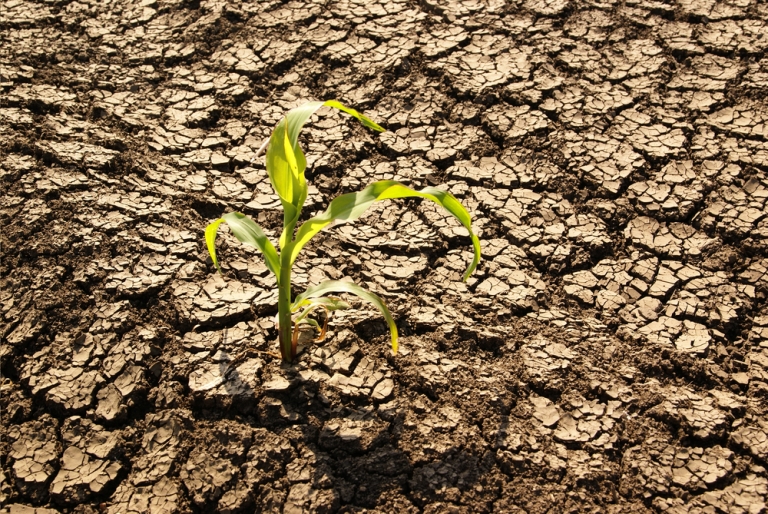
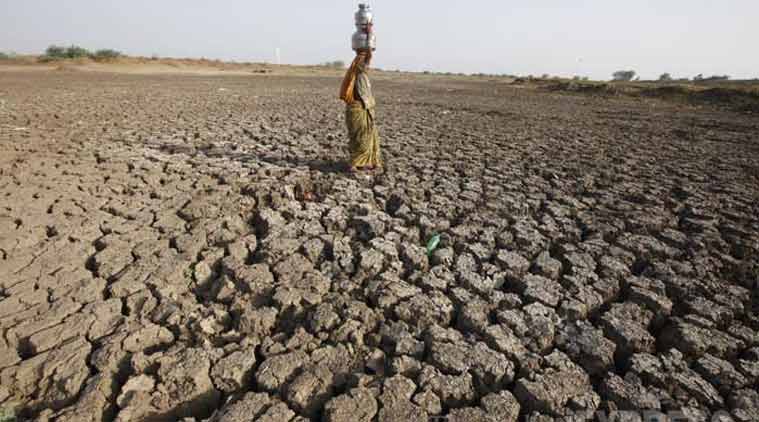
The low pressure induced rain over the last couple of days has failed to cheer up the farmers of non-irrigated pockets of the district. With Bargarh receiving less than normal rainfall from June, it is the non-irrigated belt that has been worst affected. Cracks have appeared on the crop land and the situation is similar at the tail end of the canal system in irrigated areas. In the tail end, water never reaches the cultivated land though farmers pay water cess. According to reports of the Bargarh Agriculture Office, standing crops in over 75,473 hectares (ha) of land will be affected due to scanty rainfall. While blocks of Bargarh, Attabira, Bheden and parts of Barpali are irrigated under Hirakud Dam project, the remaining blocks comprising Bhatli, Bijepur, Sohela, Ambabhona, Padampur, Paikmal, Gaiselet and Jharbandh are rain-fed. From June 1 to September 20, the district should receive 1133 mm of rainfall but has got only 903 mm which is about 20 per cent less. Moreover, the rain has been scattered. The District Agriculture Office had set a target to cultivate crops in 3,47,747 ha, of which paddy was to be cultivated in 1,94,284 ha while non-paddy crops like pulses, oilseeds, vegetables were to be grown in 1,40,029 ha. However, with majority of the land under paddy cultivation depending on rain, farmers have been left in the lurch with monsoon failing them. Deputy Director, Agriculture, Bargarh, Guru Prasad Tripathy said though low pressure induced rain has revived crops to some extent, it would be of no help, if it does not rain for a few more days. Stating that 75,473 ha of land might be affected by drought, the officer said works are on to make all defunct lift irrigation points operational. Motor pumps are being provided to farmers at subsidised rate to irrigate crops. The last time the district faced drought was in 2011. Source - http://www.newindianexpress.com

23.09.2015

Caribbean - Braces for Worsening Drought as Dry Season Nears

The most severe drought to hit the Caribbean in recent years is expected to worsen despite rains from tropical storms that have replenished some reservoirs. Forecasters say El Nino phenomenon is gathering strength and will continue to warm the tropical Pacific until early next year, which translates into sparse rainfall for this largely parched region as the dry season approaches. "The real concern will come late in the year," said Adrian Trotman, a forecaster with the Caribbean Institute for Meteorology and Hydrology. "We are definitely in a period of relief, but it's quite likely the relief will not be as long-lived as we would like it to be." El Nino has produced a quiet hurricane season, which begins in June and ends in November. Only two of nine named storms having dumped significant rainfall over parts of the Caribbean. The institute issued a report this month saying that many islands in the eastern Caribbean remain in drought, and officials warned that the current wet season will likely end before the traditional date of Nov. 30. Both Barbados and Grenada had their third lowest rainfalls in recent history for August, while Haiti saw up to a 50 percent loss in crops in the hardest-hit areas, according to a report from the International Monetary Fund. The neighboring Dominican Republic saw its agricultural production drop nearly 11 percent as a result of drought, and dairy industry officials have warned that production could drop 30 percent by year's end. Jamaica also has struggled with crop losses, especially in the island's eastern region. "They are suffering terribly," said Leslie Simpson, a specialist with the Caribbean Agricultural Research and Development Institute. "It's really going to be more serious as we go into the dry season, not only for agriculture but for domestic consumption." Some islands, including the Bahamas and Cuba, have had some relief in recent months, and more rain is forecast for them than anywhere else in the Caribbean in the coming months. Severe drought also has ebbed somewhat in Puerto Rico, where officials this week eased austere water rationing measures. However, 19 percent of the island remains under an extreme drought and 45 percent more is under a severe one. The Caribbean Agricultural Research and Development Institute is encouraging farmers to find new irrigation methods and better manage existing resources. "They are predicting more frequent droughts," Simpson said. "This is just the beginning." Source - http://abcnews.go.com

23.09.2015

India - As harvesting time nears, it’s raining trouble for farmers

With a heavy spell of shower lashing the region throughout the day, the woes of the farming community are set to multiply as their standing basmati and paddy crop, which is ready for harvesting, may get severely damaged. The early varieties of basmati which were about to mature were particularly hit as there were reports of lodging of crop from different pockets of Amritsar. Besides, the farmers who were already been complaining about basmati low prices have been further hit as almost their entire produce has got drenched in rain. Talking to The Tribune, Dilbagh Singh, a farmer from Lalu Ghuman village in Tarn Taran, said heavy rain had led to waterlogging in his fields where he had grown basmati 1509. “Our hopes of getting a reasonable price for the produce have been dashed. Already basmati’s 1509 variety is fetching one-third of the price as compared to last year,” he rued. Harpreet Singh, another farmer from Chohla Sahib, said his basmati crop had suffered damage due to heavy rain. Jasbir Singh, a farmer who brought his produce to Bhagtanwala grain market, said he had lost whatever little hope he had of taking home some returns from his crop. “Last year, we sold basmati for Rs2,400 per quintal but this year it was already down to mere Rs1,000 per quintal. Now, with rain damaging our produce we have lost all hope,” he said. The farmers who had taken land on lease were bearing the brunt as they would find it difficult to clear their dues, leave alone pocketing some returns, he added. Another farmer, lamented lack of facilities like tarpaulin sheets to cover their produce and unplanned construction activity at the grain market while blaming the authorities for their losses. Farmer leader Rattan Singh Randhawa said the farmers' cup of woes was brimming as their standing basmati crop had suffered damage while the harvested crop was finding no takers. Jamhuri Kisan Sabha chief Satnam Singh Ajnala said the crop in the low-lying area had been badly hit and there were reports of about 20 per cent loss till now. He apprehended that the farmers' losses might mount further if it continued to rain for another day. He demanded that the state government should give adequate compensation to the farmers. Amritsar Chief Agriculture Officer BS Chhina said there was a possibility of lodging of crop as rain was accompanied by strong winds. He said they would take stock of the losses once the rain stopped. He revealed that it rained 30 mm in Amritsar from last night till this morning. Source - http://www.tribuneindia.com

23.09.2015

India - Rain revives hopes of farmers in Kalaburagi

Rainfall in the month of September has revived the hopes of farmers to take up the sowing of rabi crops as a compensation to the heavy losses suffered due to the failure of rain during the kharif season in the district. Moderate to heavy widespread rain in September has revived agricultural operations in most parts of the district with the farmers taking up tilling to prepare the land for the sowing of Bengal gram and jowar. As against the average rainfall of 124.8 mm rain, the district had received a rainfall of 114.0 mm rainfall. Officials in the Agriculture Department said that rain in the third and fourth weeks of August in some parts of Kalaburagi district had helped the farmers take up sowing of sunflower. Rain in the first and second week of September had helped in loosening the soil enabling the farmers to take up land preparation activities. As per the information available with the Agriculture Department, the farmers started sowing operations a couple of days ago. The rain has also helped in reviving the standing red gram crop in a majority of the areas in the district. Though the yield would be considerably reduced, the red gram crop which survived the failure of rain in the kharif season would provide the much needed compensation to farmers. The Agriculture Department has increased the coverage of rabi crops in the district to a record of 5.08 lakh hectares. The officials expect that a large tract of unsown kharif area would automatically be transferred to the rabi area. Source - http://www.thehindu.com

23.09.2015

Mexico - 50% of citrus production in Tamaulipas in danger[:ru]Mexico: 50% of citrus production in Tamaulipas in danger

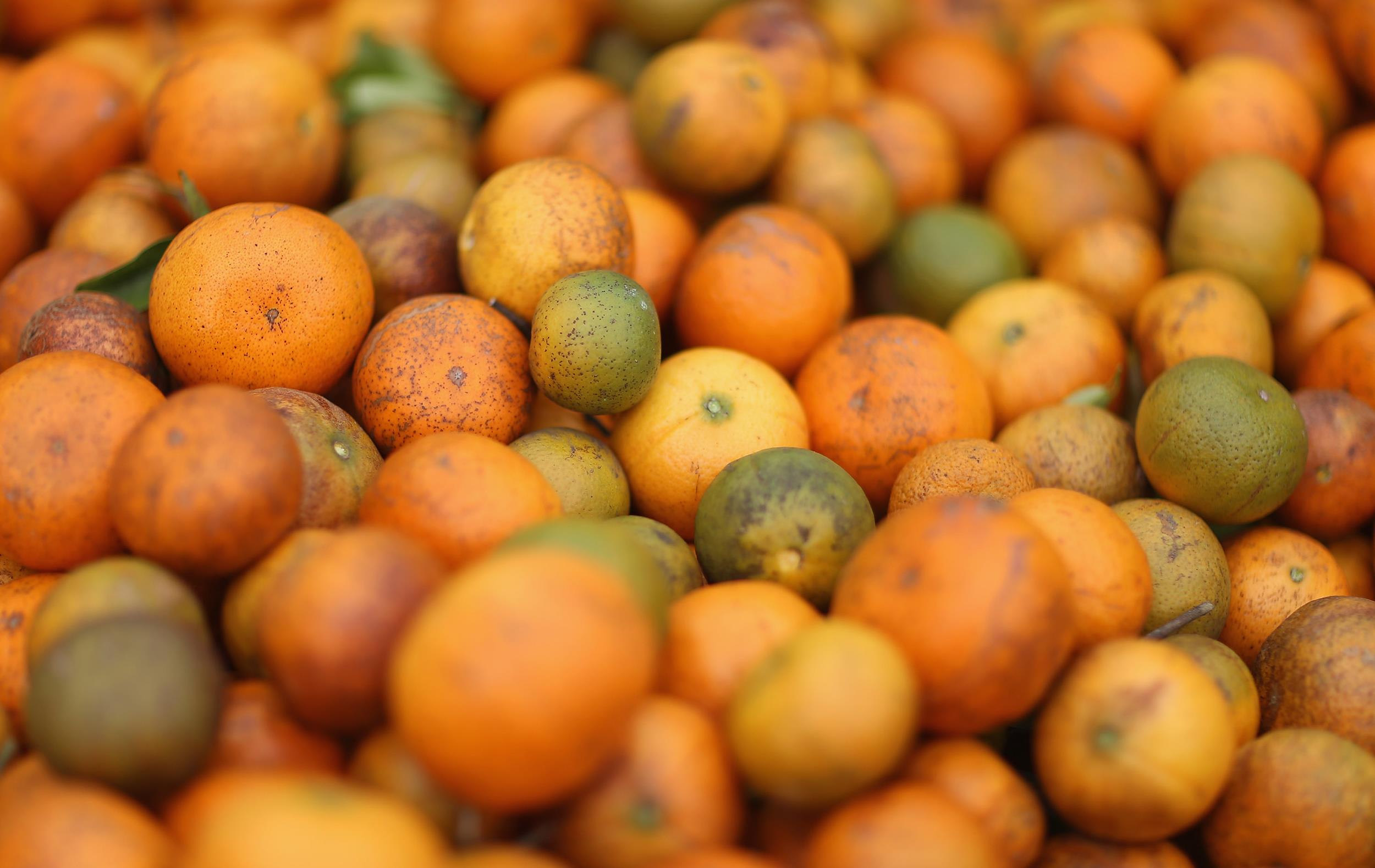
The bacteria that causes the HLB, also known as yellow dragon disease, was detected in citrus orchards from the center of the Tamaulipas, which will cause a loss of up to 200,000 direct jobs and 250,000 indirect jobs. Additionally, 50% of the production is in danger of disappearing. Citrus producers from Güemez, Padilla, Hidalgo, Abasolo, and Soto la Marina are seriously alarmed in face of the catastrophe that awaits them if they do not find a solution to this serious problem. According to data provided by inspectors from the Secretariat of Agriculture, Livestock, Rural Development, Fisheries and Food of Tamaulipas, headed by Tomas Ruiz Ruiz, there are also signs of this bacteria in orange and lemon trees planted in the backyards of houses in urban areas and in some trees that are on the sidewalk. The strongest outbreak has been detected in the areas of Güemez, Hidalgo, and Padilla, and some known producers have determined its better to knock down the trees affected to somehow avoid the continued spread of the disease, which will soon cause major economic losses for the members of this sector. In face of this, Ruiz Ruiz called citrus producers to implement actions for the control of the huanglogbing. The arrival of this pest was expected because it had been detected in states such as Tabasco, Campeche, and in the state of Texas. He insisted that the presence of the yellow dragon disease in the citrus-growing area of the entity would cause losses because it would affect the owners of the orchards, the shops that sell supplies for the sector, and even orange pickers. The huanglongbing is one of the most feared pests because it kills the trees it affects in a matter of weeks. It should be mentioned that Tomas Ruiz Ruiz, inspector of SAGARPA, and a group of technical specialists have the task of walking the streets of the city, for an undetermined period of time, to detect the presence of this pest in the trees located on the sidewalks and in the backyards of houses. Tamaulipas has an average annual citrus production of 600,000 tons of orange, grapefruit, mandarin, and Mexican and Italian lime, which are harvested in more than 44,000 hectares of orchards in the citrus area of the entity. Therefore, producers fear that if the presence of this pest is confirmed, 50 percent of the citrus industry could disappear in just six years. Source - http://www.freshplaza.com

22.09.2015

Russia, Ukraine poised for more dryness, stoking wheat worries

Official European crop watchers flagged the threat to Russian winter grain sowings from "scarce" rainfall, even as meteorologists forecast that most of the former Soviet Union was to remain largely dry for at least the rest of the month. Mars, the European Commission's agricultural meteorology division, said that, after a dry August and only "slight" improvement this month, "topsoils are dry", in southern Russia, which is responsible for growing much of the country's wheat for export. The extent of the dryness, at a time when farmers are undertaking plantings of grains ahead of the 2016 harvest, was "raising concern about soil preparation, the sowing of winter cereals, the germination of seeds and crop emergence", Mars said. "Rain is needed for a successful sowing campaign of winter wheat." Russian farm ministry data showed that domestic growers had planted 8.3m hectares of winter grains as of Friday, down from 9.1m hectares a year before. 'Important deficit' In Ukraine too, Mars noted that "warm and dry conditions prevailed" since the start of August. "Regions such as the Vinnitsa and Kiev oblasts," in west-central Ukraine, "have been accumulating an important deficit since May, with less than 50% of the average rainfall from May to mid-September", although some parts of the country had received "substantial rainfall" this month. Separately, weather service MDA said that, over the weekend, parts of north western Ukraine, and Belarus, received some rain. However, dry weather "prevailed across the rest of the winter wheat areas in the Black Sea region," MDA's Kyle Tapley said. 'Stressing germination' Indeed, "dryness remains widespread", particularly across central Ukraine, and in Russia southern Central Region and western North Caucasus, Mr Tapley added. These conditions are "delaying wheat planting and stressing germination of any wheat that has been planted", he said. And no substantial rain relief is expected until at least next month. From next weekend "rains may increase some in central Ukraine and western Central Region… but amounts are still not expected to be particularly heavy". 'Crumbs of comfort' The comments come amid a growing focus among investors on former Soviet Union dryness as a, rare, issue seen as potentially supporting wheat prices, after a strong harvest in the region, as well as in the likes of the European Union too. "In the 'crumbs of comfort' department this week we have ongoing dry conditions in the Ukraine and Russia which are threatening winter wheat planting," said traders at a major European commodities house, with significant interests in the former Soviet Union. "The other area of concern is India," where below-average monsoon rains have reduced hopes for the country's harvest which starts in March next year, although with the country not generally a major force in international markets, its crop fortunes tend not to have a huge impact on world prices. In Europe, wheat producers, particularly of feed grain supplies, are also hoping for potential support to values from a poor corn harvest, which stands to see a switch of grains in livestock rations. 'Crop conditions critical' In fact, Mars on Monday nudged higher its forecast for the EU corn yield, by 0.03 tonnes per hectare to 6.43 tonnes per hectare, after a series of downgrades thanks to dry and hot summer weather. The revision reflected largely an upgrade to 8.90 tonnes per hectare, from 8.63 tonnes per hectare, in the estimate for the corn yield in France, the EU's top producer of the grain, where rains late last month "led to a significant improvement in the conditions of summer crops" in some areas. However, Mars cautioned that its upgrade was down also to an assessment that much damaged corn will be harvested for silage, rather than grain, raising average yield prospects for the crop that is left, but lowering production hopes nonetheless. "In central European regions… crop conditions remain critical." Silage vs grain In Poland, the group's models "show soil moisture levels to be below critical levels for grain maize in all regions except Malopolskie". "A considerable part of the maize crop might be used as green maize rather than grain maize." In Hungary, which experienced one of the hottest summers on record, "the heatwave of early July had a negative effect on the pollination of maize, and the high temperatures of late July and August constrained grain-filling. "The biomass accumulation is very low in eastern Hungary and below average in the whole of western Hungary." Yields were expected to come in "low", and a "decrease in grain maize acreage is likely as the most damaged fields are being harvested as silage maize". Source - http://www.agrimoney.com/

22.09.2015

Canada - Manitoba Crop Report and Crop Weather report - September 21, 2015

Above normal temperatures allowed for excellent harvest progress over the past week in Manitoba, with harvest of spring cereal crops nearing completion. Harvest of canola, flax, edible beans and soybeans continues. Sunflower harvest has also started in the Central and Eastern Regions, and grain corn harvest is expected to start shortly in some areas of the province. Seeding of winter wheat is almost complete, and the earliest seeded winter wheat has emerged. Acreage seeded to winter wheat will be consistent from last year in some regions and higher in other regions. [caption id="attachment_108413" align="aligncenter" width="300"] Photo: File/Lorraine Stevenson[/caption] Southwest Region In the Southwest Region, seasonal temperatures over the weekend allowed harvest activities to resume after rainfall amounts of 10 to 15 mm occurred mid-week. Spring cereal crop harvest in the Southwest Region is 95 to 100 per cent complete; areas that received heavier precipitation amounts still have some cereal acres to harvest. There is quality loss noted across all spring cereal crops due to staining, sprouting, as well as lower bushel weights. The canola harvest is progressing as 40 to 50 per cent of acres are complete in areas north of Highway #1 and 80 per cent complete south of Highway #1. Reseeded canola is swathed and it is anticipated harvesting of those fields will begin later this week. Overall to date, canola yields range from 35 to 60 bu/acre, with most fields yielding 40 to 45 bu/acre. On fields that were not reseeded, yields are generally above average. Flax fields continue to be desiccated in preparation for harvest. The odd field has been harvested with no yield reports to date. Soybean maturity is in the R7 (seed fill to capacity) to R8 (brown pod/mature) stage of development, with most early varieties mature. Some initial harvest has begun on the earlier maturing varieties with yields in the 35 to 40 bu/acre range. Sunflowers and grain corn continue to mature without any major disease issues. Winter wheat and fall rye seeding saw good progress after the rain last week. Acreage seeded to winter cereals is up over last year’s acreage. Some light field work and weed control measures are occurring in harvested fields. Second cut alfalfa continues to be harvested with yields average to above average with variable quality depending upon rainfall. Corn silage harvest has begun in the more southern areas of the region with above average yields reported. Water levels in dugouts are at approximately 85 to 90 per cent of capacity. Northwest Region Unsettled weather conditions prevailed through the north half of the Northwest Region during most of the week, causing a delay in harvest progress throughout most of that area. There were reports of light frost in some parts of the region but no reported crop injury. Over 50 mm of precipitation were recorded in parts of the Swan Valley. More favorable harvest conditions returned to the region on the weekend allowing harvest to resume. Overall, harvest is approximately 65 per cent complete for the region. In the southern part of the region (north of Ste Rose), producers have mostly field corn and soybeans left to harvest. The rest of the region is waiting on canola, flax, soybeans and grain corn. Average quality is reported for most crops harvested in the region. In many cases, fall field work operations are caught up to harvest and many tilled fields have good growth of weeds and volunteer plants. Soil moisture conditions are adequate in most parts of the region but are excessive in The Pas and in some localized areas around McCreary and the Swan Valley. Corn silage harvest has started where the correct stage has been reached or where crops have dried down due to frosts. Producers are still harvesting second cut alfalfa in some areas. Pastures are slowing in growth. Water supplies are adequate. Central Region Average to above average temperatures were seen through much of the week in the Central Region, and the beautiful weather allowed harvest to progress over the weekend. Rainfall amounts of 5 to 15 mm fell over much of the region on Thursday, slowing harvest temporarily. Standing water remains in some fields from earlier rains, and heavy dews are common. Light frost was reported on Saturday above the escarpment, but is not expected to have caused significant damage to crops remaining to be harvested. Rain would be welcome in much of the southwest part of the region, above the escarpment. Only a few cereal fields remain to be harvested in the Central Region. Majority of the canola harvest is also complete, with the last reseeded fields swathed and drying down, or standing and waiting for conditions to allow for straight cutting. Canola yield continue to be variable, ranging from 10 to 15 bu/acre in areas that experienced excess moisture, to 40 to 50 bu/acre. Most pea fields are harvested with yields in the 40 to 50 bu/acre range. Flax harvest continues; yield reports range from 18 to 35 bu/acre. Potato digging continues. Desiccation of sunflowers is mostly complete. Harvest has begun on the earliest fields; early yields of 2000 to 3000 lbs/acre are reported. Corn is maturing and drying down. Some fields benefitted from recent rains. Corn silage harvest has begun. Edible bean harvest continues as conditions allow, with average yields. Soybean harvest has begun, with less than 10 per cent of acres completed. Early yields range in the 35 to 50 bu/acre range. Areas that received higher rainfall amounts are lower in yield, and fields in the southeast areas that were impacted by hail in August are yielding 10 bu/acre or slightly higher. There is good regrowth of perennial weeds post-harvest, allowing for control measures to be made in preparation for next year. Fall tillage is underway where conditions allow. Many fields have firmed up after the recent heavy rains. There are still a number of fields that are too wet to work properly; some will need more drying time. Dry areas have received enough rainfall to work reasonably well. Soil testing continues. Fall fertilizing has started, but slowed as the soybean harvest picks up. Fall rye and winter wheat are seeded; crops are germinating and starting to emerge. Additional moisture will be welcome above the escarpment to support fall development. At this point, seeded acres are expected to be flat to slightly above last year’s acres. Hay harvest is mostly complete for second cut in southern areas, with reasonable yield and quality. Some third cut is being done, with more to follow, in the west. In the northwest part of the region, second cut haying is mostly being delayed until close to a frost to avoid cutting during the critical fall period. Pasture growth has slowed or stopped, dependent on moisture conditions. Low lying areas of fields, sloughs and field perimeters are being utilized wherever possible to extend the grazing period. Hay and pasture in areas above the escarpment would benefit from significant rain, and most are rated fair to very poor. The same areas report adequate to less than adequate livestock water supply. Eastern Region The weather in the Eastern Region last week was warmer than the previous week. Reports of 3 to 7 mm of precipitation fell in the region on Thursday, temporarily slowing down harvest. There is no standing water in fields but there remain occasional wet spots that producers are avoiding. Overall, harvest progress was made, with the focus on finishing canola and spring cereal crops. Spring wheat harvest is 95 per cent complete with an average yield of 55 bu/acre and average quality. About 95 per cent of the oat crop is harvested with an average yield of 110 bu/acre and average quality. About 80 per cent of the canola is harvested with an average yield of 40 bu/acre and average quality. The majority of soybeans are in the R8 growth stages with some later fields still at the late R7 stage. Isolated reports have come in of some soybean harvesting in northern parts of the region with initial yield reports of 45 bu/ac with good quality. If weather is favourable, soybean harvest will become more general this week. Sunflowers are in the R9 growth stage and desiccation has occurred in some fields. There was one field of sunflowers harvested in the northern part of the region; no yield reports yet. Head rots continue to be noted, with crop damage and yield loss to be determined once harvest begins. Corn is in the late dent (R5) to maturity (R6) growth stages. Field work and winter wheat seeding resumed as fields dried from the previous week’s precipitation. Pasture conditions are rated at 60 per cent good, 20 per cent fair and 20 per cent poor. Second cut grass hay was coming down on the weekend and some producers are having access issues to some fields to get first cut grass hay. Currently, hay supplies are rated at 20 per cent surplus and 80 per cent adequate. Straw, greenfeed and feed grain supplies are all rated as adequate. Pastures are in good condition with a couple producers stating to feed bales. Availability of livestock water is also adequate. Interlake Region In the Interlake Region, trace amounts of precipitation were recorded in the area, averaging from 1 to 6 mm. Warm temperatures and windy conditions allowed producers to continue harvesting throughout the week. Field conditions are still wet in areas with producers having a difficult time crossing some fields. Estimated harvest progress is approximately 55 to 65 per cent complete. Harvest of spring cereal crops is nearly complete in the Interlake Region. Quality of grain is declining as cereals that are left to harvest have sprouting and mildew issues. Canola harvest is nearly complete, but some late seeded crops are still in swath waiting to mature. Some canola has been desiccated and left standing for straight cutting. Alfalfa seed harvest should start this week as fields mature. Soybean harvest could start this week as crops reach maturity. Sunflowers will be desiccated this week as maturity is reached. Winter wheat seeding is nearly complete as some producers had a later start due to delay of canola harvesting. Fall tillage is on-going as fields dry. Pastures are in good shape for this time of year due to frequent rains in July and August, as well as no killing frosts to date. Greenfeed crops yielded well; corn for silage looks promising. Source - http://www.manitobacooperator.ca

22.09.2015

India - Relief From Drought: September rain eases water crisis

Persistent showers over the past week have wiped out the water deficit a great deal in drought-hit Maharashtra. Chief Minister Devendra Fadnavis said Monday fresh water supplies in most parts of the state were now adequate to last until next June. Good rains across Maharashtra in the past week after a prolonged dry spell significantly augmented fresh water supplies in water reservoirs, said Fadnavis, who reviewed the rainfall situation and drought mitigation efforts Monday. Deficient rains in the first three months this monsoon had raised the spectre of Maharashtra facing its third drought in four years. While the dry conditions devastated the Kharif harvest, Fadnavis said showers in the past week had wiped out the looming water-scarcity threat in most parts, including in the worst-hit Marathwada belt that had remained parched for nearly 45 days until mid-September. Source - http://indianexpress.com/

22.09.2015

India - El Nino leaves North MP, Bundelkhand dry

As monsoon is all set to withdraw by month end, El Nino has hit hard whole of Bundelkhand and Gwalior-Chambal region and parts of eastern MP. Scarce rain in these areas have been badly damaged crops. Director, Indian Meteorological department state unit Anupam Kashyapi said after scarce rain, it is going to be a warmer winter, this year. El Nino, or a warming of sea-surface temperatures in Pacific, can lead to blistering weather across Asia and east Africa and result in heavy rain and floods in South America. This has been the strongest El Nino and would continue to affect weather till first quarter of next year, said Kashyapi. "Not only the onset of winter is going to be delayed but also it is going to be warmer all across the country," he said. Before the onset of monsoon he had advised government to ask the farmers to go for crops that require less water as from mid-August to September there would be less rainfall. Now, almost at the end of monsoon Gwalior, Datia, Bhind, Morena, Sheopur and Shivpuri are facing drought-like conditions. "These districts have received almost 30% less rainfall than their yearly quota," he said. Besides, in all the districts of Bundelkhand including Sagar, Damoh, Panna, Tikamgarh and Chhatarpur, situation is very bad. Monsoon has also disappointed Anuppur, Shahdol, Katni, Rewa, Sidhi Singrauli and Balaghat districts. Kashyapi said from September 20 to 22, rainfall is likely in many places of east MP but situation is going to be "irreparable" in the abovementioned 12 districts. Situation may improve in Mandla, Jabalpur, Narisgnpur, Satna, Seoni and Umaria as monsoon is still active for three days in this region. He said all districts of western MP and districts of Chhindwara and Dindori, monsoon has been normal. Meanwhile, Congress has already started making demand to declare Gwalior -Chambal region as drought affected. In a letter written to chief minister, Congress MLA from Sheopur, Ramniwas Rawat raised the demand. He said there has been no rainfall in the region for last 30 days. "There is no moisture left in the fields and all crops of soyabean, paddy, linseed and pulses among others have been completely damaged." "Had there been a UPA government, chief minister Shivraj Singh Chouhan would have written a letter seeking help. But NDA government is not listening to him and he can do little. Farmers have also not been compensated for last year's damaged crop," he said. Agriculture minister Gaurishankar Bisen talking to TOI said, "I am waiting for a report from revenue department. As soon as I get it, I will let you know about crop condition in the state."  Source - http://timesofindia.indiatimes.com

22.09.2015

India - Heavy rain in Faridkot may delay harvesting of early paddy varieties

As early varieties of paddy such as PR 111 and others are almost about to be harvested in a few days, heavy rain on Saturday and Sunday has delayed it making farmers a worried lot. Though the rainfall in the past two days has only delayed the harvesting of the crops for about a week, yet more rain, coupled with windstorms, in days to come, may lead to the loss in the yield of these varieties. Besides, the rain would also lead to delay in the sowing of vegetables for commercial purpose in the fields cleared from the early crop of Basmati 1509. "I had sown an early variety of paddy, which was almost mature now. First, as I was advised by the commission agents not to bring the produce before October 1 when the official procurement begins, I tried to delay the harvesting by irrigating the crop. Then there rain on Saturday and Sunday. Now the fields are wet and I will not be able to harvest the crop for about 10 days. But, if more rainfall occurs, accompanied by fast winds in days to come, it may lead to the flattening of the crop," said Meeta Singh, a farmer from Aulakh village. Some of the farmers had sown Basmati 1509 much earlier so that the fields could be cleared for the sowing of some early vegetables of the winter season for commercial purpose, but the rain has spoiled this plan as well. "Rain  is not welcome at this stage when some paddy crop is mature and some of it is growing ears where it may lead to discoloration of grains. The rain may lead to harvesting problems for the early variety and may affect the flowering of the crop which is developing ears," said Jagga Singh, a farmer from Niamiwala village. If the crop falls flat with winds and rain, the farmers have to pay much high rates for combine harvesters, besides suffering other losses. The paddy season is allegedly already delayed this season as most of the area has been under long duration varieties. "The rain has only led to the delay of harvesting of early varieties of paddy, which were near the maturity stage. In the whole, there is no loss of the rain so far. But, if there is more rainfall as weather prediction goes, it may cause some damage to the crop leading to its falling flat," said Dr Pardeep Goyal, an agriculture expert at the farm advisory service  schemes (FASS),  Faridkot," said Goyal. Source - http://www.hindustantimes.com/

22.09.2015

Australia - Hail damage confined to 'patches' on Coffs Coast

The New South Wales Department of Primary Industries is still calling for those who experienced damage in last week’s hail storm, affecting the Coffs Harbour  Coast and Corindi areas, to provide information and estimates for damages. The blueberry crop which is most prominent in the area, had produced fruit, and harvesting commenced days before the storm, but had not been finished by the time the hail hit. OzGroup Blueberry Packing facility may have lost as much as 80% of its crop when the large hail stones hit on Thursday. Other than to blueberry crops the hail damage was confined to isolated patches in the area, according to Lindsay Transport’s Shane Della, who works in logistics for the growers in the area. “At this stage everybody’s looking and assessing,” “The volume of the hail seemed to be concentrated to the north. Most of the damage seems to be to infrastructure. The crops won’t survive without it.” There seemed to be only a small number of avocado crops affected in the area, and the trees were only flowering, so it will not be known how much next year’s crop will be affected yet, Mr Della said. There is still no word on the impact on the area's number Macadamia crop, which had begun flowering. The storm looks to have wiped out around 10% of the NSW blueberry crop, but Mr Della said that growers are still assessing, and damage according to them could be between 10% and 20% of the crop. Raspberries, protected cropping, bananas and sugar cane may also have been affected. Damage is already estimated to be in the order of tens of millions of dollars, according to an updated statement from the DPI. Those growers affected by the storms can access a resilience program to deal with welfare and social assistance. “The DPI resilience program will be asked to assist with any cases of personal distress and welfare so that people can be directed to specialist services should this be necessary,” a spokesperson said. Source - http://www.freshplaza.com

21.09.2015

USA - USDA Offers Help to Fire-Affected Farmers and Ranchers

The U.S. Department of Agriculture (USDA) reminds farmers and ranchers affected by the recent wildfires in Californiat hat USDA has programs to assist with their recovery efforts. The Farm Service Agency (FSA) can assist farmers and ranchers who lost livestock, grazing land, fences or eligible trees, bushes and vines as a result of a natural disaster. FSA administers a suite of safety-net programs to help producers recover from eligible losses, including the Livestock Indemnity Program, the Livestock Forage Disaster Program, the Emergency Assistance for Livestock, Honeybees, and Farm-Raised Fish Program, and the Tree Assistance Program. In addition, the FSA Emergency Conservation Program provides funding and technical assistance for farmers and ranchers to rehabilitate farmland damaged by natural disasters and for carrying out emergency water conservation measures in periods of severe drought. Producers located in counties that received a primary or contiguous disaster designation are eligible for low-interest emergency loans to help them recover from production and physical losses. Compensation also is available to producers who purchased coverage through the Noninsured Crop Disaster Assistance Program, which protects non-insurable crops against natural disasters that result in lower yields, crop losses or prevented planting. “Wildfires have caused devastating losses for many farmers and ranchers,” said FSA Administrator Val Dolcini. “Over the past several years, wildfires have increased in severity, intensity and cost as the fire season has grown longer, and drought and increased temperatures contribute to dangerous conditions. Natural disasters such as wildfires are unavoidable, but USDA has strong safety-net programs to help producers get back on their feet.” The Natural Resources Conservation Service (NRCS) can assist producers with damaged grazing land as well as farmers, ranchers and forestland owners who find themselves in emergency situations caused by natural disasters. The NRCS Environmental Quality Incentives Program provides financial assistance to producers who agree to defer grazing on damaged land for two years. In the event that presidentially declared natural disasters, such as wildfires, lead to imminent threats to life and property, NRCS can assist local government sponsors with the cost of implementing conservation practices to address natural resource concerns and hazards through the Emergency Watershed Protection Program. “After natural disasters such as wildfires, it is critical that farmers, ranchers and forestland owners have financial and technical resources available to protect their natural resources and operations,” said NRCS Chief Jason Weller. “Conservation practices protect the land and aid recovery, but can build the natural resource base and may help mitigate loss in future events.” Farmers and ranchers with coverage through the federal crop insurance program administered by the Risk Management Agency (RMA) should contact their crop insurance agent to discuss losses due to fire or other natural causes of loss. Crop insurance is sold and delivered solely through private crop insurance agents. A list of crop insurance agents is available at all USDA Service Centers and online at the RMA Agent Locator. When wildfires destroy or severely damage residential property, Rural Development (RD) can assist with providing priority hardship application processing for single family housing. Under a disaster designation, RD can issue a priority letter for next available multi-family housing units. RD also provides low-interest loans to community facilities, water environmental programs, businesses and cooperatives and to rural utilities. For the first time in its 110-year history, the Forest Service, part of USDA, is spending more than 50 percent of its budget to suppress the nation’s wildfires. Today, fire seasons are 78 days longer than in the 1970s. Since 2000, at least 10 states have had their largest fires on record. This year, there have been more than 46,000 fires. Increasing development near forest boundaries also drives up costs, as more than 46 million homes and more than 70,000 communities are at risk from wildfire in the United States. Source - http://www.thereporter.com/

21.09.2015

Kenya - Strong WTO lobby on agriculture[:ru]Kenya: Strong WTO lobby on agriculture

Foreign Affairs Cabinet secretary Amina Mohamed is optimistic of Kenya clinching a better marketing deal for smallholder farmers at the 10th World Trade Organisation (WTO) ministerial conference slated for December. The ministry has said it will lobby other African countries to push for an agriculture deal that offers farmers better subsidies and boost trade in the sector among WTO member countries. Mohamed said the Nairobi meeting—the first to be held in Africa—will not offer an option for failed talks as she sought the Senate’s backing on a paper on trade facilitation agreement. The fight for more market access for Africa’s agricultural produce is being spearheaded by Kenya, South Africa, Senegal and Egypt. Kenya expects to get a “balanced, realistic, acceptable and implementable package” out of the meeting, expected to bring together 7,000 delegates from across 161 countries, said the CS. Source - http://www.freshplaza.com

917
of 1224