NEWS
916
of 1224
News
13.10.2015

India - States delay notifying drought even as farm distress peaks

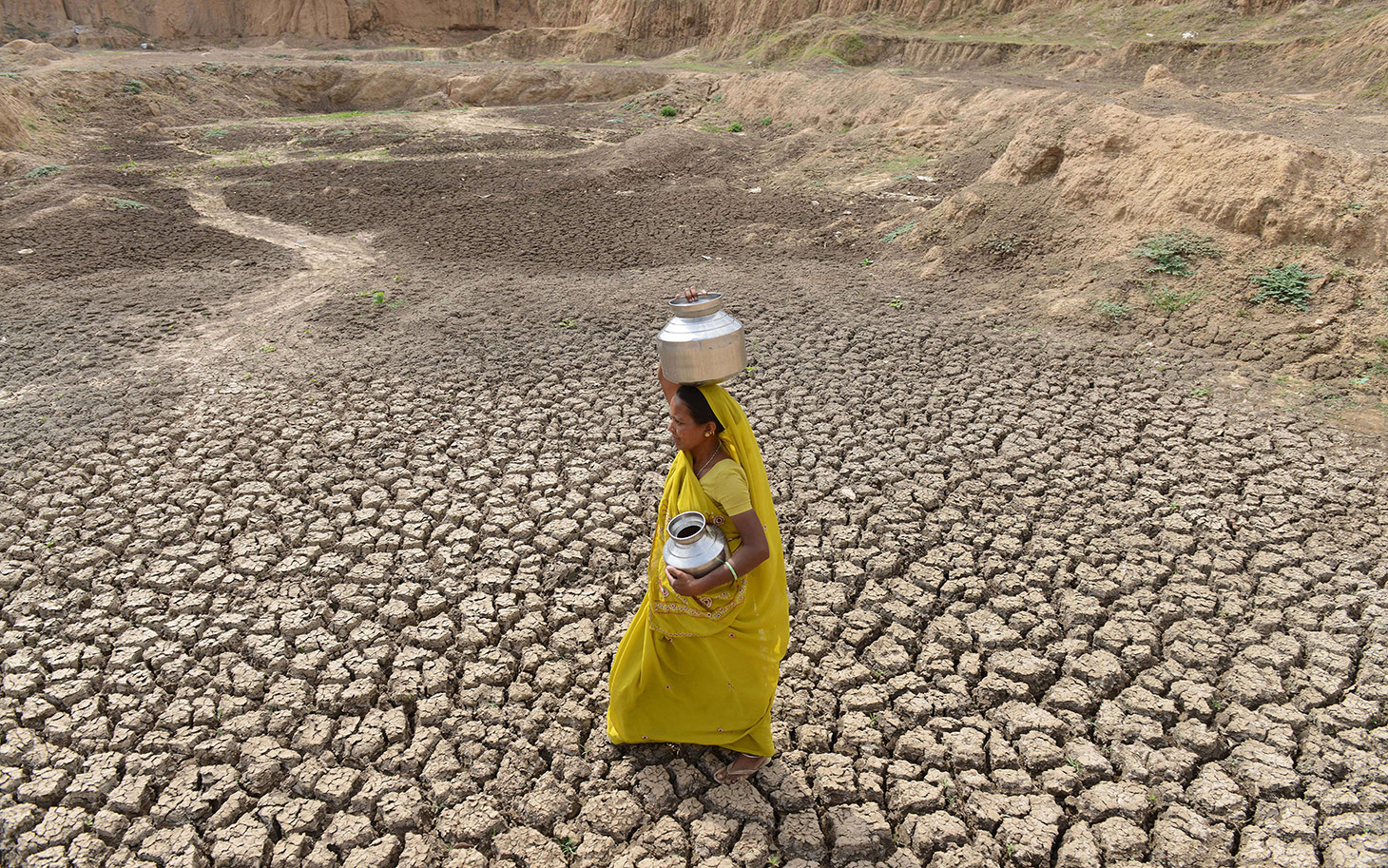
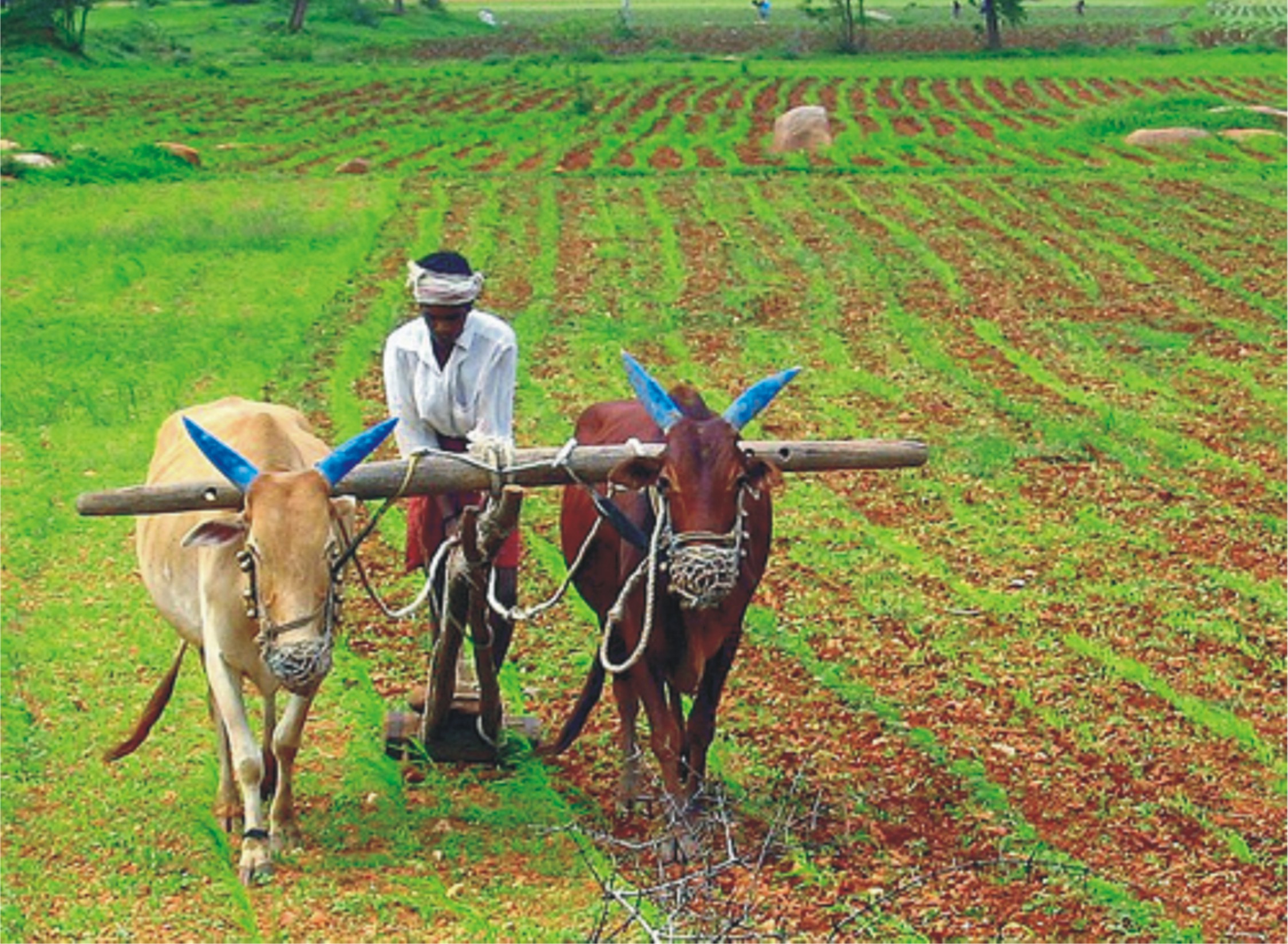
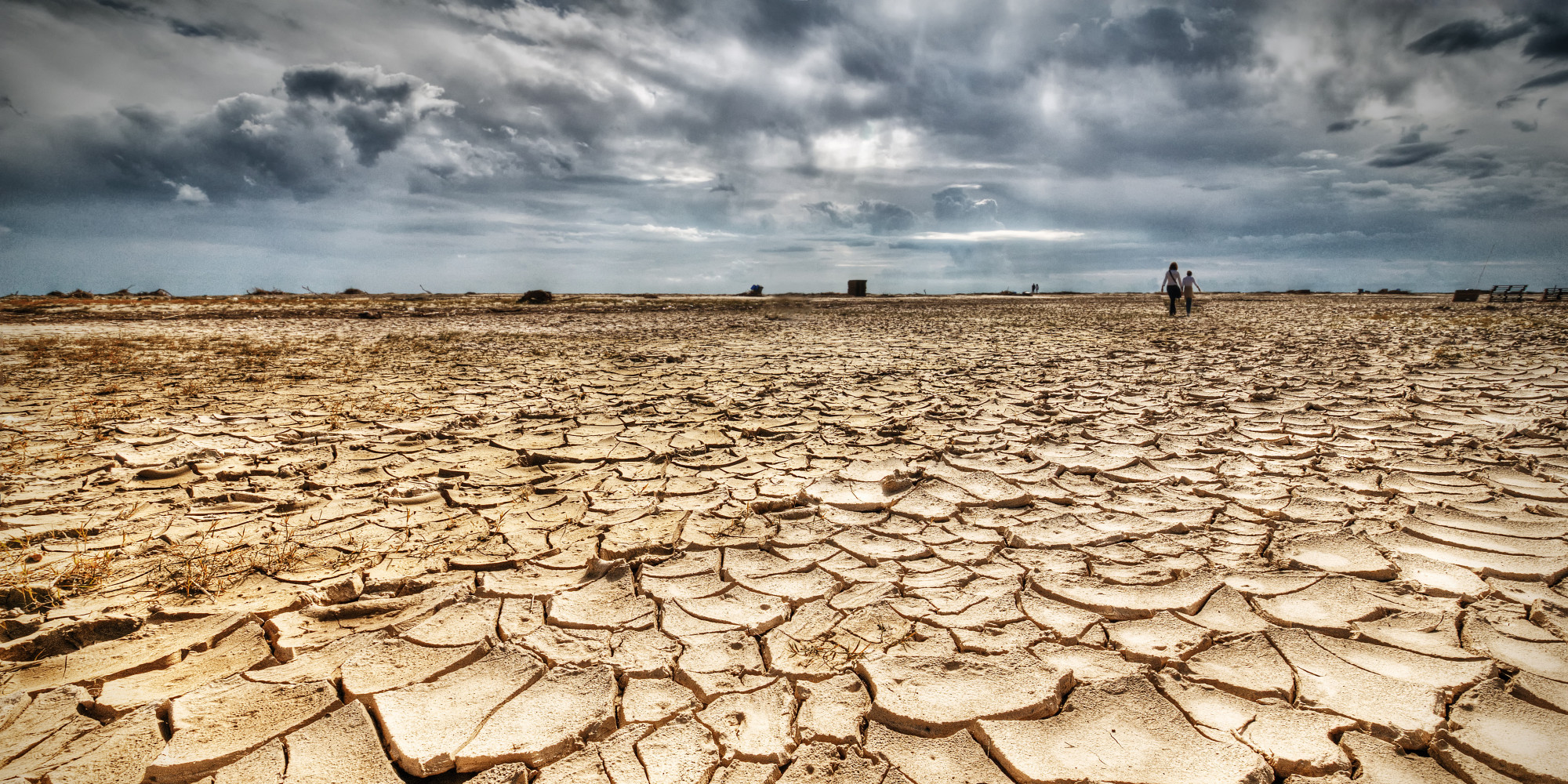
Even though the monsoon ended with a 14% rainfall deficit, with nearly half the country’s districts facing a shortage of over 20%, states are delaying declaring a drought that could provide immediate relief to farmers by compensating for crop damage and restructuring farm loans. The June-September monsoon, which irrigates over half the country’s farm land without access to irrigation, was deficient or scanty in 49% of the districts, data from the India Metereological Department shows. The rain-deficit districts are concentrated in Maharashtra, Karnataka, Telangana, Gujarat, eastern Madhya Pradesh, Bihar and eastern Uttar Pradesh. However, except for Karnataka, which notified a drought in August in 27 out of 30 districts and sought Rs.3,050 crore in federal government assistance, none of the other rain-deficit states has declared a drought so far. For instance, 216 of 459 mandals (blocks) in Telangana recorded scanty rainfall but the state is yet to notify a drought. Similarly, 22 of 35 districts recorded a rain deficit in Maharashtra, taking the state-wide deficit to 27%. In Uttar Pradesh, 61 of 71 districts saw deficit rains and the state-wide deficit was 46% of the long-period average. The Telegana government has finished a survey and a decision on notifying a drought is likely to follow, according to Sunil Sharma, in-charge of the state disaster management department. The final estimation of crop loss will be finished by 15 December after which Maharashtra will decide on seeking central relief and giving compensation to farmers, said Umakant Dangat, divisional commissioner of Aurangabad and the officer in-charge of eight districts in Marathwada, a region badly hit by this year’s drought. “However, we have started relief operations like supplying drinking water and opened fodder camps for cattle. Banks have also been asked to reschedule crop loans,” Dangat said. However, it is having little effect on the ground, said farmers. “If the government declares a drought we can get the compensation of Rs.6,000 per hectare (non-irrigated land) and electricity bills will be reduced by a third, and interest on loans waived off,” said Manik Kadam, a farmer and village council representative from Parbhani district in Maharashtra. “The cattle camps for supplying fodder are on paper. We haven’t got any relief yet.” Last year, Maharashtra declared a drought on 18 November in nearly half of its 39,000 villages. “A month ago, the chief minister said he will notify a drought, but we are still waiting,” Kadam said. Meanwhile, even as states delay notifying drought, farm distress has peaked across the country in the wake of a second consecutive year of deficit rainfall. The monsoon deficit was 12% in 2014. In Maharashtra alone, 2,234 farmers committed suicide between January and September, revealed a right to information query filed by Mumbai-based activist Jeetendra Ghadge. Mint has a copy of the response from the state revenue department. According to Rythu Swaraj Vedika, an umbrella organisation of non-governmental organisations in Telangana that collects data on farm suicides, 1,441 farmers killed themselves from June last year till date. Karnataka reported 516 suicides this year, over half of which were recorded in the last two months, according to data provided by the Congress, the ruling party. This is the second consecutive drought year, the fourth such event in India’s history in 115 years, said Ashok Gulati, agriculture chair professor at the Indian Council for Research on International Economic Relations (ICRIER), Delhi. “If states are delaying declaring a drought, what is preventing the centre from doing so since 39% of the country’s area is drought-affected?” he asked. The centre can notify a drought, ask states to assess the damage within two weeks, and initiate immediate relief measures, Gulati said. “This is dishonesty with farmers and total neglect of the farm sector. Last year, agricultural GDP (gross domestic product) grew at 1.1% and that is bound to reduce by half this year,” he said. “In places like Marathwada there will be no drinking water after January, the winter crop will suffer, and the government is sleeping through this crisis.” In April, Prime Minister Narendra Modi increased the compensation for crop damage by 50%, and relaxed norms: farmers in areas with at least 33% crop damage are now eligible for compensation, up from the earlier criteria of 50% damage. However, unless a state declares a drought and the Centre assesses the damage, none of these relief measures kicks in. Deficit rainfall will impact rural demand which has already slowed in the past few years, said a Crisil Research report released last week. “Already rural incomes are dented due to falling wage growth. Add three consecutive monsoon shocks and what you get is a significant erosion in farm income,” the report said, adding that falling export prices of agricultural commodities like rice and wheat have added to this rural income shock Source - http://www.livemint.com/

13.10.2015

Vietnam - The challenges of agriculture

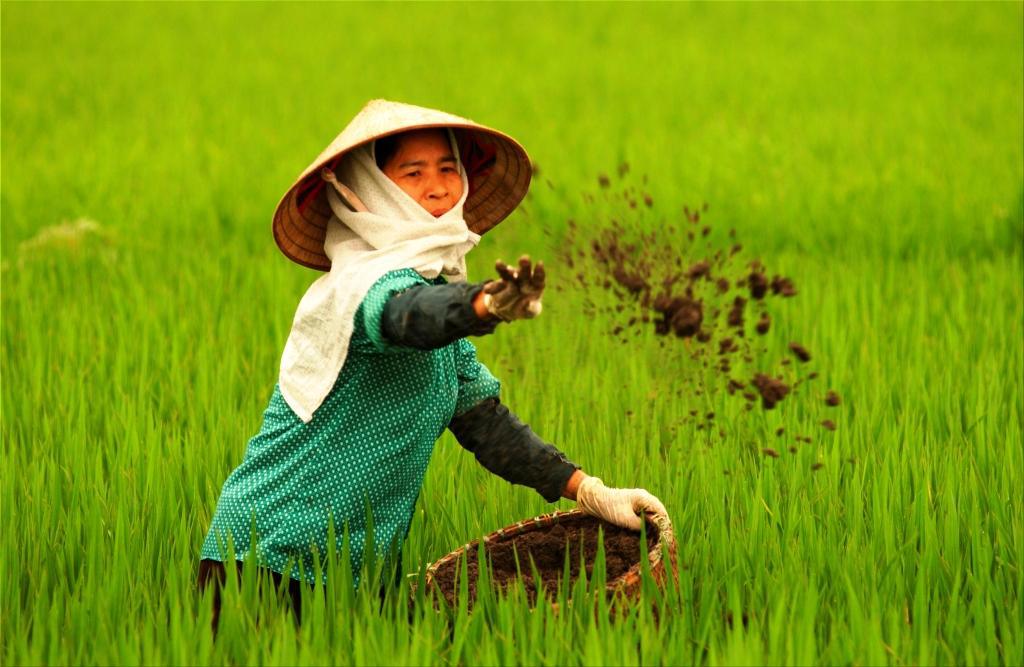
Agriculture is the pillar for social stability of Vietnam and it helped Vietnam stand firmly in crisis but we are facing many challenges right now. “Good harvest – low prices for agricultural products” is the “refrain” that is repeated annually. Why can’t Vietnam’s agricultural production escape from that vicious circle? Dr. Dang Kim Son: Our agricultural products are good, but they are only good in quantity, not quality, so their competitiveness is low. Our agricultural production is falling into the vicious circle like this. The more production grows, the lower the price because of oversupply. It happens to all kinds of agricultural products. Our agricultural production is excessive not because the markets do not need the products but because we do not produce the new products that the market requires. The countries that purchase our agricultural products have been doing so for almost 30 years. The situation is tougher because of the appearance of new agricultural exporters like Cambodia, Myanmar and Pakistan. They are competing fiercely with us in our traditional markets. To seek the new markets, we must have good and diverse products. The matter now is that it is time to switch to a new agriculture that we call "restructuring agricultural production." Dr. Vu Trong Khai: We are seeing the fact that agriculture is in recession. Farmers have to abandon the fields and go to the city to do anything, even jobs without skills, to still earn higher income than farm work. However, the lives of these people in urban areas and industrial zones are very poor. In our country, the people living by agriculture account for 70% of the population. At least 57% of the workforce works in the agricultural sector, but this sector generates less than 20% of the country’s GDP. Therefore, they only benefit from that number. GDP per capita in rural areas is only $200 compared with the national average of $1,600/person. According to a survey by the Institute of Policy and Strategy for Agriculture and Rural Development, the average income of a farmer household with four people is VND60,000 (less than $3) per day, below the poverty line. Up to 47.4% of farmer households are unsatisfied with the present life; 50% of the households had debt, of which only 13% had access to bank loans. The remaining 87% were clients of loan-sharks. The annual savings rate was only VND5-8 million ($250-$400) per household, of which 80% was for hedging. The vicious cycle goes on and on. Low productivity leads to low income; low income leads to low savings; little saving leads to small investment; and small investment leads to low productivity... Thus, the achievements of agriculture, the great role of agriculture as the "pillar" became a screen that obscures the misery of farmers. They have to sacrifice too much. In my opinion, agricultural renovation is actually untying the potential; like a tightly compressed spring, after being released, it springs up at full throttle to return to its original state, not more. In other words, this policy is not effective anymore so it cannot create the ability to grow in quality. We had the “untying” policy but we did not have the policy of motivation. The motivation policy is completely different to the “untying” policy. It takes the role of pushing development to a new level, improving quality, increasing competitiveness and meeting the increasing requirements of the market. Therefore, the policy of "motivation" should be made with a scientific and practical basis; and it requires qualified policy makers who do their job conscientiously and courageously. The facts always change and the policy must also change to adapt. In the context of international economic integration, policy makers must understand the WTO rules and international practices. The policy implementation capacity of the public administration and civil servants must be improved. The conscience and courage of the policymakers are shown through their firm stuff to avoid the influence of interest groups, leading to sacrifice the interests of farmers. Dr. Vu Trong Khai, you have many studies of agricultural and rural development. Could you talk briefly about the biggest problem of Vietnam’s agriculture? Dr. Vu Trong Khai: With the small production scale at present, each household has only 0.8 hectares of cultivation land on average. Farming is still a "hereditary" profession, which is based on experience. Processing and trade remains the same, without association with a value chain. The economy in general and agriculture in particular are involved in the global value chain in a disadvantageous position. Thus, with low added value, more deeply integrating into the global market, agriculture increasingly brings negative socio-economic and environmental consequences, and the farmers get poorer. Why do we fall into this situation? There are many reasons. After joining the World Trade Organization (WTO), we have not taken advantage of global integration but have been affected by the negative impact of globalization. At the micro level, an important cause, which is "the cause of all causes," is that we're missing the "big farmers" and agricultural administration in a professional manner. In other words, our institutions have not formed a team of professional farmers and large agricultural production. As you said, the more we export rice, the more losses we get. So why do we keep producing rice and exporting 6-7 million tons of rice annually? Dr. Dang Kim Son: First of all, rice production itself is an important advantage of Vietnam, especially the Mekong Delta. The Mekong Delta is not only the granary of Vietnam but also of the world. In the future when climate change will increasingly be more intense, the more valuable the Mekong Delta rice basket will be. However, in terms of economic efficiency, we need to recalculate. For years we have not calculated the cost of the environment. Wet rice is a water and soil intensive variety. Rice is among the plants producing large carbon emissions. If all of these things are taken into account, production of wet paddy is not highly profitable. Indeed in other countries, the governments heavily subsidize wet rice cultivation because it is considered “political plant” rather than “economic plant” to maintain social stability, create jobs and ensure food security for the poor. One of the reasons why we continue to maintain rice production is that we have a tradition of production of rice, one of the oldest rice civilizations of the world. Our people have produced rice for many generations so it is hard to switch to other crops overnight. Dr. Vu Trong Khai: If we don’t plant rice, what crops should we cultivate is a tough question, especially for the Red River and the Mekong Delta, because rice production is a system and we have to start from the market to processing, and other infrastructure facilities. For farmers, if the rice prices are low or they cannot sell rice, they can keep it to eat. The other crops don’t have such advantage! A big problem for agriculture at present is the burden of fees and charges on agricultural products. Why does this absurdity happens? Dr. Dang Kim Son: I would confirm that the central government does not want that. The government knows clearly that the contribution of farmers is not important for the increase of budget revenue. The State’s goal is to stabilize the countryside and the lives of farmers. But there are state bodies with the cumbersome apparatus and civil servants whose salary is low, so they create "hurdles" to extort money. Besides, it is the bureaucratic attitude of officials who want to ban to easily control, to avoid risks in management, regardless of difficulties of the producers and traders. Therefore not only the central state but also the people have to struggle against bureaucracy. The renovation process itself must also cope with this. Breakthrough in institutions is the most important breakthrough of the process of economic restructuring. Dr. Vu Trong Khai, you have said that the interests of farmers and agriculture have not been respected and guaranteed though we have policies on this. Could you point out some "evidence"? Dr. Vu Trong Khai: The 1993 Land Law only set limits for the area of land used by farmers, not enterprises. The duration of land use rights for farmers is only 20 years for annual crops while enterprises can use land for 50-70 years, depending on the project. That is, for the same behavior of using land for agricultural production and business, farmers can use up to only 2-3 hectares for 20 years, while the restriction is not applied to businesses. According to the 1993 Land Law, farmers only receive compensation for land use rights under state prices when their land is revoked to give to investors. Farmers don’t have the right to bargain. But after the land is allocated to investors and the State wants to take back to build infrastructure or lease it to someone else, the State has to negotiate the prices under the market mechanism. Some tycoons emerged in Vietnam after they were allocated land revoked from the farmers. At the same time, the farmers who lost their land had to go to cities to work at industrial zones or take manual jobs. Investors have dominated the policy; why have the interests of farmers been sacrificed? There are many similar painful stories that I can’t tell in this talk. The big issue that I want to say is, there are many policies on agriculture and farmers that need to be reviewed. More importantly, I think we need to reconsider the current industrialization in Vietnam. We can see these problems very clearly in industrial zones and export processing zones. Could you clarify these problems? Dr. Vu Trong Khai: In other countries, they invest in industrial zones for the goals of economic development and also social objectives like attracting labor in the rural areas in order keep farmers in their hometown. In Vietnam, industrial zones grow in big cities. Secondly, our industrial zones only create jobs not life, as they are not tied to residential areas and people. Rural laborers working in industrial zones have temporary lives. They don’t have kindergartens, schools, and hospitals. If they have children, they have to send them back home to their grandparents. Thus, how can they work in peace and contentment? So farmers leave home to be workers, but they always return by keeping their fields. They don’t dare to sell or rent agricultural land in the long-term, but keep it or lease it for a few years only. They are always ready to come "back home". Thus, we cannot realize the objective of transferring manpower from agriculture to industry and our agricultural production is still on a small scale. Source - http://english.vietnamnet.vn/

13.10.2015

USA - Historical perspective on the 2014 Farm Bill's Farm Program Choice

The 2014 Farm Bill provided farmers with the opportunity to elect the commodity program for their crops and farms. As discussed in detail in previous farmdoc dailyarticles, producers could elect a fixed-price program (Price Loss Coverage, PLC), a county-level revenue program (Agriculture Risk Coverage, County, ARC-CO) and an individual all commodity level revenue program (Agriculture Risk Coverage, Individual, ARC-IC). This is not the first time throughout the 80-plus year history of farm policy that producers have confronted decisions about the specifics of the programs that will be applied to their farms; however, most came in the form of large-scale referendums of and votes by farmers growing the affected commodities. In light of the fact that 76% of all farm program base acres elected ARC-CO and 23% PLC, this article looks closer at previous instances of farmer decision making for farm programs. The original and longest-running version of choice in commodity programs is the farmer referendum on marketing quotas. They originated in the Agricultural Adjustment Act of 1938.1 Put simply, under New Deal farm policy the Federal government would support the prices of commodities through nonrecourse loans but farmers generally had to comply with acreage allotments to get the loan. Marketing quotas were initially an additional component of supply control policy that were at the discretion of the Secretary and the farmer via referendum. Marketing quotas essentially set limits on the quantity of a commodity that could be sold. They were often used in the event that the acreage allotments (or specific diversion or reduction requirements) failed to reduce supplies sufficiently to balance against demand. Under the typical marketing quota provision, the Secretary of Agriculture would have to declare a marketing quota when supplies were estimated to be excessive and then all farmers that would be subject to the quota could vote in a referendum held by USDA; if more than one-third of the farmers voting opposed the quota they would not go into effect. The concept of a farmer referendum on marketing quotas was generally carried in the various farm bills written through the volatile 1950's farm bill debates, but was used more for some commodities than others.2 The Agricultural Act of 1958 offered a notable variation on the policy option offered as a farmer voting option: corn farmers were given a referendum to choose either continuing then-existing price supports at between 75% and 90% of parity for those complying with acreage allotments, or a new program that ended acreage allotments and provided price supports at 90% of the average price received by farmers in the three previous years.3 Corn farmers largely supported the new option over the existing policy in the referendum and that program became effective for corn beginning with the 1959 crop year. Arguably the most consequential referendum was the 1963 wheat referendum authorized in the 1962 Farm Bill.4 This referendum would have restored production controls, including marketing quotas, on wheat unless more than one-third of farmers voted against it. On May 21, 1963 less than 50% of wheat farmers voted for the referendum. This vote effectively ended the marketing quota and referendum concept as Congress removed these mechanisms for most program commodities in the 1970 Farm Bill.5 With the 1973 Farm Bill, farm policy shifted towards target price, deficiency payment programs. The 1996 Farm added fixed income payments via production flexibility contracts which became direct payments in 2002. The 2008 Farm Bill provided the first notable instance of an individual-farm program option or alternative under which farmers could elect out of counter-cyclical payments program and part of direct payments in favor of the Average Crop Revenue Election program.6 Of course, that farm-level decision was followed by the 2014 Farm Bill's election at the crop and farm level between ARC and PLC. Farmers also have had to make choices related to farm programs such as updating farm program yields and base acres in both the 2002 and 2014 Farm Bills. In summary, while farmers have had varying degrees of choice in farm programs throughout the history of farm policy, the two most recent farm bills have provided for specific program elections at the individual farm and crop level. This is a fundamentally different farmer decision mechanism than the historic elections for an entire commodity sector decided via a large-scale referendum of all farmers of the commodity. This potential trend may well be consistent with the proliferation of choice as a defining characteristic of American consumerism, as well as flexible, customized working arrangements in the American workplace. Providing farmers these specific policy elections, however, is a relatively new policy feature, and experience under the ARC/PLC decision is expected to be instructive about this as a policy option for future farm bills. Reminder: Farmers and landowners, please take time to fill out the brief online survey to provide feedback about the farm program elections, the web-based decision tools and the election process at FSA. Your participation in this study is voluntary and completely confidential; any data collected will be averaged and reported in aggregate only. Individual information and responses will not be made public. To participate in the study, please click here or copy and paste http://go.illinois.edu/2014farmbillsurvey into your internet browser. Notes [1] Agricultural Adjustment Act of 1938, P.L. 75-430, 52 Stat. 31, subtitle B (1938). [2] Generally, Wayne Rasmussen, "Agricultural Policies After Fifty Years," 68 Minn. L. Rev. 353 (1983-1984), pp. 353-377, and Edward L. Schapsmeier and Frederick H. Schapsmeier, "Farm Policy from FDR to Eisenhower: Southern Democrats and the Politics of Agriculture," Agricultural History, vol. 53, no. 1 (1979), pp. 352-371. [3] Ruth R. Harkin and Thomas R. Harkin, "Roosevelt to Reagan Commodity Programs and the Agricultural and Food Act of 1981," 31 Drake L. Rev. 499 (1981-1982), pp. 499-517. [4] Generally, Don F. Hadwiger and Ross Talbot, Pressures and Protests: The Kennedy Farm Program and the Wheat Referendum of 1963 (Iowa State University Press, Ames and Chandler Publishing Co. San Francisco, 1965; Food and Agriculture Act of 1962, P.L. 87-703, 76 Stat. 605 (1962). [5] Agricultural Act of 1970, P.L. 91-524, 84 Stat. 1358 (1970). Food, Conservation, and Energy Act of 2008, P.L. 110-246, 122 Stat. 1651, at sec. 1105 (2008). References Schnitkey, G., J. Coppess, N. Paulson, and C. Zulauf. "Perspectives on Commodity Program Choices under the 2014 Farm Bill." farmdoc daily (5):111, Department of Agricultural and Consumer Economics, University of Illinois at Urbana-Champaign, June 16, 2015. Zulauf, C., G. Schnitkey, J. Coppess, and N. Paulson. "2014 Farm Bill Crop Program Election, Part II." farmdoc daily (5):113, Department of Agricultural and Consumer Economics, University of Illinois at Urbana-Champaign, June 18, 2015. Source - http://www.agprofessional.com

13.10.2015

USA - Recent Storms Cause Widespread Flooding Across ENC

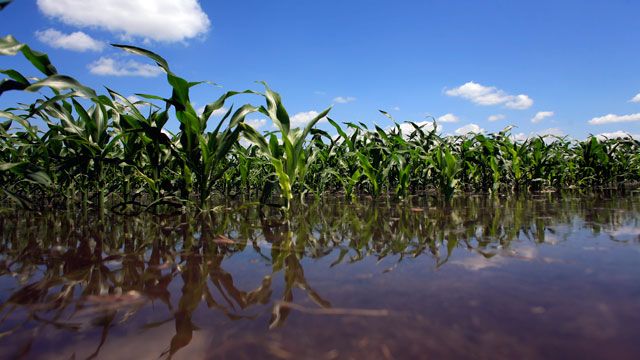
Eastern North Carolina has been inundated with rain when a system stalled along the coast, dumping up to 22 inches of rain in some areas.  The slow moving nor’easter combined with tropical moisture from Hurricane Joaquin and caused widespread flooding across the region on Sunday and Monday. It’s harvest time; sweet potatoes, peanuts, soybeans and tobacco are ready to be picked. So it’s the worst time for strong winds and rain.  After this week’s storm, fields are flooded, plants have been destroyed, and some crops like cotton may be a total loss because they can’t be harvested when the seeds are softened by rain.  It’s not known exactly how much damage was caused, but Gov. Pat McCrory and Agriculture Commissioner Steve Troxler were in eastern North Carolina this week surveying the damage.  Troxler said later every major crop in the state took a hit from the recent storm.  We’ll continue to cover the agricultural losses as more information comes available. Source - http://publicradioeast.org

12.10.2015

USA - Wet weather may impact peanut harvest

Wet weather has stalled South Carolina’s peanut harvest this year. A lot of peanuts are still in the ground, while peanuts that have already been dug are sitting on top of the ground. Peanuts must be dug up and turned over to dry for about a week before they are picked. Cloudy humid weather delayed drying of dug peanuts. Wet weather made fields too muddy for digging and picking machines to operate. Growers manage insects, weeds, foliar and soil diseases, nutrient and irrigation throughout the growing season. However, they make or lose money based on their digging decisions more so than any other part of the process. To determine harvest time peanut growers dig samples from their fields. They then scrape the hulls and examine the color to ascertain if the crop is ready to dig. Whether peanuts are better left in the ground or turned above ground depends on their maturity. If they are a few days short of maturity a grower may allow the pods to spend a few more days in the ground. If they pass maturity, however, a lot of them be left in the ground when they are dug. Digging peanuts at the right time ensures that the grower gets the best yield and highest quality. There are too many variablesóvariety, soil type, and amount of moisture during different periods of the growing seasonóto use the number of days after planting to set a digging date. Environmental conditions can cause fields to be ready sooner or later than expected. Wetting and drying of dug peanuts causes a condition called loose shell kernels which is linked to aflatoxin contamination (a serious health risk). Moisture during the drying period can also cause mold and sprouting problems. Humidity and rain have already encouraged the growth of a secondary fungus on otherwise healthy peanuts. A large amount of fungi on outside of shell may indicate fungal growth in the inside of the shell as well. That lowers the grade of the peanut. Digging peanuts too soon results in a lower grade crop which earns a farmer less money; digging them too late results in the pods falling off the plant and remaining in the field. Both ways the grower loses money. Gardening note: You may find peanut shells available for sale for use as mulch. They contain nitrogen and are long lasting. It may seem like a good idea, but it is not. They can be carriers of Sclerotium rolfsii — commonly known as southern blight or white mold. The cotton harvest was also served badly by the weekís long high humidity and heavy rain. Cotton plants are defoliated in preparation for harvesting. Growers make the decision to defoliate when 60-65 percent of the bolls on plants are open. That timing provides maximum quality and value from the crop. The harvest begins usually 7 -10 days after a defoliant is applied when leaves have dropped off the plant and lint moisture is determined to be not over 10 percent, better 8 percent or less. Environmental factors cause lint quality to start deteriorating immediately when the boll fully opens. Growers have already found lint falling out of bolls from the heavy rain and green sprouts poking through white lint because the crop is saturated. Approximately two thirds of the cotton crop is actually seed. In addition to fiber, the cotton industry uses the seed to make cotton seed oil and meal. The oil is used by the food industry and the high protein meal is used as feed for livestock. Gardening note: Cotton seed meal (5-2-1) is an excellent source for slow release nitrogen, phosphorus and potassium. It is also high in trace elements. It is an excellent natural fertilizer for lawns and gardens. Be aware that it acidifies the soil which makes it good for acid loving plants. Check your pH, however, before you use it on your lawn and indiscriminately in your garden. Our local peanut and cotton growers are in a risky and complex business. It will be interesting to follow the rest of their harvest once they get back in gear. Source - http://www.myrtlebeachonline.com

12.10.2015

India - Minister promises survey of crop loss

Forest Minister Jogu Ramanna on Sunday said changes in climate and increase in soil temperature over a period had heralded the arrival of new kinds of pests. The Minister said such pests were causing loss to standing crops across the district and needed a proper study aimed at their control. The Minister assured farmers of conducting a district-wide survey to assess damage to standing crops due to pestilence. Mr. Ramanna also assured the farmers that agriculture scientists would study the phenomenon of new kind of pestilence to take remedial measures and sought to allay the fears of the farmers. Accompanied by agriculture department officials and agriculture scientists, Mr. Ramanna visited cotton and soyabean fields with red gram as an intercrop at Deepaiguda in Jainad mandal to see for himself the new kinds of pests attacking the red gram crop. Boll worms He said boll worms were destroying the red gram crop. Source - http://www.thehindu.com

12.10.2015

New Zealand - Auckland fruit fly operation ramps up

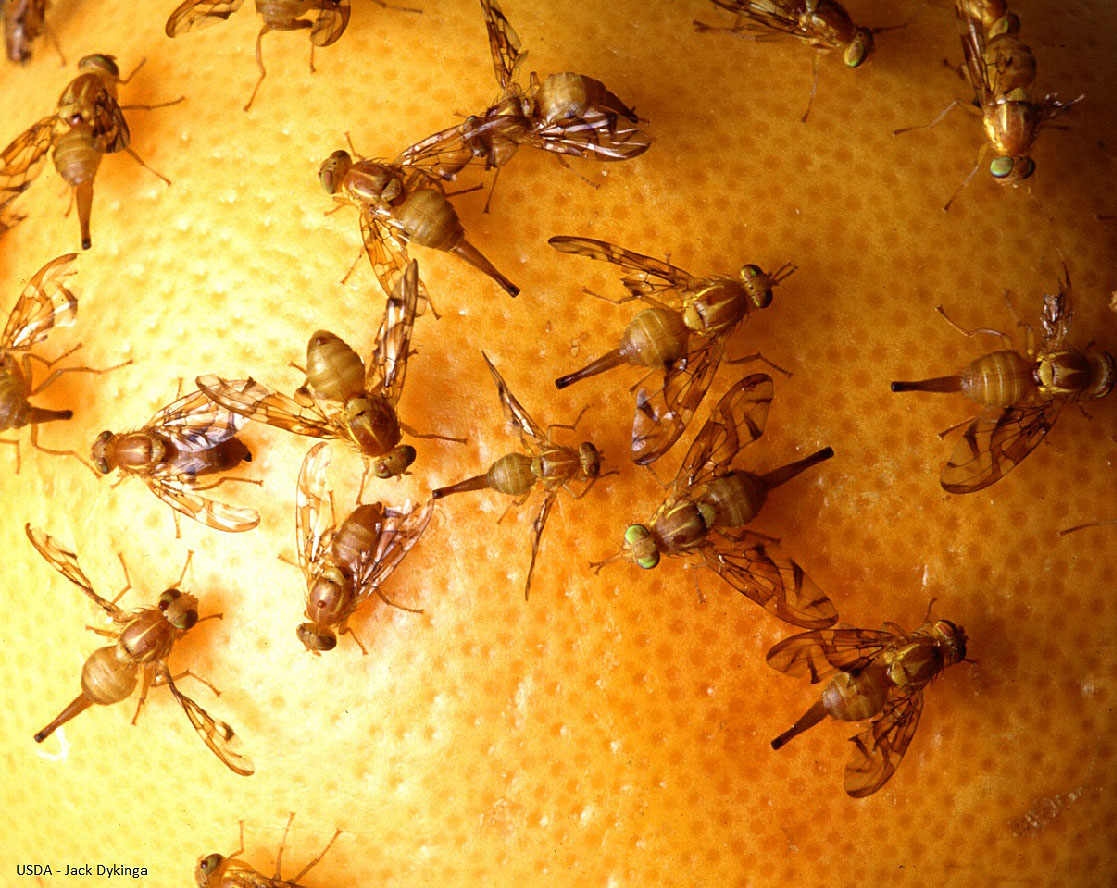
Ministry for Primary Industries has ramped up its fruit fly detection operation in Auckland as the weather heats up, but it hopes to give the all clear before Christmas. The inner-city suburb of Grey Lynn was put under a fruit and vegetable lockdown after a male Queensland fruit fly was found on February 16, the fourth time the pest had been found in northern New Zealand since 2012. In the latest outbreak, 14 flies were found, the last early in March, and the last larvae were found a week later. An MPI spokeswoman said fruit flies were usually inactive during the colder, winter months so field activities, including trap checking, were reduced. The spring programme began a couple of weeks ago and involved an increase in the number of times MPI checked traps in the highest risk area. Traps near where the flies were first found would be checked twice a week during the spring, she said. MPI planning manager Edwin Ainley said New Zealand could not assure its trading partners the population was gone until the empty traps confirmed the operation's success. At this stage MPI expected to give the all clear in early December and lift remaining restrictions on the transportation of fruit and vegetables before Christmas. As of the start of August the response to the infestation had cost $11.6 million. The MPI spokeswoman said the cost was changing all the time. Source - http://www.freshplaza.com

12.10.2015

India - New crop insurance scheme to charge 2% premium for pulses

To provide a safety net to growers of pulses, which could also help boost production, the Centre's proposed new crop insurance policy has pegged the burden of premium on pulses at a moderate two per cent of the sum insured. Officials said according to the broad contours of the new crop insurance scheme, which has been prepared and is now awaiting Cabinet nod, the premium on horticulture crops has been fixed at five-six per cent of the sum insured or on actuarial basis, whichever is lower, while that on non-horticulture crops has been fixed at two-three per cent. The difference between the actual premium charged by the insurance company and what the farmer pays will be subsided by the Centre, officials added. This means that if a farmer gets his pulses crop insured for Rs 200,000, his annually premium would be somewhere around Rs 4,000 or even lower. At present, the average crop insurance premium on pulses, which a farmer has to pay ranges between 10-12 per cent of the sum insured, which acts a big deterrent. The scheme would be a combination of weather-based and yield-based insurance for crops. The government has been working on a new crop insurance scheme for a long time, but there has been some differences over the premium to be charged from the farmers and its impact on the Centre's subsidy. However, officials said the premiums have been finalised after much deliberation. The financial burden on insurance companies would also be minimised as participants would be invited through open tenders conducted by the state governments. "In the currently operational modified National Agriculture Insurance Scheme, premium is charged at market rates due to which for some crop the farmer burden is as high as 10 per cent of the sum insured. The new improved crop will lower this burden," another official remarked. Village or block could continue to remain as a unit for measurement of insurance claim as with the existing schemes. According to a study by private weather forecasting agency Skymet along with industry association Assocham, less than 20 per cent of India's 130 million farmer families have crop insurance, which is why a vast majority of them are exposed to the vagaries of weather. Even among loanee farmers, insurance penetration is not 100 per cent, for whom it is mandatory to get an insurance cover as soon as they avail of a crop loan. "Of the un-insured farmers, 46 per cent were found to be aware but not interested while 24 per cent said the facility was not available to them," the study showed. Only 11 per cent felt they could not afford to pay the insurance premium. Poor design of insurance products, particularly related to claims settlement, has led to farmers not being covered, despite significant government subsidy, the study pointed out. According to rules, farmers' insurance claims have to settle within 45 days of the risk assessment. However, often, claims are not attended even after six months. This was one of the factors behind farmers' not opting for crop insurance. However, there are some aberrations as well and in some states such as Rajasthan and Bihar, where 40-50 per cent of total area under crop is covered through insurance. Source - http://www.business-standard.com/

12.10.2015

India - Government’s Kisan project takes off; hailstorm app to gauge crop damage

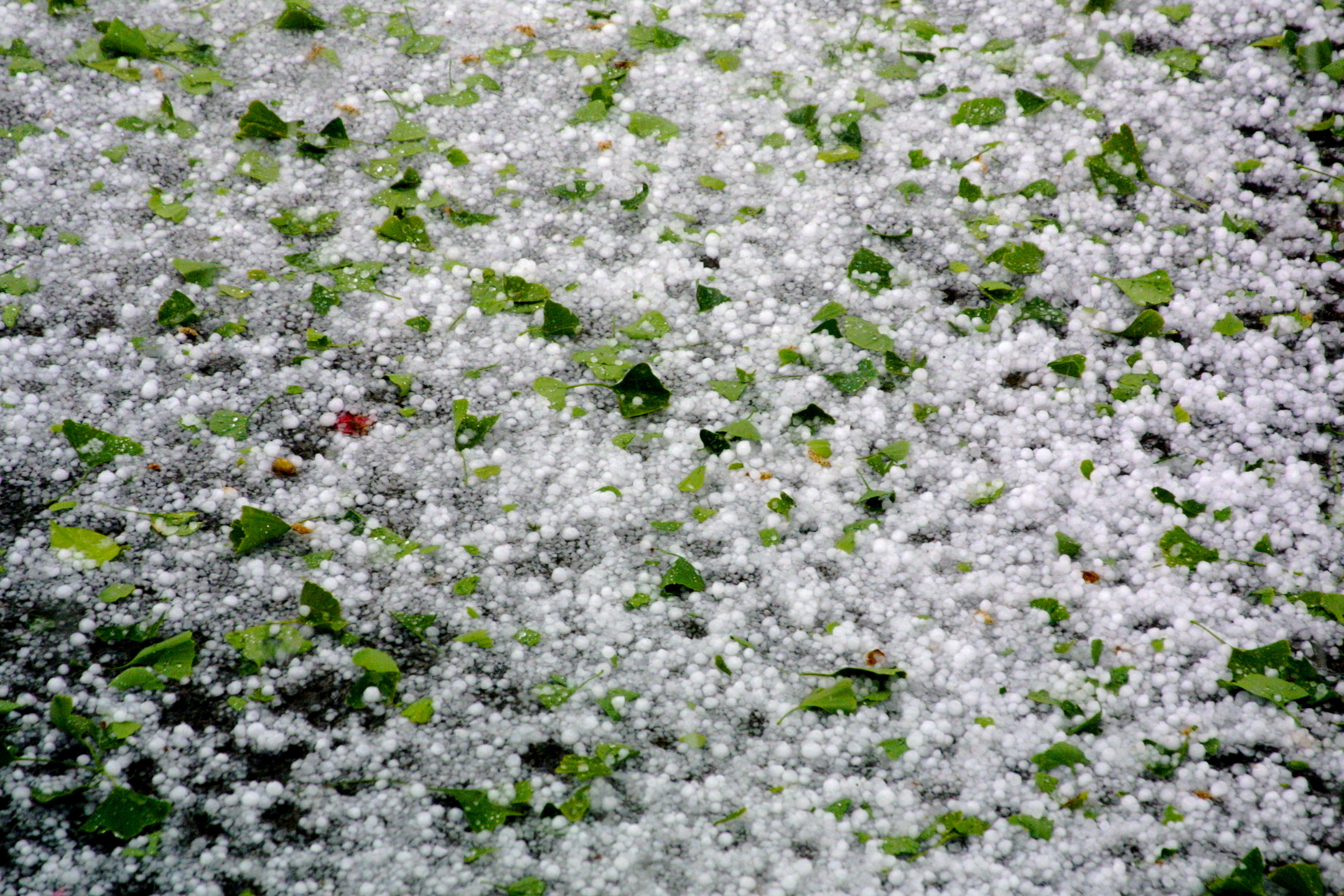
In a big relief to farmers, Government of India has launched ‘Kisan’ project on October 5, 2015 that will eventually fasten the settlement of crop insurance payment claims. State agriculture officials will now be using satellite and drone-based imaging, along with sophisticated modelling activity and other geospatial technology for getting high resolution remote sensing data. This will not only garner timely results but will also increase the level of accuracy on crop yields through more effectual crop cutting experiments. In addition to this, Ministry of Agriculture has also launched an Android-based app for assessment of data of hailstorm for accessing large-scale destruction of standing crops. “The pilot study will be initially conducted in rice and cotton fields in four districts during the ongoing Kharif season in Shimoga- Karnataka, Yavatmal- Maharastra, Kurkshetra-Haryana and Seoni-Madhya Pradesh,” said Sanjeev Kumar Balyan, Minister of State for Agriculture at the event. He further added that study will also be carried out during upcoming Rabi season in four more districts of the same states for rice, wheat and shorghum. Government plans to expand the programme post the result of the initial study. Block level yield estimation and development of a new index based insurance approach, using remote sensing data are also envisaged under the project, as reported by The Economic Times. Prestigious institutions such as Mahalanobis National Crop Forecast Centre, Indian Space Research Organisation, India Meteorological Department, State Agriculture Departments and Remote Sensing Centres, Climate Change, Agriculture and Food Security (CCAFS) have joined hands for conducting the programme. App to assess hailstorm damage Government in association with ISRO (Indian Space Research Organisation) has developed an app, which can be used through smartphones. Officials will be able to collect hailstorm data through this, along with photographs and locations. This data will be then uploaded on real-time to ISRO's Bhuvan server. Moreover, farmers will also be able to download the app and send pictures of hailstorm all by themselves. Every year, farmers of India suffer huge losses due to crop damage. However, they do not get timely compensation for the loss. As a result, hundreds of farmers commit suicide. Thus, such programmes are the need of the hour that would give new lease of life to the aggrieved farmers. Source - http://www.skymetweather.com

09.10.2015

India - Crop loss on 25,000 hectares in Uttara KannadaState admits to 20% loss of paddy

Chief minister Raghubar Das and agriculture minister Randhir Singh on Wednesday convened a series of meetings with the agriculture department officials and disaster management department and appointed a task force at district level to submit block-wise report by October 15. The government has admitted around 20% loss of paddy and 10% loss to maize throughout the state whereas different districts have suffered varied degree of losses. Among the worst-affected districts are Garhwa and Palamu with 40% expected loss, west Singhbhum with 38% loss, Lohardaga accounting for 35%, Ranchi, Simdega Hazaribag and Ramgarh around 30% and in rest of the districts the loss ranges from 15-20%. Addressing the media, agriculture minister Randhir Kumar Singh said that the loss is likely to increase after the discussion on district level reports on the situation till September 30 in the meeting. "We have asked all the deputy commissioners of respective districts to form a task force and prepare a block level report which will also be forwarded to the Centre for its appraisal," he said adding that a preliminary report on the situation has already been forwarded to the centre. This year as against the targeted 17.67 lakh hectare, paddy was cultivated on 16.57 hectare, maize on 2.76 lakh hectare (3.10 lakh hectare), pulses on 3.41 lakh hectare (4.81 lakh hectare) and oilseeds on 36,000 hectare as against targeted 56,000 hectares due to delayed onset of monsoon and scanty rain. The minister said that the state had targeted covering around 5 lakh farmers under the crop insurance scheme and after the Centre agreed to extend the deadline for crop insurance from August 15 to September 15, as many as 4.41 lakh non-loanee farmers and 97,000 of those linked with agriculture credit plans were linked with the scheme. "On one hand we are trying to disburse the pending premium of insurance scheme and on the other hand proposal has been sent to the Centre for releasing fund for the financial year 2013-14 to give away the insurance compensation to the farmers," Singh said clarifying that state and Centre both will contribute Rs 23 crore each towards insurance claims for lost crop of that period. Director of agriculture, Jata Shankar Choudhary, said that in meteorological sense the state is not yet suffering with drought but the Centre has been apprised of the ground situation. "There are several parameters on which the Centre categorizes districts as drought-hit and at present no district of Jharkhand is in the 'look out' or 'alert' category," he said. Choudhary further appealed to the farmers to arrange for protective irrigation with their own resources and expressed hope that a wet spell cannot be ruled out in the next few days. Meanwhile, the directorate has advised banks to focus on disbursing loans to farmers through kisan credit cards. Source - http://timesofindia.indiatimes.com

07.10.2015

India - Crop insurance can protect farmers, a critical device to relive short term distress

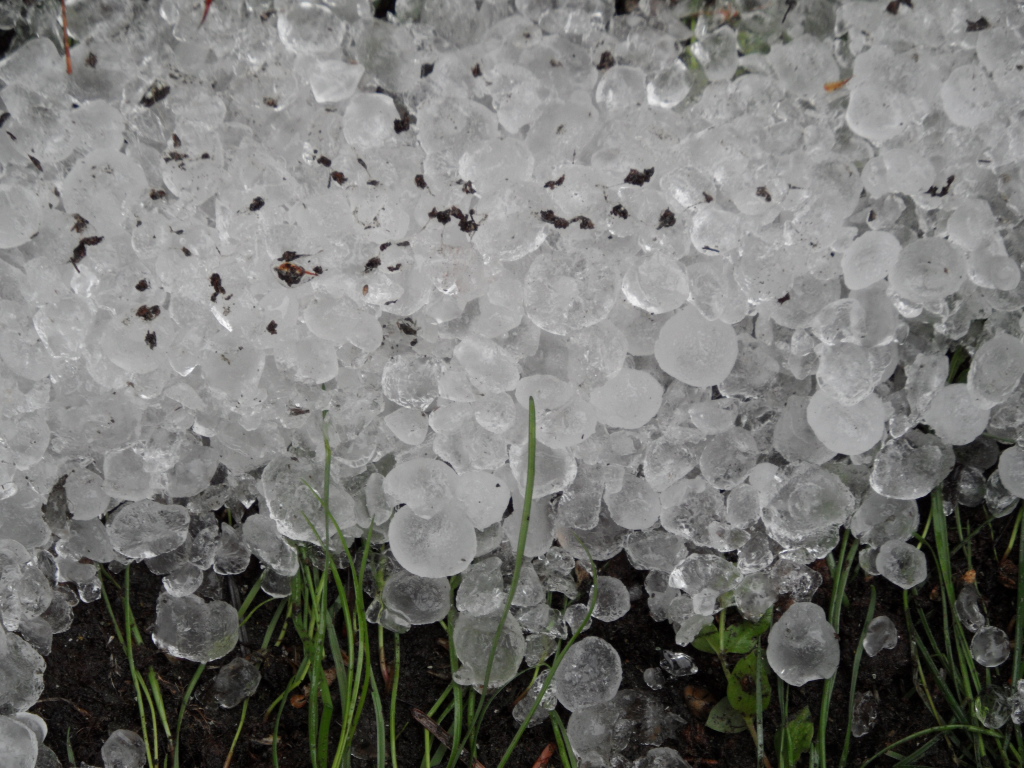
A good harvest is not only dependent on the effort and enterprise of the farmer, but crucially on weather, which can bless or blow it. In early 2015 farmers suffered extensive crop damage particularly to the wheat crop in North India because of hailstorms and untimely rain. Elsewhere potato farmers were put to loss because of a price slump caused by excess production and lack of cold storage space. Insurance can protect farmers but has not caught on. The premium collected by life insurance companies has increased from Rs 35,000 crore to Rs 3.14 lakh crore over the 14 years to 2013-14. On the other hand premium of non-life insurers has increased from Rs 10,500 crore to Rs 80,000 crore during the same period. People insure their cars, homes, valuables, lives, health and also against the possibility of an accident rendering them unable to earn. Insurance companies do not wait for consumers to turn up at their doors; they are aggressive in soliciting business from them even as insurance it the subject matter of solicitation. But when it comes to insuring risks in one of the riskiest economic activities, that is agriculture, they are quite coy. “There is a lot of advertising on TV. Car insurance gets advertising. Similarly crop insurance should be advertised so that the message reaches farmers and they remain safe. By the time we sow, we incur 50% of the cost. If in the first stage your crop is destroyed either due to heavy rain or crop disease then the 50% investment is lost,” says Ajit Singh Mann, a farmer as Bheen village in Nawanshahar, Punjab. Ajit Singh Mann lost much of his potato crop earlier in 2015 to rains at the time of harvesting. He cultivates a variety of crops as a hedging strategy on own and leased land. He is also a contract grower of seed potatoes for PepsiCo which arranged a loan through Karur Vysya Bank, which in turn bought insurance for him. Mann paid a premium of Rs 15,000 for 10 acres of the potato crop but the bank does not seem to have done what was best for him. He says, “Because of prolonged rains, I lost 50% of the crop. So I told the bank about my loss and told it to get me my claim. They said your insurance was for three months while your crop was in the field for five months. So you are not entitled to compensation.” In Uttar Pradesh’s Mathura district farmers suffered extensive damage to the wheat crop in April 2015. Agriculture in western Uttar Pradesh is a low risk activity because of assured irrigation. But the weather has been acting up of late. In 2014, the rains failed. In April 2015, misery one again dropped from the skies. More Pal of Ajnokh village in Mathura says, “Almost one-one kg, 800 grams hail stones fell. It knocked down the crop and the wind that followed flattened it. When it rained subsequently, the gains rotted. Because of that there has been cent percent loss.” Another farmer Dharamvir Sharma of Unchhagaon village in Mathura says, “On the day it rained hail stones I was in the fields. I had gone to see the wheat crop. My turban was flying. When I saw big hail stones falling as big as half a kg, I had no place to hide. So I took bhusa (hay) and placed it on my head and tried to protect it. Bucolic scenes like women moving around the villages and children playing mask the risk that pervades the lives of small farmers. Random fluctuations in weather can provide a bumper crop one season and a dismal crop the next. Income can wane or wax with unexpected swings in prices of both farm inputs and output. An intense spell of heat, a hailstorm or harvest time rain can make smallholders sell productive assets like cattle or cause children to be withdrawn from school, in the absence of savings, credit or insurance. Current distress can linger on into the future. Maya of Ajnokh village in Mathura says, “I am in great difficulty. How do I take care of my children? What do I feed them? I do not have money, nothing.” Ash Mohammed of Gawana village in Aligarh says, “I used to get 40 maunds but last time I got 10 maunds. I do mazdoori and feed my children.” A massive 80% of the winter crop in Mathura is wheat and the damage officially was assessed at more than 50%. The Centre relaxed the norms for calamity relief and the state government pitched in with its share. The district administration sent a compensation demand of Rs 471 crore at the enhanced rate of 13,500 per hectare. The relief cheques were welcome but they were as iffy as the weather. Radhey Shyam of Gazipur village in Mathura says, “I got the cheques payment as compensation for one part of my land holding (which is in three places). I got Rs 9,000 and my entitlement is Rs 18,000. The patwari told me to return it so they could pay me according to my holding. So I returned it.”Devdutt of Konkera village in Mathura says, “What is Rs 12000? I have 3.5 hectares and I got Rs 12,000.” “In the nearby villages government has given compensation but not here so far. Nor has any govern” says Satyendra Kumar of Ajnokh. Crop insurance has been on the country’s radar since independence. When Rajendra Prasad was food and agriculture minister, Parliament debated a scheme in 1947 and a study was made that year. A compulsory crop insurance bill was introduced in 1965 but not wanting to pay, states did not support it. In 1972, General Insurance Corporation started with insuring H-4 cotton and later groundnut, wheat and potato. It was wound up in 1979 because of huge losses. In 1985, countrywide crop insurance was introduced for the first time and it has gone through three mutations with a view to refine them. Currently, two types are on offer: one which compensates for weather-induced yield losses, in slabs below the average yield for that block or village cluster. In another claims are triggered when crop sensitive weather parameters like rainfall, temperature, wind or humidity deviate from the historical standard for that area. Despite thirty years of crop insurance more farmers are left out than covered. “We did an analysis this time after this crop damage, and the alarming issue that comes to the fore is, in which the press and media in my view should play and important role, the coverage of crop insurance is very less. If you look at the data, in Kharif only 18,811 farmers were covered, while we have four lakh farmers. This needs to be expanded. In Rabi, we find the same around 18,000. We need to widen the coverage,” says Rajesh Kumar, District Collector, Mathura. Yet India’s has the largest crop insurance scheme in the world, covering 35 million, or 22% of rural households. That still leaves out 78% of them. The subsidy payments by the government are substantial ranging from 60 percent to 75 percent of the premium. The two current insurance programmes have made small profits while the previous two made losses.Even when farmers get compensated, it is not enough to repair their losses. “Sir my passbook is witness. I can show it to you in two minutes. According to the bank manager, those who took loan for Kharif crop in June, July and August and whose paddy got wasted because of the drought, and this area was declared drought affected, I am saying I have got it. It got Rs 1700 or so,” says Sugad Singh, Village Ajnokh, Mathura. Mathura District Collector Rajesh Kumar says, “This time we find that farmer’s premium from Mathura was Rs 9.69 crore for kharif and the after the loss the farmer got Rs 9.5 crore. That is almost equivalent or slightly less. Farmer pays 10 to 15% of the share the rest is that to the central government. Only when the uncertainty is taken out of agricultural insurance can it spread. Those who have insured their crops must get claims, that truly compensate, paid in time when a loss is triggered without exposing insurers to fraud. Technology, weather stations, smart phones, satellite pixels and data analytics will have to be deployed to ensure this. Insurers have to walk the tightrope between the affordability of poor farmers and high administrative costs arising from numerous small holdings. The costs pile up because insurers must ensure that the crops insured are actually sown over the area declared, They must monitor that policy holders are not neglecting the crops because of the assurance of insurance. Losses, when they occur, have to be estimated based on crop cutting samples, which if not done diligently and honestly, will inflict losses on insurers or policy holders. And because loss estimates are based on averages, some policy holders will not get their losses fully compensated. Pramod Kumar Aggarwal, insurance modeller, IWMI, says, “Three major issues that farmers face today. One is insurance literacy that they do not understand insurance products so well. The second is product design that it does not pay when it needs to be and that is the administration of the product, often it takes a long time for compensation to be paid.” The first weather-based insurance contract was written by ICICI Lombard in 2003. Since 2007, it is being offered in public private partnership more. It tries to reduce human intervention with statistical models of crop losses that arise from deviations in weather. Their accuracy depends on the number of weather stations and how well the weather data is correlated to crop yields. India’s Met department has over five thousands weather stations, and private companies are adding more. Ideally, there should be weather station in every village, or a fifty- fold increase in number but that would add tremendously to the cost. Baisakhi is Punjab’s harvest festival and this year agricultural economist Ashok Gulati wanted a gift from the government for them. In an opinion piece, the well known agricultural policy wonk said this year’s compensation of Rs 13,500 per irrigated hectare of crop damage, covered just half the cost of cultivation, despite being 50 per more. To be meaningful, insurance must be universal, he said. It must cover 100 million of India’s 140 million sown hectares, and the sum assured must be around Rs 30,000 a hectare. He estimated the annual premium at Rs 15,000 crore, which was beyond the means of most farmers, unless government picked up two-thirds of the tab. “If you want to put it on a sustainable institutional basis you must develop a proper insurance system. But in ag if you want to do that the premium will be very high, which small holders cannot high. Therefore, our tentative answer almost 70% has to be borne by the state,” says Gulati. This draws inspiration from the United States which in 2014 ended fixed subsides of $4.7 billion a year for its 1.7 million farmers. Instead it offered them a choice of insurance that would protect against production risks or crop losses and another that would guard against market or price risk. Together these could cost $3.5 billion.India also subsidizes insurance to the same extent in percentage terms except that the amount is quite low. But there is no guarantee that generous insurance would not have adverse consequences. Pramod Kumar Aggarwal adds, “Right now insurance is linked to cost of cultivation. Suppose you want to link it to total income, there is the big risk of moral hazard that what sort of incentives farmers would have.” Too much comfort would be a disincentive against effort and enterprise. Opinion on the way forward differs. One view is that handouts are much better till such time as insurance can be put on sound foundations. Those who are hands on believe insurance works, despiteflaws, and needs to be refined. Ramesh Chand says, “I would say that all that money which govt is spending in subsidising insurance premium bearing the losses, I think till we come with some workable mechanism in insurance it is better for govt to strengthen and enhance the compensation mechanism.” Pramod Kumar Aggarwal says, “What we are proposing is a double trigger product in which part of the payment initially is made in weather based and the final settlement is done based on yield index.” For the longer term, India needs to make our agriculture as weather proof as possible. This means investing in irrigation, in seeds that are drought tolerant, and issuing timely advisories to farmers. Insurance is not a long term solution, but is a critical device to relive short term distress. Source - http://agroinsurance.com

07.10.2015

Climate-linked insurance a boon for poor farmers

Poor farmers the world over are increasingly falling prey to natural disasters, droughts and torrential rain largely due to climate change. But there is some good news as well. Thanks to new technologies, the widespread use of satellites, and more powerful computers such events can largely be predicted in advance, thus making possible novel and more efficient insurance schemes for those at risk. In earlier times, a natural disaster or sustained inclement weather would be followed by a tedious and lengthy insurance process with an expert being sent out to a farm to inspect the damage: too costly in poor or emerging countries where small holdings are often located in the back of beyond. But all that is in the past. Now climate-linked insurance schemes are increasingly helping protect poor farmers against bad harvests. These so-called index-insurance schemes differ from traditional indemnity coverage in that they are based on factors such as rainfall rather than actual measured loss, and kick in the moment a threshold fixed in advance is breached. One key advantage is that the transaction costs are lower, making index insurance financially viable for private-sector insurers and affordable to small farmers. This is critical for vulnerable growers whose fortunes are waning by the day. "For many farmers, climate change means basically more bad years," said Daniel Osgood, an expert on index-linked insurance at Columbia University. "For them, adaptation means taking advantage of the remaining years." Index-linked insurance drastically cuts costs for farmers, giving them more spare cash for fertilisers and seeds and help them avoid penury by bypassing distressed sales of assets to escape the debt trap. "They have opportunities to improve productivity in normal years by, for example, taking a loan to improve the productivity of their seeds," Osgood said. But only a fraction of such farmers have been benefitted so far. - 'Simple products' - "Out of 400 to 500 million farmers who are potential candidates for index-based insurance only 40 to 50 million have had coverage so far," said Gilles Galludec, the head of World Bank-run Global Index Insurance Facility. The majority of them are in emerging countries such as India -- where a healthy monsoon is vital for the agriculture sector -- and China, Mexico, Brazil, Kenya, Ethiopia and Senegal. Pilot projects have multiplied in the past 15 years. In Kenya and Rwanda, 230,000 farmers and maize, sorghum, coffee and wheat cultivators have taken advantage of the scheme to protect themselves against drought, excessive rain and storms. On an average, such farmers have been able to invest 19 percent more in their farms and earned 16 percent more than those who did not enjoy such insurance cover. "We wanted simple products with a simple message," said Benjamin Njenga, the head of business analysis at Acre, a Kenyan company running index insurance schemes. Their solutions are innovative. Like a farmer buying seeds in a packet with a scratch off code, the number of which is sent to insurer Acre, which can then localise the farmer and register the purchase. If there is a compensation claim, payment is transferred directly to the farmer's mobile phone to buy a new packet. The price of index insurance plans is usually around 10 euros ($11) per season but can vary depending on the weather and the value of the crops grown. If the figure is too steep for some farmers, other actors can intervene to subsidise the premium, experts say, citing seed and fertiliser manufacturers and retailers, banks, farm cooperatives and even governments. Experts also say the success of index-based insurance also hinges on trust that science is not being used to benefit one party over another and have also stressed the need for a completely neutral arbiter to determine what kind of climate variation deserves a payout. They also stress on the financial backing of governments for such schemes and a regulatory mechanism to prevent misuse. Source - http://www.globalpost.com

24.09.2015

Canada - Ontario Introduces New Insurance Plan for Beekeepers

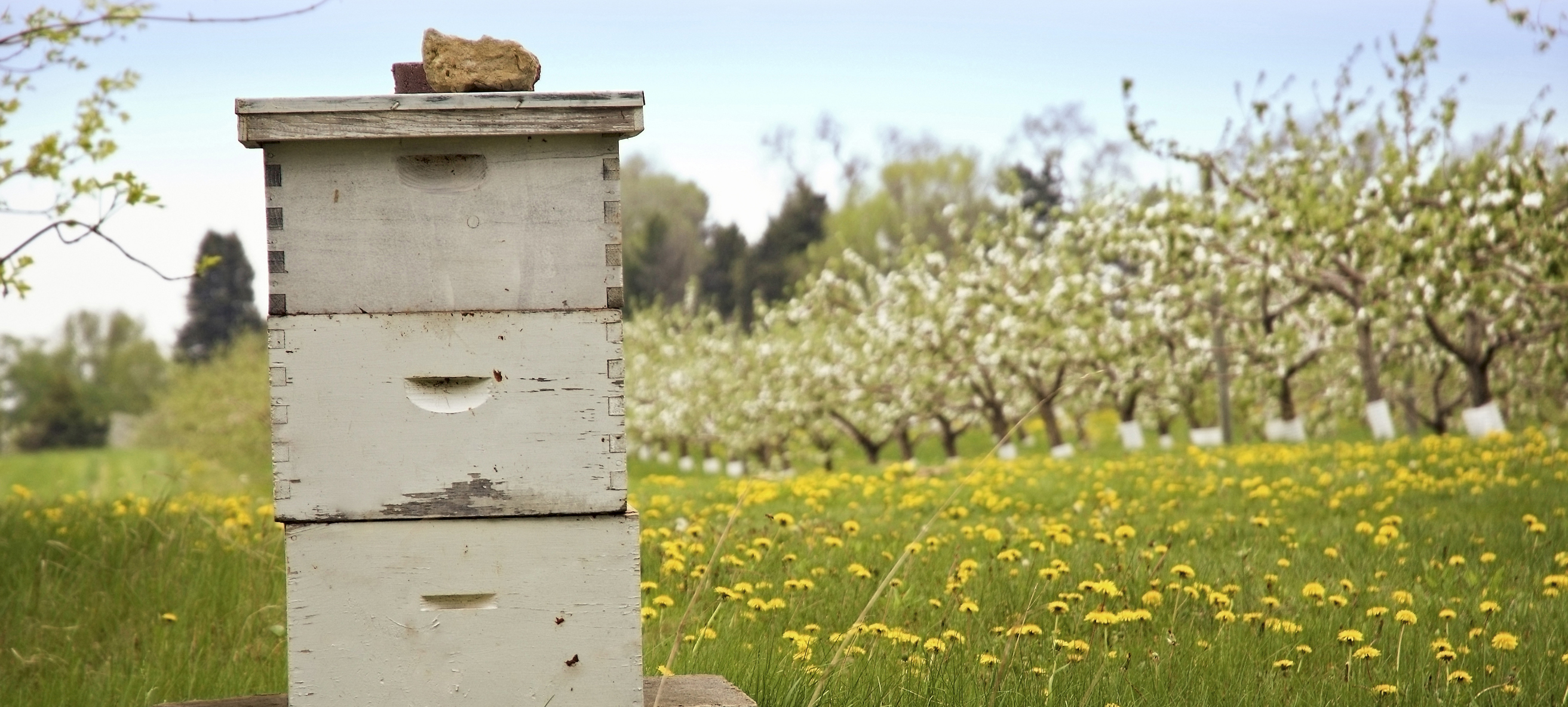
Ontario beekeepers now have access to a new production insurance plan that will help them manage financial loss from winter bee colony damage. Production insurance is part of a suite of business risk management programs designed to help farmers manage losses due to events like weather, pests and disease. The costs of these programs are predictable, stable and shared by producers and the provincial and federal governments. The new Bee Mortality Production Insurance Plan gives participating beekeepers the confidence and security to reinvest in their operations, encouraging greater innovation, profitability and job creation and provides them with the same financial support that beekeepers in other provinces receive. To participate, beekeepers must be registered, operate in accordance with the Bees Act, and implement best practices to ensure bee health. The Bee Mortality Production Insurance Plan will begin November 1, 2015 and will be administered by Agricorp. Helping Ontario's agri-food producers better manage risk is part of the government's plan to build Ontario up. The four-part plan includes investing in people's talents and skills, making the largest investment in public infrastructure in Ontario's history, creating a dynamic, innovative environment where business thrives and building a secure retirement savings plan. Source - http://news.ontario.ca

24.09.2015

Peru - Agricultural Catastrophe Insurance to cover 550,000 hectares due to El Niño

The Agricultural Catastrophe Insurance (SAC) will protect 550,000 hectares of crops along eight Andean regions declared under state of emergency due to the upcoming presence of El Niño climate phenomenon, Peru's Minister of Agriculture Manuel Benites announced. SAC can cover S/. 500 million (about US$156 million) in damages. The said insurance is aimed at dealing with agriculture-related emergency situations caused by diverse climate alterations, such as frosts and heavy rain. It will protect crops of broad beans, quinoa, corn, potato and other tubers grown in regions: Apurimac, Ayacucho, Cajamarca, Cusco, Huanuco, Huancavelica, Pasco and Puno. Likewise, it will be valid during the 2016 and 2017 agriculture campaigns. Similarly, the Minister provided details on preventive actions carried out by the Peruvian government, in order to mitigate the impact on our country. Source - http://www.andina.com.pe

24.09.2015

USA - Limit subsidies

During the last farm bill debate we heard congressional leaders say that farmers don’t get a check, they get a bill for their crop insurance. While that statement may be true, it’s also true that crop insurance is heavily subsidized, providing unlimited premium subsidies to the nation’s largest and wealthiest farms on every acre, every year, regardless of prices, production or farm profitability. We created a mock “explanation of benefits” to demonstrate the largess. In this explanation of benefits (which is based on central Nebraska insurance costs and yield data), if a corn farmer received over $1 million in crop insurance premium subsidies at the 70 percent coverage level, that would cover roughly 52,000 acres. Is that an effective safety net to eliminate risk for one operation on that many acres? The recent Government Accountability Office study points to an egregious example where a farmer insured crops in eight counties and received about $1.3 million in premium subsidies. Let’s be clear, crop insurance is a valuable risk management tool for farmers. Fundamentally, we believe in the government helping family-scale farmers manage risk. But the problem lies in the fact that we are subsidizing the largest operators no matter how big they get. If one entity farmed an entire state, under current law, we all would share in the cost of their crop insurance on every acre. Not only should there be full transparency to this largess, but we think there should be a limit. Source - http://www.marysvilleonline.net

24.09.2015

Thailand - FPO pushes wider crop insurance cover

The Fiscal Policy Office (FPO) has floated the idea of cutting the government's compensation paid for crops damaged by natural disasters but urged a rise in compensation paid by crop insurance in order to encourage more farmers to buy policies. Crop insurance must be increased while government compensation is decreased to expand insurance coverage areas, said FPO financial policy adviser Lavaron Sangsnit. For instance, crop insurance compensation can be raised to 1,500 baht a rai if government compensation for crops damaged by natural disasters is trimmed to 800 baht per rai from 1,113 baht at present. The government pays 1,113 baht a rai for up to 30 rai for farmers whose crops are affected by natural disasters. Those who take out crop insurance policies get an additional 1,111 baht a rai. A study found crop insurance premiums will be lowered significantly if coverage areas reach 10 million rai, he said. Farmers who grow rice in the riskiest areas will see crop insurance premiums decline to below 300 baht a rai from 450 baht, while premiums will fall to 200 baht a rai if crop insurance areas reach 20 million rai. Around 1.5 million of the 63 million rai of rice fields in Thailand are covered by crop insurance. The insurance scheme divides farmland into five areas depending on risk exposure. covered by crop insurance. The insurance scheme divides farmland into five areas depending on risk exposure. The premiums have been set at 124-484 baht a rai according to risk.   Luck Wajananawat, president of the state-backed farm bank, said the insurance scheme was a pilot project and could be extended to the second rice crop and other farm products from the main rice crop. Anon Vangvasu, president of the Thai General Insurance Association, said seven insurance firms in the scheme had lost 2 billion baht in the past two years because the coverage areas were too small. Source - http://www.bangkokpost.com

916
of 1224