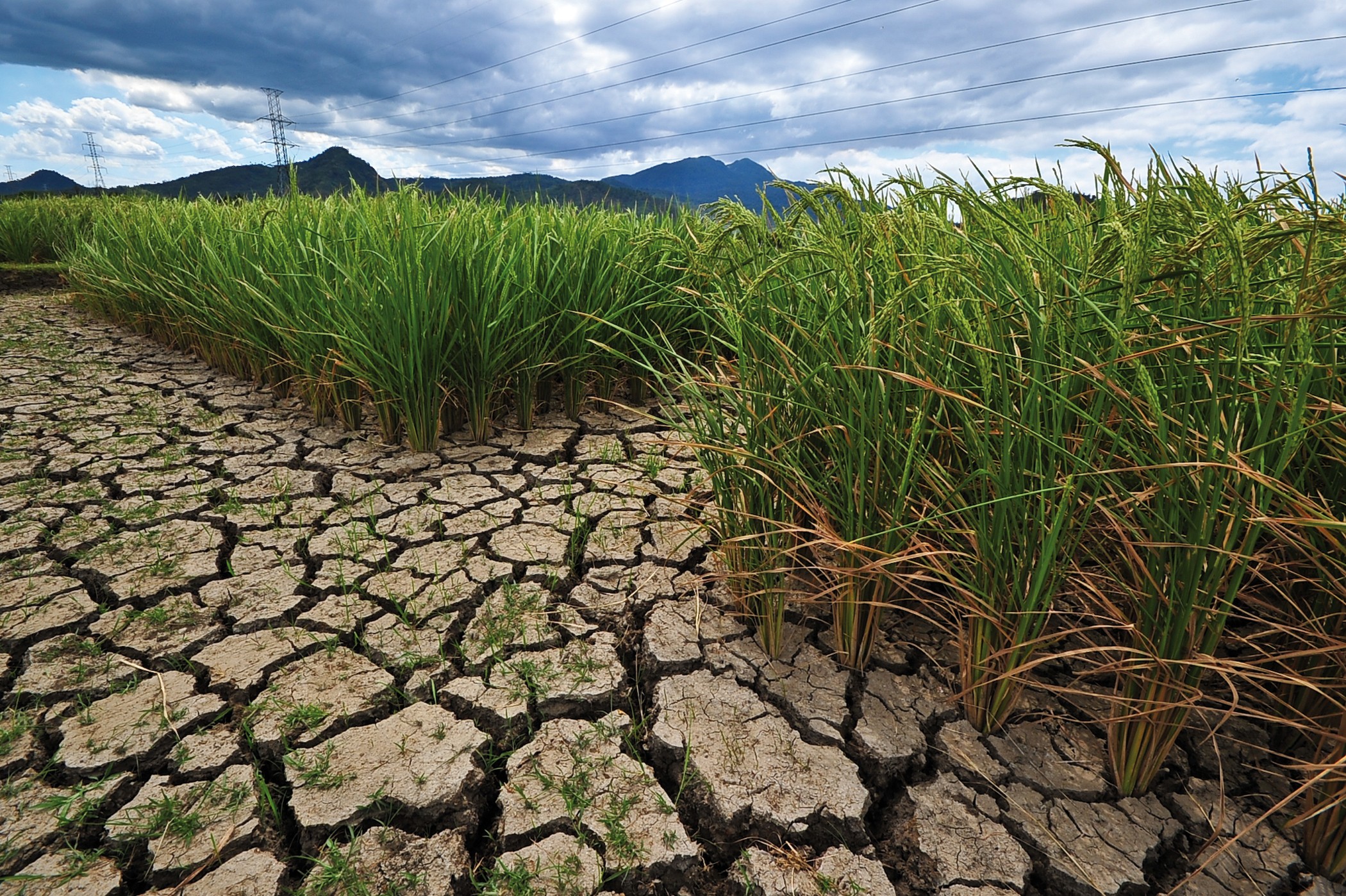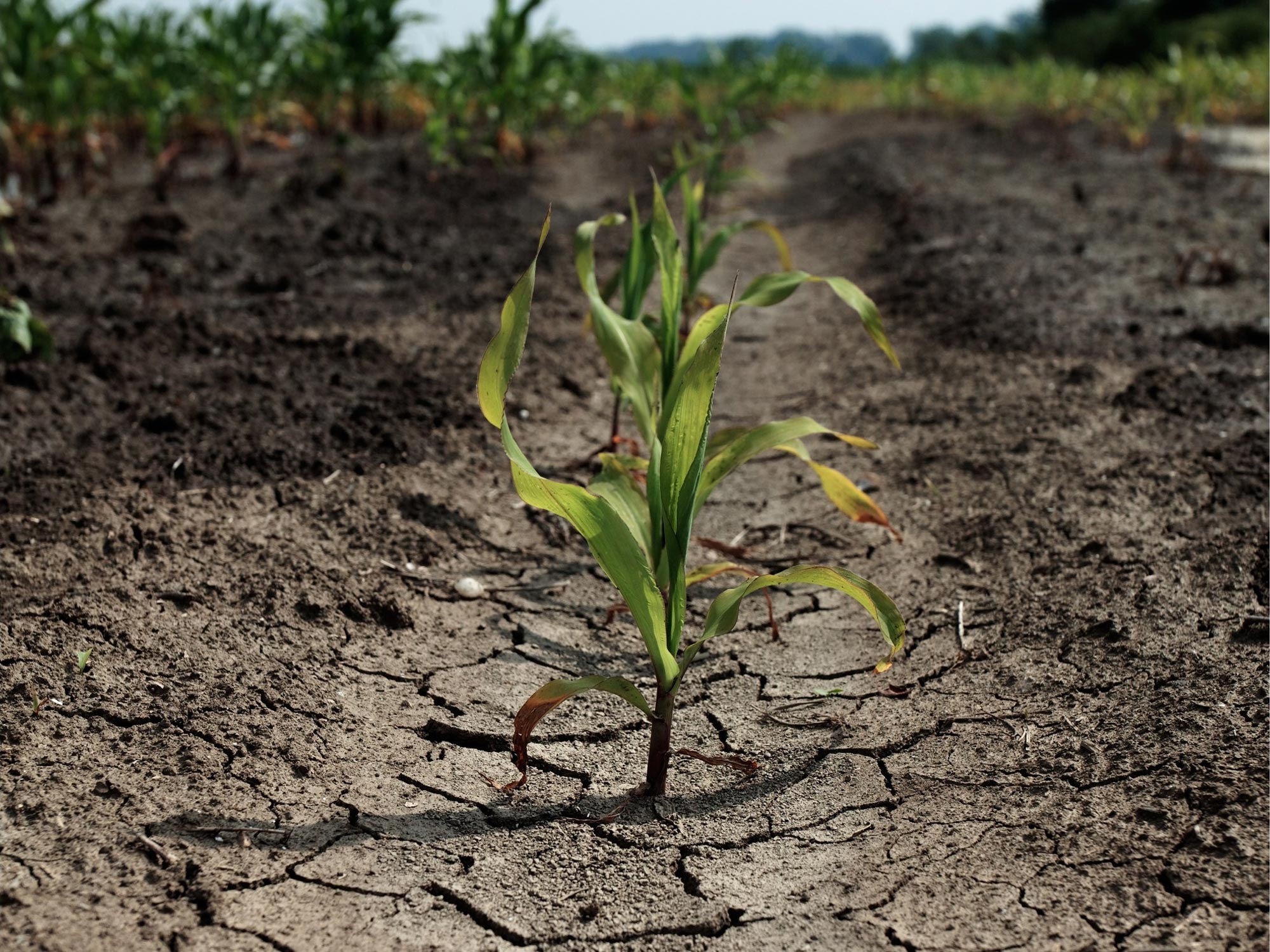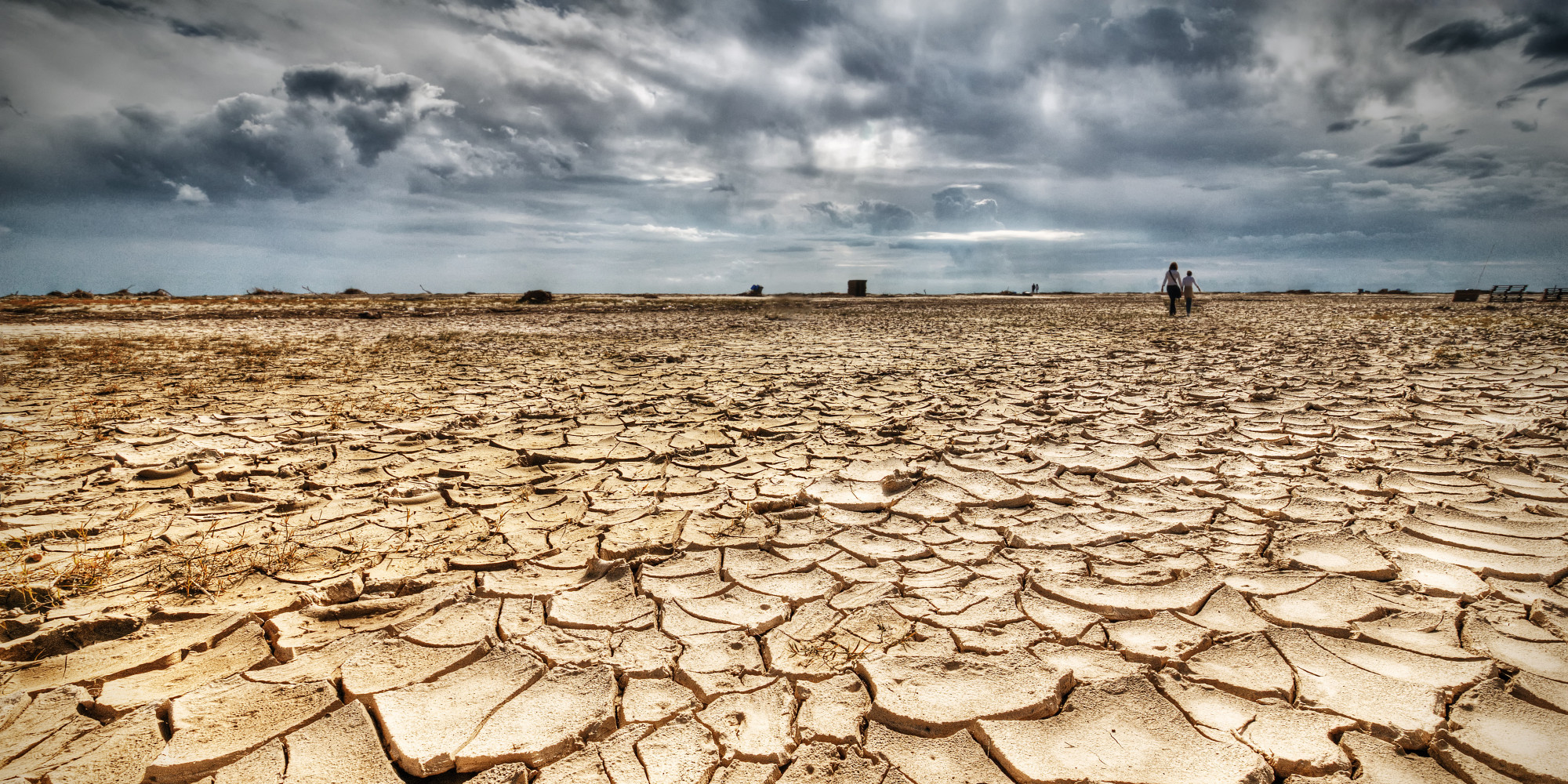
Poor farmers the world over are increasingly falling prey to natural disasters, droughts and torrential rain largely due to climate change. But there is some good news as well.
Thanks to new technologies, the widespread use of satellites, and more powerful computers such events can largely be predicted in advance, thus making possible novel and more efficient insurance schemes for those at risk.
In earlier times, a natural disaster or sustained inclement weather would be followed by a tedious and lengthy insurance process with an expert being sent out to a farm to inspect the damage: too costly in poor or emerging countries where small holdings are often located in the back of beyond.
But all that is in the past. Now climate-linked insurance schemes are increasingly helping protect poor farmers against bad harvests.
These so-called index-insurance schemes differ from traditional indemnity coverage in that they are based on factors such as rainfall rather than actual measured loss, and kick in the moment a threshold fixed in advance is breached.
One key advantage is that the transaction costs are lower, making index insurance financially viable for private-sector insurers and affordable to small farmers. This is critical for vulnerable growers whose fortunes are waning by the day.
"For many farmers, climate change means basically more bad years," said Daniel Osgood, an expert on index-linked insurance at Columbia University.
"For them, adaptation means taking advantage of the remaining years."
Index-linked insurance drastically cuts costs for farmers, giving them more spare cash for fertilisers and seeds and help them avoid penury by bypassing distressed sales of assets to escape the debt trap.
"They have opportunities to improve productivity in normal years by, for example, taking a loan to improve the productivity of their seeds," Osgood said.
But only a fraction of such farmers have been benefitted so far.
- 'Simple products' -
"Out of 400 to 500 million farmers who are potential candidates for index-based insurance only 40 to 50 million have had coverage so far," said Gilles Galludec, the head of World Bank-run Global Index Insurance Facility.
The majority of them are in emerging countries such as India -- where a healthy monsoon is vital for the agriculture sector -- and China, Mexico, Brazil, Kenya, Ethiopia and Senegal.
Pilot projects have multiplied in the past 15 years. In Kenya and Rwanda, 230,000 farmers and maize, sorghum, coffee and wheat cultivators have taken advantage of the scheme to protect themselves against drought, excessive rain and storms.
On an average, such farmers have been able to invest 19 percent more in their farms and earned 16 percent more than those who did not enjoy such insurance cover.
"We wanted simple products with a simple message," said Benjamin Njenga, the head of business analysis at Acre, a Kenyan company running index insurance schemes.
Their solutions are innovative. Like a farmer buying seeds in a packet with a scratch off code, the number of which is sent to insurer Acre, which can then localise the farmer and register the purchase.
If there is a compensation claim, payment is transferred directly to the farmer's mobile phone to buy a new packet.
The price of index insurance plans is usually around 10 euros ($11) per season but can vary depending on the weather and the value of the crops grown.
If the figure is too steep for some farmers, other actors can intervene to subsidise the premium, experts say, citing seed and fertiliser manufacturers and retailers, banks, farm cooperatives and even governments.
Experts also say the success of index-based insurance also hinges on trust that science is not being used to benefit one party over another and have also stressed the need for a completely neutral arbiter to determine what kind of climate variation deserves a payout.
They also stress on the financial backing of governments for such schemes and a regulatory mechanism to prevent misuse.
Source - http://www.globalpost.com