

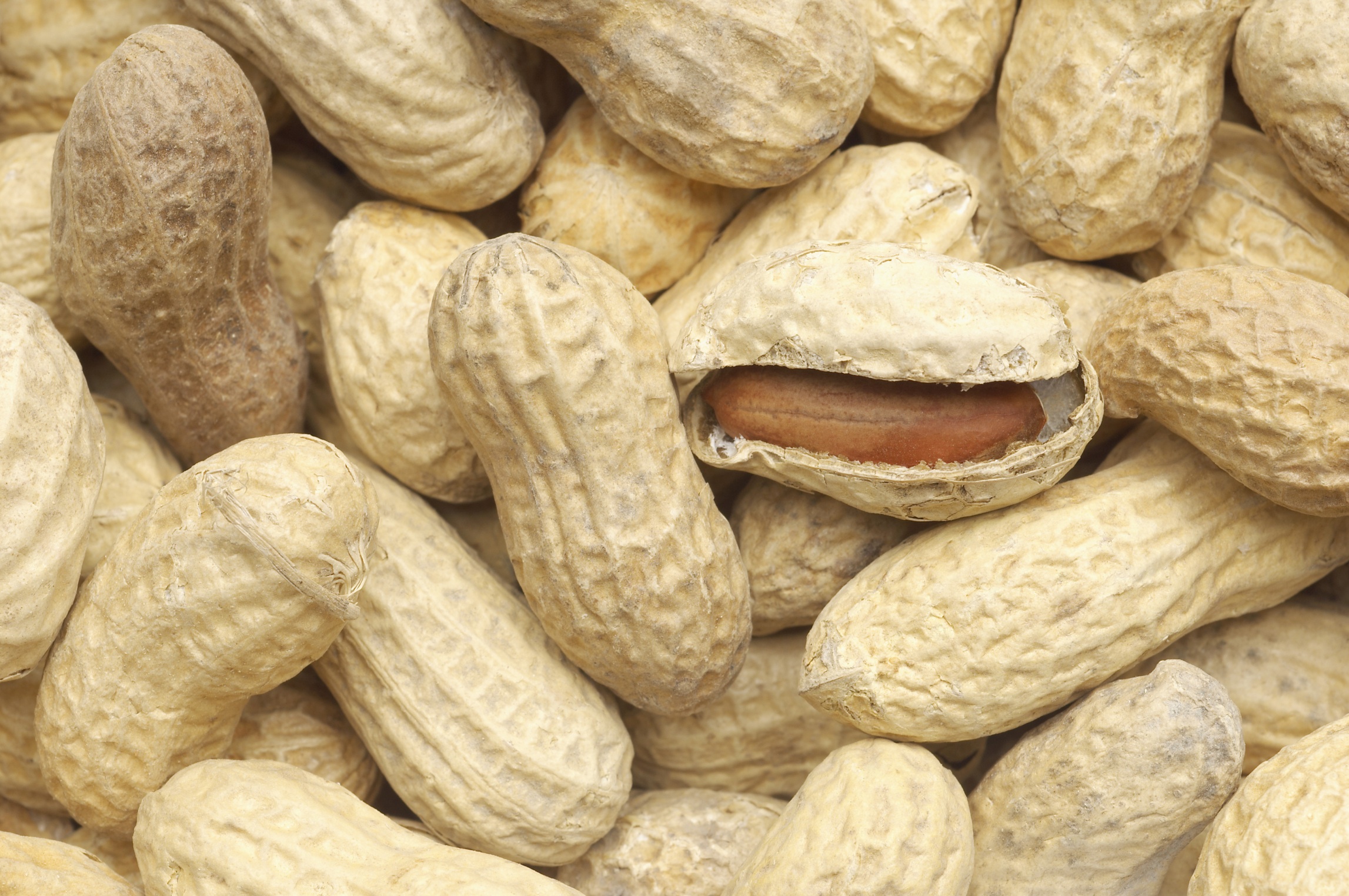
USA - Wet weather may impact peanut harvest
12.10.2015 369 views
Wet weather has stalled South Carolina’s peanut harvest this year. A lot of peanuts are still in the ground, while peanuts that have already been dug are sitting on top of the ground.
Peanuts must be dug up and turned over to dry for about a week before they are picked. Cloudy humid weather delayed drying of dug peanuts. Wet weather made fields too muddy for digging and picking machines to operate.
Growers manage insects, weeds, foliar and soil diseases, nutrient and irrigation throughout the growing season. However, they make or lose money based on their digging decisions more so than any other part of the process.
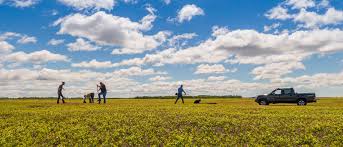
To determine harvest time peanut growers dig samples from their fields. They then scrape the hulls and examine the color to ascertain if the crop is ready to dig.
Whether peanuts are better left in the ground or turned above ground depends on their maturity. If they are a few days short of maturity a grower may allow the pods to spend a few more days in the ground. If they pass maturity, however, a lot of them be left in the ground when they are dug.
Digging peanuts at the right time ensures that the grower gets the best yield and highest quality. There are too many variablesóvariety, soil type, and amount of moisture during different periods of the growing seasonóto use the number of days after planting to set a digging date. Environmental conditions can cause fields to be ready sooner or later than expected.
Wetting and drying of dug peanuts causes a condition called loose shell kernels which is linked to aflatoxin contamination (a serious health risk). Moisture during the drying period can also cause mold and sprouting problems.
Humidity and rain have already encouraged the growth of a secondary fungus on otherwise healthy peanuts. A large amount of fungi on outside of shell may indicate fungal growth in the inside of the shell as well. That lowers the grade of the peanut.
Digging peanuts too soon results in a lower grade crop which earns a farmer less money; digging them too late results in the pods falling off the plant and remaining in the field. Both ways the grower loses money.
Gardening note: You may find peanut shells available for sale for use as mulch. They contain nitrogen and are long lasting. It may seem like a good idea, but it is not. They can be carriers of Sclerotium rolfsii — commonly known as southern blight or white mold.
The cotton harvest was also served badly by the weekís long high humidity and heavy rain. Cotton plants are defoliated in preparation for harvesting. Growers make the decision to defoliate when 60-65 percent of the bolls on plants are open. That timing provides maximum quality and value from the crop. The harvest begins usually 7 -10 days after a defoliant is applied when leaves have dropped off the plant and lint moisture is determined to be not over 10 percent, better 8 percent or less.
Environmental factors cause lint quality to start deteriorating immediately when the boll fully opens. Growers have already found lint falling out of bolls from the heavy rain and green sprouts poking through white lint because the crop is saturated.
Approximately two thirds of the cotton crop is actually seed. In addition to fiber, the cotton industry uses the seed to make cotton seed oil and meal. The oil is used by the food industry and the high protein meal is used as feed for livestock.
Gardening note: Cotton seed meal (5-2-1) is an excellent source for slow release nitrogen, phosphorus and potassium. It is also high in trace elements. It is an excellent natural fertilizer for lawns and gardens. Be aware that it acidifies the soil which makes it good for acid loving plants. Check your pH, however, before you use it on your lawn and indiscriminately in your garden.
Our local peanut and cotton growers are in a risky and complex business. It will be interesting to follow the rest of their harvest once they get back in gear.
Source - http://www.myrtlebeachonline.com
EVENTS

ScaleAgData Stakeholder Engagement Event
22.10.2024The ScaleAgData project is pleased to invite you to our second stakeholder event. Building on the discussions and connections formed during our first webinar, this event will focus on fostering collaboration among stakeholders, providing updates on our project’s progress, and outlining future opportunities for engagement.
RISK EVENTS

Moldova - May frosts caused heavy damage to fruit orchards
10.05.2026The first frosty nights of May have significantly worsened estimates of damage to Moldova's fruit sector from spring frosts. According to initial assessments by fruit market operators, between a quarter and a third of the country's total orchard area was seriously affected.
26.05.2026
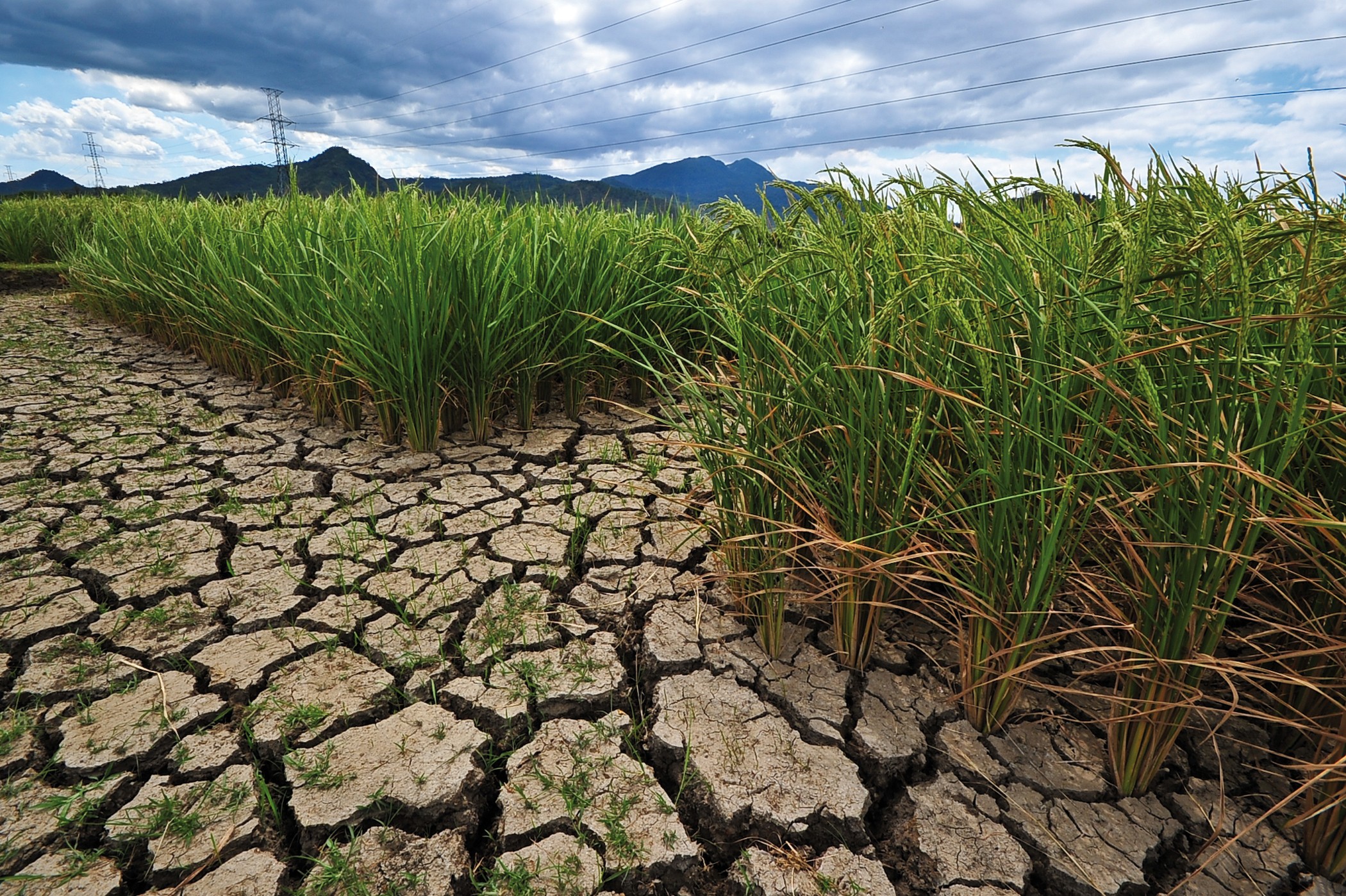
“Timac Agro Ukraine” launches crop insurance against drought
Timac Agro Ukraine, in collaboration with the insurance company PZU, has launched a crop insurance program against drought for farmers in five regions of Ukraine.
26.05.2026
Hansen announces "dialogue with the EIB on new agricultural insurance models"
Integrated European framework for climate resilience 'is on the way'.
26.05.2026
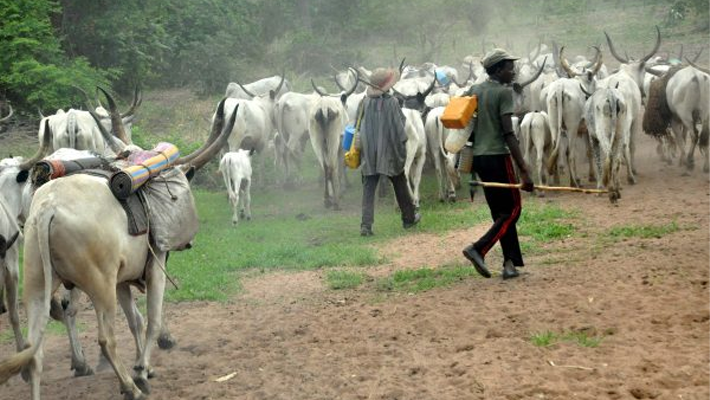
Nigeria - Oyo Steps up Enforcement Against Illegal Livestock Trading, Open Grazing
The Oyo State Government has stepped up enforcement against illegal livestock trading and open grazing, arresting offenders and impounding animals in parts of Ibadan during a fresh compliance operation.
26.05.2026
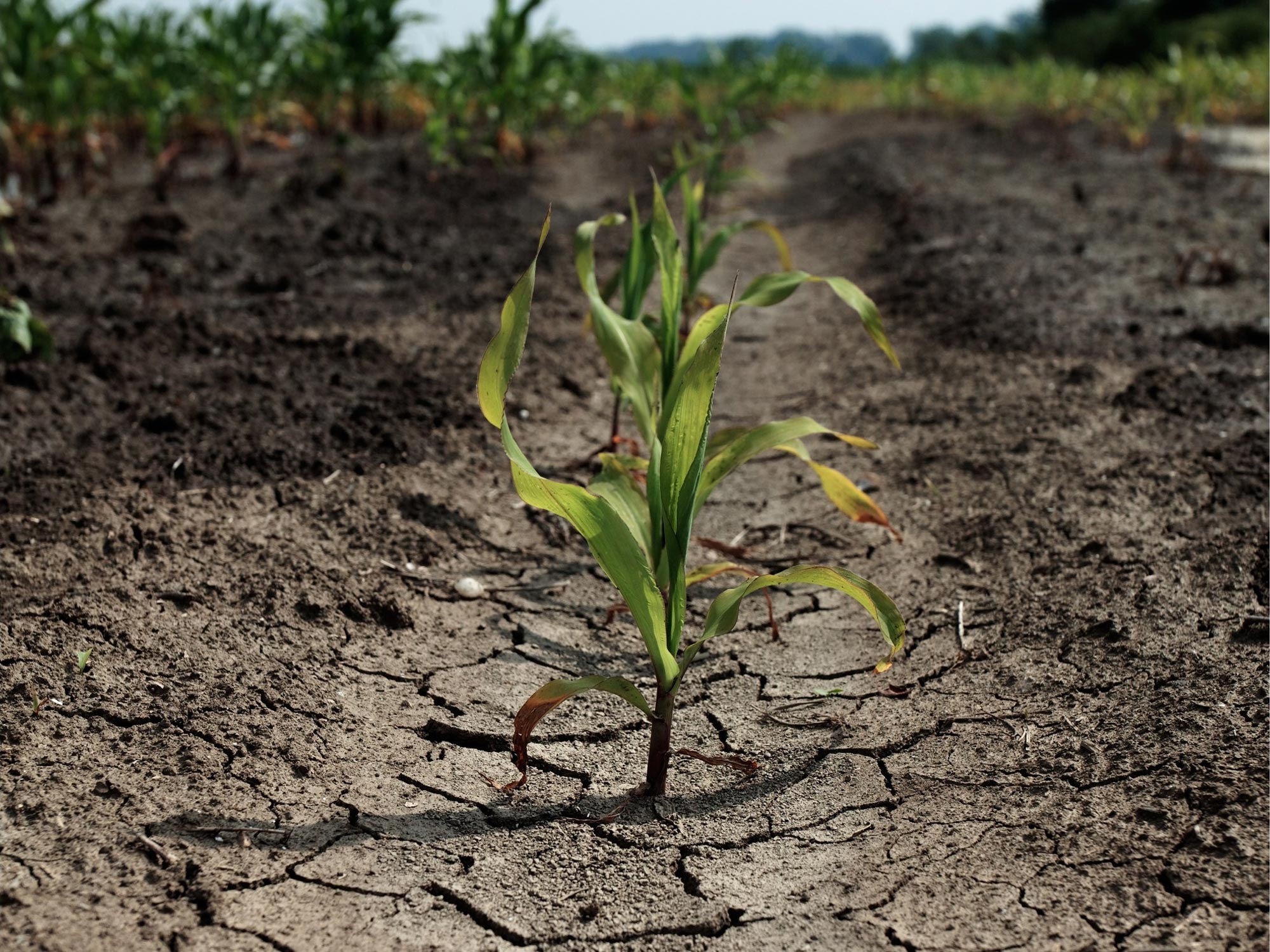
Philippines - Tacloban braces agri, health mitigation measures amid looming super El Niǹo
The City Government of Tacloban has intensified its preparations and mitigation measures as the threat of a possible Super El Niño continues to loom over several parts of the country, bringing concerns over prolonged dry spells, water shortages, and impacts on agriculture and public health.
26.05.2026
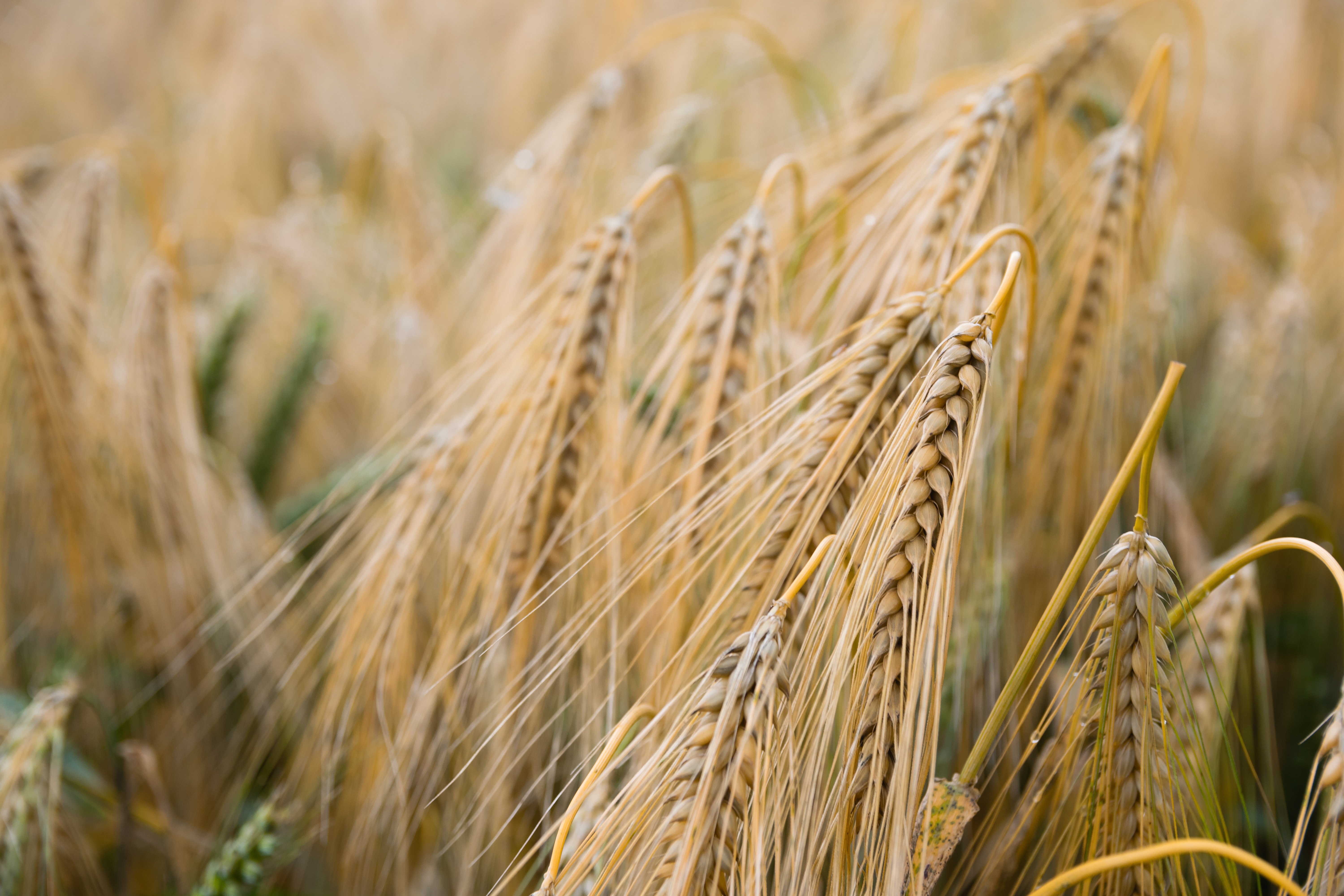
India - Punjab Govt Deploys 500 Teams for Special Girdawari as Rains Damage Wheat
In Punjab, to calculate the damage done to the standing crops in the fields due to the inclement weather for the last many days, the state government has formed teams of 500 officials from the agriculture department to assess losses.
26.05.2026
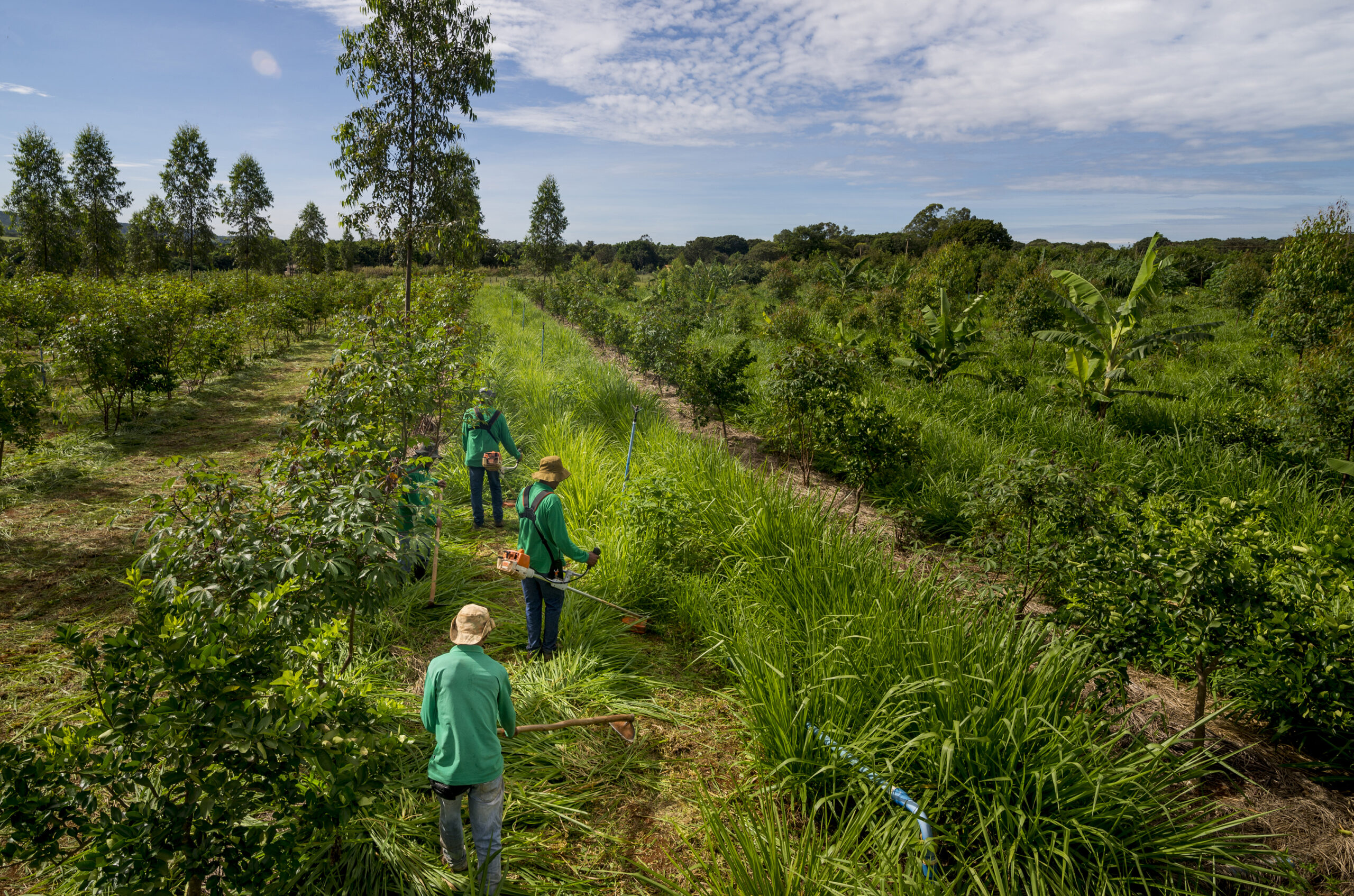
Brazil - Agricultural insurance plummets in Paraná, putting the sector at risk.
Cevio Alberto Mengarda, a soybean and corn producer in Marechal Cândido Rondon, in the western region of Paraná, followed in his father's footsteps in agriculture and today manages the family property.
25.05.2026
Algeria - CASH Assurances to diversify into agriculture insurance
CASH Assurances will launch agriculture insurance plans in June 2026, as part of its diversification strategy.
25.05.2026
U.S. specialty crop growers push for stronger Farm Bill support
Specialty crop growers in the U.S. are calling for stronger support measures in the 2026 Farm Bill, particularly around risk management, market access, and crop insurance.
