SADC countries are set to benefit from a half a billion dollar African Development Bank (AfDB) relief package to 14 Southern and Eastern African countries most affected by an El Nino -induced drought.
In a statement, the pan African development bank said the $549 million package will help an estimated 36 million people needing food assistance following the worst drought in decades that ravaged a number of countries in east and southern Africa.
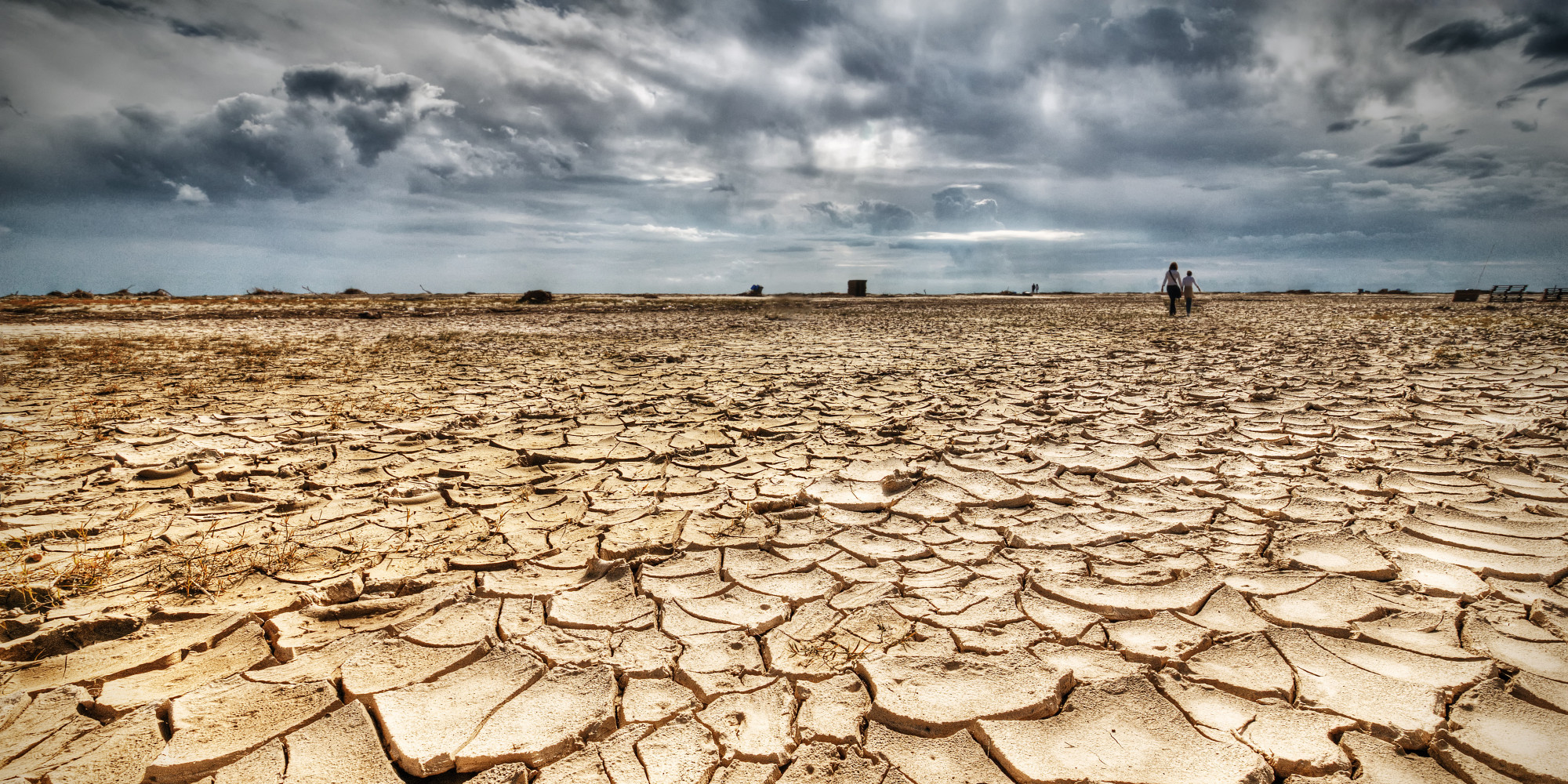
Most SADC countries were hit by abnormally high temperatures and a drought that scorched staple crops and led to the loss of livestock causing losses running into millions of dollars.
The AfDB said the drought response package consisted of $5 million in emergency relief and $361 million in short-to-long term support from various windows of the bank’s financial instruments.
“This amount represents new financial resources,” the bank said in a statement.
The bank will also ensure faster disbursements of funds in ongoing projects, which were designed to build the affected countries’ resilience to drought.
An additional amount of $183 million will also be availed in 2016.
“The AfDB will put in place a mechanism that would ensure faster disbursements of funds in on-going projects, which were designed to build the affected countries’ resilience to drought,” the continental development bank said.
Most African countries still depend heavily on rain-fed agriculture and experts say this scenario often leaves the countries highly vulnerable to fluctuations in rainfall patterns.
“Currently, Eastern and Southern Africa are experiencing severe droughts that have disrupted crop and livestock production systems in about 14 countries,” the bank said.
The El Niño drought hitting most SADC countries is the worst in more than 50 years and has, apart from people, seen livestock in particular suffering from lack of grazing pasture and water.
Some analysts fear that that it could be as bad as the 1991-92 drought when around a million cattle died across the region.
Livestock updates from across the region all indicate that cattle, sheep and goats are dying as drought tightens its grip in the SADC region.
In drought-prone parts in the SADC region, most dams have dried up and livestock was reported to be watered mainly from underground boreholes.
Recent rains is most parts of the region have slightly improved pasture and water availability, slowing down livestock deaths.
SADC countries will need more than US$3,6 billion to deal with food shortages in the 2016 to 2017 period following widespread droughts and flooding due to El Nino weather effects.
Figures gleaned from government reports and other humanitarian agencies indicate that Zimbabwe will require US$1,6 billion, Botswana ($123m), Swaziland ($274m), Mozambique ($1,8m), Lesotho ($37m), Namibia ($60m), Malawi ($190m) and Angola ($26m) for drought relief as most countries in the region suffer the worst drought in memory.
Governments have funding gaps ranging from 40 to 60 percent and have appealed to international humanitarian agencies for immediate and short-term support to avert starvation.
The estimated US$3,6 billion figure excludes figures for South Africa, Zambia, Tanzania, DRC and three other island nations who are part of the 15-member economic bloc.
Up to 50 million people face starvation as the worst drought in decades sweeps across the entire Southern Africa region, destroying crops and livestock, driving up grain prices and leaving millions of the poor hungry.
According to the UN World Food Programme, the region has experienced massive crop failures largely as a result of the El Nino – induced drought.
Most governments in the region have already drawn drought action plans and courted international donors to mobilise support for the poor who are the hardest hit.
SADC member states have pledged to co-operate to implement measures to mitigate the effects of El-Nino to reduce food shortages and malnutrition.
The countries made the pledge following a multi-sectoral stakeholder consultative meeting that was held in South Africa recently to develop a regional preparedness and response strategy to address the impact of El-Nino on agriculture, food and nutrition security in the region.
The meeting was convened by SADC, in partnership with FAO and the World Food Programme.
Speaking soon after the meeting, FAO Sub-regional Co-ordinator for southern Africa, David Phiri, said the region faced a predicament, which called for swift and co-ordinated action.
“Crop and livestock production are already projected to decline sharply, triggering shortages, price hikes and threatening people’s livelihoods.
“This could mean a reversal in recent gains made in reducing malnutrition and also leave an increased number of people vulnerable to food insecurity, particularly women, children and HIV-affected people.
“In a region where 70 percent of the population depends on agriculture, the consequences are dire. Such a sharp decline in production is likely to result in increased malnutrition and hunger,” he said.
The impact of the drought is severe for most SADC countries, particularly against a backdrop of declining economies and the fall of most currencies in the region against the United States dollar as a result of falling global commodity prices.