Argentina - Hail damage in 90% of the southern green belt

13.11.2015 275 views
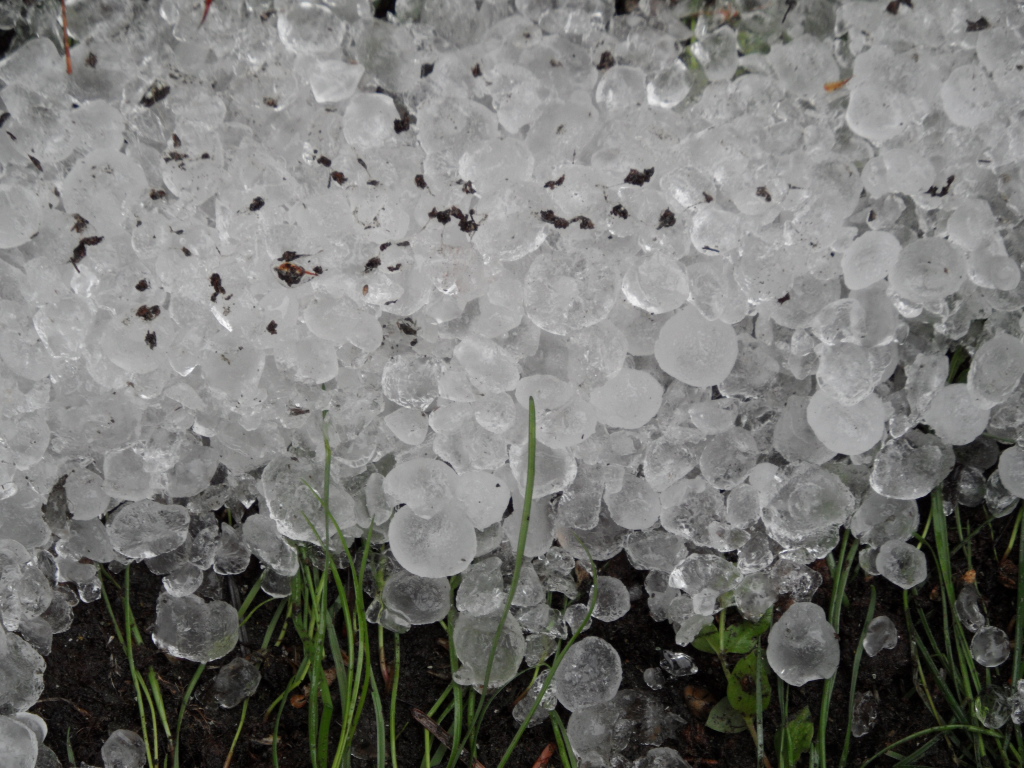
A strong hailstorm struck the southern city of Cordoba last Saturday and caused total damage in 90 percent of the green belt located between the roads to San Antonio and Route 9 South.
 
"The most affected area includes a vast region encompassing the fields on the way to San Antonio, San Carlos Road, the Road to 60 cuadras, Bouwer, and La Carbonada," stated the delegation of the Agrarian Federation Argentina (FAA).
 
One of the producers in the area that is associated with the entity, Miguel Campetella, told Agrovoz, "we are making an assessment with agronomists, but the damage in total is roughly 90 percent of the southern green belt. Everything that was sown on nearly 2,500 hectares was affected."
 
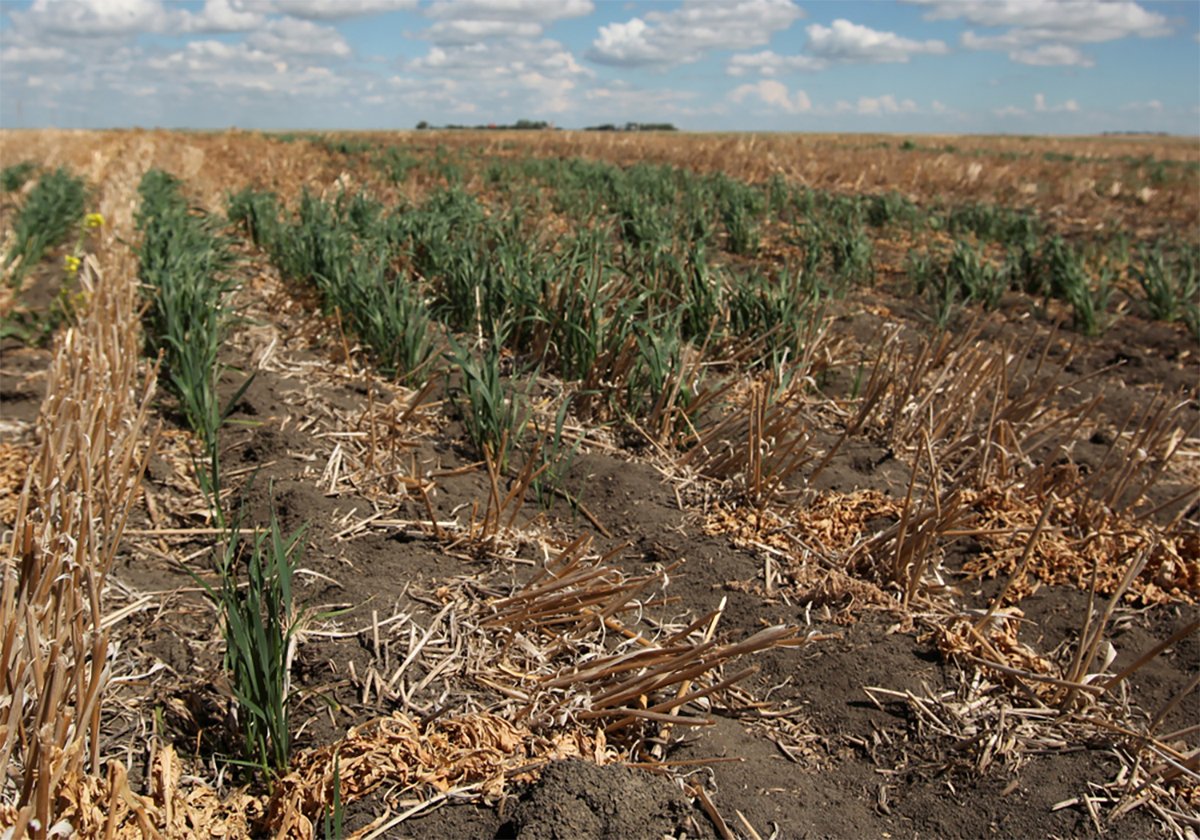
The hail affected potato crops and leafy vegetables crops, such as lettuce, spinach, broccoli and chicory, as well as lots planted with wheat. Guillermo Laguingue said that the hail had affected some 1,000 hectares of potato crops. The remaining 1,500 hectares affected were mainly of wheat and only some minor areas of vegetables.
 
"We might be able to recover some potato because it is underground, but not much. The damage has been terrible. It was raining stones. I can't remember anything of this magnitude in my history as a producer," lamented Campetella.
 
"The potato plants that had to date grown over 50 centimetres high were crushed, only a stub is sticking up from the ground. The losses are horrific, we really don't know how we'll overcome this," he added.
 
According to the FAA, hail accumulated was up to 15 centimetres. "Due to its weight, the accumulated hail even damaged numerous warehouses in the region. There are producers who have lost absolutely everything," said the organization.
 
28.01.2026

Canary Islands tomatoes outcompeted despite EU agricultural support

Financial support remains essential to sustain agriculture in Europe's remote and island regions, but its impact on competitiveness and diversification varies strongly by sector and region. 

28.01.2026

India - Arecanut leaf spot disease affects 88,559 hectares in Karnataka; Rs 577 crore proposal sent to Centre

“Arecanut leaf spot disease has been seen on 88,559 hectares in Malnad, coastal and Shivamogga region,” Agriculture Minister N Chaluvarayaswamy said, replying to a question raised by BJP MLC Prathap Simha Nayak and Congress MLC Bilkis Banu in the Legislative Council on Tuesday.

28.01.2026

USA - New York’s Agriculture Department announces $3 million to boost workforce development initiatives

New York State Agriculture Commissioner Richard A. Ball has announced $3 million that is available to boost the development of a skilled workforce in New York’s agricultural and food systems industries.

28.01.2026

Jordan - $90.2mln disbursed in loans for 12,880 farmers in 2025

Director General of the Agricultural Credit Corporation (ACC) Mohammad Doujan, announced on Tuesday the corporation financed more than 12,880 farmers and investors in the Kingdom's agricultural sector during 2025.

28.01.2026

Fiji explores agricultural trade and innovation with Malaysia

Fiji is looking to strengthen its agricultural trade and innovation through closer cooperation with Malaysia.

28.01.2026

Canada - Governments commit $20M to strengthen agriculture

The Federal and Provincial governments announced they’ll be investing up to $20 million to support farmers and agribusinesses on Tuesday, January 20, 2026.

27.01.2026

New Zealand growers report limited crop damage but logistics disruption

Early reports indicate that most growers in New Zealand came through the recent heavy rain and flooding with limited impacts, according to Horticulture New Zealand chief executive Kate Scott. While the weather created operational challenges, there have been no widespread crop losses or major damage to orchard infrastructure reported so far.

27.01.2026

USA - Row crop farmers continue to face financial stress amid federal payments

As the U.S. Department of Agriculture prepares to give $11 billion to farmers across the U.S., row crop producers are continuing to see a yet another year of financial strain.