

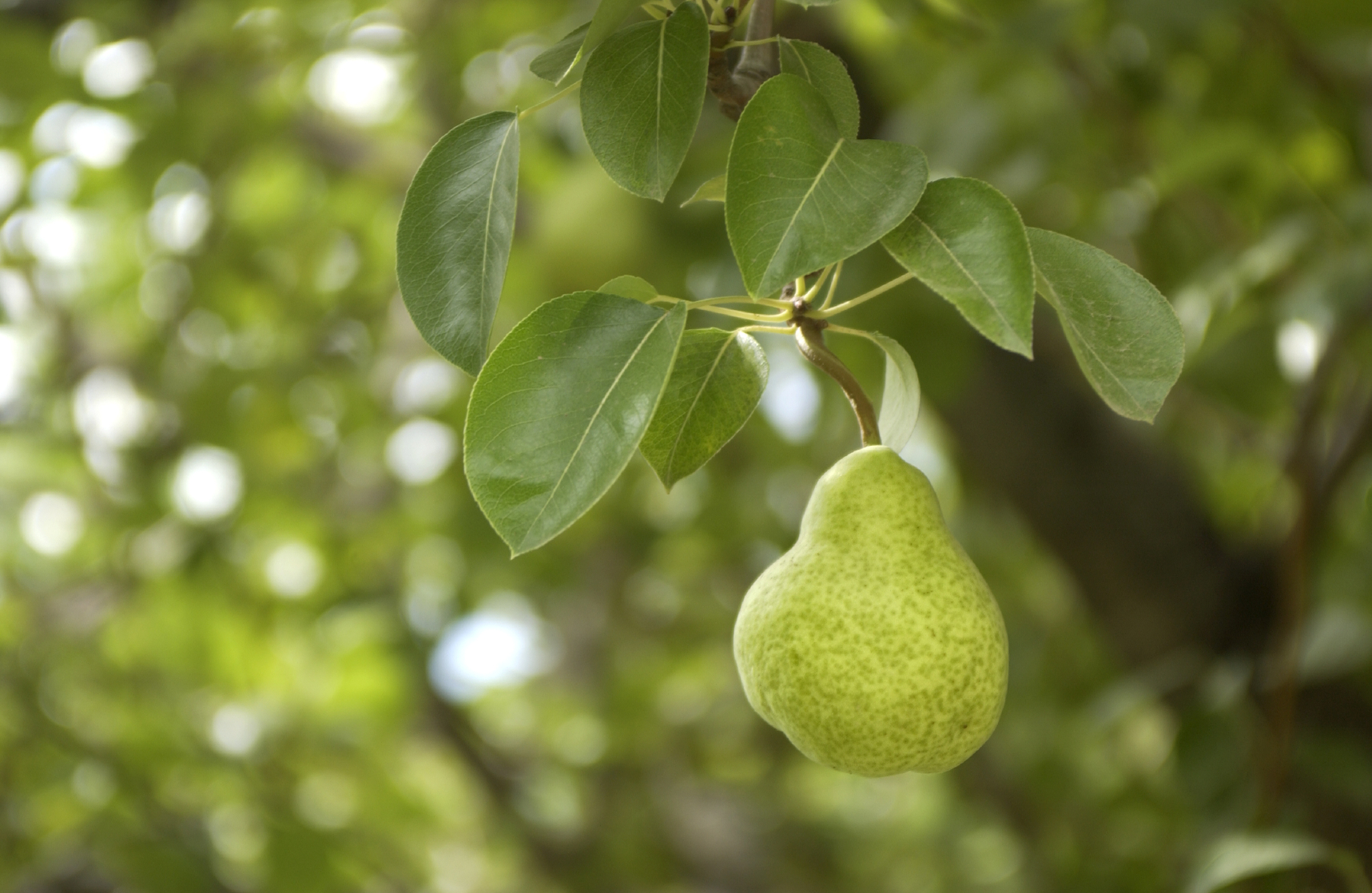
Argentina - Rains could affect the quality of pears and apples
14.11.2018 1171 views
According to the first private reports of the apple and pear harvest in the region of the Valley of Rio Negro and Neuquen, there's been a slight growth in the apple production when compared to the last season. In pears, the situation is not so clear.
Even though the first official data hasn't been released yet, most of the producers and businessmen consulted have stated that their production has increased by around 10% and in some cases up to 20%. Taking this data into account, the pear and apple harvest for the 2018/2019 season should yield around 1.1 million fruits.
While there were no major frost damage in most of the productive valley so far this spring, there were two hailstorms that affected crops in Roca and Villa Regina.
This season's problem is not the volume but the quality of the fruit. The large number of rainy days there's been in the region has a direct impact on the activity, as the orchards must be treated with agrochemicals to prevent fungal diseases. In many areas of the Valley producers have already made three applications, but as wet weather continues, they might have to continue with this type of treatment in the coming weeks. Each application costs around 100 dollars per hectare. That is to say that a producer with 25 hectares in production, has already invested more than 250,000 pesos to date. A cost that, no doubt, was not contemplated by producers at the end of the winter, when they forecast how many applications they'll need in the season.
It's not the best scenario, taking into account the large amount of abandoned land and the higher probabilities of pest propagation, as the Valley is expected to be very hot and have a high humidity n the coming days.
According to official sources, the fruit sector will have a more accurate forecast or the 2018/2019 harvest before the end of the year, as this is key to programming the season.
Source - http://www.freshplaza.com
EVENTS

ScaleAgData Stakeholder Engagement Event
22.10.2024The ScaleAgData project is pleased to invite you to our second stakeholder event. Building on the discussions and connections formed during our first webinar, this event will focus on fostering collaboration among stakeholders, providing updates on our project’s progress, and outlining future opportunities for engagement.
RISK EVENTS

Moldova - May frosts caused heavy damage to fruit orchards
10.05.2026The first frosty nights of May have significantly worsened estimates of damage to Moldova's fruit sector from spring frosts. According to initial assessments by fruit market operators, between a quarter and a third of the country's total orchard area was seriously affected.
27.09.2026

Canada - Saskatchewan tornado count climbs to 39 with two late-August twisters confirmed
Saskatchewan’s 2026 tornado count has climbed to 39 after the Northern Tornadoes Project confirmed two additional tornadoes from a late-August storm system.
27.09.2026

Uzbekistan plans to reform agricultural subsidies and insurance
Uzbekistan plans to change its approach to agricultural subsidies and insurance. President Shavkat Mirziyoyev reviewed proposals to link state support to specific results, expand insurance coverage and further digitize the sector, the Uzbek presidential press service said.
27.09.2026
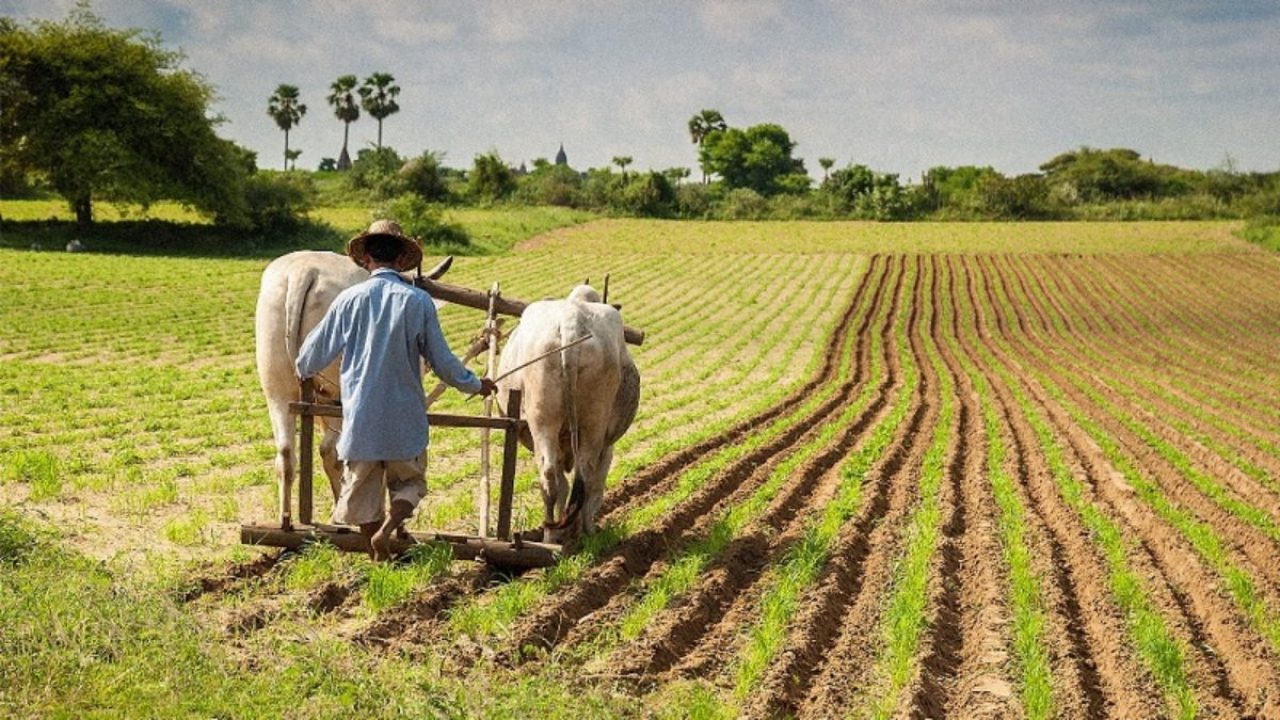
India - Centre to launch Livestock Insurance Portal to help farmers
The Centre's Department of Animal Husbandry and Dairying will launch the Livestock Insurance Portal on Monday, marking an important milestone in the digital transformation of livestock insurance services in the country, according to an official statement issued on Sunday.
27.09.2026

Nepal - Agriculture department warns farmers of crop damage from heavy rain and winds
The Department of Agriculture has urged caution to minimize potential damage to crops and stored grains due to the possibility of heavy rain accompanied by strong winds.
27.09.2026

UK aphid outbreak could affect 30 million lettuce heads
UK lettuce growers could lose around 30 million heads due to an aphid outbreak, representing losses of £10 million (US$13.5 million), the BBC reported, citing the British Leafy Salads Association (BLSA).
27.09.2026

India - Heavy rain, floods damage 13,550 hectares of crops in three North Andhra districts
Farmers are now awaiting compensation from the government, seeking relief that takes into account the rising labour and input costs.
24.09.2026
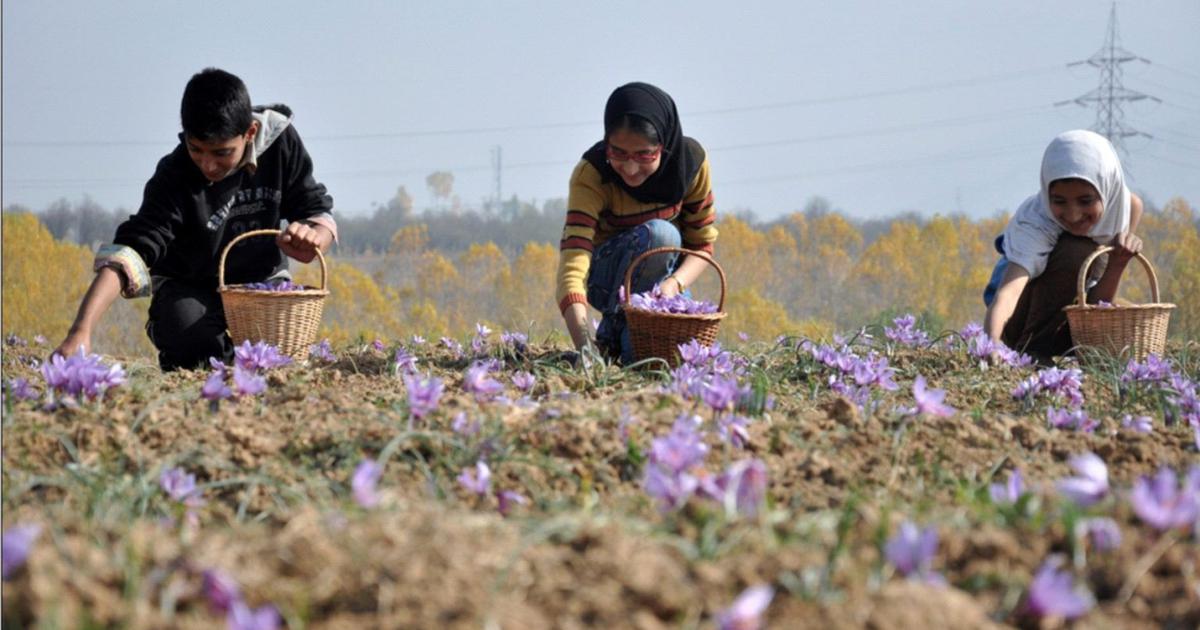
India - Horticulture supports 35 lakh people, contributes 10pc to J&K GDP
Horticulture continues to remain a key pillar of Jammu and Kashmir's economy, with around 35 lakh people, including nearly 7.5 lakh families, directly or indirectly dependent on the sector, the government informed the Legislative Assembly on Thursday.
24.09.2026
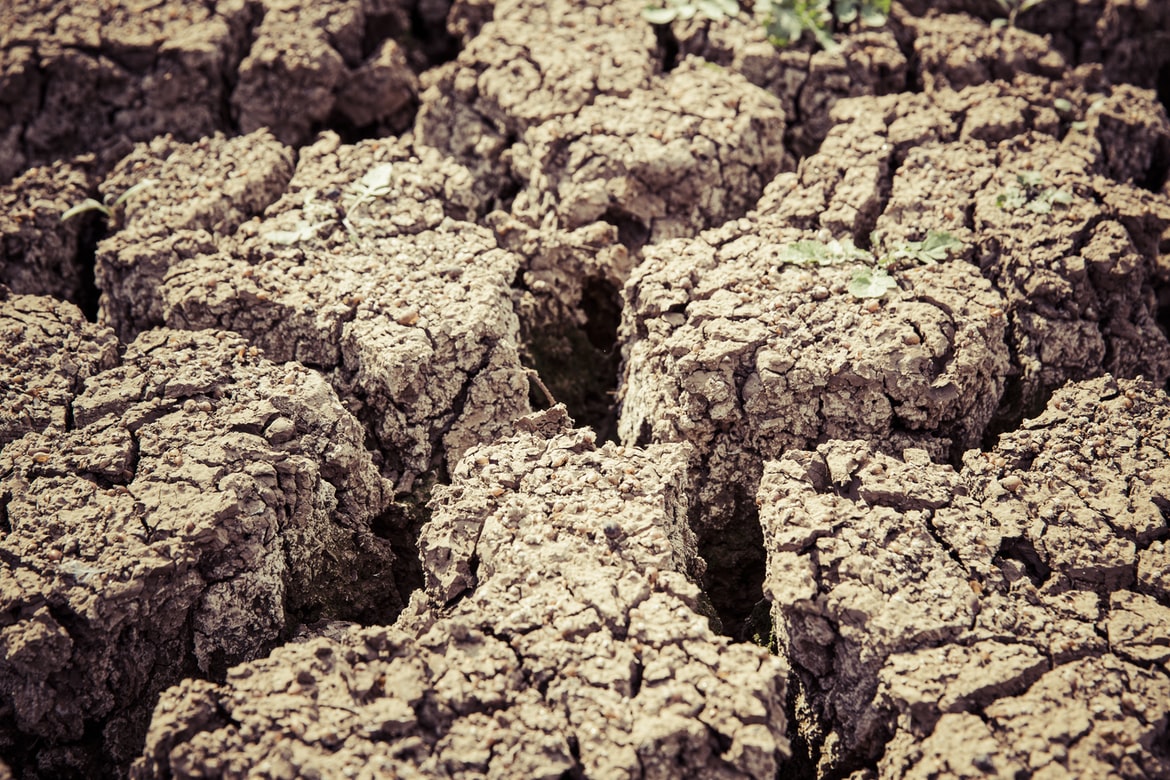
Canada - P.E.I. agriculture insurance payouts totalled $110 million for 2025 drought
Drought conditions in the summer of 2025 made for a punishing year for P.E.I. farmers, so much so that claims paid out under a provincial agriculture insurance program added up to $111 million.
