MORE multi-peril crop insurance products are being offered to grain growers than ever before, but farmers are being warned to crunch the numbers before signing up.
Business consultant with ORM David Smith said multi-peril crop insurance was a “very good tool”, but it was just one in a number of options for grain growers.
“It has some great advantages, but it comes at a cost, so it’s good to look at what the options are,” Mr Smith said.
Alternatives to spreading risk include a livestock enterprise, off- farm investments, farm management deposits or growing hay to diversify.
“Some of these other options may not be available and are long- term considerations … so sometimes that doesn’t work,” Mr Smith said.
He said to take out multi-peril crop insurance growers needed good records, as most companies required detailed farm information from the past five years.
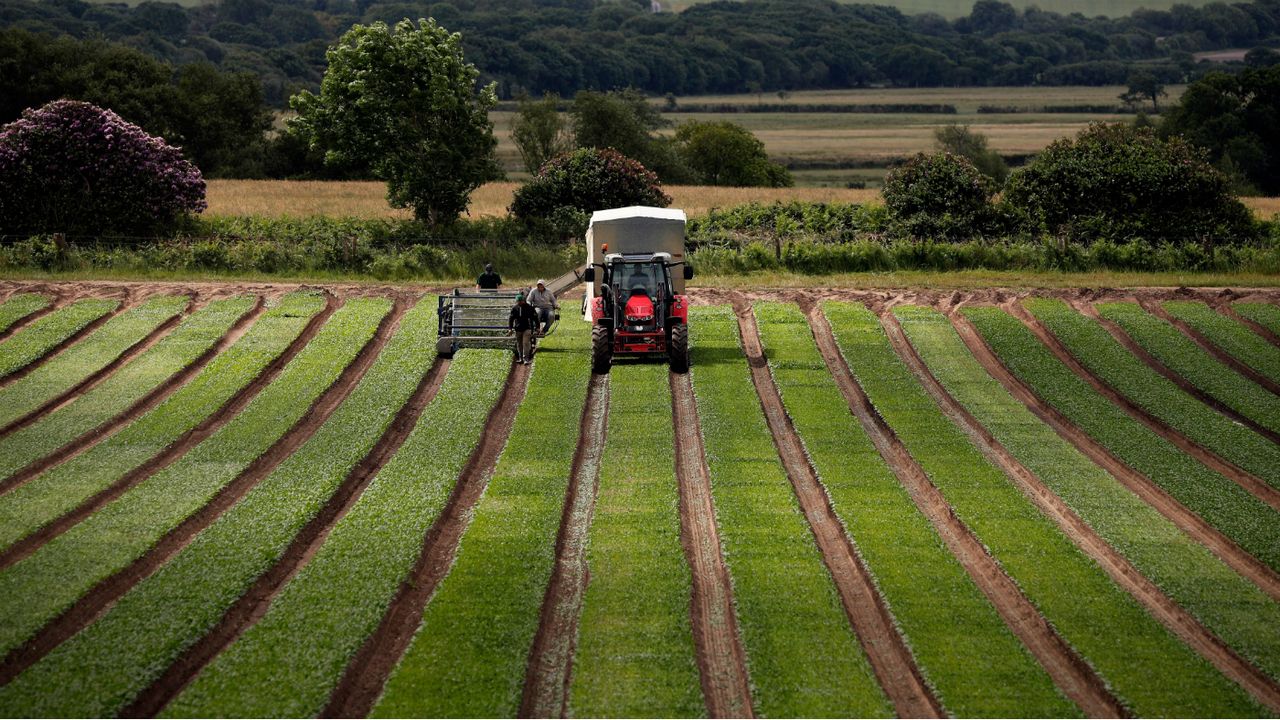
[caption id="" align="alignleft" width="316"] Risk Management: Growers should analyse the benefits of multi-peril crop insurance before they sign up.[/caption]
He said growers needed to analyse the multi-peril and single- peril insurance products to work out if it suited their businesses and if the cost of the premium was worth it.
“As a consulting company we look at whether growers would have benefited if they had taken out multi-peril or a single (peril) insurance policy in the past five years,” he said.
Latevo offers a multi-peril crop insurance product for all crops, which this season is being delivered by Rural Insurance Solutions.
It can cover 40-85 per cent of a cropping income if the farm is impacted by a range of perils including frost, flood, heat, poor rainfall or failure to emerge.
Latevo charges a one-off $5500 fee for a full-risk assessment of a farming operation, which is required if growers want cover higher than 40 per cent of revenue.
Latevo has a different underwriter this year, after Allianz ended its multi-peril crop insurance underwriting agreement with the company last year, in favour of launching its own product under its subsidiary Primacy.
Primacy PrimeGuard offers a form of yield-based multi-peril insurance product, where growers can cover a percentage of average yield, but only for wheat, barley oats, canola and triticale.
New entrant this year SureSeason also offers a revenue protection multi-peril product, covering all winter crops, including pulses and hay, across all states.
Mallee-based Agronomise consultant Simon Craig said croppers should closely scrutinise the potential benefit of income protection multi-peril insurance.
He said growers should know how often their total revenue had fallen below 40-80 per cent to work out if it was worth taking out an income protection policy.
“Go back over your five- year history and work out what you need to cover,” he said.
Mr Smith said the level of an insurance company’s cover could depend on the risk profile of a farm, and he knew of some growers who had been “refused 70 per cent cover because they are in a riskier area”.
Other crop insurance products include ProCrop, which offers a single-peril insurance product to cover costs if a grower receives less than 50 per cent of the agreed historical average rainfall.
ProCrop had paid out quite a few policies last year, and so has lifted premiums this year in certain areas, according to company director Bob Smith.
CelsiusPro is another company offering protection against adverse weather.
It is not strictly an insurance product, but a derivative, offering weather certificates for specific periods such as the growing season or events such as heat- waves, flooding or too much rain during hay production.
Mr Craig said verifying claims could be time- consuming and required excellent record-keeping
Latevo chief executive Andrew Trotter said while diversifying a business could mitigate risk, it still wouldn’t protect a farming business against weather risks.
“If you are growing grain and you have debt at the bank, what will protect you again a dry spring, frost or a heatwave?
“The only thing is an insurance contract,” he said.