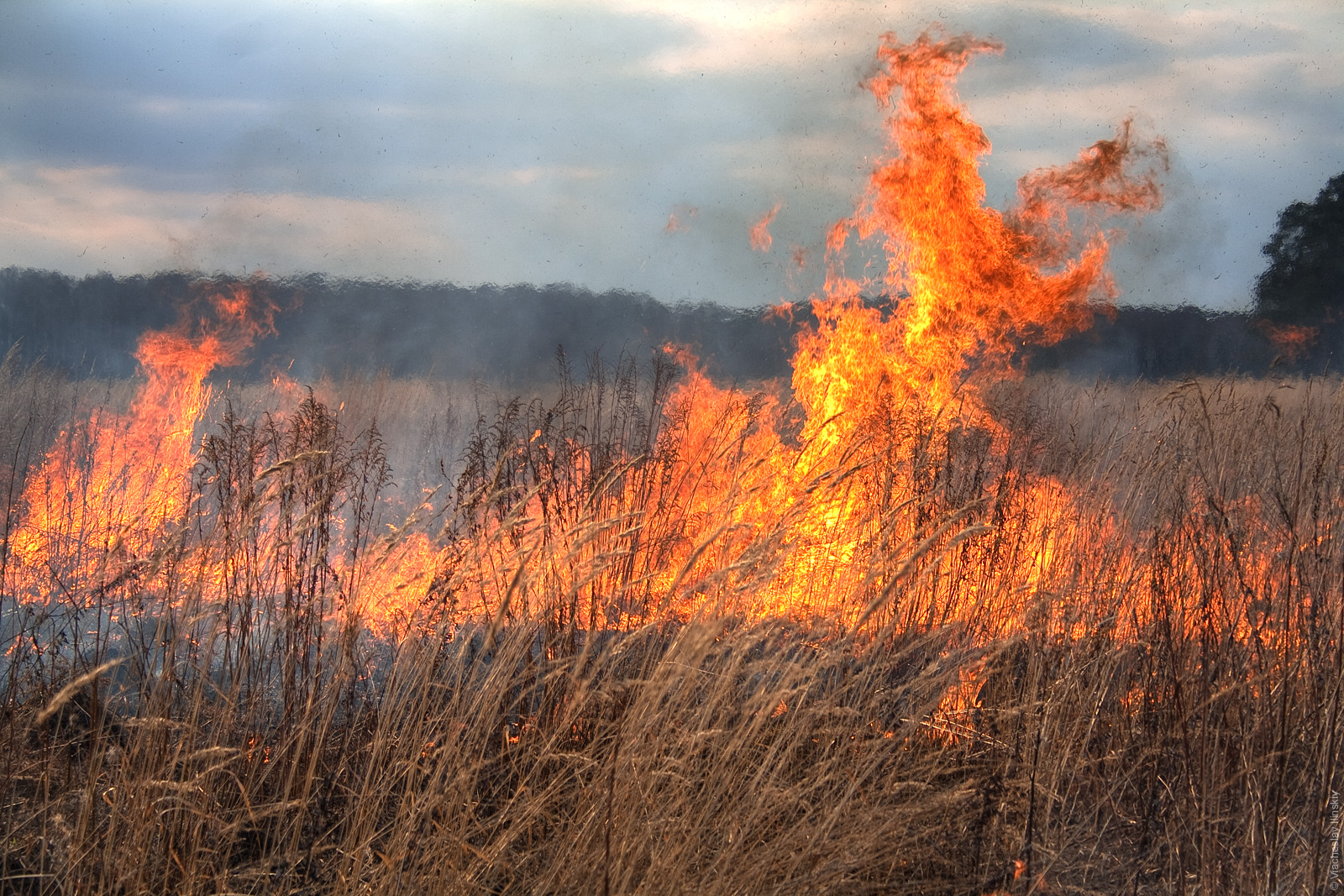
South Australian farmers have been devastated by deadly fires sweeping through the state's mid-north, with reports of significant crop, machinery and livestock losses.
Around 90,000 hectares of land has been burnt, including significant tracts of cropping country and at least one large piggery, where 300 growers were lost.
Mallala grain farmer Peter March said the fast-moving fire had devastated his community.
"There's nothing left, it's absolutely devastation," Mr March said.
"I've seen the odd stock wandering around that are alive, but in general, I don't think too many stock are going to survive this, it is just so hot.
"This is my 59th harvest and I've never seen anything like it before.
"It was unstoppable, the CFS unit reckon they were travelling at 65 kilometres per hour and they couldn't keep up to it."
Grain harvest halted, fears 60,000 hectares of crops destroyed
The state's grain industry has been heavily impacted by the fires, with many farmers reporting significant crop losses.
Darren Arney from Grain Producers SA said while it was too soon to estimate the damage bill, it was likely up to 60,000 hectares of crop had been lost.
"There's extensive damage through the lower north cropping region," he said.
"It's still early days, but harvest in that area would be maybe 50 per cent completed.
"So it's been catastrophic the affect that it's had, it's taken out people's homes, their sheds, machinery, crops, livelihoods. It's horrific.
"There's the ability to have crop insurance, which most farmers have to cover loss of crops.
"The machinery is insured, the houses are insured, but you cannot replace life.
"Hopefully people are well, but this is a very large fire which is going to affect a lot of people."
Piggery staff 'risked lives' to save animals
Livestock owners have also been heavily impacted by the fires, with several hundred pigs lost when outdoor shelters caught alight at a piggery, near Wasleys.
Emily Mackintosh, from Australian Pork Limited, told ABC Rural while the loss was devastating, the quick action of piggery workers had saved thousands of animals.
"Understandably the staff are shaken, at one point they had to run for their lives," she said.
"But they have just been amazing, they risked their lives to save thousands of animals.
"Sadly they have lost 300 of what we call growers, because as I understand the straw on which they were based as a group caught fire.
"But they were able to get a lot of animals out of buildings before they caught fire.
"So consequently they have a lot of animals running around paddocks at the moment, but safe and alive."
Livestock officials gained access to the southern and western sides of the fire ground this morning, with teams now assessing injured animals.
South Australia's chief vet, Roger Paskin, said at least one large intensive chicken operation had also suffered significant losses in the area.
"We don't know how many chickens, its going to be in the thousands, possibly tens of thousands," he said.
"There's also unconfirmed reports of one or two hundred sheep that might have been burnt.
"So it's a matter of getting out into those areas and doing the investigations, seeing what we can do to assist."
Lameroo haystack fire declared 'safe'
A large blaze which started under catastrophic fire conditions near the southern Mallee town of Lameroo yesterday has been declared 'safe' by the Country Fire Service.
Around 1,950 hectares of cropping land, two hay sheds and a shearing shed were destroyed on properties near Coonalpyn and Airport Roads, after the fire started in a haystack around 1.30pm.
Water bombers and strike teams from the South-East and Murraylands attended the blaze, with around 25 appliances bringing the fire under control at 6.00pm last night.
Marty Taylor from the CFS said the fire burnt out of control for several hours in crop stubble.
"Fortunately the farmer had already taken all of the crop off," he said.
"Where it started was in a hay stack, and we believe at the moment it was spontaneous combustion.
"And the property where it started, around 90 per cent stayed on his property, so he's absolutely devastated at the moment."
Source - http://www.abc.net.au