Total grain production for Australia in 2018-19 is being wound back by as much as four million tonnes, with a higher percentage of cereal cut for hay and increased number of crops damaged by frost.
It comes as tomorrow’s AFL Grand Final Day marks the ‘point of no return’ for many grain growers; if sufficient rain hasn’t fallen by the last weekend in September, the season could be considered a write-off.
And with no significant spring rain in sight, total grain production estimates for Australia in 2018-19 are being wound back.
Rabobank senior grains and oilseed analyst Cheryl Kalisch-Gordon said at this point in the season, frost and additional hay will be vying for the biggest impact on yield reduction.
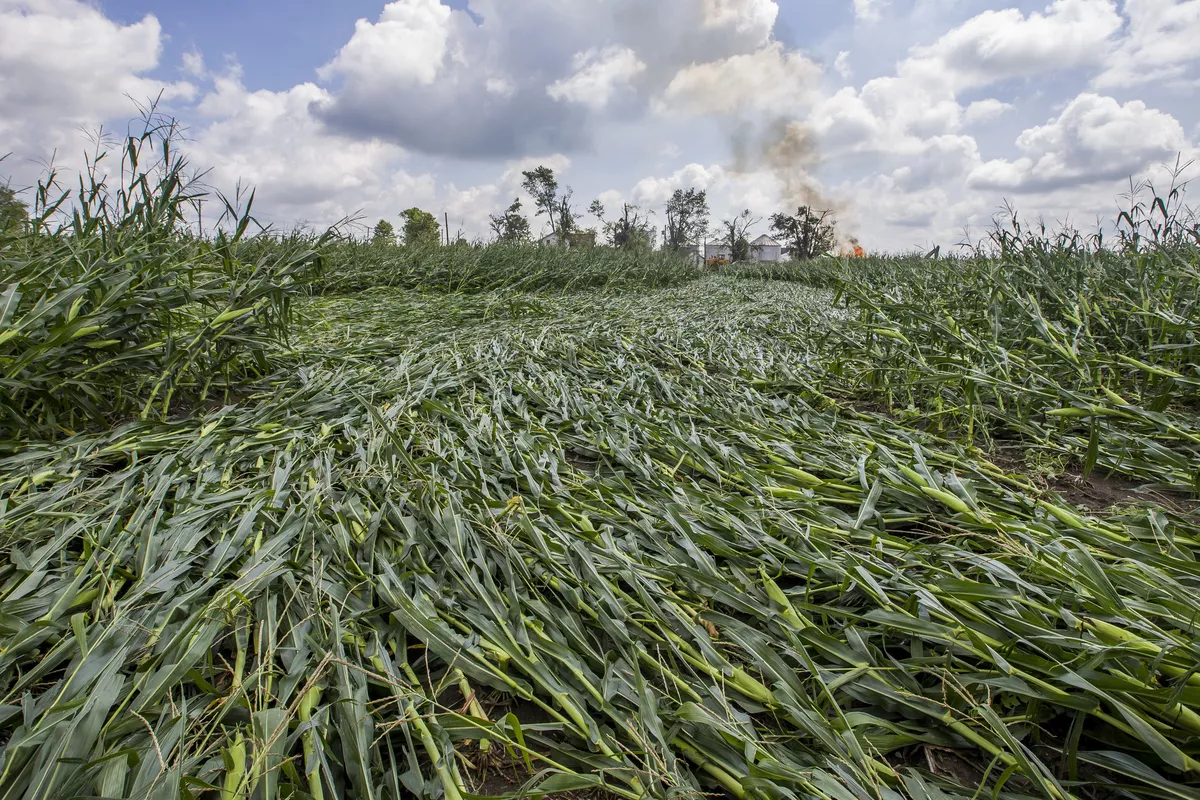
“The frost window is still open to damaging crops, and we’re also still in a phase of realising the damage of frost that has already occurred,” Dr Kalisch Gordon said.
A recent Rabobank report said analysts will be revisiting Australian crop estimates by region in coming weeks, as the tough 2018-19 season is worsened by frost.
Dr Kalisch Gordon said Australia’s wheat exports for 2018-19 could be just 10 million tonnes, a 10-year low.
On average Australia exports 18 million tonne of wheat.
“This season has been unforgiving at every turn for many parts of Australia’s cropping regions,” Dr Kalisch-Gordon said.
“Pricing and the calculations for cutting hay are being done right now … and there’s still the possibility of further losses from frost. Many farmers would be making a judgment call on cutting for hay.
“The pricing is stacking up in many cases verses the risk of further damage to crops that are now standing and would need to see their way through to harvest.”
The Bureau of Meteorology has forecast below-average spring rainfall for the coming months, with temperatures likely to warmer than average.
The Bureau has forecast a drier end to the year for parts of eastern and southern Australia, with October to December likely to be drier than average.
Prolonged dry conditions are playing into grain pricing, said Dr Kalisch-Gordon.
“What is different in this drought period in comparison to previous droughts it livestock pricing has held up, and that makes a big difference to how the pricing of grain has played out,” Dr Kalisch-Gordon said.
“Those growers with grain out there will be rewarded going forward. But there isn’t likely to be a circuit breaker for prices until November 2019, with some softening of prices in between dependent on an autumn break in 2019 and summer crop prospects.”
Source - https://www.weeklytimesnow.com.au