Brazil - Government warns of frosts in corn and wheat areas[:ru]Brazil government warns of frosts in corn and wheat areas

29.07.2021 492 views
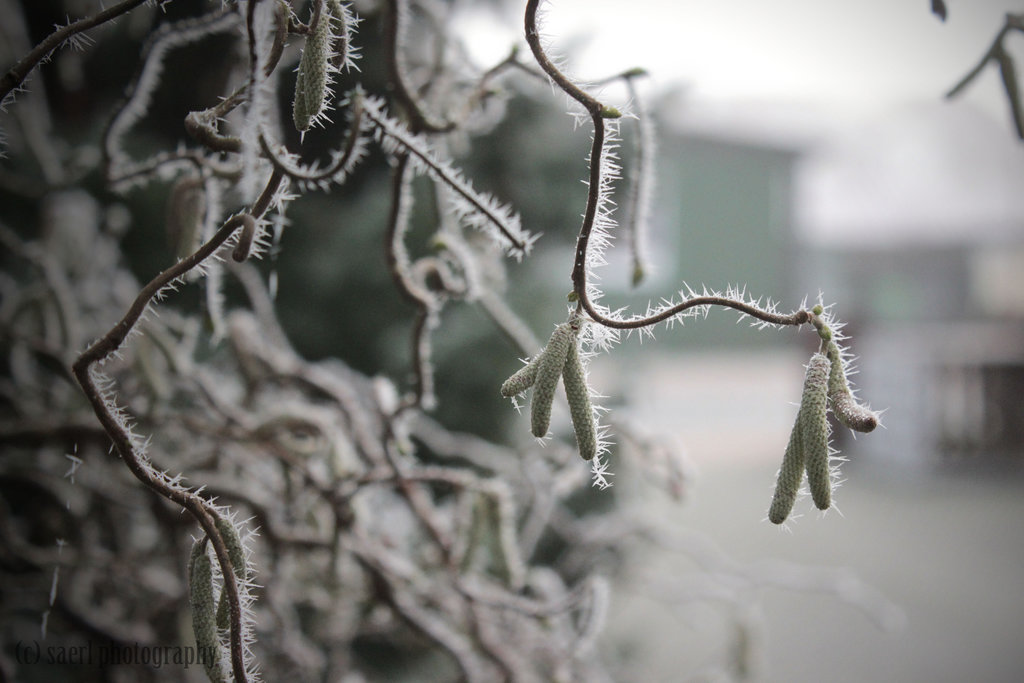
Freezing temperatures on Wednesday and Thursday will hit crops like corn and wheat in Brazil’s southern and southeastern states, according to a warning issued to farmers by the government’s food supply and statistics agency Conab.

In São Paulo and Paraná states, there is the risk of moderate and severe frosts and this could affect second corn that is in the grain-filling stage, as well as wheat that is in the flowering stage, Conab said late on Tuesday. Second corn is planted after soybeans are harvested in the same fields.

Corn and wheat in Mato Grosso do Sul could also be hit by frosts, though in fewer areas, Conab said.

In Santa Catarina and Rio Grande do Sul, wheat crops are less susceptible to damage given their current stage of development, Conab said.

In relation to second corn, which represents 70% to 75% of Brazil’s entire production in a given year, Conab predicts crop failure due to water stress followed by frosts in three states, though it did not elaborate.

For wheat, the expectation is also that there will be a fall in production due to a drought in Goiás and frosts in Mato Grosso do Sul, São Paulo and western fields in Paraná.

In other wheat-growing states, weather conditions are favorable for that crop, Conab said.

The extent of the damage done by the cold to Brazil’s coffee trees remains unknown, Conab said after frosts hit Arabica areas in Minas Gerais. However, the agency sees only a moderate impact, as more than 60% of the coffee area has been harvested under favorable conditions for the current crop, Conab said.

In the case of sugarcane, the cold killed plant leaves in parts of the center-south fields, exacerbating losses already caused by water stress, according to Conab.

To minimize the problem, Conab said sugar processors are pushing harvesting forward as a way to stimulate the regrowth of sugarcane plants, and thus cut potential losses.

Source - https://www.reuters.com


15.12.2025

India - Delayed crop loss survey keeps Cauvery delta farmers in limbo

Nearly 90,000 hectares of samba and thalady crops are submerged, raising fears for the next cultivation cycle.

15.12.2025

Romanian farmers to get financing support with €25 million EIB loan to Agricover Credit

Romanian farmers will be eligible for extra financing as a result of a €25 million loan that Agricover Credit IFN SA is receiving from the European Investment Bank (EIB). 

15.12.2025

UAE launches AI ecosystem to boost global agricultural resilience

The United Arab Emirates has launched an AI-powered agricultural ecosystem, partnering with global institutions to help farmers adapt to climate change and food security challenges.

15.12.2025

Bulgaria Opens €278M CAP Grant Calls for Farm Investments in Vulnerable Sectors

CAP Investment Support Calls Open in Bulgaria

15.12.2025

India - Maize Farmers in Bihar’s East Champaran Hit by Crop Diseases After Floods and Drought

Farmers in eastern Bihar say fungal and bacterial infections are damaging young maize plants, raising fears of yield losses after a season already disrupted by floods and drought. 

15.12.2025

Farmers’ Revolt in Greece Intensifies Amid State Repression

Greek farmers have escalated nationwide protests in December 2025, deploying thousands of tractors to block major highways, borders, ports, and even airports like Heraklion in Crete. 

14.12.2025

USA - USDA launches $700 million pilot to expand regenerative agriculture

The U.S. Department of Agriculture on Wednesday unveiled a $700 million pilot program to help farmers adopt regenerative agriculture practices aimed at improving soil health, water quality and long-term farm productivity while strengthening the nation’s food supply.

14.12.2025

South Africa - Hail and flooding demand critical crop insurance safety net

A single storm can wipe out a season's work. With climate change creating new hail hotspots, as seen across four South African provinces recently, the threat is less predictable than ever.