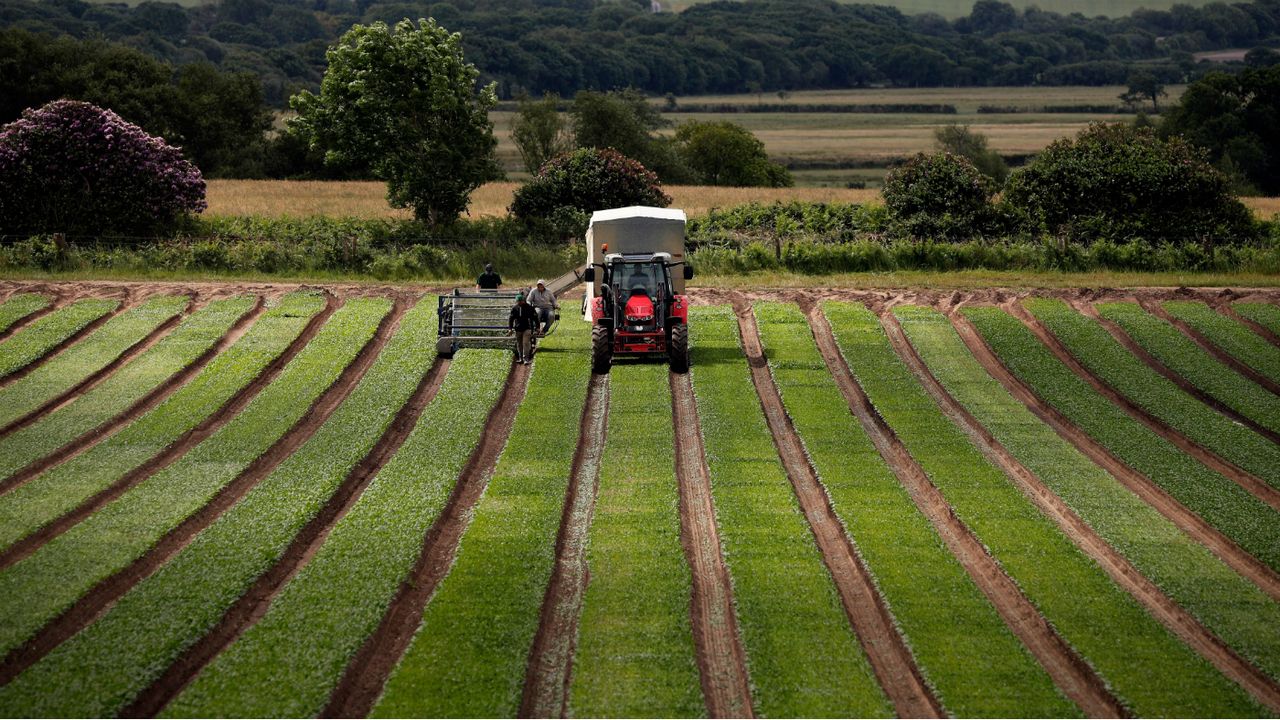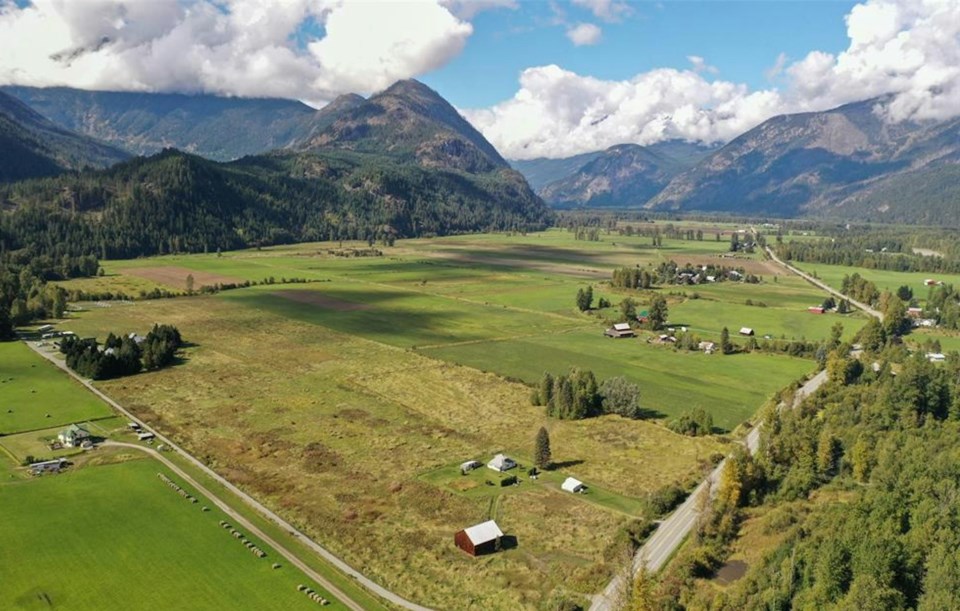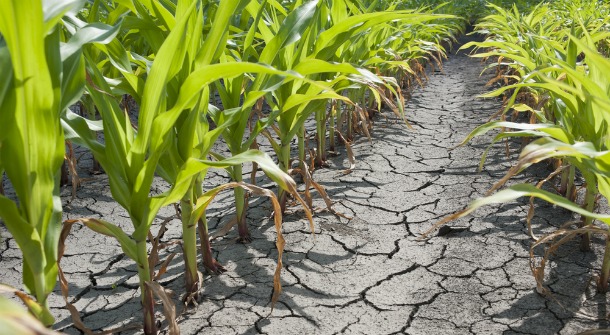
Seeding has started early in parts of Alberta but, for the second year in a row, some farmers and ranchers are worried about drought.
 Alberta Beef Producers chair Bob Lowe said last year’s drought virtually wiped out the hay crop in parts of east-central and northern Alberta. On his own ranch near Nanton this year, he’s already started seeding — but acknowledges some precipitation would be welcome.
“There are no sloughs, there’s no water lying around anywhere,” Lowe said. “There’s no doubt about it — we need a rain.”
Hadwen said the lack of winter snowfall can be attributed to the El Nino effect, which is expected to give way quite quickly to more normal weather patterns. However, Environment Canada is still predicting a dry spring, even though it would only take one or two good soaking spring rains to alleviate current concerns about crops.
“If we do get that spring rainfall, we’ll be just fine,” Hadwen said. “But we’re not in a real favourable condition heading into spring.”
The El Nino effect can also be credited for the abnormally warm temperatures that have some farmers out in their fields 10 days to two weeks earlier than normal. But Kevin Auch — who farms near Carmangay, north of Lethbridge — said it’s not unusual to see frost as late as the first week of May.
“Temperatures are coming up and guys are getting eager to get out into the field,” said Auch, who is also the chair of the Alberta Wheat Commission. “But there is some danger in seeding this early in the year, just because of the chance of frost.”
Alberta’s Agriculture Financial Services Corporation, the Crown corporation that administers crop insurance and farm income disaster assistance, has paid out more than $440 million to producers so far as a result of hailstorms and severe dry weather during the 2015 growing season.
Globally, early forecasts suggest that 2016 will be another year of above-normal average temperatures — likely among the warmest years on record and possibly even warmer than 2015.
Source - calgaryherald.com
Alberta Beef Producers chair Bob Lowe said last year’s drought virtually wiped out the hay crop in parts of east-central and northern Alberta. On his own ranch near Nanton this year, he’s already started seeding — but acknowledges some precipitation would be welcome.
“There are no sloughs, there’s no water lying around anywhere,” Lowe said. “There’s no doubt about it — we need a rain.”
Hadwen said the lack of winter snowfall can be attributed to the El Nino effect, which is expected to give way quite quickly to more normal weather patterns. However, Environment Canada is still predicting a dry spring, even though it would only take one or two good soaking spring rains to alleviate current concerns about crops.
“If we do get that spring rainfall, we’ll be just fine,” Hadwen said. “But we’re not in a real favourable condition heading into spring.”
The El Nino effect can also be credited for the abnormally warm temperatures that have some farmers out in their fields 10 days to two weeks earlier than normal. But Kevin Auch — who farms near Carmangay, north of Lethbridge — said it’s not unusual to see frost as late as the first week of May.
“Temperatures are coming up and guys are getting eager to get out into the field,” said Auch, who is also the chair of the Alberta Wheat Commission. “But there is some danger in seeding this early in the year, just because of the chance of frost.”
Alberta’s Agriculture Financial Services Corporation, the Crown corporation that administers crop insurance and farm income disaster assistance, has paid out more than $440 million to producers so far as a result of hailstorms and severe dry weather during the 2015 growing season.
Globally, early forecasts suggest that 2016 will be another year of above-normal average temperatures — likely among the warmest years on record and possibly even warmer than 2015.
Source - calgaryherald.com