

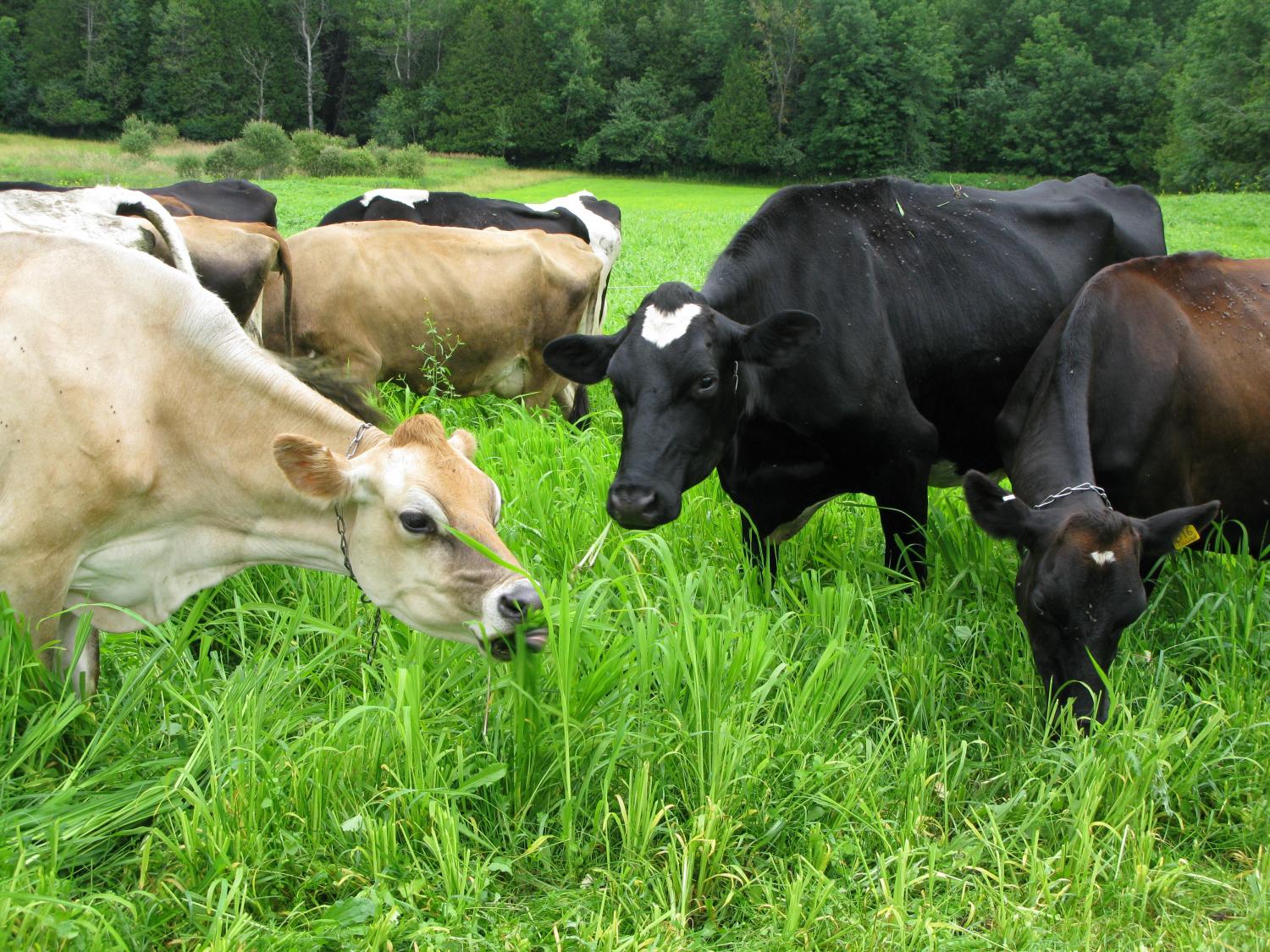
Canada - Ranchers hoping for help as 'severe drought' strikes Saskatchewan
13.06.2019 1044 views
A severe drought has settled over wide expanses of Saskatchewan, and rain-starved ranchers are hoping governments will come to their aid.
The Agricultural Producers Association of Saskatchewan (APAS) put out a call for the provincial and federal governments to “help mitigate the impact of extremely dry conditions.” According to APAS president Todd Lewis, the widespread drought is hitting cattle producers especially hard.
There’s still time to grow a good crop, Lewis said, but animals need to eat and drink now. Pastures are already in bad shape from the lack of moisture.
“The hay crop and forages are in very poor condition in a large portion of the province,” he said. “It’s a serious situation.”
Lewis said record-low rainfall in some areas has done little to replenish soils left parched by two previous years of below-average moisture. He said this year is worse than last year, partly because the grasses were already “grazed hard” in 2018.
“It’s very common to hear about sloughs that have dried up and water bodies that haven’t been dry for decades,” he said. “They are dry now.”
Chad MacPherson of the Saskatchewan Stock Growers Association agreed that it’s “starting to get critical.” He called the hay crop “fairly dismal” and said ranchers may soon have to make tough decisions about whether they want to buy feed at inflated prices, relocate their animals or even downsize their herds.
The hardest hit areas are around Saskatoon and Moose Jaw. Both are marked as being in “extreme drought” in the federal Agriculture Ministry’s Canadian Drought Monitor. A much wider expanse of the province is in “severe drought,” according to the monitor.
APAS is calling on the provincial government to help producers with water supply and fences for new grazing lands, while also creating a drought committee to keep an eye on conditions. It’s asking Ottawa to provide federal drought assistance, notably through a livestock tax deferral program.
“We can’t just keep hoping for rain,” Lewis said. “It is time to act.”
APAS also wants the Saskatchewan Crop Insurance Corporation (SCIC) to encourage farmers to convert drought-damaged cereal crops into animal feed.
MacPherson agreed that it could be helpful for SCIC to improve flexibility for farmers hoping to work together with their neighbours.
APAS is also hoping to see Crown land opened for grazing, as well as vacant lands managed by groups like Ducks Unlimited.
Ducks Unlimited expects that about 40,000 acres of its lands will be available for hay or grazing this year, according to a statement provided to the Leader-Post. It said it currently has 68 parcels up for tender, while adding that some lands may look vacant but are actually being saved for future years.
In a statement, the province responded by pointing to existing programs through AgriStability and SCIC. It also pointed to an existing Farm and Ranch Water Infrastructure Program, which helps farmers develop sustainable water supplies. The government said it will closely monitor moisture, crop and forage conditions.
It also pledged to “assess conditions and work with the federal government to consider designations under the livestock tax deferrals.” Agriculture and Agri-Food Canada responded in a statement that it is currently working with the provinces to evaluate the impact of the drought and will designate any regions that meet the requisite conditions.
MacPherson said the tax deferrals can give ranchers the grace period they need to cope with a severe drought, since some could be selling animals at a significant loss.
Source - https://leaderpost.com
EVENTS

ScaleAgData Stakeholder Engagement Event
22.10.2024The ScaleAgData project is pleased to invite you to our second stakeholder event. Building on the discussions and connections formed during our first webinar, this event will focus on fostering collaboration among stakeholders, providing updates on our project’s progress, and outlining future opportunities for engagement.

09.04.2026
Moldova - Farmers received 117 million lei in insurance subsidies
The Agency for Investments and Payments in Agriculture (AIPA) announced that it has completed the payment of insurance subsidies (70% of the amount of insurance premiums) for 654 farmer applications received between February 1 and September 30, 2025. The total amount of subsidies to this category for last year amounted to LE 117.08 million.
09.04.2026
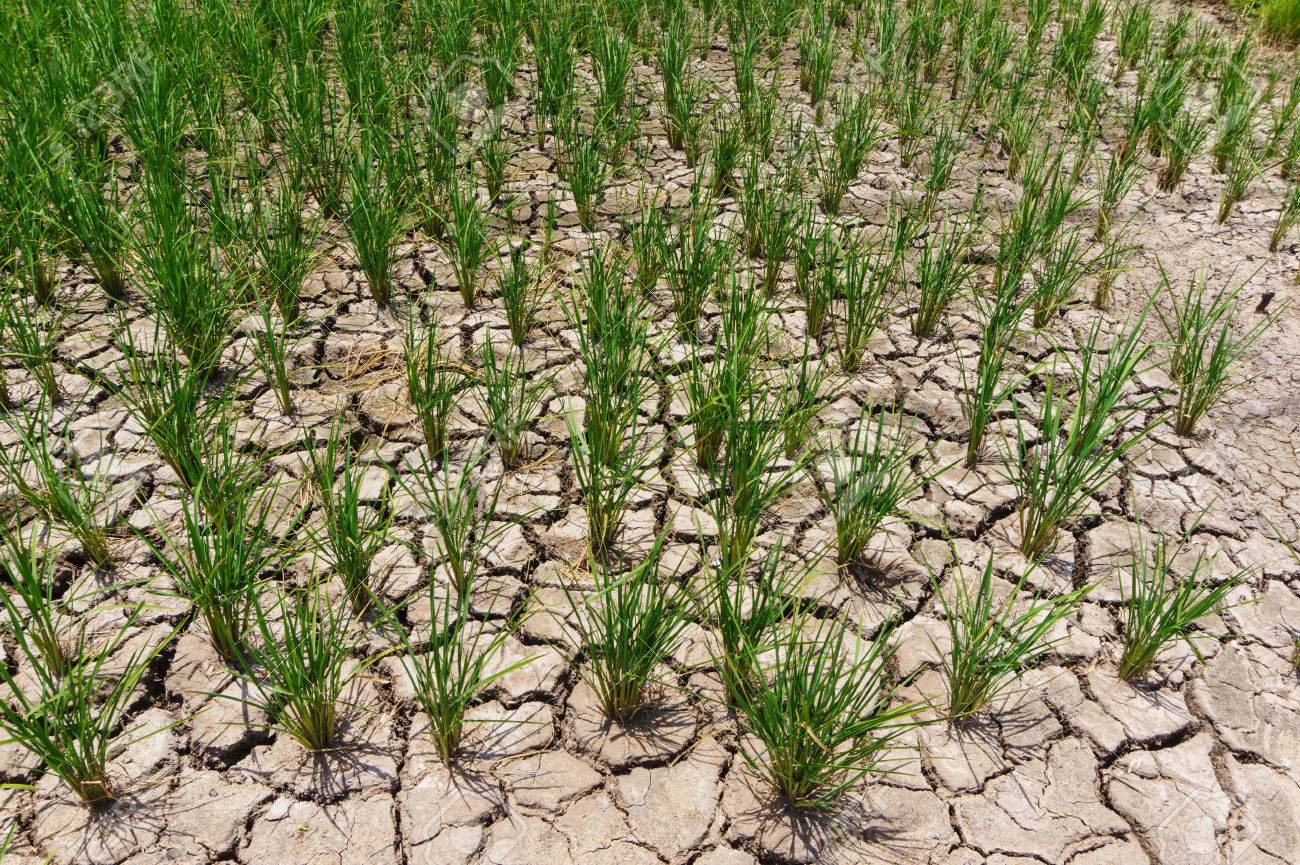
Philippines - Antique farmers urged to plant drought-resistant crops ahead of El Niño
The Antique Office of the Provincial Agriculturist is advising farmers to grow drought-resistant crops in preparation for the possible effects of El Niño.
09.04.2026

India - Farmers Urge Govt To Work On Climate Change Policy, Develop Climate-Resilient Crop Varieties
Farmers who lost their Rabi crops due to untimely hailstorms, rain, and strong winds say compensation is not a foolproof solution to the issue. Instead, the government should develop a comprehensive climate change policy and focus on developing climate-resilient crop varieties, seeds that can withstand excess moisture, resist lodging from strong winds, or mature early enough to escape erratic weather.
09.04.2026
Farmers proffer solutions to tackle Nigeria’s $10bn annual post-harvest losses
Some farmers in the country have proffered workable solutions to address Nigeria’s growing post-harvest losses estimated at $10 billion annually.
09.04.2026

India - Pre-monsoon season emerging as new high-risk period for crops, analysis shows
The monsoon has long been seen as the most destructive season for Indian agriculture, with heavy rains and floods between June and September damaging crops across large areas.
09.04.2026

Azerbaijan plans to insure new crops and boost payments for flood damages
The scope of the agricultural insurance system in Azerbaijan is being expanded, and along with the insurance of new products, the volume of payments for flood and inundation losses is expected to increase, Deputy Chairperson of the Agricultural Insurance Fund (AIF), Laman Aliyeva-Mamishova, told Trend.
08.04.2026
South Korean hail damages 802 hectares of crops in South Jeolla
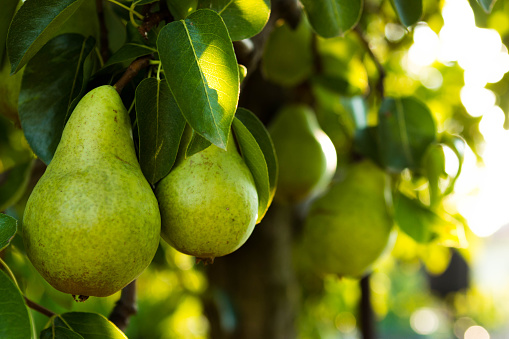
In South Jeolla Province, a hailstorm caused damage to more than 800 hectares of crops, with the impact concentrated in Naju, the country's main pear production area. This has raised concerns about the 2026 harvest.
08.04.2026
Corn leafhopper caused US$25.8 billion loss over four years in Brazil
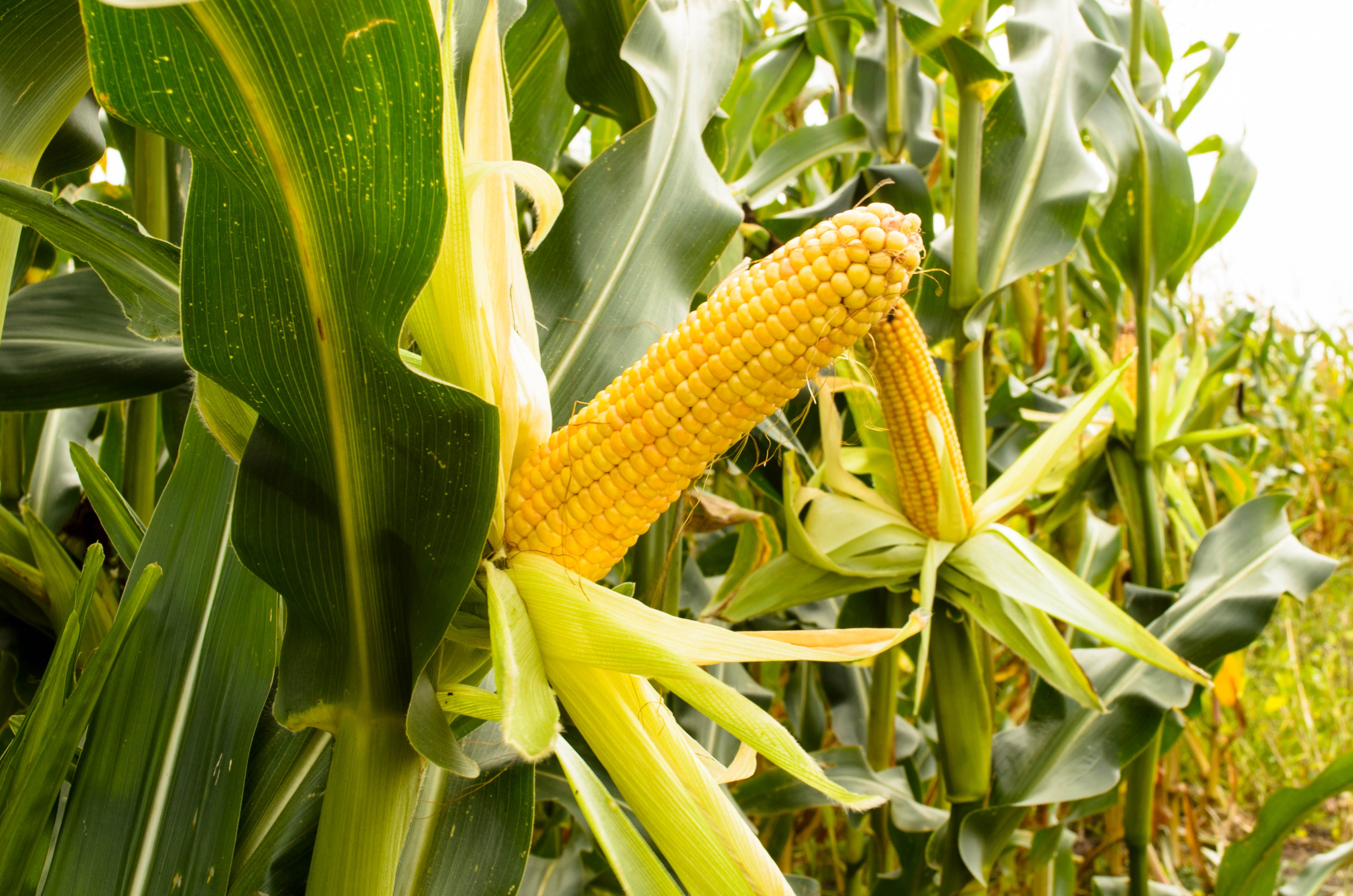
The corn leafhopper (Dalbulus maidis), which is considered the crop’s main pest, has caused billions in losses to Brazilian production. A new study has quantified the economic impact of corn stunt diseases on Brazilian production.
