"Expectations are that climate change will increase the intensity and frequency of droughts in the Caribbean. Thus the countries must improve their ability to cope with them and other problems related to climate so that they can ensure food security and eradicate hunger," the FAO stated.
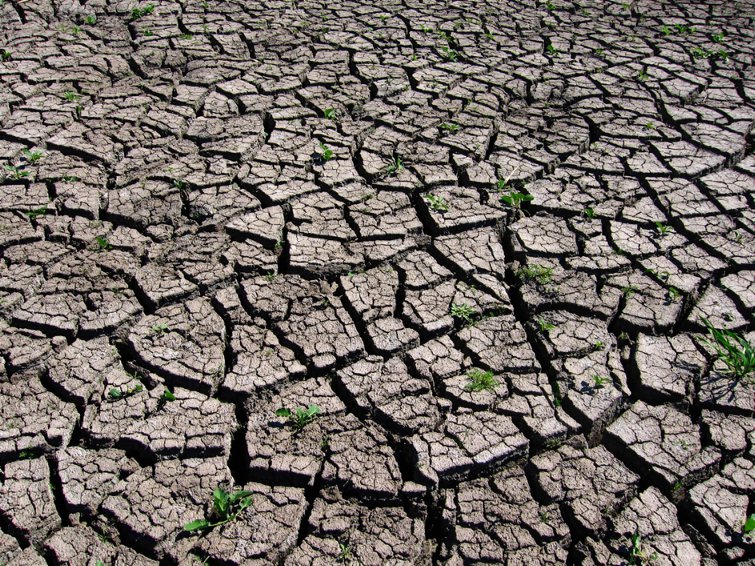
According to a new study by the FAO, the Caribbean faces significant challenges in terms of drought. The region already suffers annual events that are similar to drought, and the low availability of water often impacts agriculture and water resources, generating a significant number of forest fires.
The Caribbean also experiences intense dry seasons, especially in the years when El Niño is present. Even though the impacts of El Niño are generally offset by the next rainy season, the wet seasons often end early and the dry seasons last longer, so there is less annual rainfall than expected.
Seven of the 36 most water-scarce countries in the world are in the Caribbean, Barbados is among the top ten of this list. According to the FAO, Barbados, Antigua, Barbuda, Saint Kitts, and Nevis are water-scarce countries, as they have less than 1000 m3 of freshwater resources per capita.
"Drought is the most common cause of severe food shortages in developing countries, so this is a key issue for the Caribbean's food security," said Deep Ford, FAO Regional Coordinator in the Caribbean.
The impact of drought on agriculture and food security
Agriculture will be the most affected sector as the droughts become more seasonal in the Caribbean, which will result in serious economic and social consequences.
This is particularly important because most of the Caribbean agriculture is rainfed. The countries freshwater supply will be increasingly more important as the use of irrigation becomes more widespread in the Caribbean.
Drought can affect the agricultural sector in various ways, by reducing crop yields and productivity, or causing the premature death of livestock and poultry. A dry period of only 7-10 days may result in reduced yields, influencing the lives of farmers.
Farmers, particularly small farmers, are vulnerable to drought. The lack of rain threatens their livelihoods if their crops are rainfed. Low water levels increase production costs because they have to increase irrigation.
Drought affects the nutritional value of the livestock from grazing areas. Drought tolerant species, which have a lower quality, are beginning to dominate, increasing the vulnerability of livestock. The drought also increases the risk of livestock diseases.
The poor are vulnerable because the droughts are usually associated with an increase in food prices. Desalinated water, which is more expensive, becomes an increasingly more important source of water supply in the Caribbean, and it already represents up to 70% of the water supply in Antigua and Barbuda, which can significantly affect the poor.
Rural communities are vulnerable because their water networks are hit more strongly during the drought, while children are at a greater risk of having an inadequate water supply throughout drought events.
Source - http://www.freshplaza.com