


Colombia - Weather index insurance program for smallholder coffee farmers
03.10.2018 1048 views
Nespresso has partnered with Blue Marble Microinsurance — a startup with the mission of providing socially impactful, commercially viable insurance protection to the underserved and incorporated by nine insurance entities — to launch a pilot weather index insurance program for smallholder coffee farmers in Colombia.
There is an immediate need to establish innovative solutions that help to ensure coffee producers have long-term security in the face of climate change. Smallholder farmers are subject to immense risk as unpredictable and adverse weather conditions can have detrimental effects on coffee crops — Hurricane Maria, for example, devastated Puerto Rico’s coffee crops, along with the rest of the island; the industry is now slowly rebuilding, but with millions of dollars stripped from the nation’s already fragile economy. Until now, there has been a lack of suitable insurance options available to these farmers.
This gap is precisely why Nespresso and Blue Marble are working together to enhance the welfare of coffee farmers and address supply chain risk. This pilot weather index insurance program has commenced with 1,975 farmer participants across 5,724 hectares, belonging to the farmers of the Aguadas and Norte de Caldas cooperatives in Caldas, Colombia. The program — a co-creation of farmers, Nespresso coffee specialists and Blue Marble insurance experts — provides tailor-made coverage for excess rainfall and drought during the developmental stages in which coffee is most vulnerable to climatic shocks.
“This pilot initiative helps to establish a support mechanism for smallholder coffee farmers in Colombia so that they can continue to thrive in the face of climate change,” said Guillaume Le Cunff, President and CEO of Nespresso USA. “Nespresso is truly grateful for Blue Marble’s partnership in developing this vital initiative for smallholder coffee farmers, whom we work closely with and rely on to grow and harvest the world’s highest-quality beans.”
“Our changing climate poses serious threats to the livelihoods of coffee producers, especially smallholder farmers,” said Blue Marble CEO and founder Joan Lamm-Tennant. “Insurance provides these farmers with critical safety nets, and it can have a lasting impact. Blue Marble is proud to work with Nespresso to help mitigate risk and create value in the lives of these farmers.”
“Having an insurance solution that protects our members from the devastating effects of climate change is critical for the cooperatives,” said Cesar Julio Díaz, Head of the Aguadas and Norte de Caldas cooperatives. “It allows coffee growers access to economic resources in the form of insurance payouts that will help them re-establish their crops, making them productive and able to continue with their agronomic activity.”
Through the use of satellite technology, this pilot weather index insurance program provides farmers with an affordable and efficient solution. In the event of excess rainfall or drought, payments are automated and quick. All of the pilot program design parameters have been validated by farmers based on their knowledge and historical yields.
Over time, Nespresso and Blue Marble intend to expand this program to other regions. The National Federation of Coffee Growers of Colombia has expressed interest in extending this program to other coffee regions. Blue Marble and Nespresso are continuously working with the farmers and cooperatives to refine the design of the program, with the aim of scaling it in the near future.
Blue Marble and Nespresso acknowledge key partners for their ongoing support in the development of this innovative program. Cafexport, a company focused on delivering sustainable coffee to the roasting industry, is helping with the implementation of the pilot initiative in Caldas. Nespresso’s long-time partner, Fairtrade International, is working with Nespresso to implement and promote sustainable coffee production in Colombia. Cooperatives have democratically chosen to use their Fairtrade International premiums to pay for the pilot weather index insurance program.
Matching Blue Marble’s investment, Nespresso is financing the pilot program through the Nespresso Sustainability Innovation Fund, which facilitates the company’s investment in sustainability initiatives that go beyond its core business operations. Nespresso has committed an initial $10 million to specific innovative coffee value chain initiatives, including this vital program.
This initiative is an integral part of Nespresso’s larger commitment to utilizing responsible and sustainable practices throughout its entire supply chain, from coffee sourcing to aluminum stewardship. One such example is the company’s unique, green coffee-sourcing approach, the Nespresso AAA Sustainable Quality™ Program, which works directly with over 70,000 farmers in 12 countries to better manage their farms, their businesses and their land, helping to protect the future of the highest-quality coffees.
The insurance program augments Nespresso’s climate change strategy, which includes energy-efficient machine design and renewable energy in its factories and certified agroforestry practices through the planting of five million trees by 2020. Plus, the company says its precision consumption system — in fully recyclable, aluminum capsules — uses only the exact amount of coffee, energy and water that is needed to brew a single cup, thereby reducing the carbon footprint, as well as the food, energy and water waste, per serving. All of these actions aim to ensure that Nespresso’s operations will be carbon neutral by 2020, per its commitment.
With the creation of this new option for smallholder farmers in Colombia, Nespresso and Blue Marble are leading the way in the realm of coffee crop insurance. It is their determined hope that other players within both of their industries will participate in this program in the future.
Source - https://www.sustainablebrands.com
EVENTS

ScaleAgData Stakeholder Engagement Event
22.10.2024The ScaleAgData project is pleased to invite you to our second stakeholder event. Building on the discussions and connections formed during our first webinar, this event will focus on fostering collaboration among stakeholders, providing updates on our project’s progress, and outlining future opportunities for engagement.
RISK EVENTS

Moldova - May frosts caused heavy damage to fruit orchards
10.05.2026The first frosty nights of May have significantly worsened estimates of damage to Moldova's fruit sector from spring frosts. According to initial assessments by fruit market operators, between a quarter and a third of the country's total orchard area was seriously affected.
27.10.2026
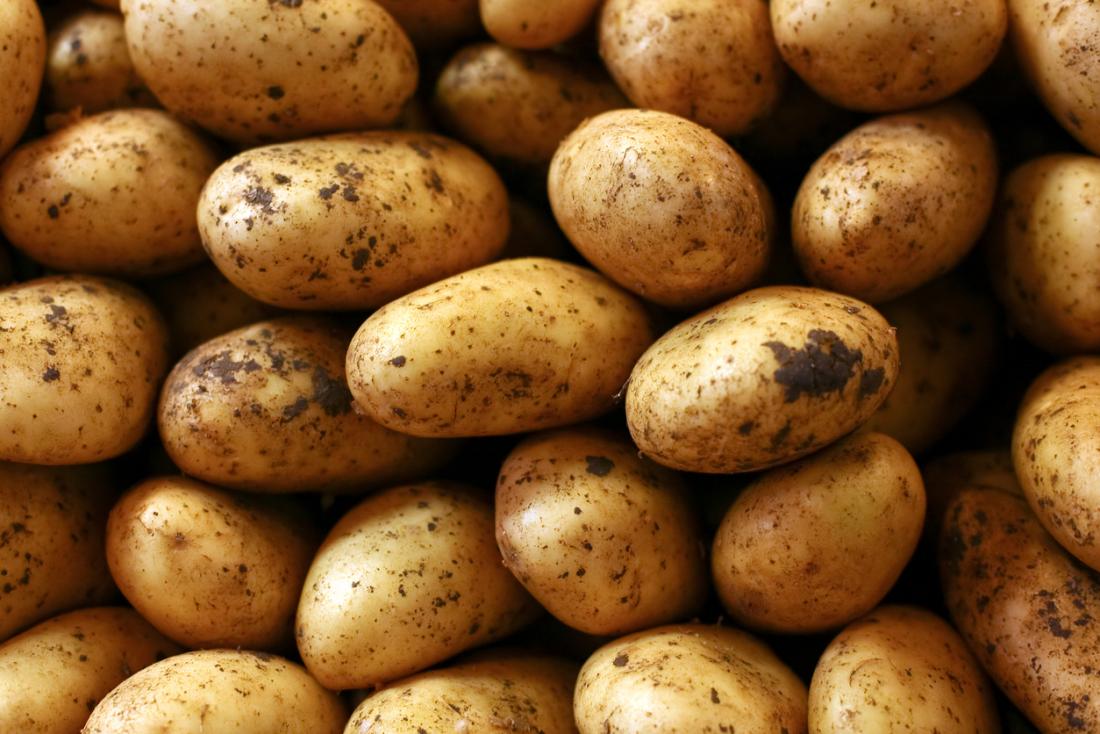
USA - Potato breeding research targets reduced handling damage and crop losses
Potato breeding research is examining how tuber characteristics influence damage during harvesting, storage, grading, and packing. The objective is to increase marketable yields while maintaining crop quality and meeting market specifications.
27.10.2026
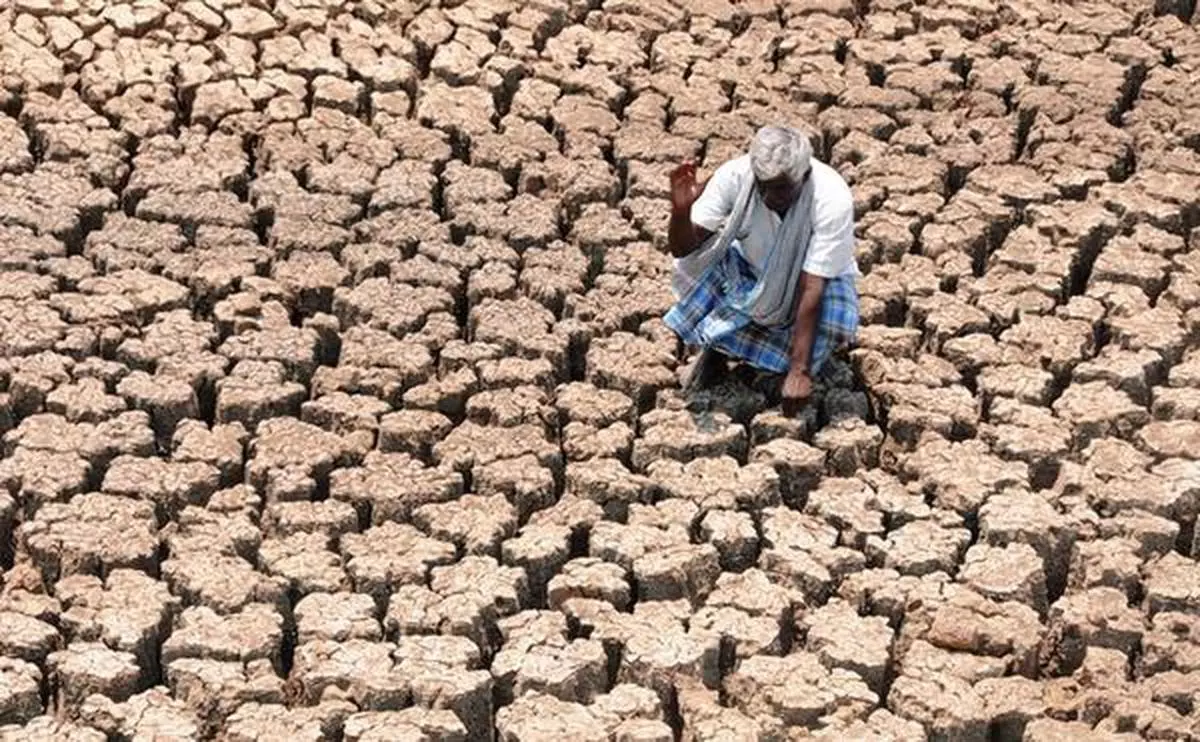
India - Gujarat Drought Relief Triggers Farmer Backlash Over ₹8,500 Aid
Gujarat’s drought relief package has triggered opposition from farmer leaders in Dwarka, who say the proposed assistance of ₹8,500 per hectare is inadequate and have announced a possible agitation from November 12 if the government does not revise the eligibility and assistance norms.
27.10.2026

USA - Fall Covers for Spring Savings incentive program returns
The Illinois Department of Agriculture is launching the eighth year of its Fall Covers for Spring Savings Program.
27.10.2026
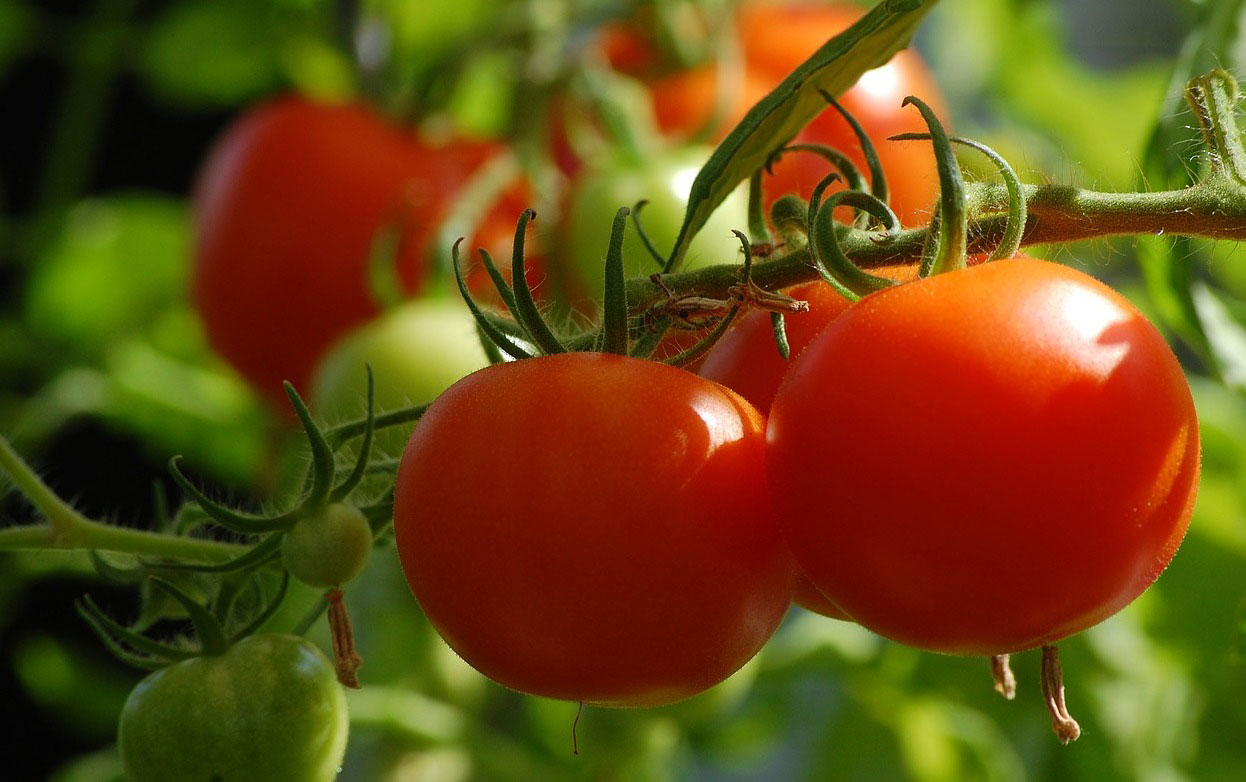
India-Ghana Agricultural Pact targets tomato production, crop research and post-harvest losses
Five-year ICAR–CSIR-CRI agreement puts vegetable research, tuber processing, cold-chain technology and commercialisation at the centre of India-Africa agricultural cooperation.
27.10.2026

India - Tandur Gram Crop Withers Amid Water and Power Shortages
Tandur gram received the Geographical Indication (GI) tag in December 2022, recognising its distinctive identity and quality. However, farmers who cultivate the crop are now struggling to save their produce amid unfavourable conditions.
27.10.2026
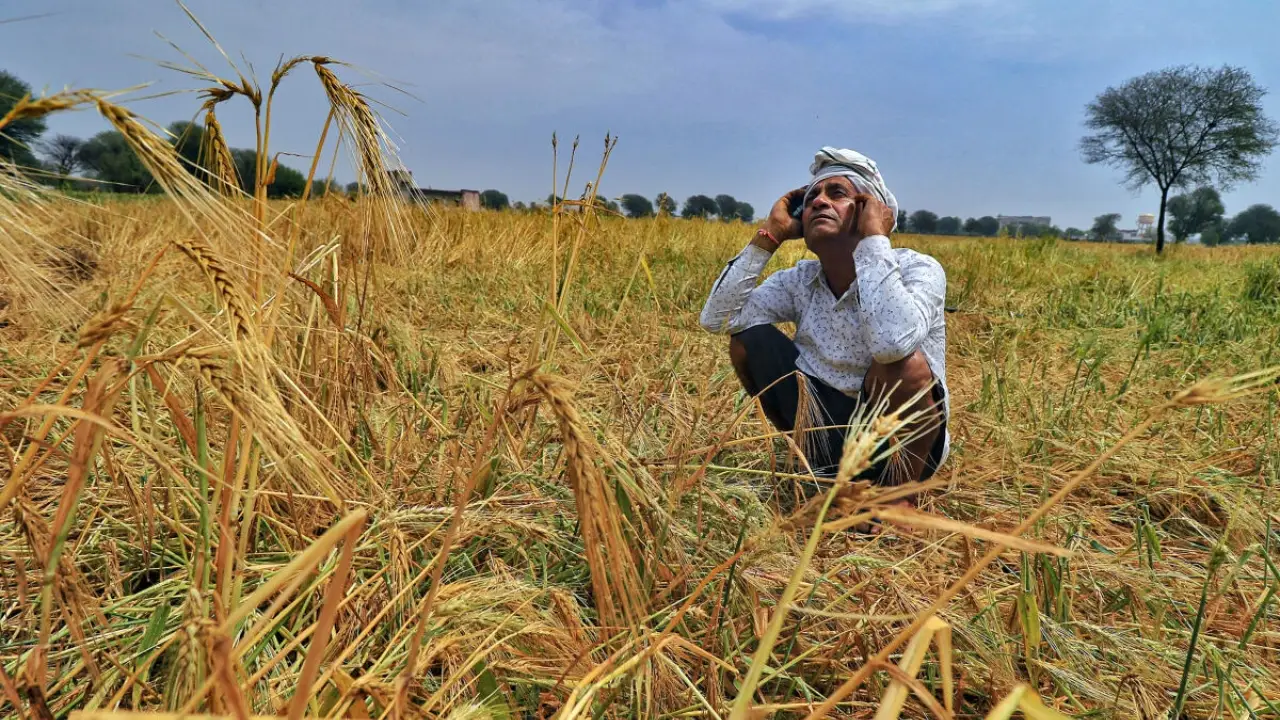
India - Odisha Issues Show-Cause Notice to 6 ADMs Over PMFBY Data Lapses
The Cooperation Department of Odisha has issued show-cause notices to the Additional District Magistrates (ADMs) and PMFBY Nodal Officers of six districts for severe negligence in uploading Crop Cutting Experiment (CCE) data under the Pradhan Mantri Fasal Bima Yojana (PMFBY).
26.10.2026
Malaysia studies expanding crop insurance to other agricultural sectors
The government is assessing steps to expand the crop insurance scheme as the agricultural sector faces increasingly significant risks from natural disasters and extreme weather. A comprehensive study is needed before the scheme can be extended beyond rice crops, including to examine how premiums should be paid and losses assessed.
26.10.2026
Crop losses from recurring droughts ‘shrinking Poland’s economy and impacting businesses’
A new report has found that lower crop yields significantly affect industries beyond agriculture, including trade and transport.
