

Philippines - DA says crop losses from El Niño nears P10 billion
06.04.2016 383 views
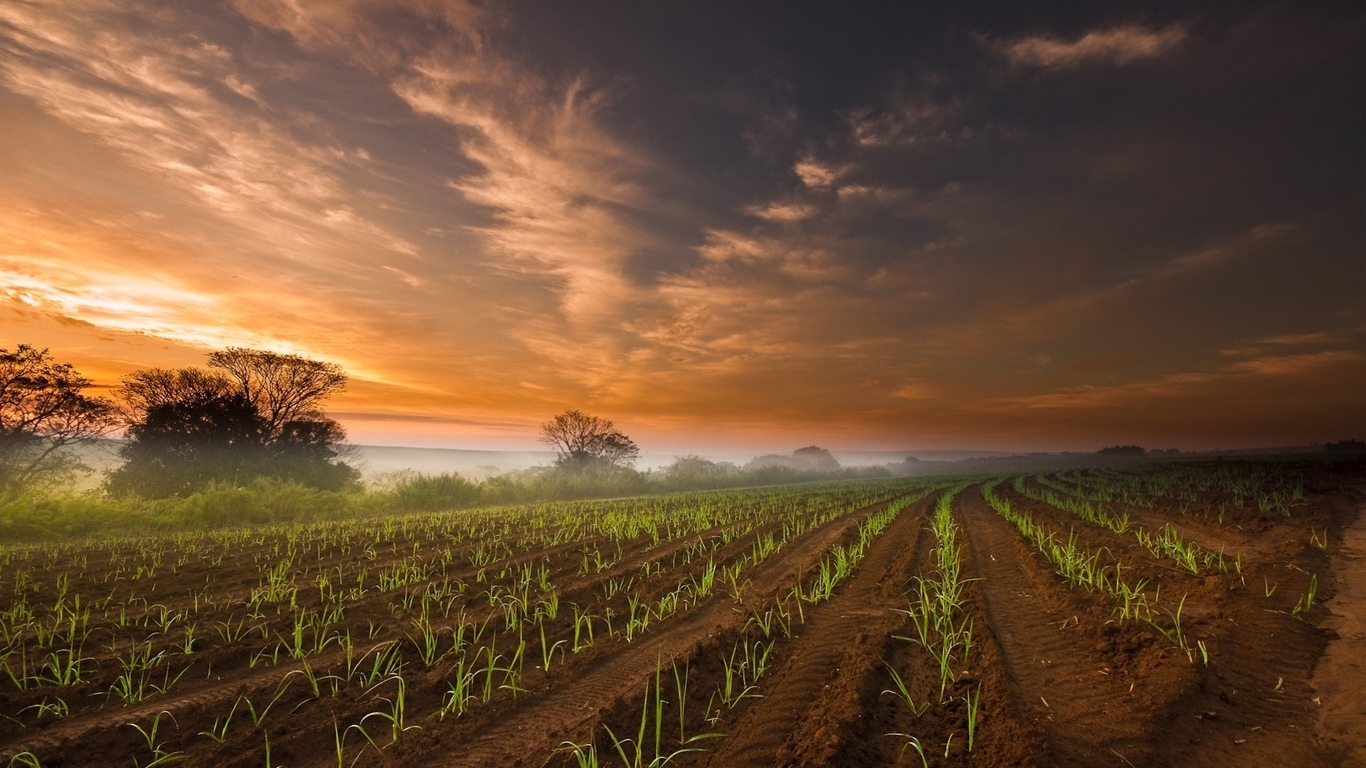
Crop losses amounted to P6.5 billion from January to April 2, Department of Agriculture (DA) Undersecretary Emerson U. Palad said in a press briefing following the fifth meeting of the Technical Working Group on the Roadmap to Address the Impact of El Niño in Pasig City yesterday.
This adds to the P3.4 billion of such losses recorded from February to December last year, the official added, noting the actual tally has thus far turned out lower than projected because of the government’s interventions.
The Northern Mindanao region incurred the biggest production loss of P2.462 billion from January to date, followed by Western Visayas (P1.9 billion) and Soccsksargen (P748 million).
“In 1997/98 the total [damaged area] was 677,441 hectares; in 2010, it is at 555,102 hectares; and for the period -- we count February 2015 to April 2, 2016 -- we are at 373,491 hectares,” Mr. Palad said.
“This is substantially much less than what we have experienced in the previous year.”
In terms of intensity, local and international weather forecasters have compared the current El Niño cycle to the 1997/1998 episode, when agriculture production in the Philippines dropped by a fourth.
“Government has been fairly successful in mitigating the impact of El Niño, particularly in ensuring sufficiency in supply of food and keeping prices stable,” Socioeconomic Planning Secretary Emmanuel F. Esguerra said in the same briefing.
“While drought usually entails low production leading to high agricultural product prices, inflation data show that prices of food, particularly rice, have been low and stable in the past months,” the official noted.
The official cited interventions made by the government, particularly the provision of irrigation services and distribution of seeds in non-vulnerable and mildly affected provinces, timely importation and price freeze in areas declared under a state of calamity.
The National Food Authority (NFA), for instance, has approved the importation of 750,000 metric tons of rice in preparation for El Niño’s possible impact on agricultural production this year.
NFA has a stand-by authority from the President to import another 500,000 metric tons of rice this year, NFA Administrator Renan B. Dalisay told reporters after the briefing.
“What the NFA Council is doing now is monitoring the supply [and] consumption on a month-to-month basis because we are entering the lean months, that’s why we’ll see,” Mr. Dalisay said.Aside from stable food supply and prices, Mr. Esguerra noted that there were no reported breakout of diseases despite the lack of water and that Social Weather Station’s survey showed last year’s 13.4% average hunger rate dropped to its lowest since 2004.
“However, despite these encouraging numbers, we recognize that there could be areas that are feeling the brunt of El Niño and for this, the role of LGUs is very crucial,” Mr. Esguerra said.
“We are certainly bothered by the fact that there are people who still go hungry. There could be areas that are not yet being reached by government interventions.”
As proposed by the interagency El Niño Task Force headed by the National Economic and Development Authority (NEDA), the national government has earmarked P19.2 billion for cash-for-work programs, distribution of food packs in rural areas and other interventions. “Actually, [the] P19.2 billion [we have set], that was really considering the worst case. As it turns out, it was not as bad as we originally thought it would be,” Rosemarie G. Edillon, NEDA deputy director-general, said during the briefing. At present, 23 provinces experience 60% less rainfall, 20 of which are in Mindanao. Seven provinces -- Isabela, Quirino, Bukidnon, Davao del Sur, Cotabato, Maguindanao and Basilan -- have declared a state of calamity, along with five cities, 24 municipalities, and two barangays.
“We would like to assure the public that government is doing its best to address the needs of affected areas and families, considering that they are among the poorest and most vulnerable sectors,” Mr. Esguerra said.
Source - bworldonline.com
EVENTS

ScaleAgData Stakeholder Engagement Event
22.10.2024The ScaleAgData project is pleased to invite you to our second stakeholder event. Building on the discussions and connections formed during our first webinar, this event will focus on fostering collaboration among stakeholders, providing updates on our project’s progress, and outlining future opportunities for engagement.
RISK EVENTS

Moldova - May frosts caused heavy damage to fruit orchards
10.05.2026The first frosty nights of May have significantly worsened estimates of damage to Moldova's fruit sector from spring frosts. According to initial assessments by fruit market operators, between a quarter and a third of the country's total orchard area was seriously affected.
04.06.2026

India - Delhi raises crop damage compensation after 10 years by over 50% to Rs 75,000 per hectare
In a major relief for farmers, the Delhi government has increased compensation for crop loss caused by rain and hailstorms from Rs 20,000 per acre to Rs 75,000 per hectare.
04.06.2026

Why Tech-Driven Agro-Insurance Has Stumbled in Ethiopia
For decades, Ethiopia’s agricultural sector has remained trapped in a dangerous paradox.
04.06.2026
UK - Rural crime cost Wales £2.2m last year despite fall in offences
Rural crime cost Wales an estimated £2.2 million last year, with organised criminals continuing to target tractors, livestock and farming equipment despite an overall fall in offences, according to a new report.
04.06.2026

Kenyan Agro-Insurance Startup, Pula Raises US$ 20 Million in Series B Round
Pula, a Kenyan startup that offers insurance to small-scale farmers, aims to serve more than 100 million farmers in Africa after raising US$ 20 million in its Series B round.
04.06.2026

USA - USDA announces $52M to boost public access to private lands for hunting, fishing
The U.S. Department of Agriculture is announcing $52 million to help state and tribal governments encourage private landowners to allow public access to their land for hunting, fishing and other wildlife-dependent recreation through the Voluntary Public Access and Habitat Incentive Program (VPA-HIP).
04.06.2026

Hope Grows in Malawi’s Grain Stores as Farmers Battle Post-Harvest Losses
Some grain rots in poorly ventilated storage. Some is eaten by pests. Some is damaged during drying or transportation before it ever reaches the market.
03.06.2026

Canada - AFSC extends several northern Alberta seeding dates for 2026
Alberta’s Agriculture Financial Services Corp. (AFSC) is extending the recommended seeding dates in the province’s northeast, northwest and Peace regions for several crops for the 2026 growing season only.
03.06.2026

India - Elephants run amok in Konaje agricultural farm, cause massive crop damage
A herd of elephants, including calves, wreaked havoc on an agricultural farm belonging to Yashodhara Gowda at Pallattadka in Konaje village of Kadaba taluk.
