Estonia - Farming output down 2 percent YoY

19.04.2021 572 views
Agricultural output in Estonia fell by 2 percent on year to 2020, to €974.3 million, partly due to the Covid pandemic, says Minister of Rural Affairs Urmas Kruuse. At the same time, good weather in fact led to bumper cereal crops, though fruit and vegetable output fell. "As was the case with other sectors, agriculture did not remain unaffected by the COVID-19 virus either, and 2020 proved a challenge to our food producers; however, farmers and other participants in the food supply chain managed to adapt and successfully cope with the changing conditions," Kruuse said Thursday. Nonetheless, the food industry outperformed manufacturing, while growth in exports of agricultural products and food continued in 2020. An overview of agriculture, fisheries and the food industry in 2020 compiled by the Ministry of Rural Affairs shows that the weather last year favored crop production and generated record high cereals yields, while the production of milk and meat has likewise grown over several consecutive years. Breakdown of 2020 agricultural produce
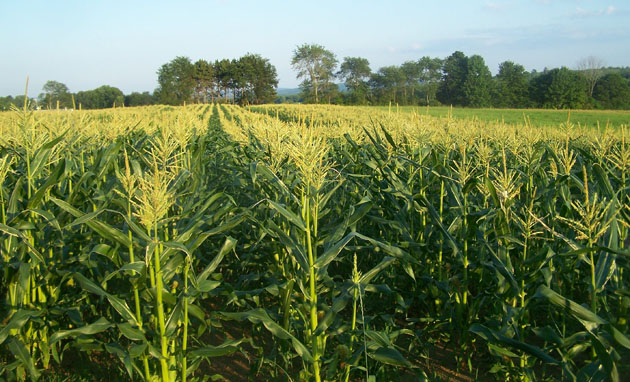
  • Crops made up 48 percent of output.
  • Inseparable secondary activities and agricultural services made up 10 percent.
  • Food industry revenues totaled €2.1 billion and remained at more or less at the same level as in 2019 and accounting for 16.4 percent of total revenue in manufacturing.
  • €1.4 billion-worth of agricultural products and food were exported from Estonia at current prices, while imports stood at €1.6 billion.
  • Fruit and vegetable producers were negatively affected by a delayed spring and extreme weather conditions.
Source - https://www.freshplaza.com
12.05.2026

India - Storms damage mango, watermelon, and vegetable crops in Jharkhand

High-velocity winds, heavy rainfall, and hailstorms across Jharkhand in recent days have caused damage to seasonal fruit and vegetable crops, including mangoes, watermelons, tomatoes, coriander, okra, and gourds.

12.05.2026

Canada - AFSC rethinking honey insurance programs offered to Alberta beekeepers

Despite offering coverage for everything from bear attacks to parasitic mites, Alberta’s honey insurance programs continue to see remarkably low participation rates among the province’s beekeepers.

12.05.2026

Myanmar - Bago Region CM attended the loan disbursement ceremony

Bago Region Government held the 2026 monsoon season agricultural input loan disbursement ceremony under the 100-Day Plan on the morning of May 12 at Bago City Hall.

12.05.2026

Rwanda - Subsidised insurance for greenhouse growers launched

Rwanda Agriculture and Animal Resources Development Board (RAB) on Thursday, May 7, launched a subsidised insurance for greenhouse agriculture to protect farmers against climate shocks, while encouraging investment in commercial agriculture. 

12.05.2026

Bangladesh - Tk7.50b Boro paddy spoilt by rains, flash flood in Sylhet

While the farmers in greater Sylhet are still continuing their high labour-intensive venture to harvest Boro paddy, about 40 per cent of the job is yet to be completed for the extensive inundation of their fields caused by incessant rainfalls and runoff.

12.05.2026

USA - USDA Offers Disaster Assistance to Agricultural Producers in Oklahoma Impacted by Recent Tornadoes

Agricultural operations in Oklahoma have been significantly impacted by recent severe weather and tornadoes. The U.S. Department of Agriculture (USDA) has technical and financial assistance available to help farmers and livestock producers recover from these adverse weather events.

11.05.2026

India - Erratic weather cuts Himachal Pradesh apple crop by up to 70%

Himachal Pradesh may face one of its lowest apple harvests in recent years, with growers reporting crop losses of up to 70% across major producing regions due to prolonged erratic weather.

11.05.2026

Mongolia Could Face Severe Economic Crisis From Overlapping Climate Shocks

A World Bank Group study warns that Mongolia could face a devastating economic crisis if collapsing coal exports, deadly dzud winters, and catastrophic urban floods strike together, potentially shrinking GDP by over 20 percent in three years.