In a bid to fight poverty and enhance productivity, small-scale farmers facing financial constraint and trapped in subsistence way of living should be integrated to the market. To realize this, the role of micro finance and insurance should be recognized. One of the bottlenecks in changing the life of the poor to better is lack of access to finance and credit.
Currently both public and private banks and insurance companies are flourishing. But, due to the rule of the game, their loan and insurance facilities are not accessible to the destitute because they have neither the property that can be utilized as a collateral nor the payment for premium. Hence, in order to fill the gap, regarding access to finance both in towns and rural parts of the country, saving and credit associations are established. They are serving their members in this regard.
The associations are established by the members and all activities are governed by the proclamation. Members are benefiting from credit services according to the amount they save. But unlike getting credit in towns for different ventures, purchasing agricultural inputs for the enhancement of productivity in small-scale farming needs more money, which is beyond their credit getting capacity. Hence, the involvement of micro insurance business in small farming is essential to boost farmers' moral and inspire them to do their work vigorously and to invest more in their farm.
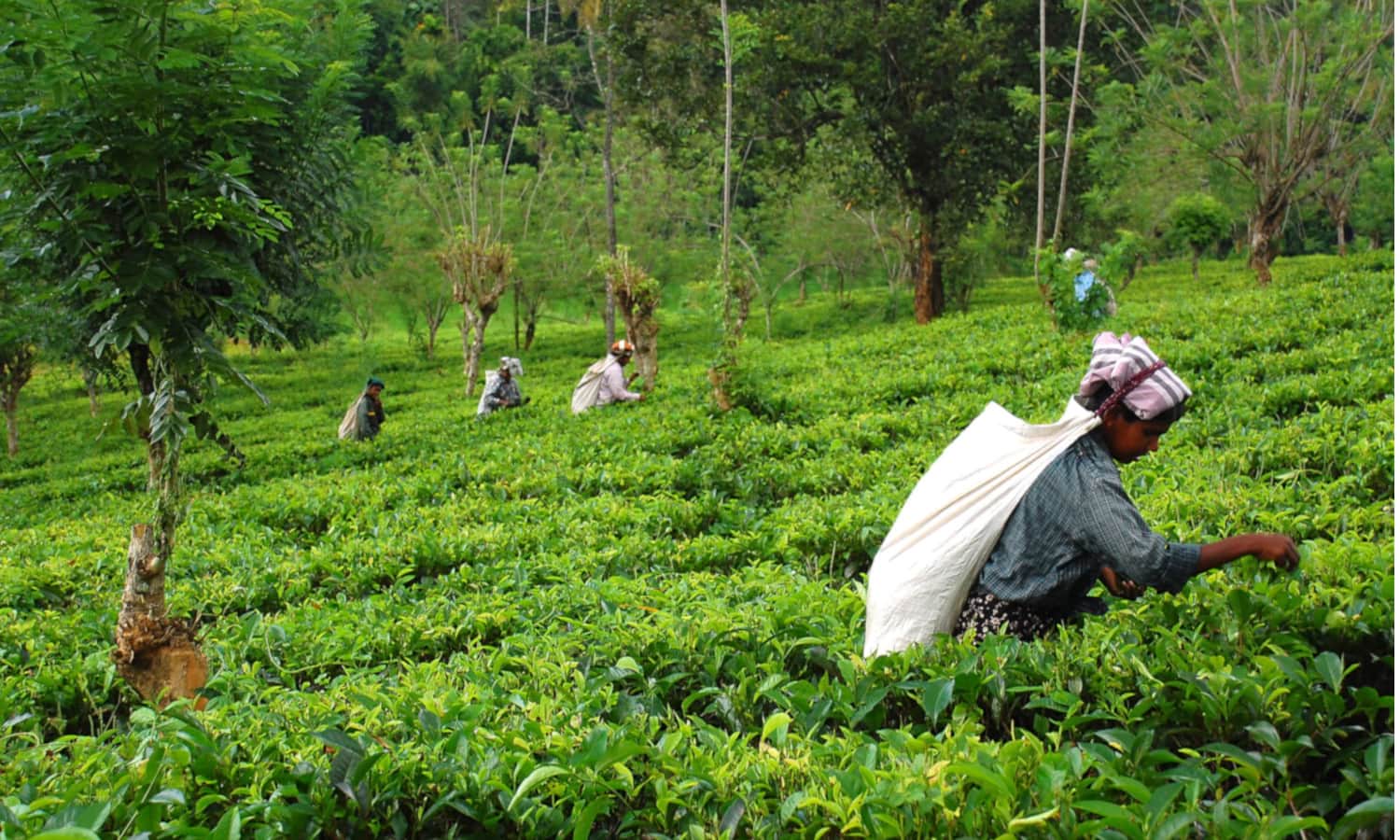
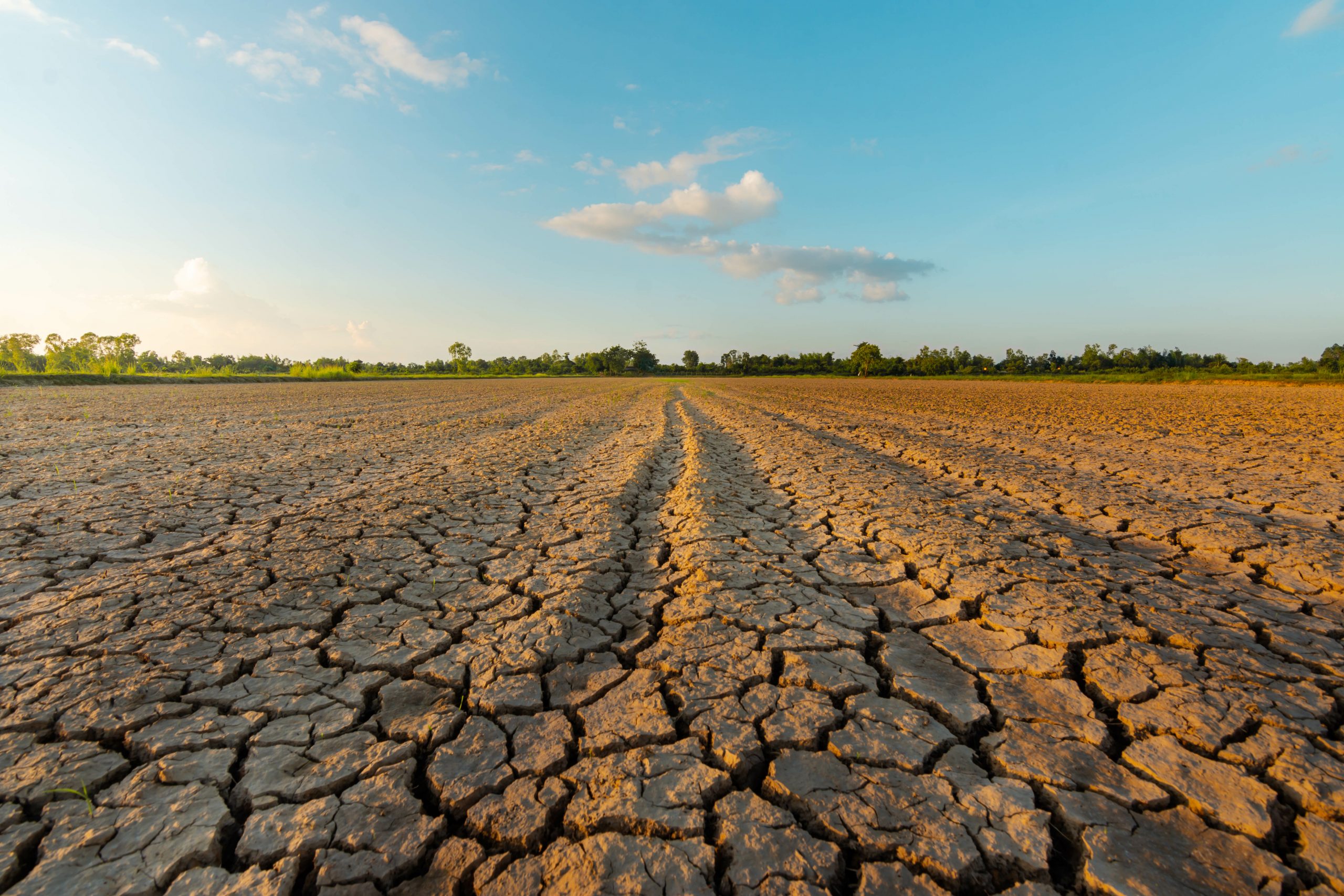
Of course small-scale farming is subsistence, vulnerable to drought and extreme weather conditions. It as well is subject to herbs and pests. When such disasters hits, the crop will be devastated. Unlike other sectors such as manufacturing the small-scale farming sector is beyond the control of farmers apart from being very risky.
Therefore, no one seems forthcoming in providing both finance and insurance service to the farmers. However, looking the long-term benefit and delivering corporate social responsibility some private companies with the cooperation of the government and numerous stake holders have been venturing to provide micro insurance services. And such sacred objective must be appreciated and other financial institutions should follow their footsteps.
Providing micro insurance to small-scale farmers needs the cooperation of all stakeholders and need pains taking decision. As it is known in the country agriculture is practised in different agro-ecological zones. Some parts get all year rainfall, others sufficient, while others in arid areas are frequently prone to chronic drought.
The availability of groundwater, soil type and the prevalence of pests and diseases very much vary. Hence all this should be studied and sorted out in order to determine the feasibility of the provision of micro insurance services. But such complicated task should not left for insurance givers only. It requires the involvement of the government, donors and research institutions. More and more financial and and technical assistance is essential.
Currently with the cooperation of stakeholders, micro insurance and the task of financing small-scale farms have been going on in several states. Pilot projects have been implemented in Tigray and Amhara states and from the year 2007 EC to 2009 EC more than 9250 small-scale farmers could be provided weather insurance for the damage caused by drought.
On the other hand, through the cooperation of UNDP in Gambella State for 313 and in Tigray State for 790 small-scale farmers weather insurance service worth 2.1 million birr is provided for the crop damage they recently suffered due to El Nino.
Similar to the small-scale crop production, the livestock sector need micro insurance and finance service. And up to now saving and credit association particularly in the lowland part of the country are not established. Hence the only way to financially reach them out is through micro insurance scheme and here the support of stakeholders is vital. Pastorals unlike sedentary farmers move from place to place in search of grazing land and water. In the drought-prone areas facing water shortage is a common phenomena. When rain fails, pasture for grazing will be in short supply.
The less integration of pastorals to the market further worsens the situation and due to lack of mitigation capacity in the part of pastorals, cattle meet their death in the wilderness. Of course currently to integrate pastorals to the market and to sell their cattle in time of desperation, the government has established livestock market facility, institutions, to the community so as to ward off loss the pastoral incur. The government is doing its level best with its limited capacity.
And enhancing such mechanism should be increased. Though it is the largest in Africa, the nation livestock population, due to backward and primitive production system, its contribution to the economy is insignificant. Hence, to tap the resource efficiently modernizing the sector can be taken as an option. And in this regard providing credit and financial service to the pastoral community can sustain their livelihood in the time of adversity. How ever, the provision of insurance is not as such simple. Unlike the sedentary farm, it should be supported by the information obtained form the satellite.
The satellite information indicates the place were sufficient water and grass is available and after analysing and interpreting the information by the professionals the insurance agreement is signed with the pastorals and in some parts of the country pastorals could purchase premium according to their financial capacity and when extreme weather condition occurs, they could save themselves and improve their livelihood. Currently such practice is continued in the eastern part of the country with the support of donors.
In sum, the provision of micro insurance service both for small-scale sedentary farmers and pastorals is still in its infancy level thus, it should be enhanced. Because in our context both way of life is vulnerable to risk caused by nature and when it developed, it can transform the sectors and long lasting solution can be reached.
Source - http://allafrica.com