
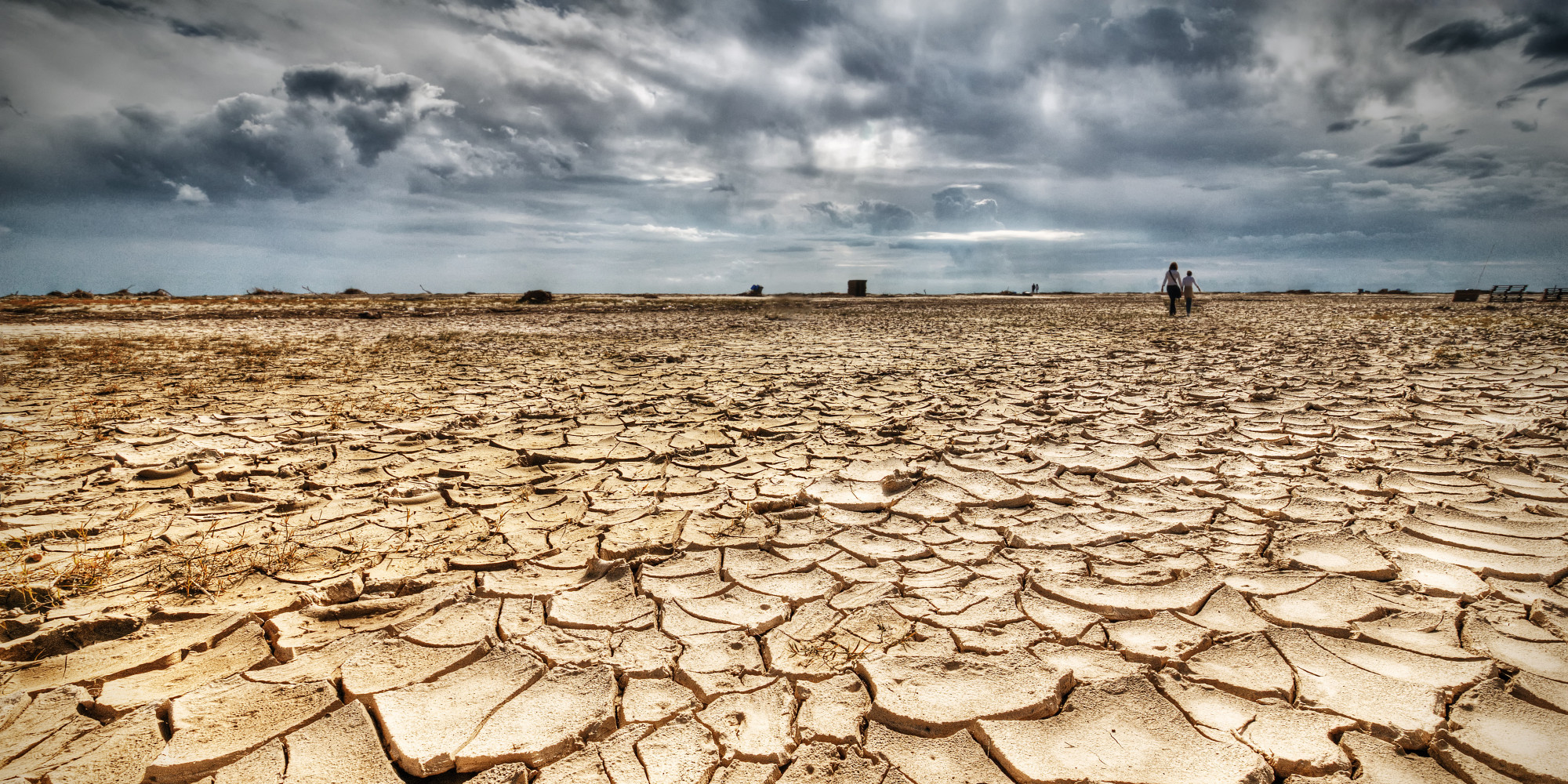
Ethiopia - Worst drought in 30 years decimates agriculture

12.07.2016 357 views
In the Ingal mountains that straddle the border with Eritrea, the effects of Ethiopia’s worst drought in more than 30 years are being felt. The failure of both the main rainy seasons last year had a devastating effect on an area where virtually every family lives off the land.
It has left almost every household dependent on food parcels from the Ethiopian government and, by prompting many young men to conclude they must leave, it has caused a surge in the number attempting long and dangerous journeys, primarily to Saudi Arabia, South Africa and Europe, in search of work.
Of 962 households in the village of Agere Lokema, 40km from Adigrat, 286 are headed by women.
“We women would migrate as well if we thought we could find work,” says Abeba Teklehaymanot.
At night, when the children sleep and the temperature dips, Teklehaymanot joins teams of locals working to irrigate land – part of a project, co-run by Trócaire, aimed at diverting water for use by the community.
Further down the valley, the work is beginning to bear fruit: a series of stone and wire-mesh dams has trapped water and increased soil fertility, allowing livestock to feed and landless families to plant crops.The topsoil is thin; even a good harvest will feed families for just six months.
But the effects of the current drought are being felt far more widely. Together, the two main rainy seasons supply over 80 per cent of Ethiopia’s agricultural yield and employ 85 per cent of the workforce.
The alarming shortage of rain in the past year has left 10.2 million people in need of emergency food aid and put 18 million – close to a fifth of the population – at risk.
The reasons for the current shock are largely outside Ethiopia’s control. El Niño, a water-warming weather pattern that occurs in the Pacific Ocean every two to seven years, sets off a global ripple effect, causing unusually heavy rain in some parts of the world and drought elsewhere.
Source - http://www.freshplaza.com

04.06.2026

India - Delhi raises crop damage compensation after 10 years by over 50% to Rs 75,000 per hectare

In a major relief for farmers, the Delhi government has increased compensation for crop loss caused by rain and hailstorms from Rs 20,000 per acre to Rs 75,000 per hectare.

04.06.2026

Why Tech-Driven Agro-Insurance Has Stumbled in Ethiopia

For decades, Ethiopia’s agricultural sector has remained trapped in a dangerous paradox. 

04.06.2026

UK - Rural crime cost Wales £2.2m last year despite fall in offences

Rural crime cost Wales an estimated £2.2 million last year, with organised criminals continuing to target tractors, livestock and farming equipment despite an overall fall in offences, according to a new report.

04.06.2026

Kenyan Agro-Insurance Startup, Pula Raises US$ 20 Million in Series B Round

Pula, a Kenyan startup that offers insurance to small-scale farmers, aims to serve more than 100 million farmers in Africa after raising US$ 20 million in its Series B round. 

04.06.2026

USA - USDA announces $52M to boost public access to private lands for hunting, fishing

The U.S. Department of Agriculture is announcing $52 million to help state and tribal governments encourage private landowners to allow public access to their land for hunting, fishing and other wildlife-dependent recreation through the Voluntary Public Access and Habitat Incentive Program (VPA-HIP). 

04.06.2026

Hope Grows in Malawi’s Grain Stores as Farmers Battle Post-Harvest Losses

Some grain rots in poorly ventilated storage. Some is eaten by pests. Some is damaged during drying or transportation before it ever reaches the market.

03.06.2026

Canada - AFSC extends several northern Alberta seeding dates for 2026

Alberta’s Agriculture Financial Services Corp. (AFSC) is extending the recommended seeding dates in the province’s northeast, northwest and Peace regions for several crops for the 2026 growing season only.

03.06.2026

India - Elephants run amok in Konaje agricultural farm, cause massive crop damage

A herd of elephants, including calves, wreaked havoc on an agricultural farm belonging to Yashodhara Gowda at Pallattadka in Konaje village of Kadaba taluk.




