


France - Hail strikes Bordeaux's right bank
23.04.2020 970 views
Late in the afternoon of April 17, a wave of thunderstorms hit the Bordeaux region, pummeling vineyards in the Entre-Deux-Mers and the Right Bank with hail. In some areas, within minutes nearly all the developing buds were damaged, meaning a small harvest this year.
"The worst was the first thunderstorm. It traversed the Entre-Deux-Mers, St.-Emilion, Castillon and ending in Bergerac," said Philippe Abadie, director of business services at the Gironde Chamber of Agriculture. "In the heart of the storm, we estimate at least [1,500 to 2,000 acres] suffered more than 80 percent crop loss, and for some the loss was 100 percent."
Another storm hit St.-Estèphe and Pauillac the following day, but the mix of rain and hail had a much less severe impact. Little damage was reported. But the April 17 storm could leave hundreds of estates in difficulty.
"Thousands of other hectares were hit but it's too early to tell the impact on the potential harvest," said Christophe Chateau, director of communication for wine trade group CIVB. "The damage won't have an impact on the global yield for the Gironde region but certain estates have been severely impacted. The worst damage is in Entre-Deux-Mers and the Côtes de Francs."
Cyrille Thienpont, who works with his father, Nicolas Thienpont, as a manager and technical director at their estates, told Wine Spectator that he'd gone to see the damage for himself as soon as he was alerted to the storm. In St.-Emilion, Nicolas manages châteaus Pavie Macquin, Larcis Ducasse and Beauséjour Duffau-Lagarrosse (Cyrille assists with the first property, David Suire with the latter two). Their estates in St.-Emilion suffered some minor damage—not enough to compromise the crop—but what he saw heading west to the Francs region was devastating. This is where the Thienpont family owns châteaus Puygueraud, Les Charmes-Godard, and La Prade.
"Honestly, we're still in shock," said Thienpont. "It's difficult to say exactly how much damage there is, but in some areas it's total. We've lost the harvest."
At Puygueraud, Thienpont estimates that roughly a third of the 84 acres under vine were destroyed. Nevertheless, he remained optimistic that they would come through this. "We know what to do to assure a crop. We've had hail and frost in the past. We'll do our best to make sure that what little there is of Puygueraud provides pleasure."
Elsewhere in Francs, cousin Jan Thienpont, president of the Francs syndicate and owner with his brother Florian of Château Clos Fontaine, saw his crop disappear under a brutal onslaught of hail the size of large marbles. "We lost 100 percent at Clos Fontaine. Unhappily, we are in one of the most devastated areas, St.-Cibard. But at the other estate I own with my brother, Château Robin in Castillon, we're OK."
Consulting enologist Pascal Chatonnet told Wine Spectator, "The lower part of St.-Emilion was lightly impacted, St.- Etienne a little more, St.- Christophe, St.- Sulpices very lightly. But the more we head toward the southwest, the more critical it becomes—the Côtes de Francs destroyed."
Maps provided by the Chamber of Agriculture show that the most severely impacted areas are Daignac, Grézillac, St.-Leon and La Sauve in the Entre-Deux-Mers, with less damage toward Moulon, crossing the Dordogne and hitting St.-Etienne de Lisse, St.-Christophe des Bardes, then striking particularly hard in sections of Puisseguin, St.-Cibard in Francs, then farther east in Ste.-Radegonde, Juillac and Flaujagues.
In Castillon, Yannick Sabaté, owner of Château Fontbaude and president of the Castillon Côtes de Bordeaux syndicate, told Wine Spectator, "Most of the damage was in the north of the appellation. Some of the growers I spoke with lost 80 percent of their crop." He said those growers have insurance, but that doesn't solve the problem of supplying their customers.
There is also a chance the timing of the storm could leave hope for a small crop from damaged areas. "We're lucky that it happened so early," said Jan Thienpont. "Unfortunately, the vines are really early as well—two weeks in advance—but still, we're in the budbreak and many of the buds have not yet emerged. This is the big hope."
The timing of the storm has caught many by surprise. "I've been here for years. It's exceptional to have a hailstorm so early in the season," said Abadie. "We'll watch how the vines react during the coming weeks." They will be fragile in terms of vine disease. "For instance, there is a risk of coulure during flowering. We'll just have to wait and see."
An official survey of the damage will be organized most likely in May when the impact on the vineyards will be more apparent.
Source - https://www.winespectator.com
EVENTS

ScaleAgData Stakeholder Engagement Event
22.10.2024The ScaleAgData project is pleased to invite you to our second stakeholder event. Building on the discussions and connections formed during our first webinar, this event will focus on fostering collaboration among stakeholders, providing updates on our project’s progress, and outlining future opportunities for engagement.
RISK EVENTS

Moldova - May frosts caused heavy damage to fruit orchards
10.05.2026The first frosty nights of May have significantly worsened estimates of damage to Moldova's fruit sector from spring frosts. According to initial assessments by fruit market operators, between a quarter and a third of the country's total orchard area was seriously affected.
27.10.2026
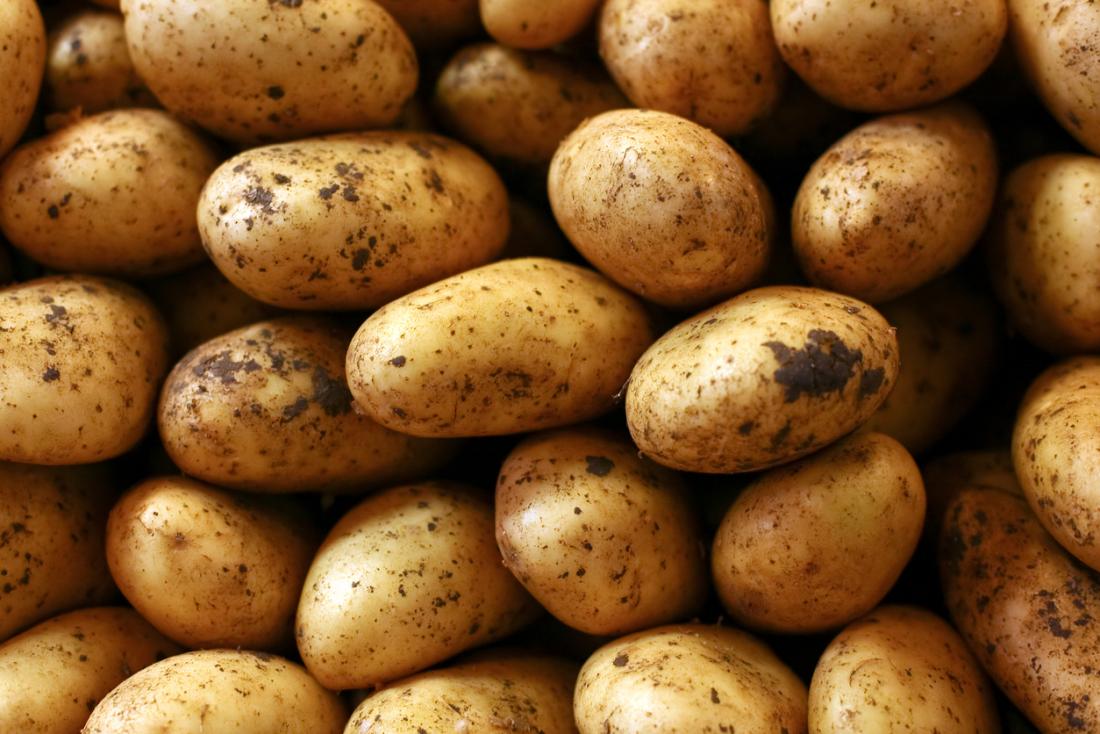
USA - Potato breeding research targets reduced handling damage and crop losses
Potato breeding research is examining how tuber characteristics influence damage during harvesting, storage, grading, and packing. The objective is to increase marketable yields while maintaining crop quality and meeting market specifications.
27.10.2026
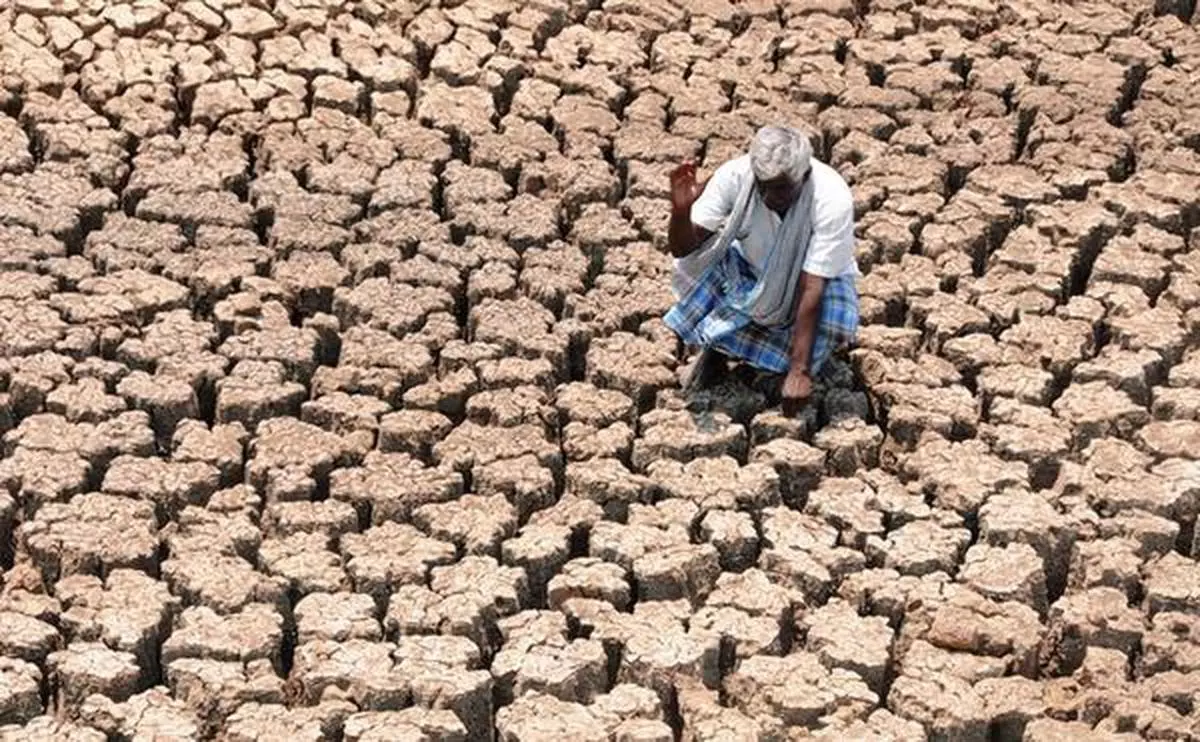
India - Gujarat Drought Relief Triggers Farmer Backlash Over ₹8,500 Aid
Gujarat’s drought relief package has triggered opposition from farmer leaders in Dwarka, who say the proposed assistance of ₹8,500 per hectare is inadequate and have announced a possible agitation from November 12 if the government does not revise the eligibility and assistance norms.
27.10.2026
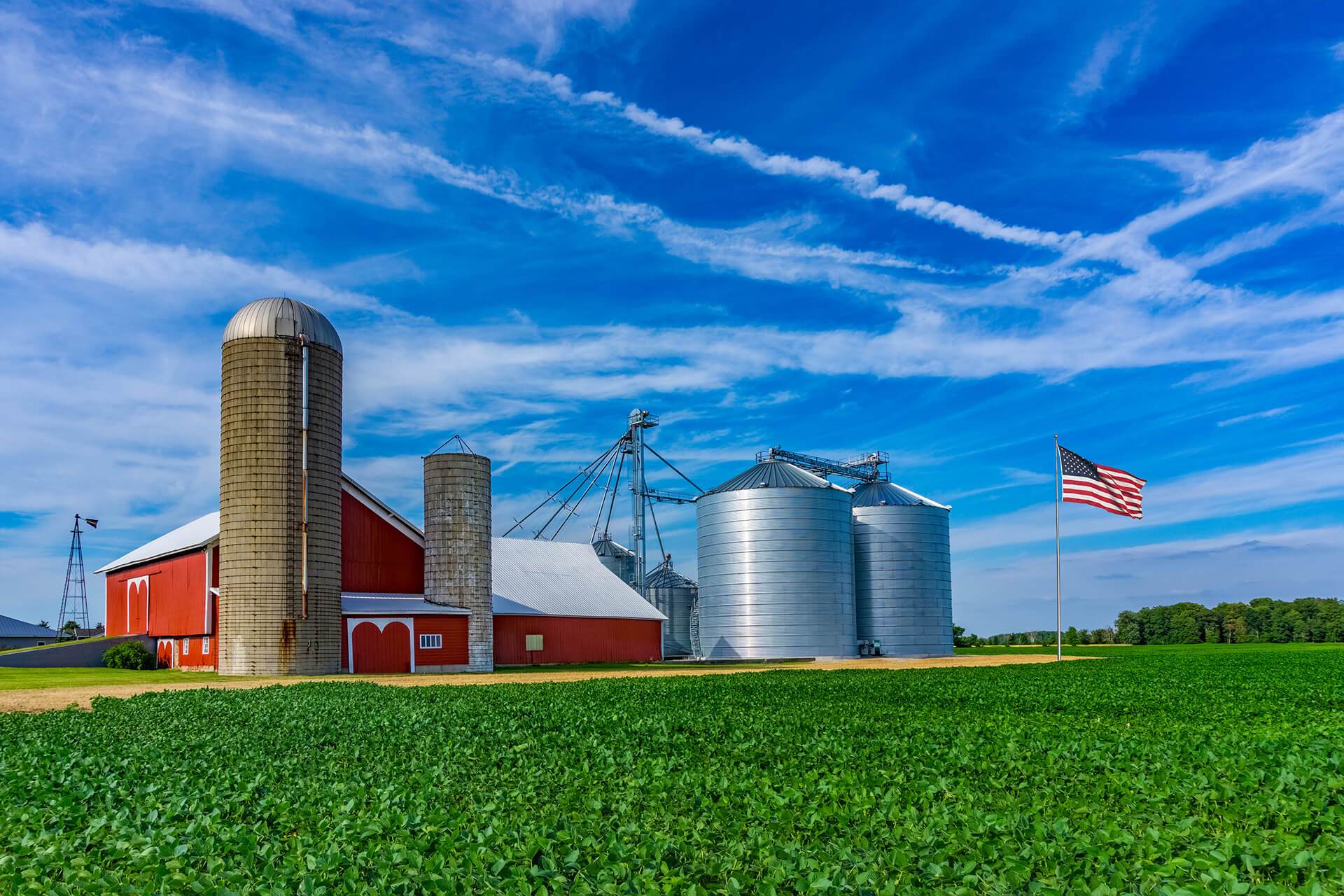
USA - Fall Covers for Spring Savings incentive program returns
The Illinois Department of Agriculture is launching the eighth year of its Fall Covers for Spring Savings Program.
27.10.2026
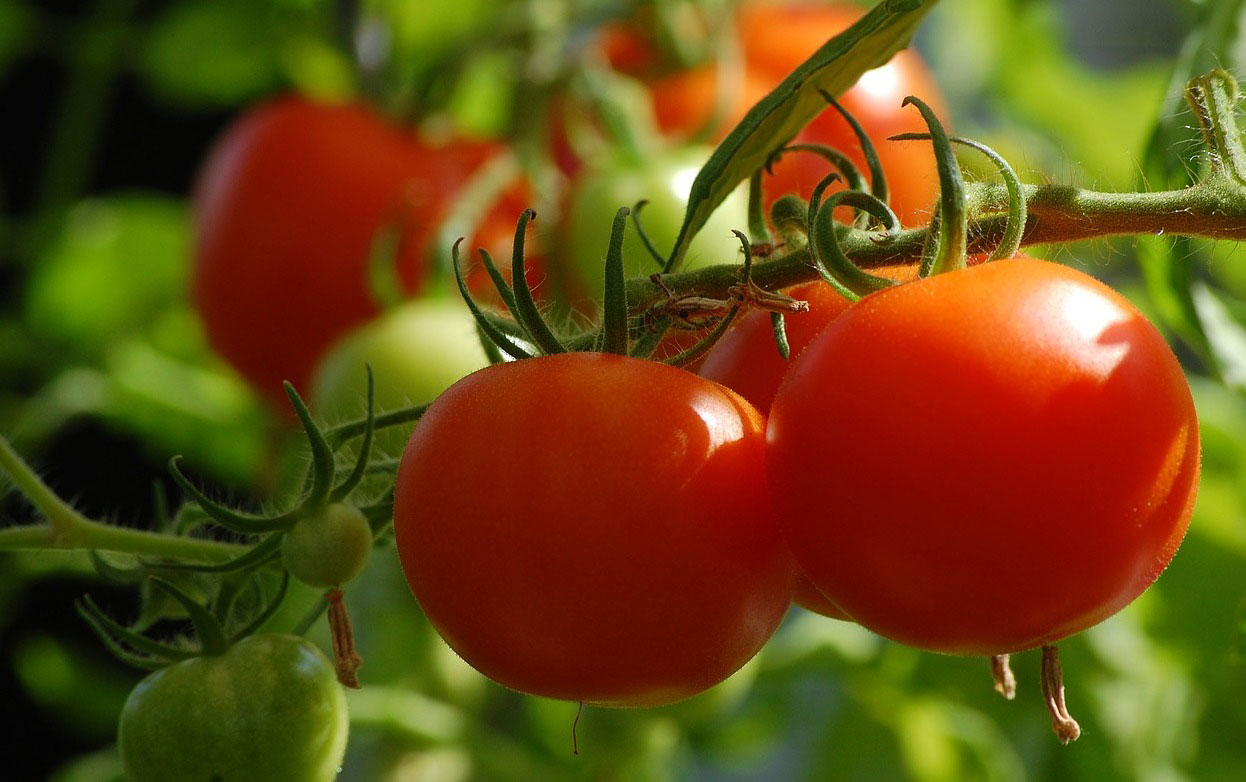
India-Ghana Agricultural Pact targets tomato production, crop research and post-harvest losses
Five-year ICAR–CSIR-CRI agreement puts vegetable research, tuber processing, cold-chain technology and commercialisation at the centre of India-Africa agricultural cooperation.
27.10.2026

India - Tandur Gram Crop Withers Amid Water and Power Shortages
Tandur gram received the Geographical Indication (GI) tag in December 2022, recognising its distinctive identity and quality. However, farmers who cultivate the crop are now struggling to save their produce amid unfavourable conditions.
27.10.2026
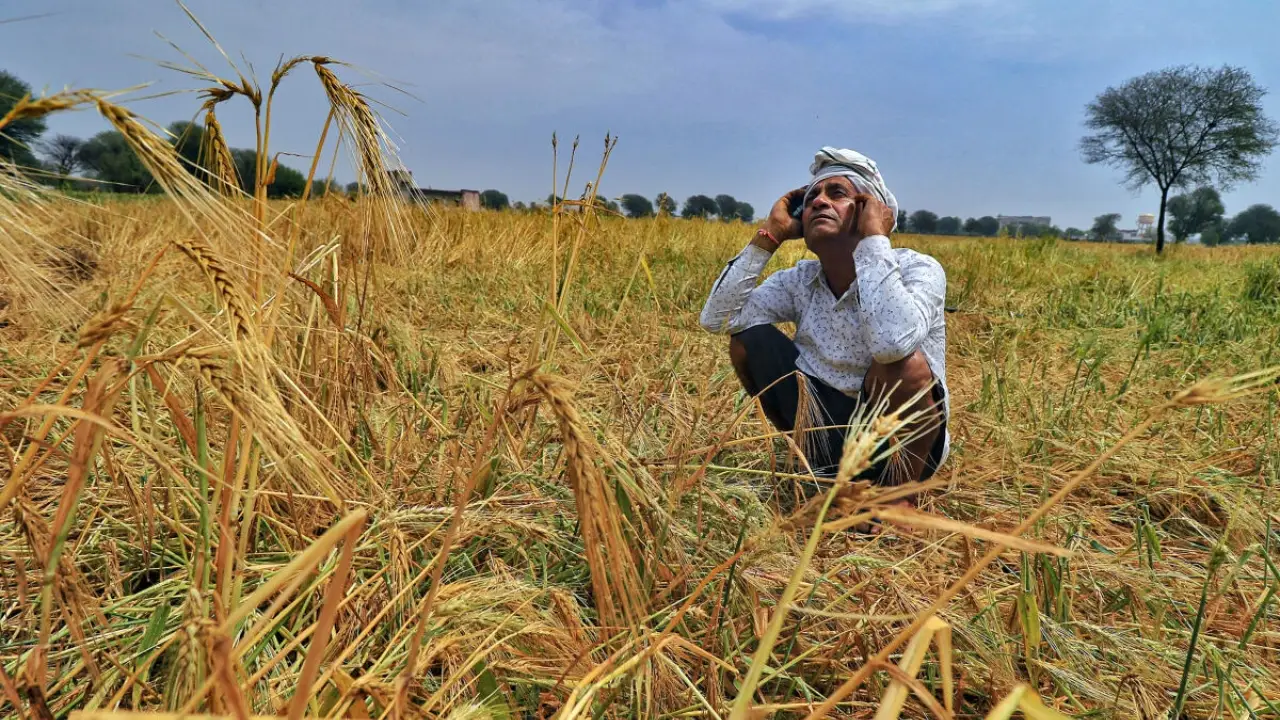
India - Odisha Issues Show-Cause Notice to 6 ADMs Over PMFBY Data Lapses
The Cooperation Department of Odisha has issued show-cause notices to the Additional District Magistrates (ADMs) and PMFBY Nodal Officers of six districts for severe negligence in uploading Crop Cutting Experiment (CCE) data under the Pradhan Mantri Fasal Bima Yojana (PMFBY).
26.10.2026
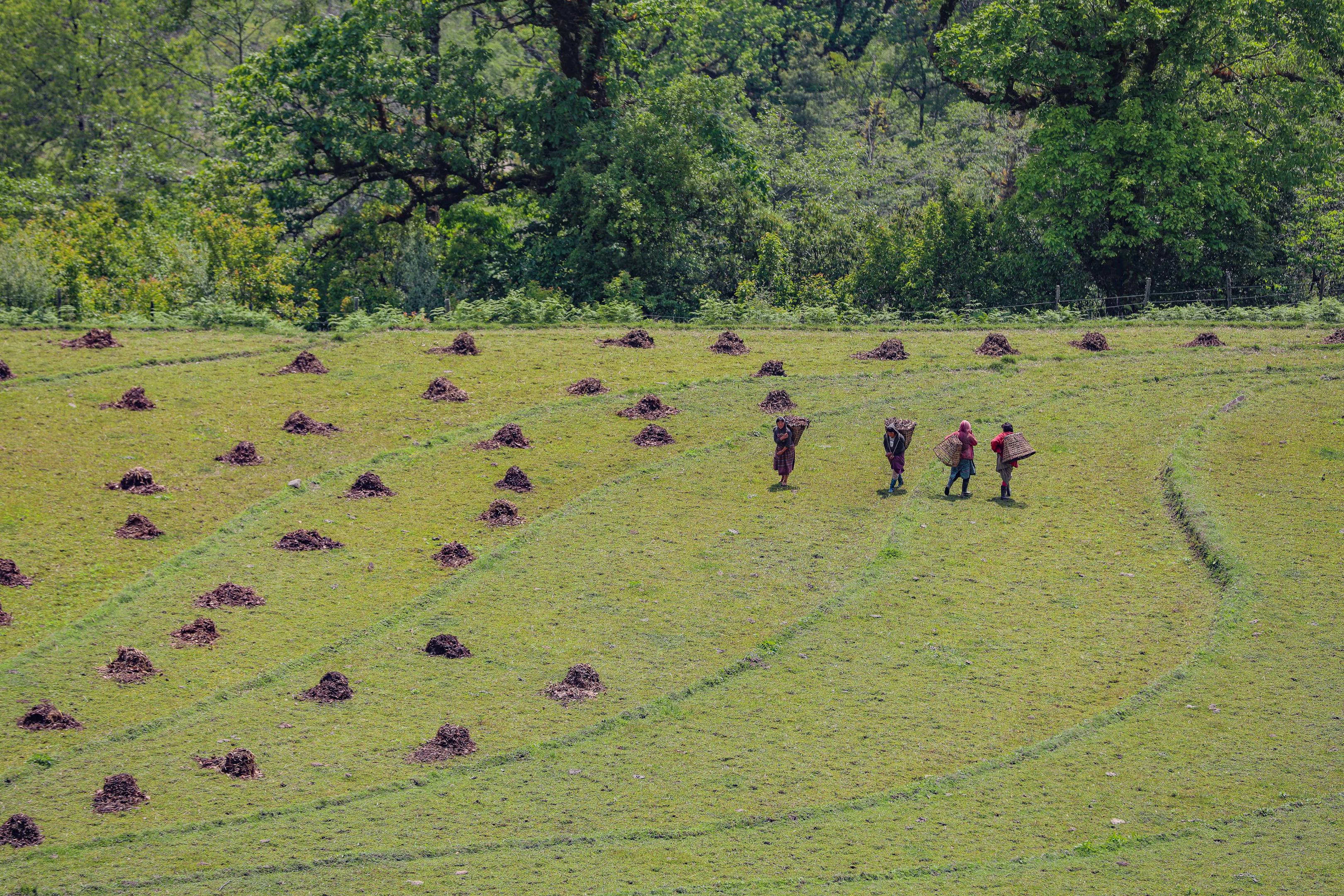
Malaysia studies expanding crop insurance to other agricultural sectors
The government is assessing steps to expand the crop insurance scheme as the agricultural sector faces increasingly significant risks from natural disasters and extreme weather. A comprehensive study is needed before the scheme can be extended beyond rice crops, including to examine how premiums should be paid and losses assessed.
26.10.2026
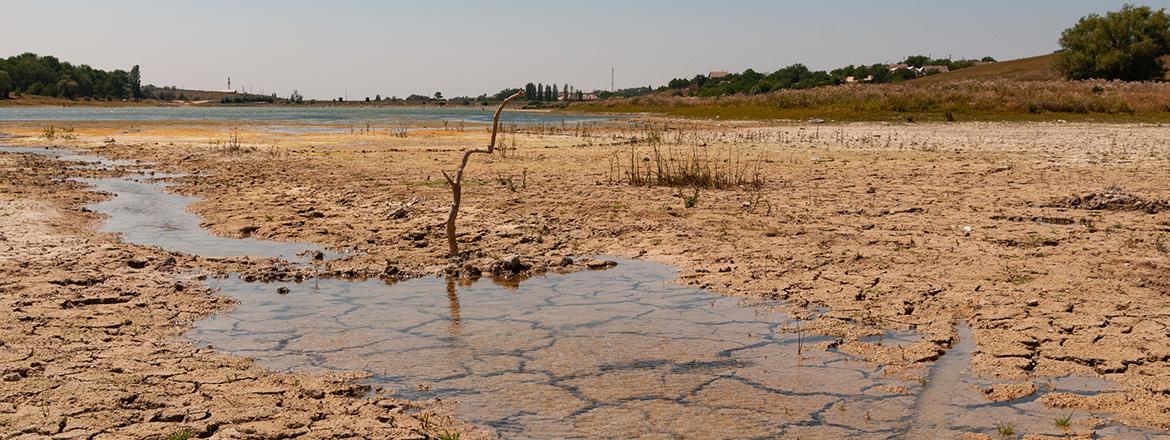
Crop losses from recurring droughts ‘shrinking Poland’s economy and impacting businesses’
A new report has found that lower crop yields significantly affect industries beyond agriculture, including trade and transport.
