

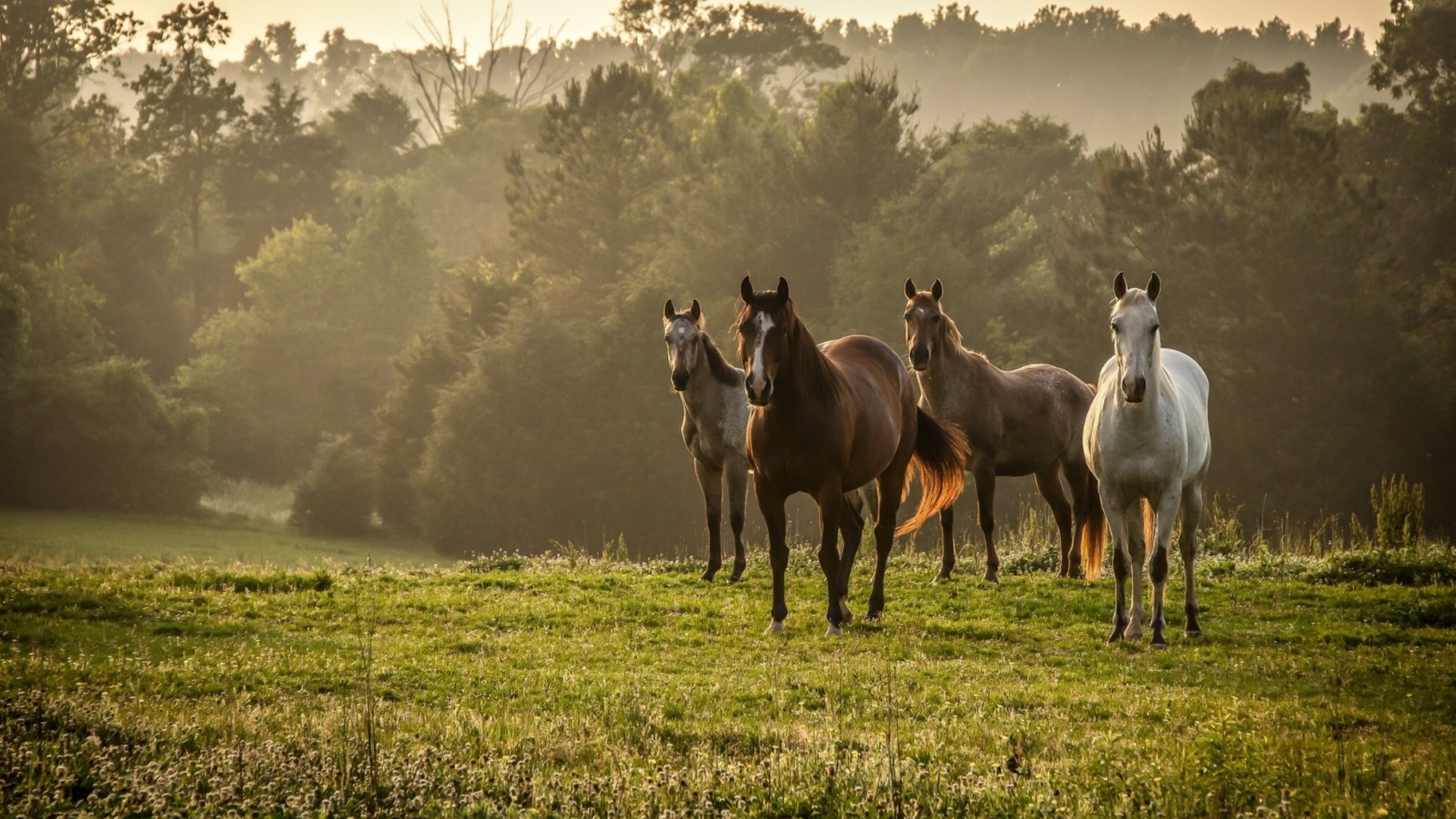
On a sunny May day last year, with not a cloud to mar the blue sky, Kishan Kumar opened the barn doors and led the whinnying horses and nickering foals out. They joined the steady stream of equine traffic in the narrow alley of Sagnam village on the banks of River Pin in the Spiti region of the northern Indian state of Himachal Pradesh.
People moved aside to give way. The meditative eyes of the Buddha gazed from the walls of houses and shops as they walked past. They crossed a frozen section of the river and climbed up into the hills in the western margin of the Tibetan plateau.
After an hour’s walk, the men accompanying the animals stopped. With a last look around, they left the horses to their devices and returned. The animals would free-range for the following months with no human in sight.
By the time spring turns to summer, trickles of snowmelt course down the mountains, transforming River Pin, which separates the village from its pastures, into a roaring river. The currents are too strong to wade through, and horses are skittish about walking on rickety bridges spanning the river. So the villagers have no choice but to let the animals free-range.
Kumar and his community worry about losing horses during the summer months. The culprits aren’t horse rustlers but snow leopards and brown bears. The predators pick the time and place of attack with impunity.
Leaving animals to free-range may seem cavalier, but the community has little choice because they must work elsewhere to make ends meet. To cover their losses, people insure their horses. But there’s no insurance company involved. Instead, villagers run their own scheme, an innovative insurance program that compensates owners for the loss of their precious horses.
These are, after all, not ordinary horses.
For centuries, ancestors of Kumar transported salt, carpets, and silks over the high mountain passes between Tibet and India on the backs of these muscular Chamurti horses. Spiti became the Indian homeland of this indigenous breed after the 1962 Sino-Indian War ended trade with Tibet. Sagnam, the largest village in Pin Valley, owns the largest number of the horses.
In the old days, Changpa traders from neighbouring Ladakh purchased most of these descendants of the Prezwalski’s horse that run wild across the steppes of Central Asia. They valued the breed’s unique ability to work hard in the thin mountain air. While man and any other beast can become breathless and nauseous, neither snow nor heat fazes these animals. The tough beasts of burden climb rocky mountainous paths without stumbling, while their natural gait allows horsemen to stay in the saddle for hours.
 The River Pin separates horse pastures from the village.(Janaki Lenin)[/caption]
Demand for the ponies shot up in 2012, when the Indo-Tibetan Border Police sought these steeds for deployment along India’s mountainous borders. Inhabitants of Pin Valley began rearing more horses for the market. With higher profits at stake, the loss of animals to predators hurts more.
Kumar had a lot of aspirations riding on his animals. If all went well, in November, his three-year-old colts would fetch a good price, between Rs50,000 and Rs80,000 each. A stallion can sell for as much as Rs1,50,000 at the Lavi Fair in Rampur Bushahr, 300 km away. For most of the 300-year-old fair’s history, merchants from Tibet, Afghanistan, Ladakh, and Kinnaur gathered there. These traders from neighbouring countries no longer visit, but it still remains the largest trade festival in the western Himalayas.
When horses fetch such high prices, one would expect people to watch over them. Until a decade ago, families took turns camping in the meadows and guarding the horses in the summer months. But this changed when they began cultivating green peas as a cash crop for high profits. Members of every family worked flat out in the fields. Once a week, someone from the village trekked up to collect dung and check on the animals.
Notwithstanding the minimal oversight of their animals, villagers outside Pin Valley admire the horse breeders of Sagnam. “They value their horses greatly,” says Tanzin Thinley, a villager from Kibber, 50 km away, a regular visitor to Sagnam. “When their mares are pregnant in winter, they sleep next to them. They take care of their animals’ every comfort. We don’t do so much work.”
For a breed so highly prized, the Himachal Pradesh Forest Department paid a measly Rs1,500 as compensation for the death of a horse until 2014. This was hardly any succour for the embattled villagers. In autumn, they slogged from dawn to dusk for days to gather enough forage to feed the horse throughout the six-month-long winter. This naturally caps the number of horses a family can own. They also set aside their own comforts to make sure their animals lacked for nothing. Although they don’t estimate their investment in man-hours, they scoffed at the state’s meagre offering.
The long-winded bureaucratic process also tried the patience of villagers, and they detested the long bumpy bus ride to Kaza, the sub-district headquarters, to file their claims. Eventually, their frustration with the department and helplessness in preventing losses aroused hostility against wildlife.
Source - http://qz.com










