

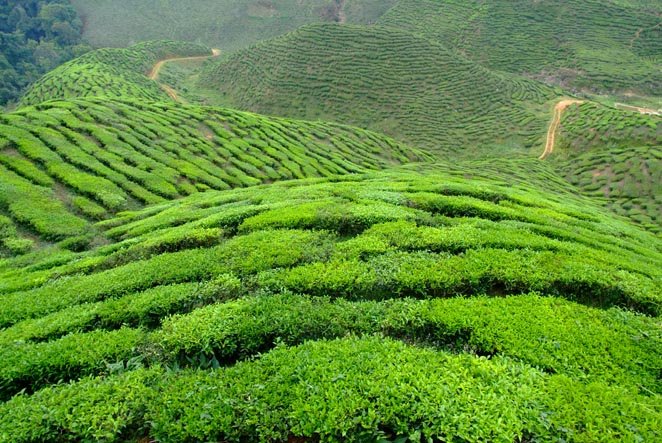
India - Climate change makes the going tough for Assam tea sector
13.05.2016 308 views
Assam’s tea sector has, of late, been facing the brunt of climate change in the form of extreme weather conditions — either a drought-like situation or high-intensity rainfall.
The state’s tea sector, which had a good start this year with “above-normal” crop harvest in March, saw a dip in production the next month due to excessive rainfall. Industry sources say the dip in April’s production could be as high as 30-35 per cent and production of first flush (generally till April or mid-May) could be 34 million kg against 44 million kg produced in 2015. Many tea gardens in Brahmaputra valley battle the problem of water logging due to high intensity rainfall.
Tea crop loss for a short duration of time every year due to extreme weather conditions has more or less become a normal feature of late. If it is excessive rainfall this year, it was drought-like condition in past three years which affected tea production in Assam. In 2012, excessive rainfall coupled with pest attacks made the going tough for the state’s tea sector.
Studies indicate that Assam, particularly the Brahmaputra valley, has been witnessing ‘significant’ changes in rainfall pattern and temperature in recent years.
A study on climate change, done by the Indian Institute of Technology (IIT) Guwahati, found the state has been witnessing long rainless spells or high intensity rainfall of short duration in recent years. The study, conducted by Arup Kumar Sarma, found that water logging and soil erosion in tea gardens — due to short-duration, high-intensity rainfall — were the two major challenges of ‘alarming nature’ for the state’s tea sector.
“A significant variation in total yearly rainfall with time has been seen in almost all districts (of Assam). Such variation in rainfall will definitely have some impact on various sectors of economy,” the study noted.
An earlier study conducted by the Tocklai Experimental Station of Tea Research Association, based in Jorhat in Upper Assam, to gauge the impact of climatic changes on the tea sector, too, had revealed similar details. The study had found the average minimum temperature in Assam had risen by one degree Celsius in the past 90 years. Besides, the region lost around 200 mm rainfall because of climatic changes.
Another study by the Centre for Environment Social and Policy Research, and Rashtriya Gramin Vikas Nidhi in collaboration with Indian Network on Ethics and Climate Change found that six districts of Assam — Dibrugarh, Jorhat, Lakhimpur, Sonitpur, Morigaon and Baksa - spread across the Brahmaputra valley have already started experiencing the impact of climate change.
“We in the tea industry do not want to talk about climate change and its impact on us. It might be due to business considerations. But, it is true that it is affecting us and we have to find remedial measures to tackle it. We cannot let the quality of Assam tea go down,” said Dipanjol Deka, secretary of Tea Association of India.
However, if one goes by the annual production figures of the Assam tea sector, it throws baffling details. Figures say production has been on an upswing in recent years. The tea sector, which was struggling to touch the 500 million kg annual production mark till 2010, has been posting annual production figures above 600 million kg since 2013.
The state’s tea sector puts forth the ‘make-up in later months’ theory. This means, after the extreme weather phase subsides, production picks up and the industry catches up with the loss. However, some have a different take as they believe the increase in production could be possible due to the recent growth in number of small tea growers.
“It is only because of the growth in the number of small tea growers that we are able to post bumper production figures these days. The production graph has been more or less stagnant for large and medium sized tea estates. Had there been no small tea growers, the production scenario would have been very different,” said an industry insider. Assam has nearly 70,000 small tea growers and they contribute around 25 per cent of the total tea produced in the state and 14 per cent of total tea produced in India.
Pranab Kumar Sarma, a tea expert who formerly worked with Tezpore Tea Company, said climate change could affect the quality, if not quantity, of tea. “Tea industry is affected by climate change and there is no denying the fact. There is no drastic dip in production, but the changes in weather can bring down the quality of Assam tea.”
However, Sarma added modernising tea factories and extensive use of technology in factories could help retain Assam tea’s distinct quality.
The IIT study, cited above, found that Golaghat district, which is often considered the world’s best tea producing area, has of late been suffering from long spells of drought-like conditions. On the other hand, it also often experiences high-intensity rainfall, leading to erosion or water logging. The study also revealed that both maximum and minimum temperature has an increasing trend in Tinsukia, Golaghat and Karbi Anglong districts.
According to Deka, many of the big tea gardens in areas that are often hit by rainless weather condition have woken up to the climate change challenge. They have begun investing on irrigation facilities and in acquiring new technologies for tea factories. The tea industry has been demanding the state government to come up with an irrigation scheme for it and also partly subsidise it. “What appeared a distant need some years back has now almost become a necessity for survival for us,” Deka added.
Bidyananda Barkakoty, advisor to North Eastern Tea Association, said the state government should commission a study to ascertain which irrigation system is better for tea gardens. He said some studies have shown drip irrigation — which is also less expensive — to be suitable for tea gardens.
Sarma, who believes water logging in gardens is a bigger threat than rainless weather conditions, cited a study to say that around 70 per cent of the tea gardens in Sivasagar, Dibrugarh, Darrang, Sonitpur and North Lakhimpur districts were prone to this problem.
Source - business-standard.com
EVENTS

ScaleAgData Stakeholder Engagement Event
22.10.2024The ScaleAgData project is pleased to invite you to our second stakeholder event. Building on the discussions and connections formed during our first webinar, this event will focus on fostering collaboration among stakeholders, providing updates on our project’s progress, and outlining future opportunities for engagement.
RISK EVENTS

Moldova - May frosts caused heavy damage to fruit orchards
10.05.2026The first frosty nights of May have significantly worsened estimates of damage to Moldova's fruit sector from spring frosts. According to initial assessments by fruit market operators, between a quarter and a third of the country's total orchard area was seriously affected.
04.06.2026

India - Delhi raises crop damage compensation after 10 years by over 50% to Rs 75,000 per hectare
In a major relief for farmers, the Delhi government has increased compensation for crop loss caused by rain and hailstorms from Rs 20,000 per acre to Rs 75,000 per hectare.
04.06.2026

Why Tech-Driven Agro-Insurance Has Stumbled in Ethiopia
For decades, Ethiopia’s agricultural sector has remained trapped in a dangerous paradox.
04.06.2026
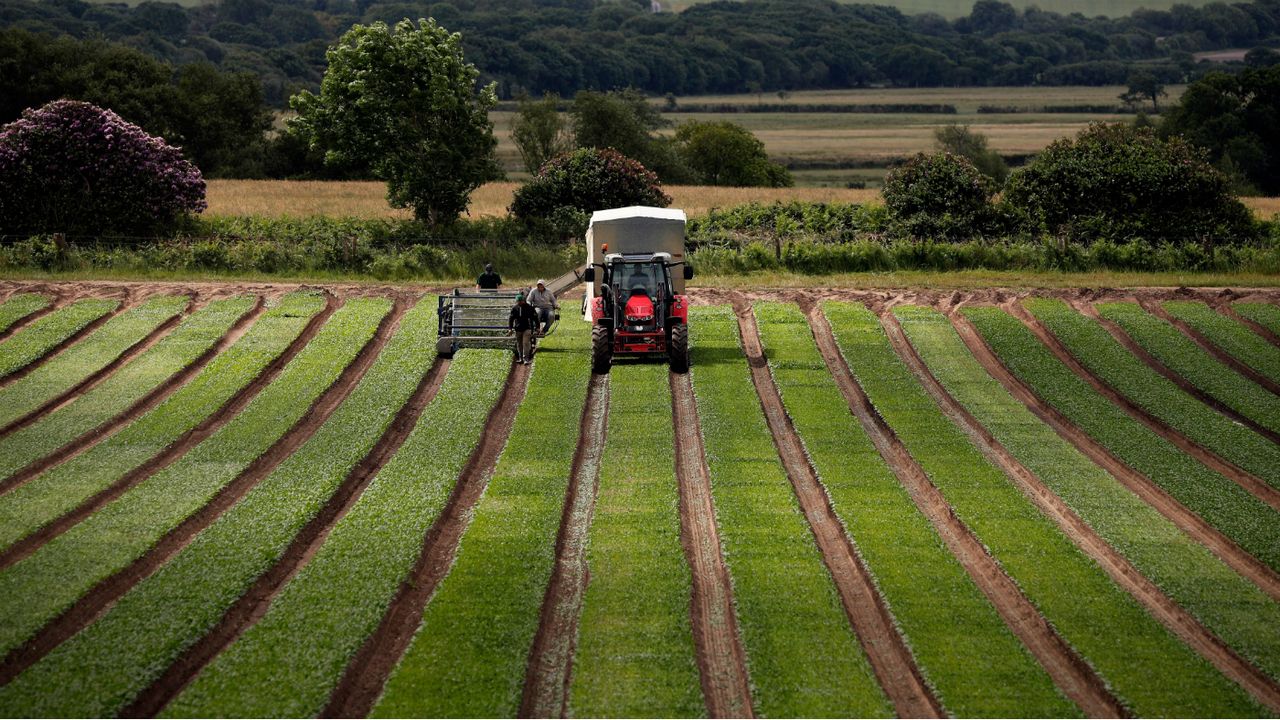
UK - Rural crime cost Wales £2.2m last year despite fall in offences
Rural crime cost Wales an estimated £2.2 million last year, with organised criminals continuing to target tractors, livestock and farming equipment despite an overall fall in offences, according to a new report.
04.06.2026

Kenyan Agro-Insurance Startup, Pula Raises US$ 20 Million in Series B Round
Pula, a Kenyan startup that offers insurance to small-scale farmers, aims to serve more than 100 million farmers in Africa after raising US$ 20 million in its Series B round.
04.06.2026
USA - USDA announces $52M to boost public access to private lands for hunting, fishing
The U.S. Department of Agriculture is announcing $52 million to help state and tribal governments encourage private landowners to allow public access to their land for hunting, fishing and other wildlife-dependent recreation through the Voluntary Public Access and Habitat Incentive Program (VPA-HIP).
04.06.2026

Hope Grows in Malawi’s Grain Stores as Farmers Battle Post-Harvest Losses
Some grain rots in poorly ventilated storage. Some is eaten by pests. Some is damaged during drying or transportation before it ever reaches the market.
03.06.2026
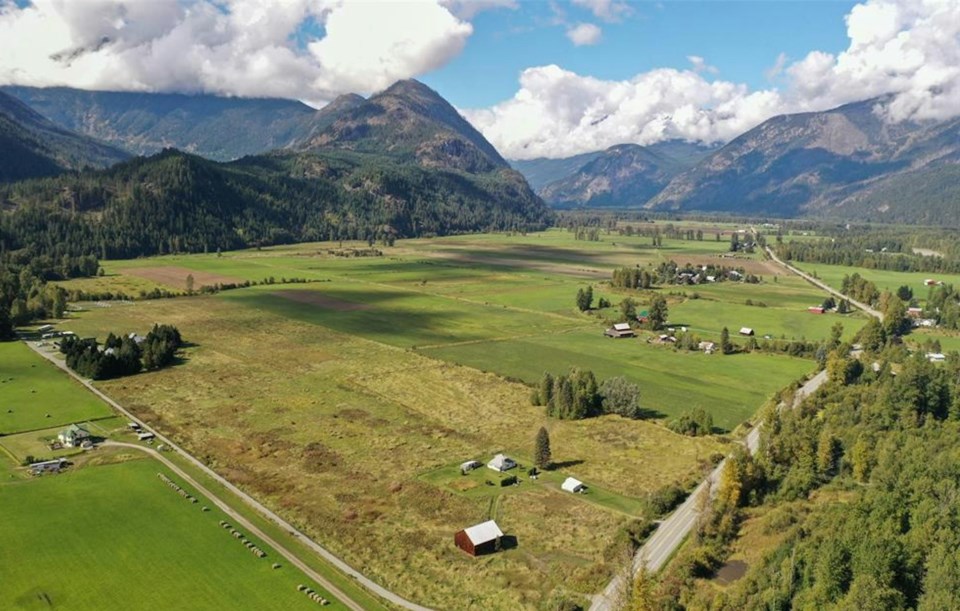
Canada - AFSC extends several northern Alberta seeding dates for 2026
Alberta’s Agriculture Financial Services Corp. (AFSC) is extending the recommended seeding dates in the province’s northeast, northwest and Peace regions for several crops for the 2026 growing season only.
03.06.2026

India - Elephants run amok in Konaje agricultural farm, cause massive crop damage
A herd of elephants, including calves, wreaked havoc on an agricultural farm belonging to Yashodhara Gowda at Pallattadka in Konaje village of Kadaba taluk.
