

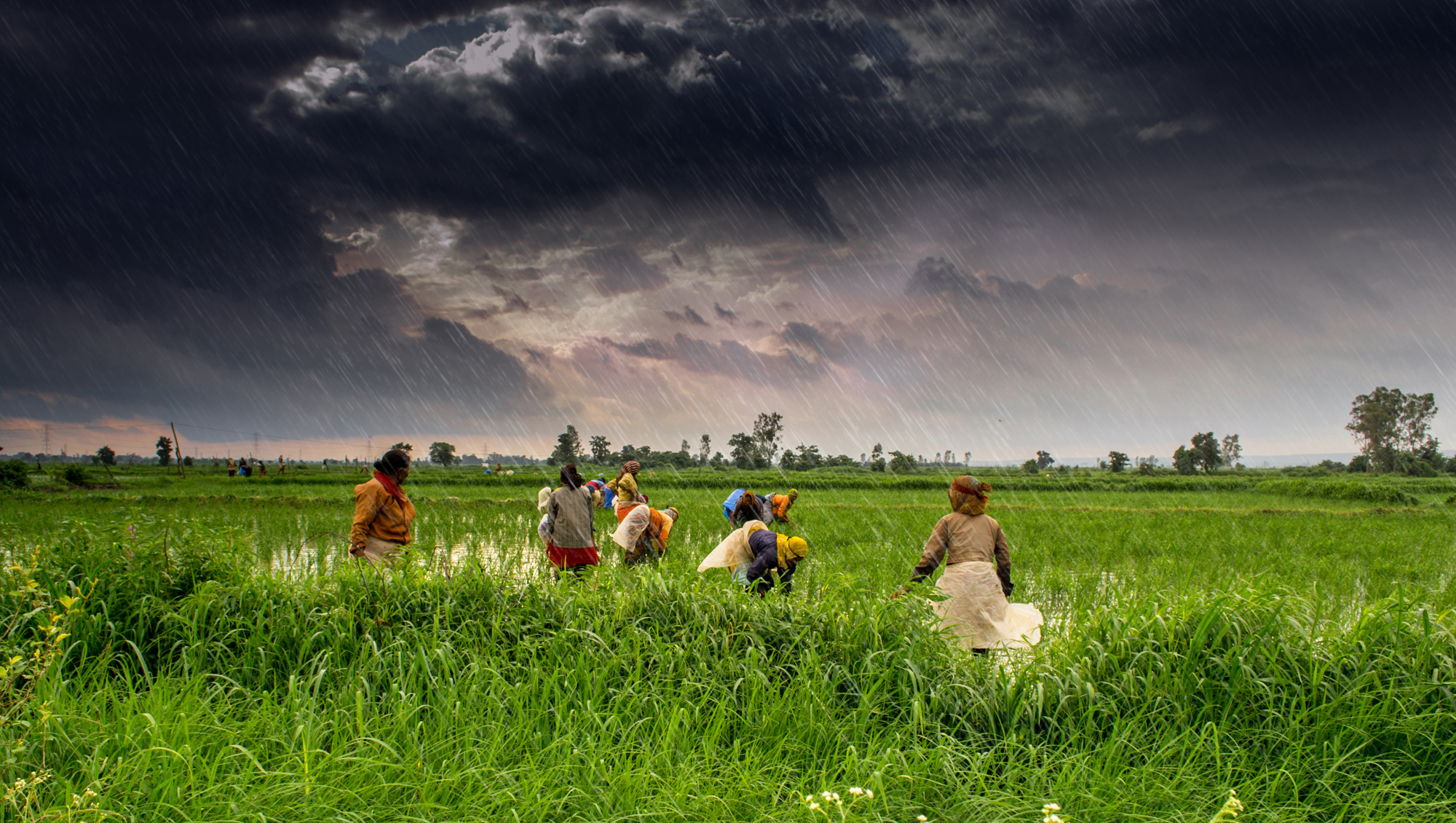
India - Farmers may have shifted to high risk farming due to crop insurance
18.10.2016 346 views
The rapid transformation of farming and food systems to cope with a warmer world, such as adopting climate-smart practices, particularly to curb greenhouse gas emissions, is critical for hunger and poverty reduction, the United Nations agriculture agency said in a report.
The State of Food and Agriculture 2016 (SOFA): Climate change, agriculture and food security said that under the worst-case scenario, much of the forecast increase in the number of poor occurs in Africa (43 million) and South Asia (62 million).
Reduced income in the agricultural sector explains the largest share of increased poverty as a result of climate change. This is because the most severe reductions in food production and increases in food prices occur in Africa and India, which account for a large share of the world’s poor. The second most important factor leading to increased poverty is health impacts, followed by the impacts of higher temperatures on labour productivity.
The report stated that index-based insurance, which pays out benefits on the basis of indices such as rainfall, area-average yields and vegetation conditions measured by satellites, is being tested as a risk-mitigation tool in several countries.
When an index exceeds a predetermined threshold, farmers receive a quick pay-out, delivered in some cases via mobile phones. However, index-based insurance by itself does not provide a full solution to climate-related risk.
“For example, India’s Weather-Based Crop Insurance Scheme may have prompted a shift among participants towards more profitable but higher risk farm production systems, thanks to subsidized premiums. Uptake of index-based insurance has been generally limited because it usually involves high transaction costs. Another problem is a lack of trust in insurance institutions.”
The report went on to say that multiple stressors greatly affect animal production, reproduction and immune status. “Research in India found that a combination of climate-related stresses on sheep – for example, excessive heat and lower nutritional intake – had severe impacts on the animals’ biological coping mechanisms.”
“There is no doubt climate change affects food security,” said the director-general of the Food and Agriculture Organization (FAO), José Graziano da Silva.
“What climate change does is to bring back uncertainties from the time we were all hunter gatherers. We cannot assure any more that we will have the harvest we have planted,” he added.
That uncertainty also translates into volatile food prices. “Everybody is paying for that, not only those suffering from droughts,” Mr. Graziano da Silva said.
It is agriculture, including forestry, fisheries and livestock production, which is contributing to a warmer world by generating around a fifth of the world’s greenhouse gas emissions. Therefore, agriculture must both contribute more to combating climate change while bracing to overcome its impacts, the report said.
Without action, agriculture will continue to be a major contributor to global greenhouse gas emissions. But by adopting climate-smart practices and increasing the capacity of soils and forests to sequester carbon, emissions can be reduced while stepping up food production to feed the world’s growing population, the report added.
The report provides evidence that adoption of climate-smart practices, such as the use of nitrogen-efficient and heat-tolerant crop varieties, zero-tillage and integrated soil fertility management would boost productivity and farmers’ incomes. Widespread adoption of nitrogen-efficient practices alone would reduce the number of people at risk of undernourishment by more than 100 million, the report estimates.
“2016 should be about putting commitments into action,” urged Mr. Graziano da Silva, noting the international community last year agreed to the Sustainable Development Goals (SDGs) and the Paris Agreement on climate change, which is expect to come into force early next month. Agriculture will be high on the agenda at the 22nd Conference of the Parties to the UN Framework Convention on Climate Change (UNFCCC), known as COP 22, in Morocco starting on November 7.
Source - http://www.governancenow.com
EVENTS

ScaleAgData Stakeholder Engagement Event
22.10.2024The ScaleAgData project is pleased to invite you to our second stakeholder event. Building on the discussions and connections formed during our first webinar, this event will focus on fostering collaboration among stakeholders, providing updates on our project’s progress, and outlining future opportunities for engagement.
RISK EVENTS

Moldova - May frosts caused heavy damage to fruit orchards
10.05.2026The first frosty nights of May have significantly worsened estimates of damage to Moldova's fruit sector from spring frosts. According to initial assessments by fruit market operators, between a quarter and a third of the country's total orchard area was seriously affected.
04.06.2026

India - Delhi raises crop damage compensation after 10 years by over 50% to Rs 75,000 per hectare
In a major relief for farmers, the Delhi government has increased compensation for crop loss caused by rain and hailstorms from Rs 20,000 per acre to Rs 75,000 per hectare.
04.06.2026

Why Tech-Driven Agro-Insurance Has Stumbled in Ethiopia
For decades, Ethiopia’s agricultural sector has remained trapped in a dangerous paradox.
04.06.2026
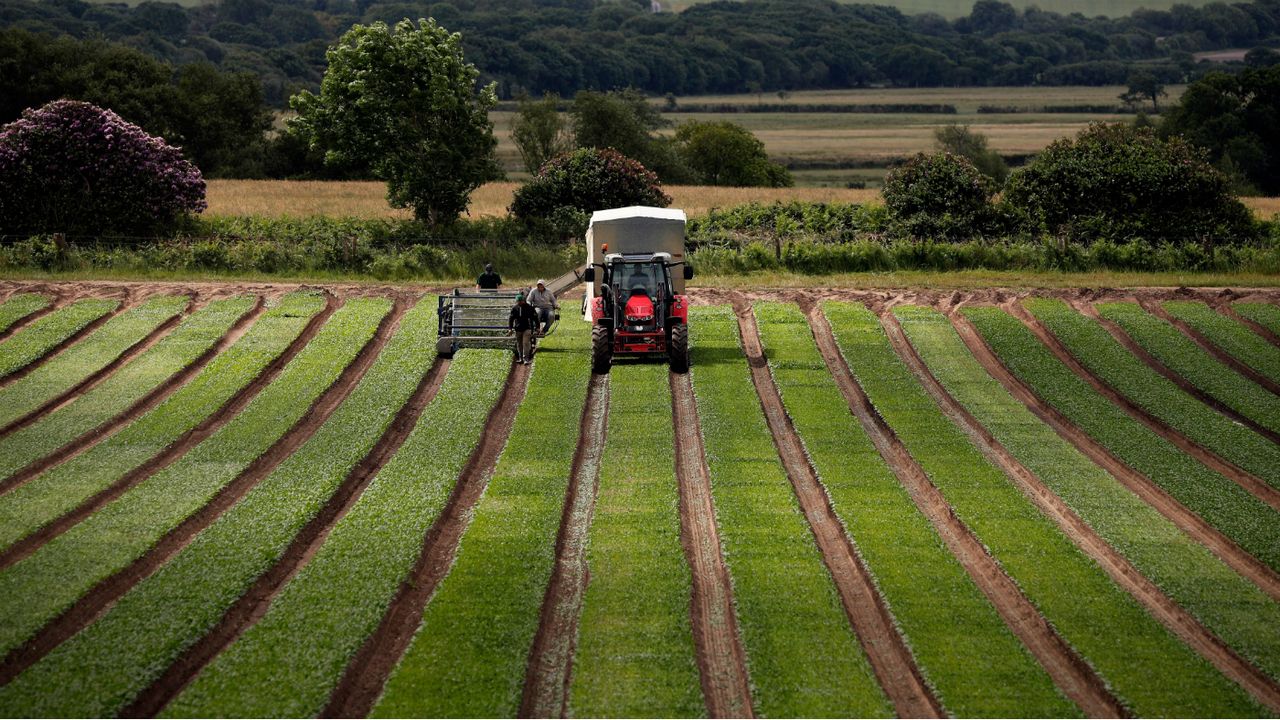
UK - Rural crime cost Wales £2.2m last year despite fall in offences
Rural crime cost Wales an estimated £2.2 million last year, with organised criminals continuing to target tractors, livestock and farming equipment despite an overall fall in offences, according to a new report.
04.06.2026

Kenyan Agro-Insurance Startup, Pula Raises US$ 20 Million in Series B Round
Pula, a Kenyan startup that offers insurance to small-scale farmers, aims to serve more than 100 million farmers in Africa after raising US$ 20 million in its Series B round.
04.06.2026
USA - USDA announces $52M to boost public access to private lands for hunting, fishing
The U.S. Department of Agriculture is announcing $52 million to help state and tribal governments encourage private landowners to allow public access to their land for hunting, fishing and other wildlife-dependent recreation through the Voluntary Public Access and Habitat Incentive Program (VPA-HIP).
04.06.2026

Hope Grows in Malawi’s Grain Stores as Farmers Battle Post-Harvest Losses
Some grain rots in poorly ventilated storage. Some is eaten by pests. Some is damaged during drying or transportation before it ever reaches the market.
03.06.2026
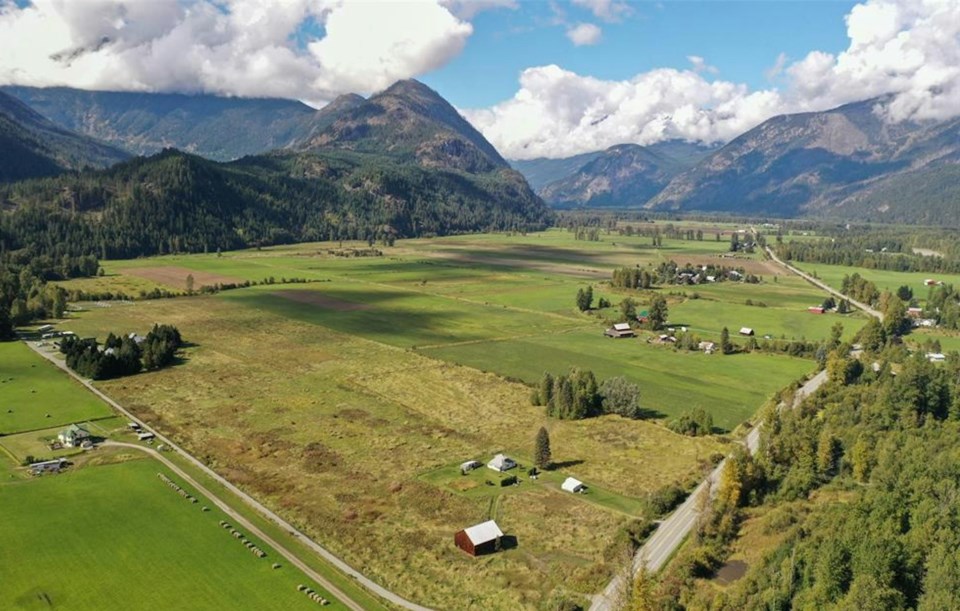
Canada - AFSC extends several northern Alberta seeding dates for 2026
Alberta’s Agriculture Financial Services Corp. (AFSC) is extending the recommended seeding dates in the province’s northeast, northwest and Peace regions for several crops for the 2026 growing season only.
03.06.2026

India - Elephants run amok in Konaje agricultural farm, cause massive crop damage
A herd of elephants, including calves, wreaked havoc on an agricultural farm belonging to Yashodhara Gowda at Pallattadka in Konaje village of Kadaba taluk.
