

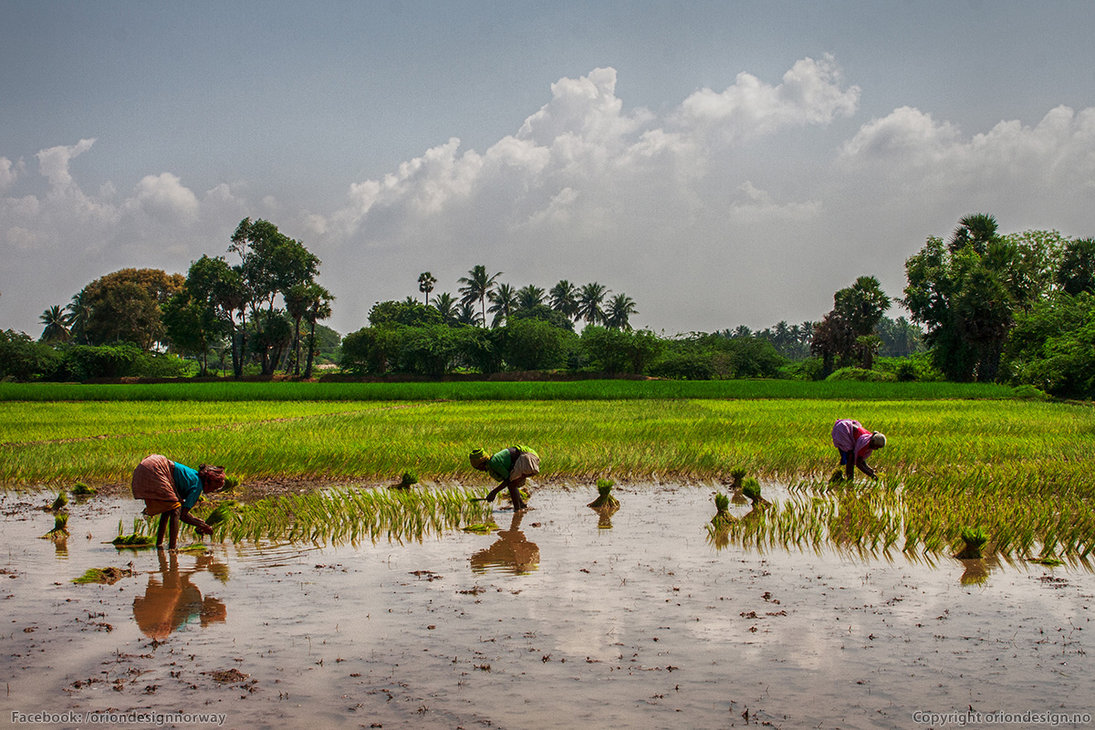
India - Govt to discontinue existing agri insurance schemes
31.03.2016 378 views
The government will, from April 1, discontinue the existing National Agricultural Insurance Scheme (NAIS) and Modified National Agricultural Insurance Scheme (MNAIS) as these are being replaced by the Pradhan Mantri Fasal Bima Yojana (PMFBY), which envisages substantially low premium outgo for the farmers.
Official sources told FE that NAIS and MNAIS have been discontinued from kharif 2016, but the existing Weather Based Crop Insurance Scheme (WBCIS) and Coconut Palm Insurance Scheme would continue to operate while premium to be paid under WBCIS has been brought on a par with PMFBY.
Announced by PM Narendra Modi last month, under the new scheme—PMFBY, the premia paid by farmers would be reduced to 2% of the insured value for the more rain-dependent kharif crop and 1.5% for the rabi season, compared with 3.5-8% at present under the two existing schemes. In case of horticultural crops, farmers’ premium burden will be 5% of the sum assured or 50% of the total premium. The premium will be shared by the Centre and states.
Besides, a Pilot Unified Package Insurance Scheme aimed at covering all the insurance needs of the farmers including crop insurance, tractor insurance etc would be piloted in 45 districts across the country from next kharif season. “Loanee farmers will be covered on a compulsory basis under these insurance schemes,” an agriculture ministry official said.
The official further said many drought-hit states have increased fund allocation under PMFBY significantly. Maharashtra has allocated a higher amount of `1,855 crore in the 2016-17 budget for PMFBY while only `725 crore was earmarked in 2015-16.
“Damages to crops in post harvesting, cutting and harvesting, storm, unseasonal rains, flooding of fields, landslides and hailstorms have been included in the norms for granting compensation under the scheme,” Maharashtra agriculture minister Eknath Khadse recently said in the Assembly.
Madhy Pradesh has allocated `1,898 crore next fiscal for the crop insurance which is substantially higher from the current fiscal. Karnataka, Uttar Pradesh and Odisha have increased allocations for the crop insurance.
For PMFBY, finance minister Arun Jaitley had allocated `5,501 crore in 2016-17 while `2,995 crore was allocated for various crop insurance schemes in the current fiscal. At present, only 20 million of an estimated 120 million farmers in the country — earning for a population four to five times as many — had crop insurance cover in 2014-15, even as the facility was just against the cost of cultivation and barely provided any income protection.
According to agriculture ministry data, most of the farmers who took crop insurance were in Rajasthan, Bihar, Uttar Pradesh, Maharashtra, Karnataka and Andhra Pradesh. In terms of the value of the farm output, the current schemes — the MNAIS and the WBCIS fare even more dismally, with a coverage of just 5.5%.
For dealing with delay in settlement of compensation, the new crop insurance policy proposes immediate payment of 25% of the sum insured amount to farmers for crop damage and use of latest technologies — drones, smartphones, mobile apps and satellite imaginary — to assess crop damages in the shortest possible time.
“The expansion of the crop insurance scheme would depend on the number of farmers voluntarily opting for it. Lower premium rates might encourage more farmers to take up crop insurance,” Ajay Vir Jakhar, chairman, Bharat Krishak Samaj, told FE.
Source - financialexpress.com
EVENTS

ScaleAgData Stakeholder Engagement Event
22.10.2024The ScaleAgData project is pleased to invite you to our second stakeholder event. Building on the discussions and connections formed during our first webinar, this event will focus on fostering collaboration among stakeholders, providing updates on our project’s progress, and outlining future opportunities for engagement.
RISK EVENTS

Moldova - May frosts caused heavy damage to fruit orchards
10.05.2026The first frosty nights of May have significantly worsened estimates of damage to Moldova's fruit sector from spring frosts. According to initial assessments by fruit market operators, between a quarter and a third of the country's total orchard area was seriously affected.
04.06.2026

India - Delhi raises crop damage compensation after 10 years by over 50% to Rs 75,000 per hectare
In a major relief for farmers, the Delhi government has increased compensation for crop loss caused by rain and hailstorms from Rs 20,000 per acre to Rs 75,000 per hectare.
04.06.2026

Why Tech-Driven Agro-Insurance Has Stumbled in Ethiopia
For decades, Ethiopia’s agricultural sector has remained trapped in a dangerous paradox.
04.06.2026
UK - Rural crime cost Wales £2.2m last year despite fall in offences
Rural crime cost Wales an estimated £2.2 million last year, with organised criminals continuing to target tractors, livestock and farming equipment despite an overall fall in offences, according to a new report.
04.06.2026

Kenyan Agro-Insurance Startup, Pula Raises US$ 20 Million in Series B Round
Pula, a Kenyan startup that offers insurance to small-scale farmers, aims to serve more than 100 million farmers in Africa after raising US$ 20 million in its Series B round.
04.06.2026

USA - USDA announces $52M to boost public access to private lands for hunting, fishing
The U.S. Department of Agriculture is announcing $52 million to help state and tribal governments encourage private landowners to allow public access to their land for hunting, fishing and other wildlife-dependent recreation through the Voluntary Public Access and Habitat Incentive Program (VPA-HIP).
04.06.2026

Hope Grows in Malawi’s Grain Stores as Farmers Battle Post-Harvest Losses
Some grain rots in poorly ventilated storage. Some is eaten by pests. Some is damaged during drying or transportation before it ever reaches the market.
03.06.2026

Canada - AFSC extends several northern Alberta seeding dates for 2026
Alberta’s Agriculture Financial Services Corp. (AFSC) is extending the recommended seeding dates in the province’s northeast, northwest and Peace regions for several crops for the 2026 growing season only.
03.06.2026

India - Elephants run amok in Konaje agricultural farm, cause massive crop damage
A herd of elephants, including calves, wreaked havoc on an agricultural farm belonging to Yashodhara Gowda at Pallattadka in Konaje village of Kadaba taluk.
