

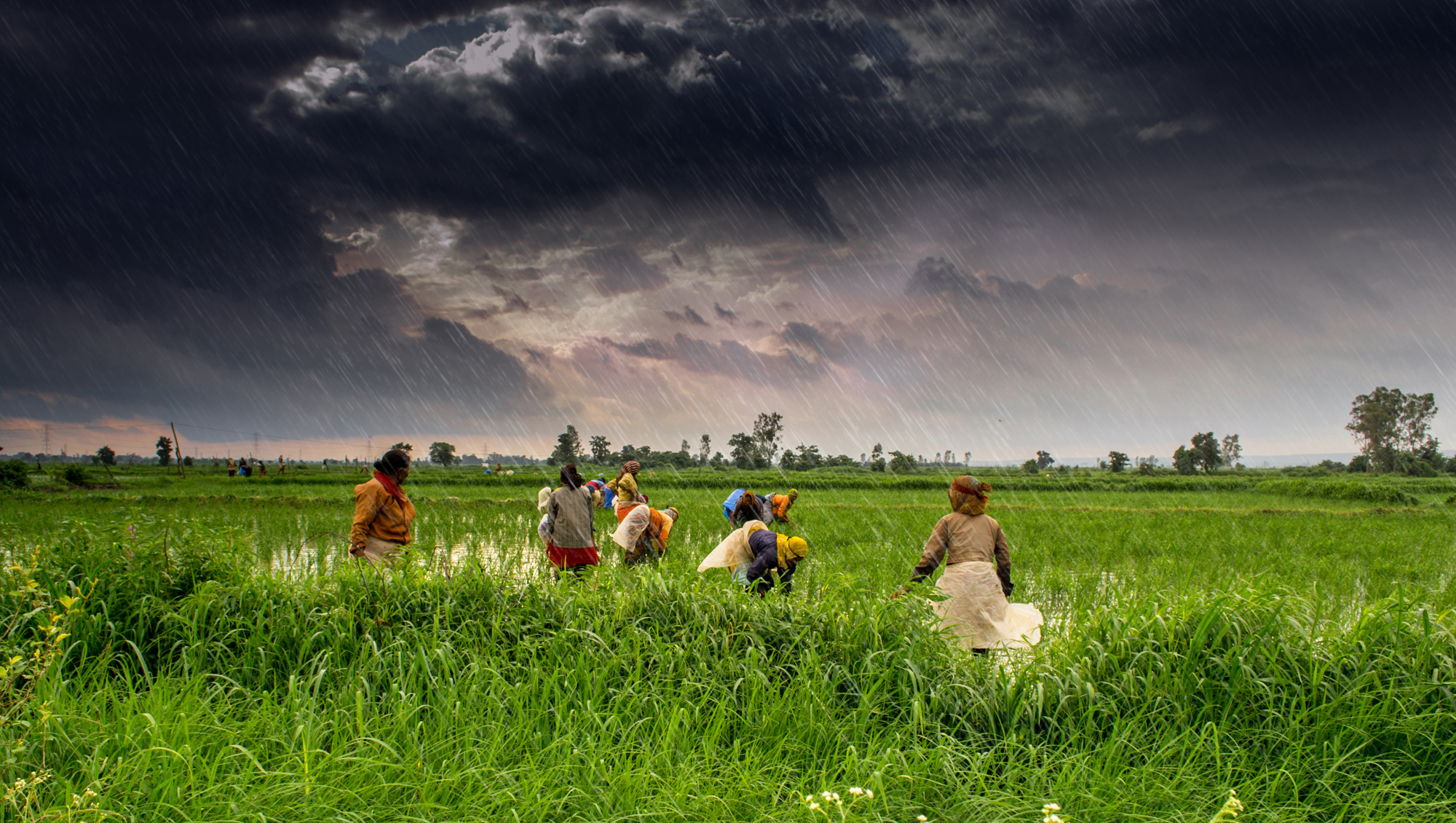
India - Hoping for agri-recovery
29.02.2016 378 views
With agricultural growth having collapsed to less than 0.5% in the first two years of the Narendra Modi-led government and glaring signs of farm distress, the Economic Survey 2015-16 hopes that agriculture will get revived through the La Nina climatic phenomenon, expected in 2016-17, and some reforms to get “more for less”. The Budget alone will show how far the finance minister is ready to bite the bullet of reforms in agriculture and transform it into an efficient and dynamic sector.
Hoping for La Nina in 2016-17 is a good wish; but the probability of that, as of today, is very low. The coming monsoon may not really benefit from it in any big way. Wisdom lies in hoping for the best, but being prepared for the worst. Any more laxity on the farm-front can result in major disruptions, both economic and social. The newly-announced crop insurance scheme, though in the right direction, will take years to take off on ground as the infrastructure required to make it work efficiently and quickly is not yet in place.
However, the major theme suggested for reforming agriculture in the Survey is “more for less”, i.e., getting more output from less inputs, or in economic jargon, raising total factor productivity. Let me focus here on two inputs—water and fertiliser—critical for agriculture, and on which the Survey has alluded nicely.
I think it is the first time that an official document such as the Economic Survey has recognised that a water-scarce country like India is a net-exporter of water through the export of water-intensive crops/farm-derived products like rice, sugar, etc., a point we have been hammering in several columns in this newspaper. But it doesn’t offer any concrete solutions on containing and reforming this situation. One way, perhaps, could be to impose an export tax (“water cess”) on common rice and sugar exports. Can the FM take this bold step? I doubt. In fact, under the pressure of the sugar lobby, there have been subsidies for exports. Common rice exports also deserve attracting an export tax on the basis of ‘optimal export tax’ theory. When India exports more than 10 million metric tons (mmt) of rice in a global market of around 38-40 mmt, it brings the global prices down to Indian levels, and as a result, India exports more quantity to get the same total export revenue. A 5-10% tax on exports of water-intensive crops (common rice and sugar) should be the beginning, if India is serious about saving precious water. If this cannot be done, compulsory drip irrigation in most of Maharashtra and Karnataka’s sugar belt should be taken up on a priority basis, and so should be the reforming of the free-electricity regime in some states that grow rice despite their depleting water tables (Punjab and Haryana, in particular). Else, the good intentions of Economic Survey, regarding producing “more with less”, will remain only a dream.
Let me now turn to fertilisers, another important input in agriculture that is being grossly misused. The Economic Survey’s research team deserves rich compliments for doing a detailed analysis of fertiliser subsidy and its associated inefficiencies and misuses. While R73,000 crore (0.5% of the GDP) is budgeted for fertiliser subsidy, the Survey highlights three types of leakages for urea alone. First, it points out that 24% of the urea subsidy goes to inefficient producers of urea manufacturers; second, of the remaining urea subsidy, 41% is diverted to non-agricultural uses and is smuggled to neighbouring countries (Nepal and Bangladesh, primarily); and third, most of the remaining 24% is consumed by large farmers. So, in a nutshell, only 35% of the urea subsidy goes to intended beneficiaries, small and marginal farmers. While this is a bold analysis, the question is how can it be reformed and leakages eliminated? The Survey suggests taking the direct benefits transfer (DBT) route via JAM (Jan Dhan, Aadhaar and Mobile) and de-canalising imports of urea. It points out that this is a fertile candidate for reform. Will the FM have the courage to bite this bullet in the budget? If he does make a move in this direction, it will be an important step signalling that the government is serious about reforming agriculture. Else, it will remain in limbo for want of political guts, and thousands of crores of rupees will get wasted year after year. Where the survey dithered in its analysis of fertiliser subsidy is on exposing how much the unpaid bills of fertiliser industry amount to—estimated to be over Rs 40,000 crore. It would have been better to put that on the table in a transparent manner so that the country knows the real magnitude of the fertiliser mess.
There are many other points that the Survey alludes to with respect to agriculture. For example, moving from border protection (high import duties) on agri-products to greater domestic support, which will be more palatable to WTO members. In this context, would India like to reduce import duty on rice and sugar, both water-intensive crops? In case of rice, it is puzzling that India is the largest exporter and yet has import duty of more than 70%, an absurdity in trade policy! While we import water-saving crops like pulses at 5-10% import duty. Trade policy for agri-products is totally out of gear in the country and needs a major rationalisation exercise. I doubt whether the FM in his budget can do much about this.
Finally, the Survey also bats for modern science, including GM crops, in agriculture. But is the government likely to move in that direction? I doubt. Unfortunately, indications that are accumulating every day is that this government wants to take Indian agriculture back to Vedic era, may be nourished by cow dung and urine, and away from GM. The dithering in taking any decision on GM mustard and Bt brinjal for commercial cultivation, and introducing controls on Bt cotton seed prices through Essential Commodities Act, all indicate a regressive environment for injecting modern science in Indian agriculture. How the new revolution in agriculture is to be brought about remains to be seen.
Source - financialexpress.com
EVENTS

ScaleAgData Stakeholder Engagement Event
22.10.2024The ScaleAgData project is pleased to invite you to our second stakeholder event. Building on the discussions and connections formed during our first webinar, this event will focus on fostering collaboration among stakeholders, providing updates on our project’s progress, and outlining future opportunities for engagement.
RISK EVENTS

Moldova - May frosts caused heavy damage to fruit orchards
10.05.2026The first frosty nights of May have significantly worsened estimates of damage to Moldova's fruit sector from spring frosts. According to initial assessments by fruit market operators, between a quarter and a third of the country's total orchard area was seriously affected.
04.06.2026

India - Delhi raises crop damage compensation after 10 years by over 50% to Rs 75,000 per hectare
In a major relief for farmers, the Delhi government has increased compensation for crop loss caused by rain and hailstorms from Rs 20,000 per acre to Rs 75,000 per hectare.
04.06.2026

Why Tech-Driven Agro-Insurance Has Stumbled in Ethiopia
For decades, Ethiopia’s agricultural sector has remained trapped in a dangerous paradox.
04.06.2026
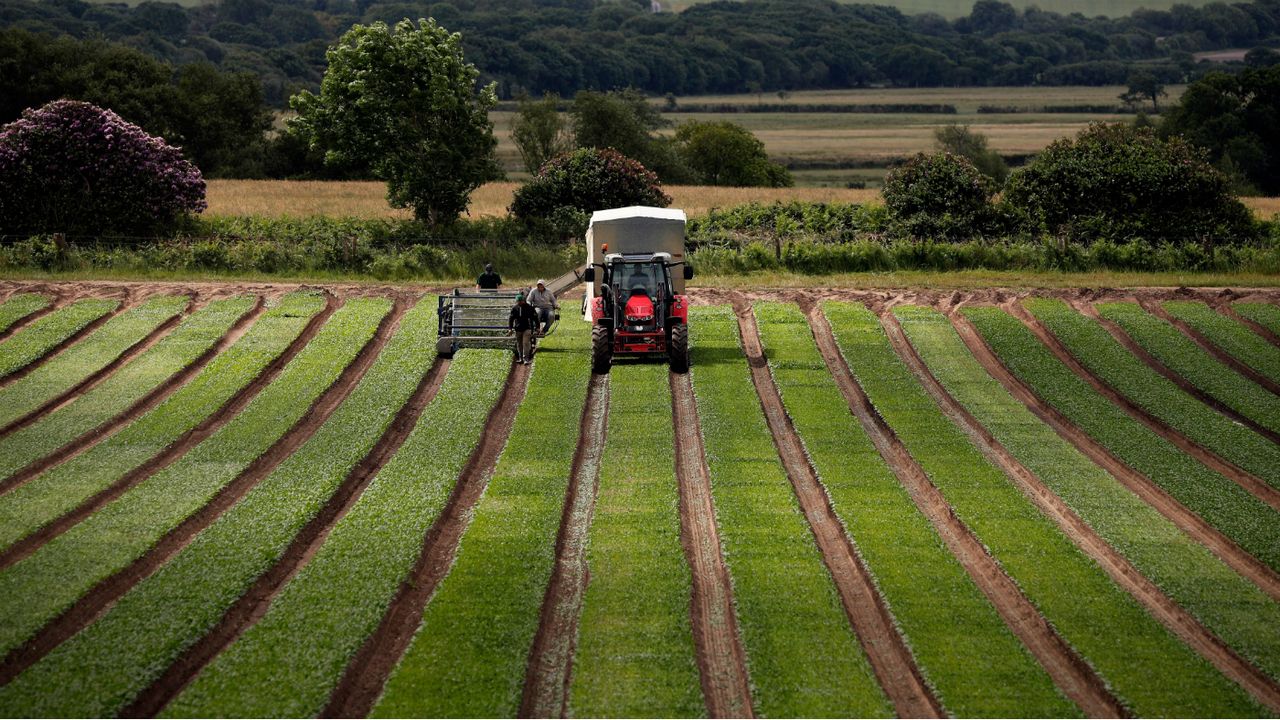
UK - Rural crime cost Wales £2.2m last year despite fall in offences
Rural crime cost Wales an estimated £2.2 million last year, with organised criminals continuing to target tractors, livestock and farming equipment despite an overall fall in offences, according to a new report.
04.06.2026

Kenyan Agro-Insurance Startup, Pula Raises US$ 20 Million in Series B Round
Pula, a Kenyan startup that offers insurance to small-scale farmers, aims to serve more than 100 million farmers in Africa after raising US$ 20 million in its Series B round.
04.06.2026
USA - USDA announces $52M to boost public access to private lands for hunting, fishing
The U.S. Department of Agriculture is announcing $52 million to help state and tribal governments encourage private landowners to allow public access to their land for hunting, fishing and other wildlife-dependent recreation through the Voluntary Public Access and Habitat Incentive Program (VPA-HIP).
04.06.2026

Hope Grows in Malawi’s Grain Stores as Farmers Battle Post-Harvest Losses
Some grain rots in poorly ventilated storage. Some is eaten by pests. Some is damaged during drying or transportation before it ever reaches the market.
03.06.2026

Canada - AFSC extends several northern Alberta seeding dates for 2026
Alberta’s Agriculture Financial Services Corp. (AFSC) is extending the recommended seeding dates in the province’s northeast, northwest and Peace regions for several crops for the 2026 growing season only.
03.06.2026

India - Elephants run amok in Konaje agricultural farm, cause massive crop damage
A herd of elephants, including calves, wreaked havoc on an agricultural farm belonging to Yashodhara Gowda at Pallattadka in Konaje village of Kadaba taluk.
