India - Locust threat not over yet, crop on 30-lakh acres hit in Rajasthan

06.02.2020 365 views
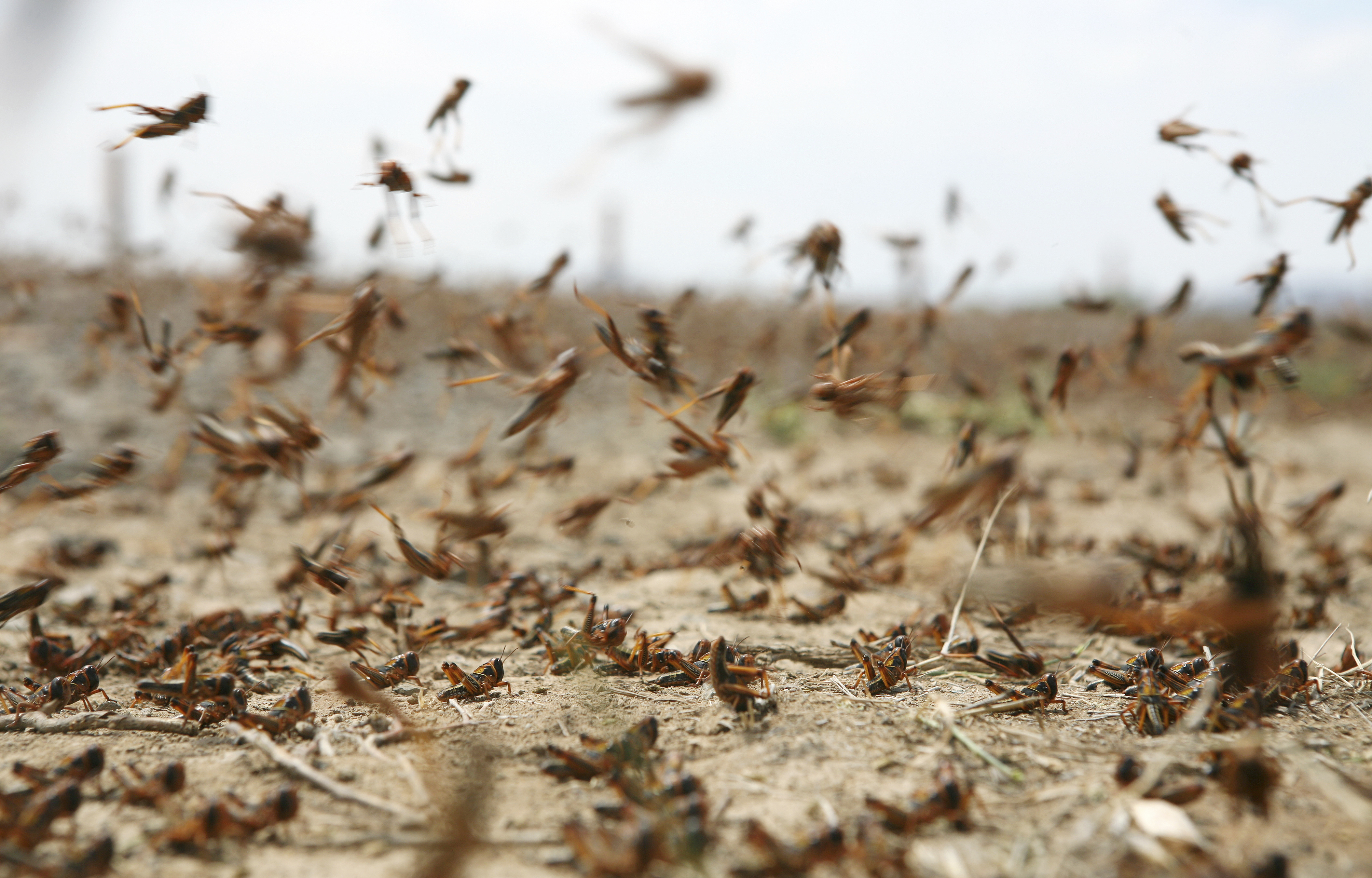
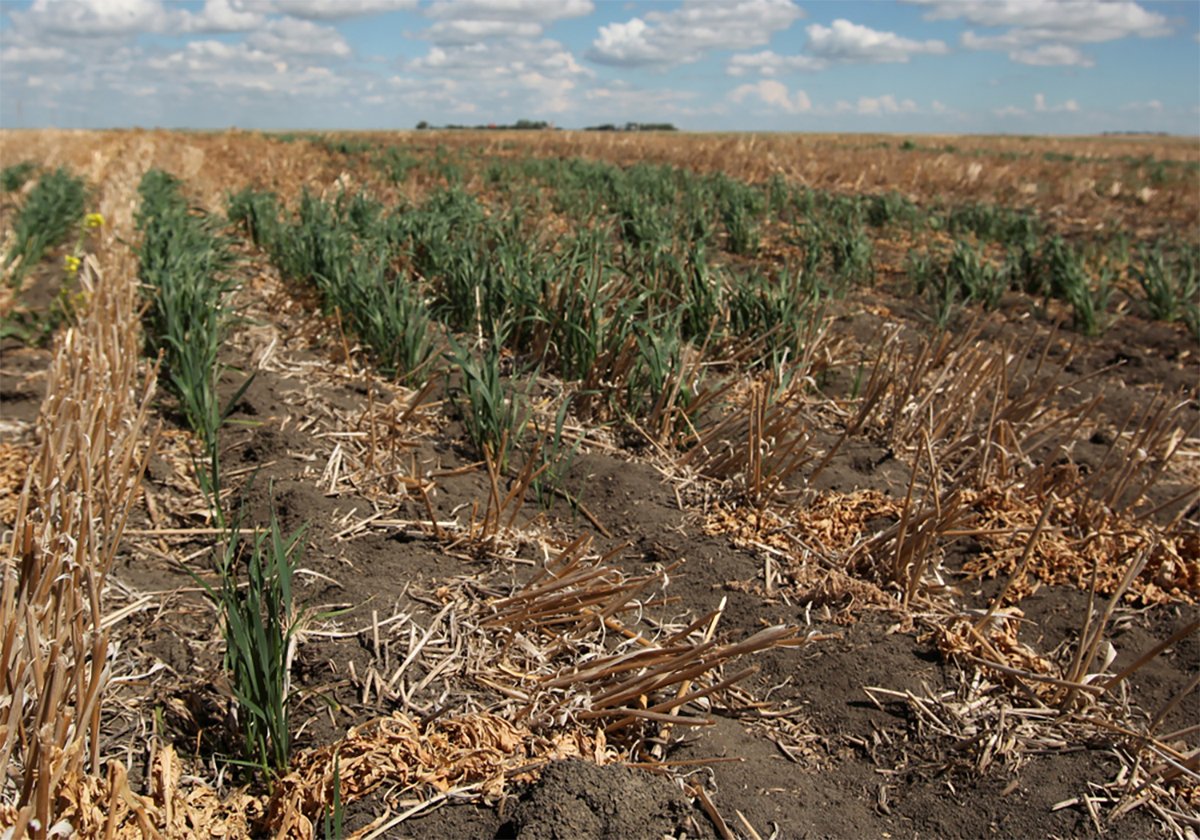
After wreaking havoc on agricultural fields in Rajasthan, locusts may spread over to Punjab and Haryana that share boundary with Sriganganagar and Hanumangarh, warned experts. Sriganganagar MP Nihal Chand said 12 Rajasthan districts were badly affected by locusts. He claimed that standing crops spread over 30 lakh acres were affected by the menace. He also said that farmers had suffered a loss of about Rs700 crore. “The farmers in the border regions suffered heavy losses due to hailstorm and untimely rain when Kharif crop was at harvest stage and now locust swarms were damaging rabi crops. The state government has not effectively tried to tackle the problem that emerged as a disaster. Besides the state government, the Centre should also take necessary steps to tackle the menace, he demanded. Punjab recently managed to avert a locust attack in several villages of Fazilka. A 3-km-long swarm of locusts had devoured mustard crops and settled on Sheesham and kikar trees. It took multiple government agencies and local villagers to fight the insects. Residents of Rupnagar and Baraka villages in the Khuian Sarwar block of Fazilka first saw the swarm and alerted the district administration.
The emergency response team of the Agriculture Department was rushed to the affected villages and operation to eliminate the swarm was launched. Hundreds of liters of insecticides were sprayed on the 450 affected trees through high-velocity sprayers. Locusts were spotted in Sivana, Muradwala, Chananwala, Khanpur and Nejeke villages of Fazilka. The state has already sounded high alert along with villages bordering Rajasthan and Pakistan. Earlier, PAUscientists had said weather was adverse for locusts and the insect would not be able to survive in intense cold. But the same cannot be said now with the state witnessing a rise in temperature. Source - https://www.tribuneindia.com
01.12.2025

India - KPRS sees irregularities in crop loss assessment, disbursal of relief

Karnataka Pranta Raitha Sangha (KPRS) has said that there are widespread irregularities in assessment and disbursal of compensation for crop loss caused due to the recent heavy rain and floods in Kalaburagi district.

01.12.2025

China - ADB Approves USD 141M Loan to Support Low-Carbon, Climate-Smart Agriculture in Sichuan Province

The Asian Development Bank (ADB) has approved a ¥1 billion (US$140.89 million) loan to advance low-carbon and climate-resilient agriculture in Sichuan Province in the People’s Republic of China.

01.12.2025

Australia - WA livestock methane startup Freemantle Seaweed raises $2.2 million in crowdfunded Seed round

Another startup looking to deal with cattle methane emissions using seaweed has raised $2.176 million in Seed funding.

01.12.2025

Bindwell Announces $6M to Advance AI-Designed Pesticides and Modernize Crop Protection

Bindwell, an AI-driven agricultural science startup founded by teenage entrepreneurs Tyler Roseand Navvye Anand, has secured $6 million in seed funding co-led by General Catalyst and A Capital, with additional investment from Paul Graham. 

01.12.2025

“Stagnant markets and aggressive imports call for a reflection at a European level"

As is typical for late November, Italian garlic supplies are dwindling, creating more space in the market for imported products.

01.12.2025

New study reveals barriers stopping Scottish farmers joining schemes

A new University of Stirling study has shed light on the obstacles preventing Scottish farmers from joining agri-environmental schemes, warning that red tape and financial uncertainty are discouraging widespread participation.

30.11.2025

EPA urged to ban spraying of antibiotics on US food crops amid resistance fears

Use of 8m pounds of antibiotics and antifungals a year leads to superbugs and damages human health, lawsuit claims.

30.11.2025

Desert locust outbreak threatens agriculture in southern Morocco, warns FAO

The desert locust outbreak in Mauritania and Morocco’s southern provinces persisted throughout November, with numerous hopper groups, bands, and small swarms continuing to move north, according to the latest FAO update.