

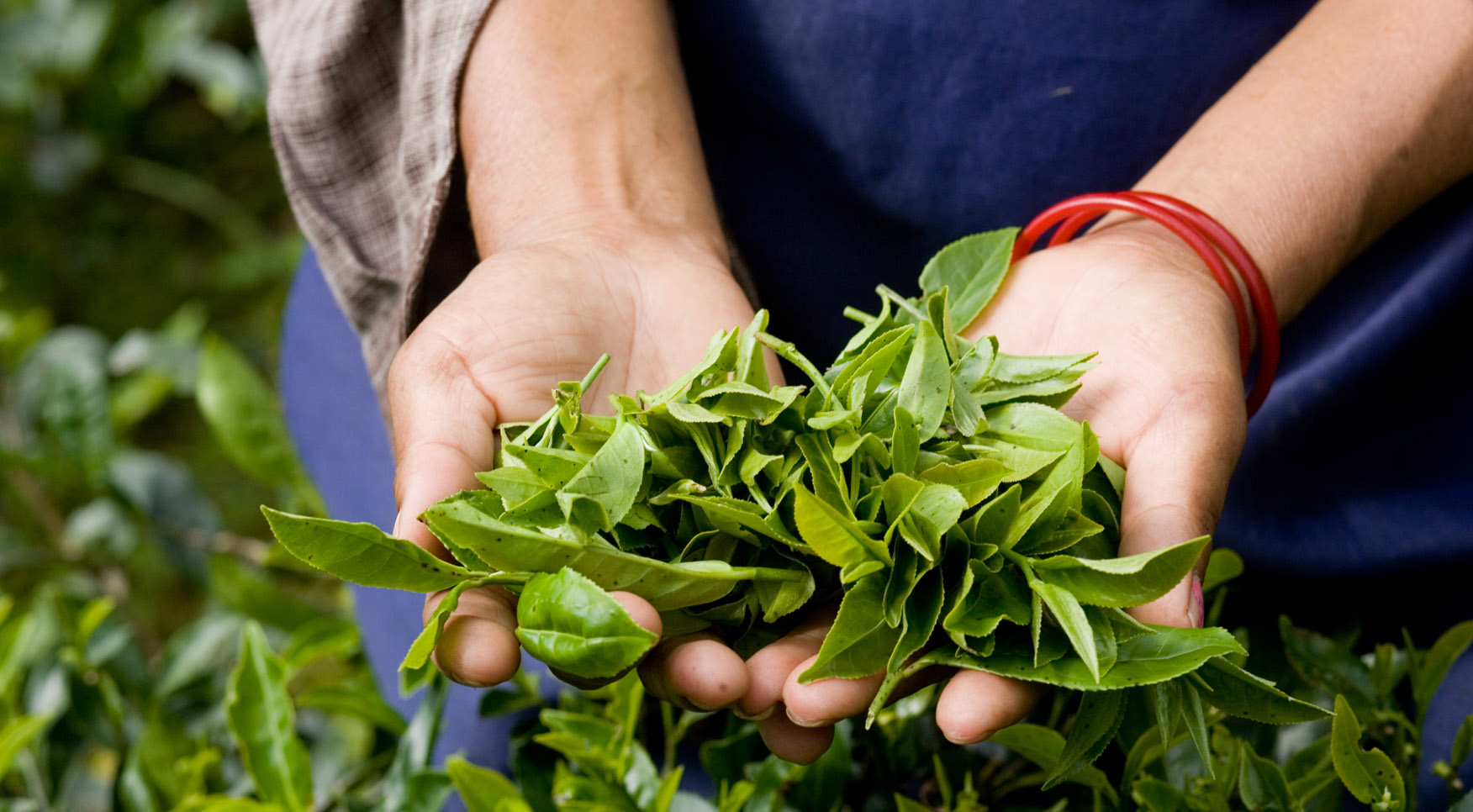
India - Production down, Darjeeling tea industry in ‘bad shape’
14.08.2020 1020 views
The Darjeeling tea industry is in “bad shape” as the production has been severely hit due to phases of lockdown and excessive rain in the hills, an official of the planters’ association said on Thursday. The garden owners are anticipating losses this year as the output will be lower than the annual production of about seven million kg, Darjeeling Indian Tea Association secretary Mohan Chhetri said.
“The industry is in bad shape. Phases of lockdown and excessive rain have taken a toll on the crop,” he said. Earlier, production of Darjeeling orthodox variety was around nine million kg annually. “This had gone down to seven million kg. This year, it will be even less than that. The industry is not bullish on the recovery of production. The output loss can be ascertained only after October,” he said.
Chhetri said the temperature in Darjeeling usually starts going down this time of the year, which is not suitable for production. “The ideal temperature is between 20-25 degree celsius. Now it is less than that,” he said.
As per the Indian Tea Association (ITA) estimates, production in north India, comprising Assam and north Bengal, was down by 40 per cent during January-June period this year as compared to the corresponding months of 2019. Calcutta Tea Traders Association chairman Vijay Jagannath had said that the Indian tea industry is staring at a crop loss of around 200 million kg during the year.
Source - https://www.financialexpress.com
EVENTS

ScaleAgData Stakeholder Engagement Event
22.10.2024The ScaleAgData project is pleased to invite you to our second stakeholder event. Building on the discussions and connections formed during our first webinar, this event will focus on fostering collaboration among stakeholders, providing updates on our project’s progress, and outlining future opportunities for engagement.
RISK EVENTS

Moldova - May frosts caused heavy damage to fruit orchards
10.05.2026The first frosty nights of May have significantly worsened estimates of damage to Moldova's fruit sector from spring frosts. According to initial assessments by fruit market operators, between a quarter and a third of the country's total orchard area was seriously affected.
27.10.2026
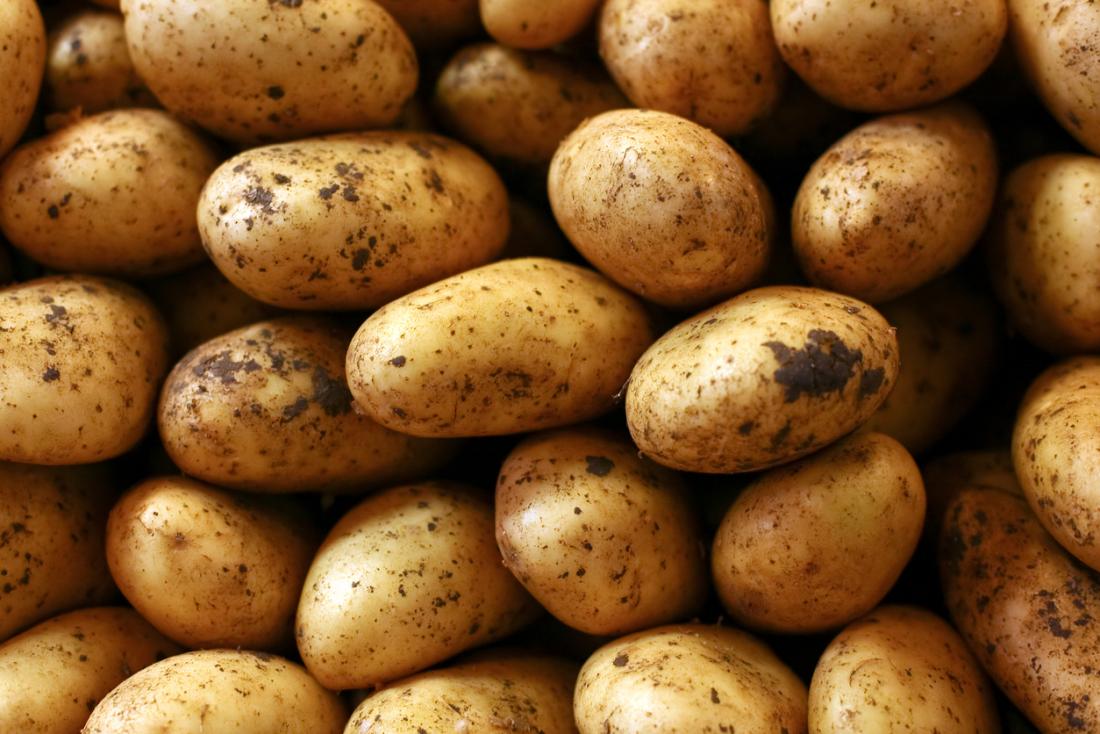
USA - Potato breeding research targets reduced handling damage and crop losses
Potato breeding research is examining how tuber characteristics influence damage during harvesting, storage, grading, and packing. The objective is to increase marketable yields while maintaining crop quality and meeting market specifications.
27.10.2026
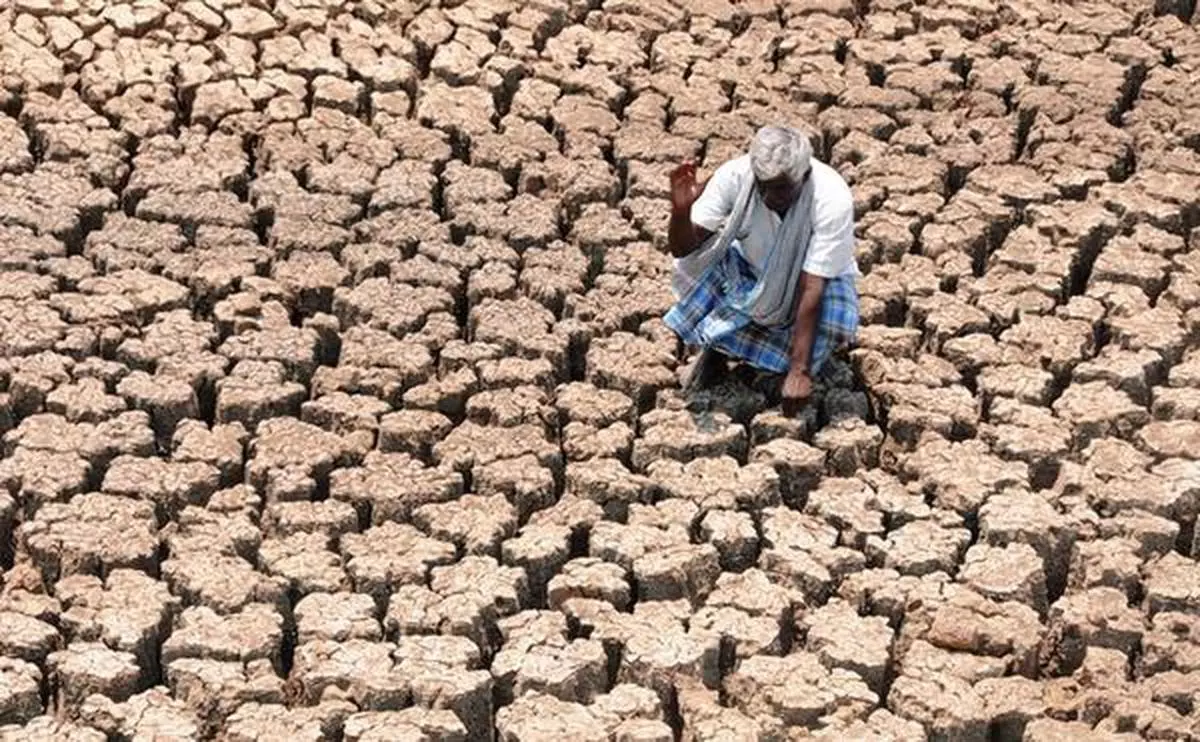
India - Gujarat Drought Relief Triggers Farmer Backlash Over ₹8,500 Aid
Gujarat’s drought relief package has triggered opposition from farmer leaders in Dwarka, who say the proposed assistance of ₹8,500 per hectare is inadequate and have announced a possible agitation from November 12 if the government does not revise the eligibility and assistance norms.
27.10.2026

USA - Fall Covers for Spring Savings incentive program returns
The Illinois Department of Agriculture is launching the eighth year of its Fall Covers for Spring Savings Program.
27.10.2026
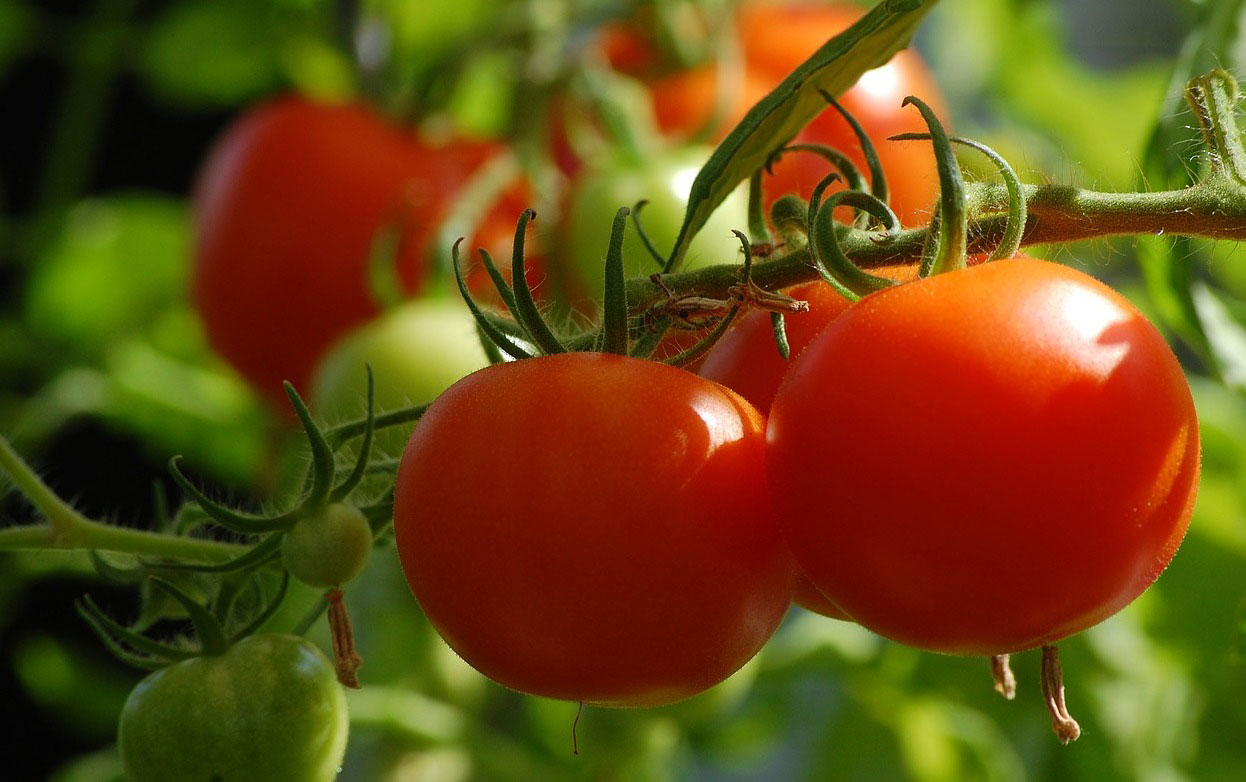
India-Ghana Agricultural Pact targets tomato production, crop research and post-harvest losses
Five-year ICAR–CSIR-CRI agreement puts vegetable research, tuber processing, cold-chain technology and commercialisation at the centre of India-Africa agricultural cooperation.
27.10.2026

India - Tandur Gram Crop Withers Amid Water and Power Shortages
Tandur gram received the Geographical Indication (GI) tag in December 2022, recognising its distinctive identity and quality. However, farmers who cultivate the crop are now struggling to save their produce amid unfavourable conditions.
27.10.2026
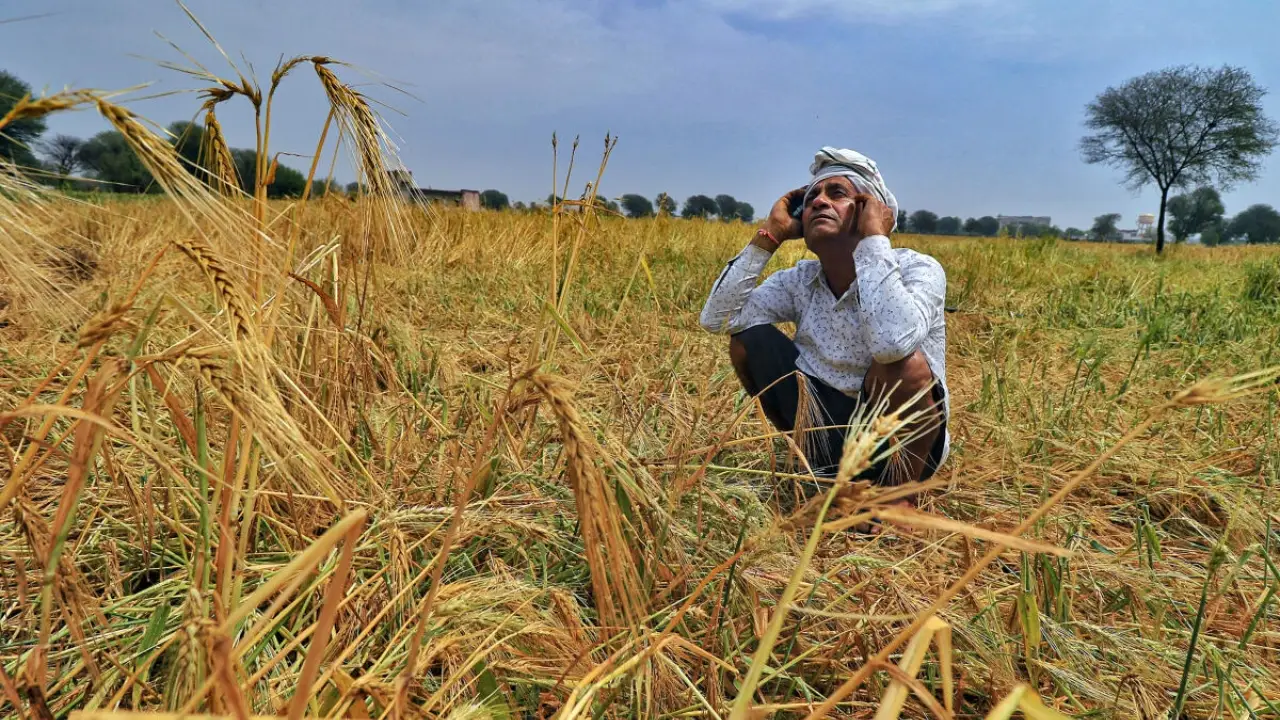
India - Odisha Issues Show-Cause Notice to 6 ADMs Over PMFBY Data Lapses
The Cooperation Department of Odisha has issued show-cause notices to the Additional District Magistrates (ADMs) and PMFBY Nodal Officers of six districts for severe negligence in uploading Crop Cutting Experiment (CCE) data under the Pradhan Mantri Fasal Bima Yojana (PMFBY).
26.10.2026
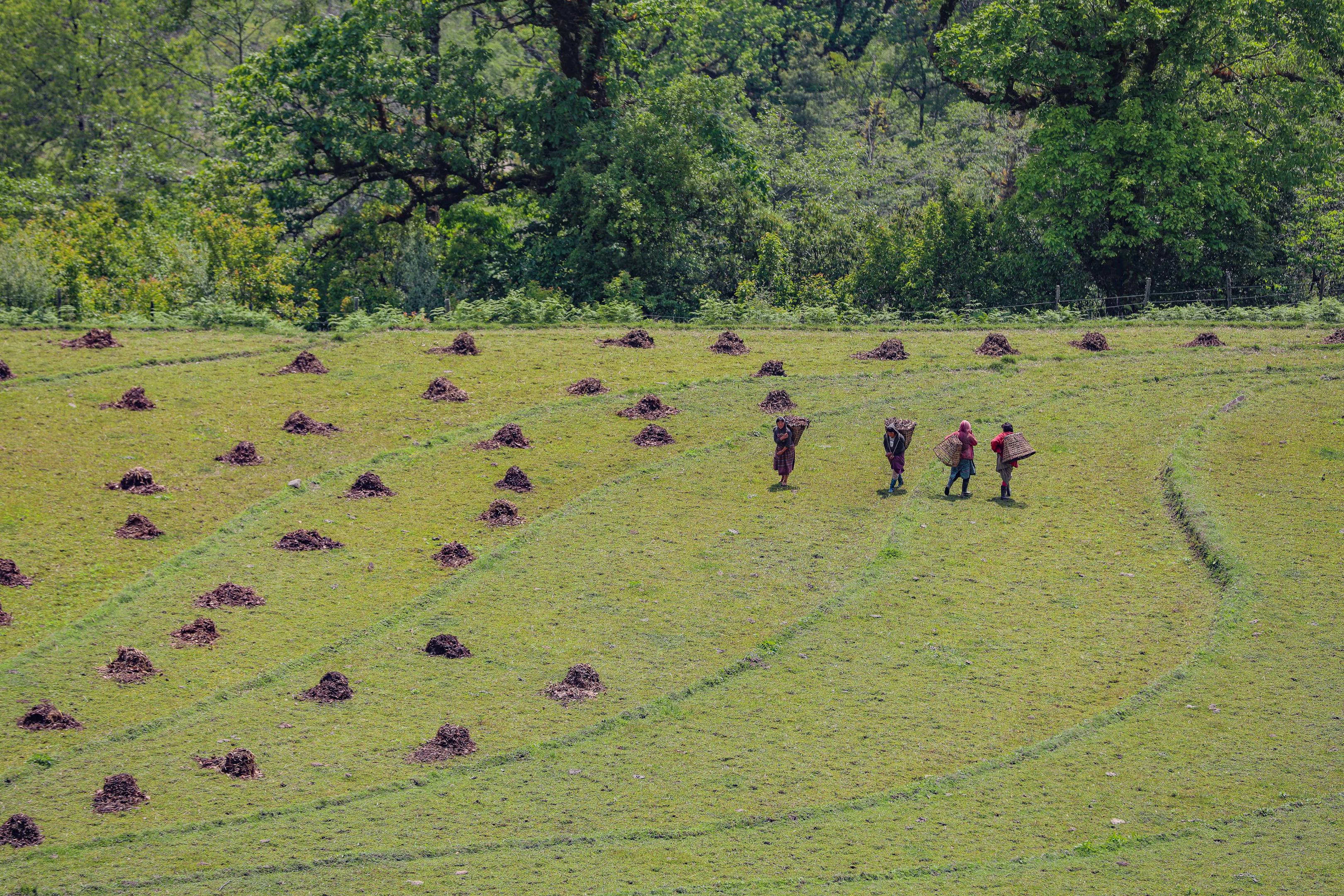
Malaysia studies expanding crop insurance to other agricultural sectors
The government is assessing steps to expand the crop insurance scheme as the agricultural sector faces increasingly significant risks from natural disasters and extreme weather. A comprehensive study is needed before the scheme can be extended beyond rice crops, including to examine how premiums should be paid and losses assessed.
26.10.2026
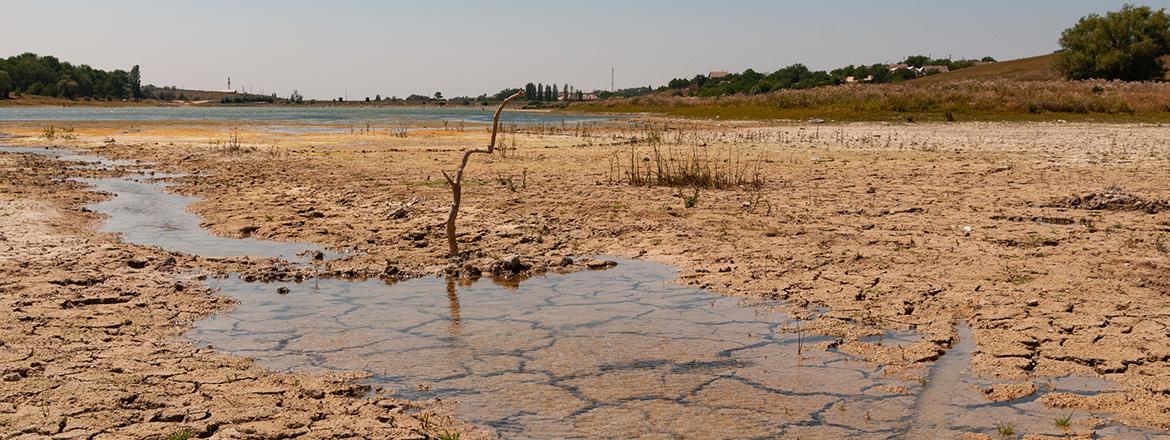
Crop losses from recurring droughts ‘shrinking Poland’s economy and impacting businesses’
A new report has found that lower crop yields significantly affect industries beyond agriculture, including trade and transport.
