

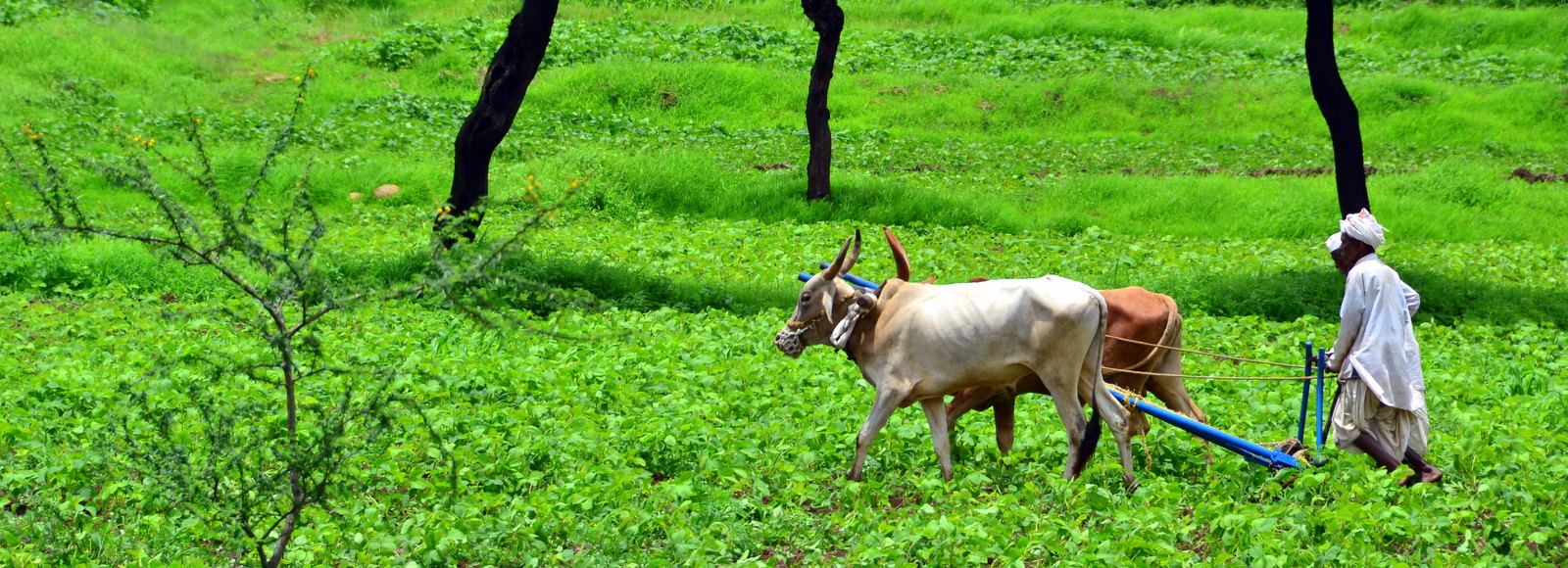
India - Raising farmers’ income by 2022
28.03.2016 371 views
For the last two months, the Narendra Modi government seems to have gone into an overdrive to appease farmers. Several farmer rallies have been organised and the common theme has been the PM’s “dream” to double the incomes of farmers by 2022.
According to the PM, agriculture has to stand on three pillars — paramparagat kheti (traditional agriculture), diversification into agro-forestry by planting trees on the boundaries of farmers’ fields, and encouraging livestock and bee-keeping, duly supported by food processing. These pillars will reduce the risks in farming, and augment farmers’ incomes. He weaves his strategy with programmes such as soil health cards and neem-coated urea to take care of “mother earth’s” health; giving more resources for irrigation and using the MGNREGA for recharging ground water through check dams and farm ponds, thus, getting more crop from every drop of water.
The picture is completed by the Pradhan Mantri Fasal Bima Yojana (crop insurance) and e-market platform that he is going to launch on April 14. All these nodes are right for any meaningful agri-strategy. But haven’t these been in existence in some form or the other? What is the novel idea in this strategy that will double farmer incomes in six years?
Before one assesses the seriousness of this dream-promise, one must be clear about the PM’s commitment. What the nation would really like to know is whether he is talking of doubling nominal incomes or real incomes. Whenever one talks of doubling, say, national income or sectoral incomes, one means it in real terms. Doubling of real incomes in six years would be a miracle of miracles, as it would imply a compound growth rate of 12 per cent per annum. But as they say, “nothing is impossible”. Madhya Pradesh has registered 14.2 per cent growth in real agri-GDP over the last five years, and states like Jharkhand, Chhattisgarh, Gujarat, Himachal Pradesh, Rajasthan, and even Bihar have witnessed agri-growth in excess of 7 per cent.
Internationally, China’s farm incomes grew at 14 per cent per annum, and the agri-GDP at 7.1 per cent, during the first few years of economic reforms (1978-86). This helped in halving its poverty in just six years. It generated a huge demand for industrial products in rural areas, which were met by scaling up town and village enterprises (TVEs).
This also gave political legitimacy to carry on economic reforms more aggressively. How did China achieve this? Very briefly, they incentivised the peasantry by dismantling the commune system in land, and freeing up agri-prices. Lately, China has been heavily supporting farm prices. For instance, their MSP for wheat in 2014-15 was $385/tonne compared to India’s $226/tonne.
Does PM Modi plan to raise the MSPs of agri-products substantially? The MSPs announced in the first four crop seasons under his regime do not indicate any such move. On the contrary, their rise has been largely suppressed. Moreover, in much of eastern India, including in his own constituency of Varanasi, the market prices of paddy prevailing in the last kharif season were15-20 per cent below the MSP. The absence of any robust procurement machinery in the eastern belt is one major stumbling block that is holding back the second green revolution there.
So, the other paths to doubling farmer incomes would be raising productivity and diversification into high-value agriculture as well as diversification of farm employment into non-farm activities. Raising productivity requires massive investments in R&D, irrigation and fertilisers. Compared to China, India is way behind in all these factors and, not surprisingly, our productivity levels, in almost all crops, range between 50 to 75 per cent of Chinese levels.
Diversification into high-value agriculture requires a value-chain approach, and we are lagging behind in that, too. India may be producing 145 million tonnes of milk and more than 270 million tonnes of horticulture products but our processing levels (in the organised sector) are way below — less than 20 per cent in milk, and less than 5 per cent in fruits and vegetables — international levels. Encouraging processing and building value-chains would help create non-farm jobs in rural areas. Until all these factors come together, Modi’s dream of doubling real farm incomes by 2022 will remain far-fetched.
That brings us to the possibility of doubling farmers’ incomes in nominal terms, by letting price increases raise incomes. But this has been done during the UPA regime too. Between 2008-09 and 2013-14, India’s agri-GDP at current prices grew at 14.8 per cent annually on average, with wholesale food article inflation averaging 11.7 per cent, and real agri-GDP growing at only 3.1 per cent per annum. Farm wages also grew at an average rate of 18.8 per cent in nominal terms and 7.5 per cent in real terms in these six years. So, what is new that Modi is promising?
If Modi can keep food price inflation below 5-6 per cent, and raise farmers’ nominal incomes by 12 per cent per annum, it will still be commendable. Otherwise, there is nothing novel about what Modi is selling: It is just old wine in a new bottle. Therefore, unless this slogan is backed by action, that too in mission-mode, it will remain just a dream and the PM will be branded nothing more than an affable “sapno ka saudagar”.
Source - indianexpress.com
EVENTS

ScaleAgData Stakeholder Engagement Event
22.10.2024The ScaleAgData project is pleased to invite you to our second stakeholder event. Building on the discussions and connections formed during our first webinar, this event will focus on fostering collaboration among stakeholders, providing updates on our project’s progress, and outlining future opportunities for engagement.
RISK EVENTS

Moldova - May frosts caused heavy damage to fruit orchards
10.05.2026The first frosty nights of May have significantly worsened estimates of damage to Moldova's fruit sector from spring frosts. According to initial assessments by fruit market operators, between a quarter and a third of the country's total orchard area was seriously affected.
04.06.2026

India - Delhi raises crop damage compensation after 10 years by over 50% to Rs 75,000 per hectare
In a major relief for farmers, the Delhi government has increased compensation for crop loss caused by rain and hailstorms from Rs 20,000 per acre to Rs 75,000 per hectare.
04.06.2026

Why Tech-Driven Agro-Insurance Has Stumbled in Ethiopia
For decades, Ethiopia’s agricultural sector has remained trapped in a dangerous paradox.
04.06.2026
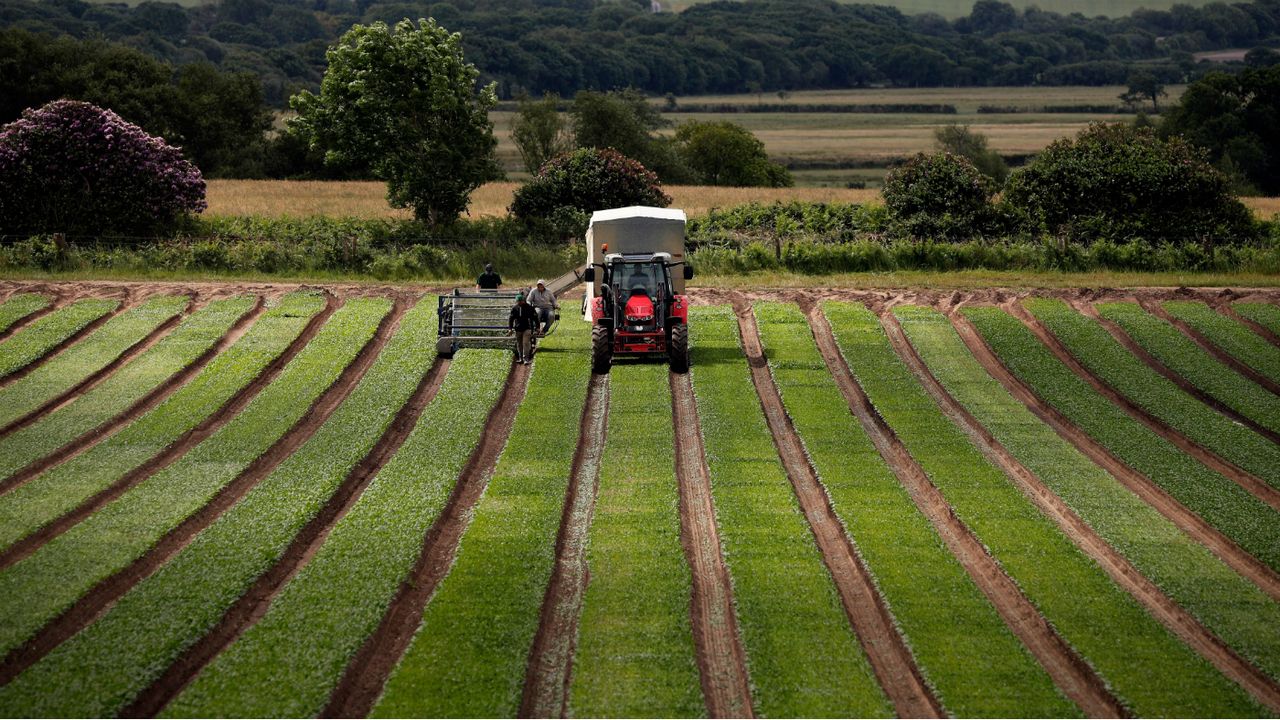
UK - Rural crime cost Wales £2.2m last year despite fall in offences
Rural crime cost Wales an estimated £2.2 million last year, with organised criminals continuing to target tractors, livestock and farming equipment despite an overall fall in offences, according to a new report.
04.06.2026

Kenyan Agro-Insurance Startup, Pula Raises US$ 20 Million in Series B Round
Pula, a Kenyan startup that offers insurance to small-scale farmers, aims to serve more than 100 million farmers in Africa after raising US$ 20 million in its Series B round.
04.06.2026
USA - USDA announces $52M to boost public access to private lands for hunting, fishing
The U.S. Department of Agriculture is announcing $52 million to help state and tribal governments encourage private landowners to allow public access to their land for hunting, fishing and other wildlife-dependent recreation through the Voluntary Public Access and Habitat Incentive Program (VPA-HIP).
04.06.2026

Hope Grows in Malawi’s Grain Stores as Farmers Battle Post-Harvest Losses
Some grain rots in poorly ventilated storage. Some is eaten by pests. Some is damaged during drying or transportation before it ever reaches the market.
03.06.2026
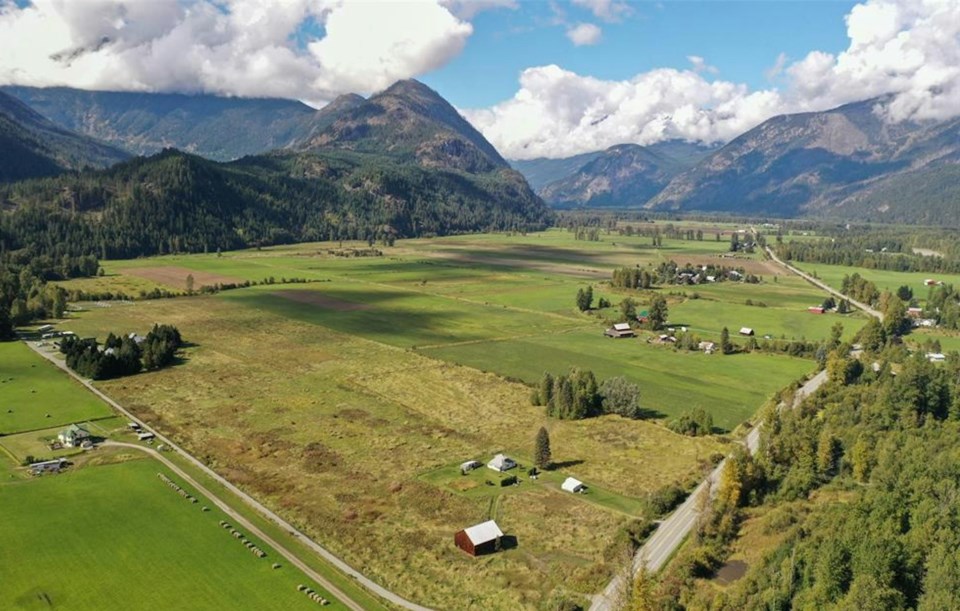
Canada - AFSC extends several northern Alberta seeding dates for 2026
Alberta’s Agriculture Financial Services Corp. (AFSC) is extending the recommended seeding dates in the province’s northeast, northwest and Peace regions for several crops for the 2026 growing season only.
03.06.2026

India - Elephants run amok in Konaje agricultural farm, cause massive crop damage
A herd of elephants, including calves, wreaked havoc on an agricultural farm belonging to Yashodhara Gowda at Pallattadka in Konaje village of Kadaba taluk.
