


India - Storm brews inside a Darjeeling tea cup
05.06.2017 415 views
There has been a steady decline in the output of Darjeeling tea over the last few decades with production stagnating at around 8 million kgs over the last few years. The slopes of eastern Himalayas, is the only region in the world, where this tea with its unique muscatel flavour can be grown.
Output stood at 8.42 million kgs in 2014, rising to 8.69 million kgs in 2015 before dropping to 8.45 million kgs in 2016, official statistics show. According to Darjeeling Tea Association, output stood at 14 million kgs in 1991. There are some 87 operational tea estates in Darjeeling which grow and manufacture the leaves, most of which is exported .
Admitting that production has stagnated, Darjeeling Tea Association chairman Binod Mohan told The Hindu that climate-change impact, lack of technical support and inadequate region-specific or organic research were among factors at play leading to crop stagnation. Conversion to organic-cultivation in tune with international trends has also affected yield.
“ There is also large-scale absenteeism among the 60,000 strong workforce ( 60 % women),” Mr Mohan said, adding that the staff frequently abstain from work to attend to the horticulture crops, grown on small patches of land.” Darjeeling’s plantation area houses nearly four lakh people.
The industry is not only losing crop, but facing revenue-loss and most of the 35 companies with estates in Darjeeling make operational losses on the gardens. The high-cost of operations, coupled with un-remunerative prices especially for lower grades and the ageing bushes (average 75 years) have contributed to the current scenario, according to DTA officials.
Kaushik Basu, DTA, secretary general, said that with 55 per cent of the crop turning organic , production costs have risen with increased need for manpower and pest-management. He is also concerned about import of deceptively similar tea from Nepal, which is harming the industry.
The average production cost of the Darjeeling tea industry is round Rs 450 per kg. The fact that the erratic weather has mostly occurred during the peak `first-flush’ and `second- flush’ seasons (which yields the premium teas), has also affected earnings.
Harki Sidhu, Consulting Programme Co-ordinator, India, Rainforest Alliance, concurred that many grades of this exotic brew were selling below cost-of-production on quality-grounds. He however felt that the present cultivation-practices were equally to blame for the current state of affairs.
“ Declining soil-health, since the days of use of chemicals, is a major cause for concern .This coupled with the ageing bushes has led to quality drops and lower prices.. there is also loss of the top-soil due to indifferent weed-management practices.. the unique soil is being lost”, he rued.
“ That unique muscatel flavour comes from the micro-nutrients in the soil” he said, cautioning that industry will continue to lose crop, if it does not alter its current agri-practices.
Joydip Pukhan Tea Research Association Secretary said that TRA provides advisory services to the 70 member-estates. These pertain to the area of climate-change and the use of agro-chemicals. He said that the average yield is 470 kg/hectare.
Tea Board officials said that while there is no targeted programme for the Darjeeling tea industry, support is offered through the subsidy for replanation and rejuvenation of bushes. “We also provide support through subsidy for their orthodox tea output. GI protection is also given for the industry.” the official said.
Tea Board chairman P K Bezboruah said that the immediate task should be to get better prices for the lower grades (brokens and fannings) . Selling teas through auction will help price discovery.” Currently very little Darjeeling teas are sold through auction.
Source - http://www.thehindu.com
EVENTS

ScaleAgData Stakeholder Engagement Event
22.10.2024The ScaleAgData project is pleased to invite you to our second stakeholder event. Building on the discussions and connections formed during our first webinar, this event will focus on fostering collaboration among stakeholders, providing updates on our project’s progress, and outlining future opportunities for engagement.
RISK EVENTS

Moldova - May frosts caused heavy damage to fruit orchards
10.05.2026The first frosty nights of May have significantly worsened estimates of damage to Moldova's fruit sector from spring frosts. According to initial assessments by fruit market operators, between a quarter and a third of the country's total orchard area was seriously affected.
22.06.2026

USA - Frost and temperature swings threaten Maine wild blueberry crop
Wild blueberry growers in Maine are assessing the impact of late spring frosts following sharp temperature fluctuations that affected production areas across the state.
22.06.2026
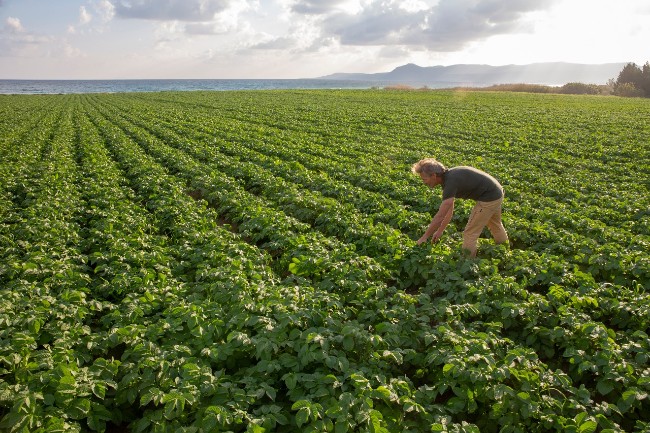
Cyprus to receive €4.6 million in EU aid for drought-hit farmers
European Commission releases agricultural reserve funding to help producers recover from weather-related losses.
22.06.2026

USA - Delaware expands deer damage assistance program as farmers face growing crop losses
Delaware farmers say deer are taking an increasing bite out of their bottom line this growing season, prompting state officials to expand assistance programs aimed at reducing crop damage.
22.06.2026

Brazil - Interest rate cut proposed to boost crop insurance
Agriculture Ministry wants to discuss with the government’s economic team a proposal to lower interest rates on operating loans for farmers who purchase insurance policies.
22.06.2026

Sri Lanka - Monkey census data pending, crop losses continue
Plantation Industries Ministry Secretary Gunadasa Amarasinghe says the ministry has not yet received the findings of the monkey census conducted recently at a cost of approximately Rs. 3.9 million.
22.06.2026
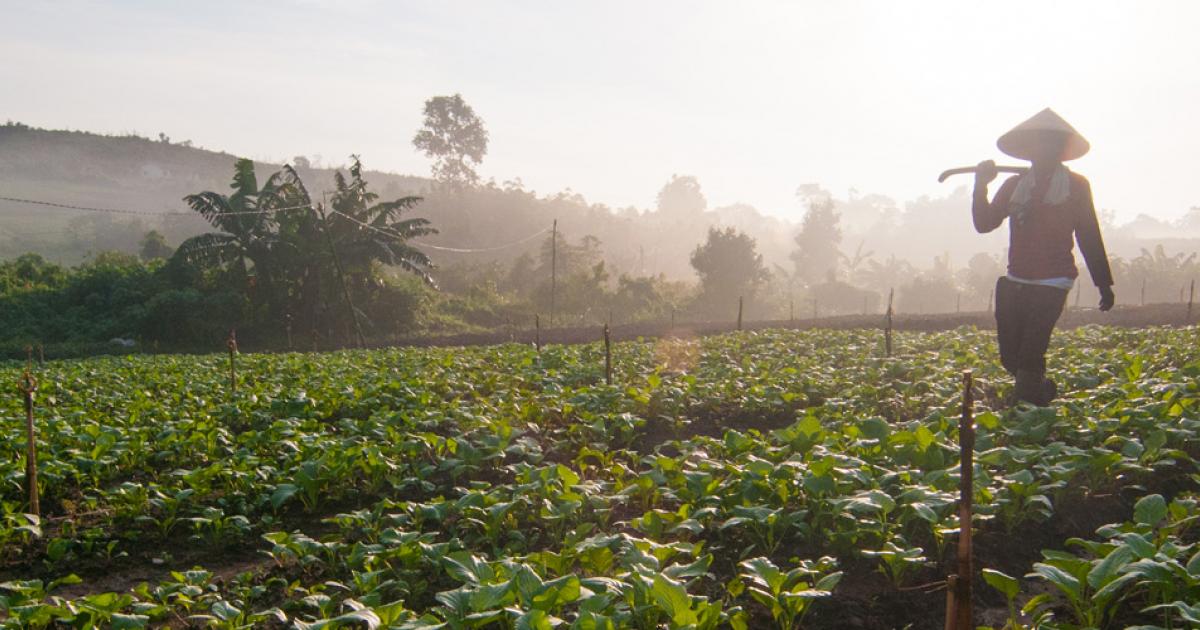
Indonesia - Jasindo Syariah’s At Yaltha: RI’s agri‑insurance potential is big
Sharia agricultural insurance is considered to have a strategic role not only in protecting farmers from the risk of crop failure, but also in strengthening food security and the national Islamic financial ecosystem.
21.06.2026
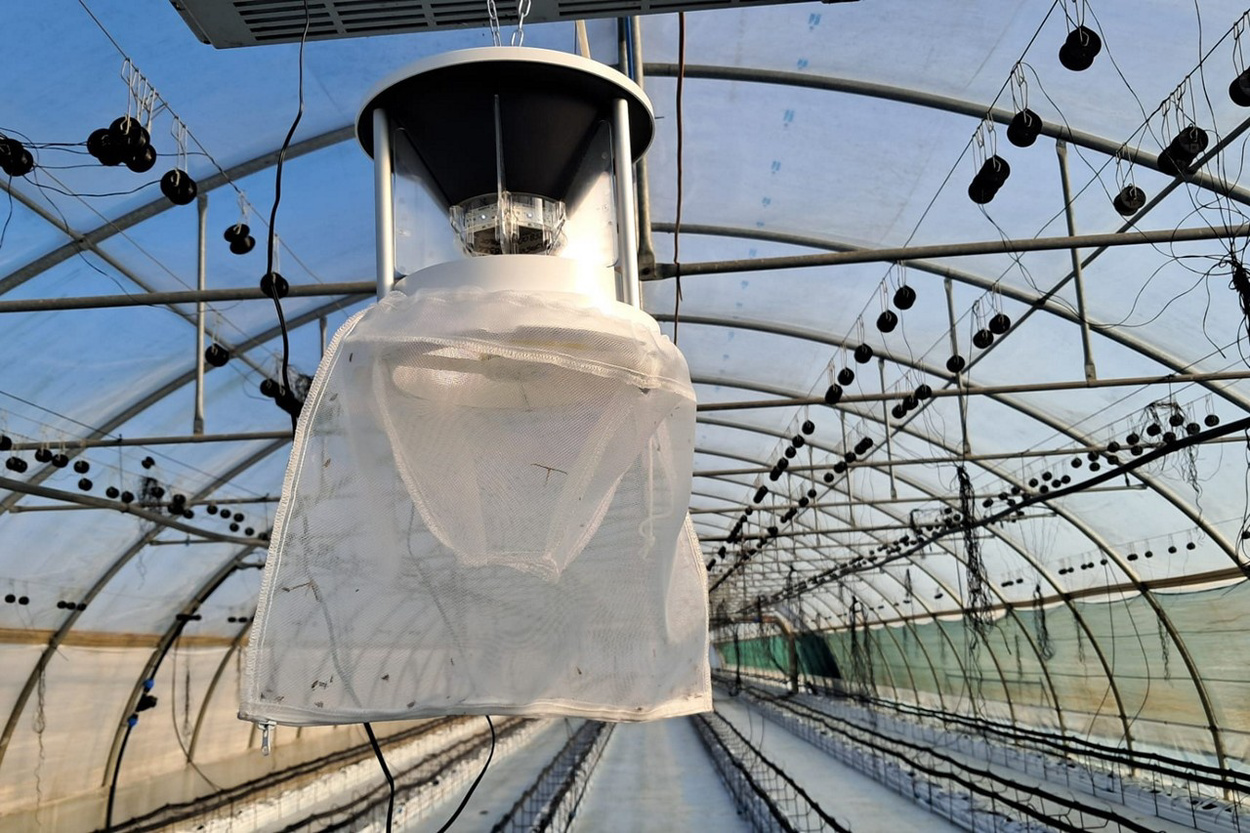
Italy - 60% less damage after luring tuta absoluta, and sucking them away
A field trial conducted by the Italian "Giorgio Nicoli" Agriculture and Environment Centre demonstrated that MO-EL Turbitrap 3700 light traps can significantly reduce damage from the tomato leafminer (Tuta absoluta) in greenhouse tomato production.
