

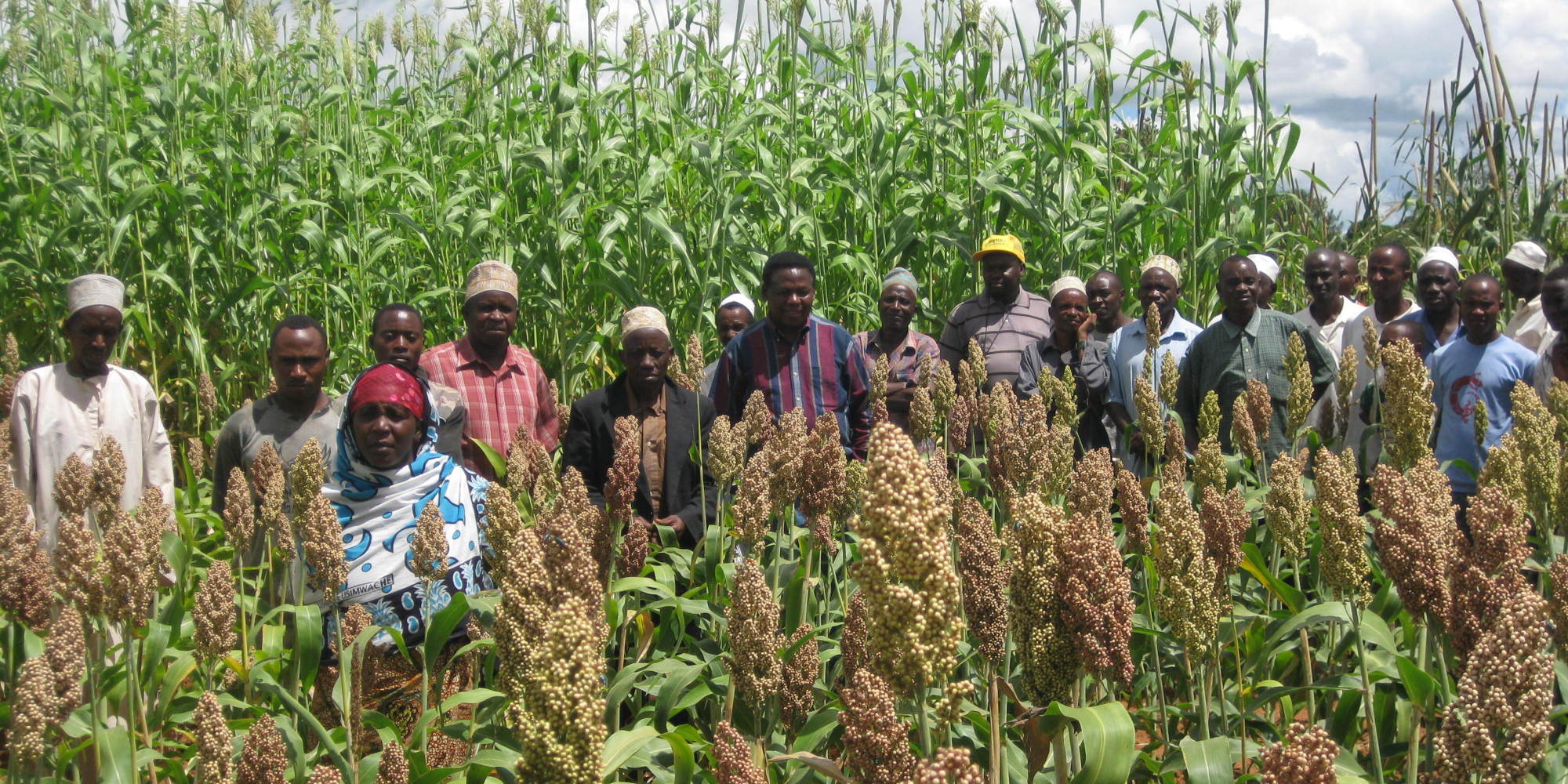
Kenya - Climate change hurting small farmers
05.12.2016 353 views
Rising temparatures, crop failure, loss of livelihoods and destitution in millions of households impact smallholder farmers across Africa’s agro-ecological landscapes.
To illustrate the unfolding crisis, let us consider the case of Malawi, one of the few countries to have achieved a fair deal of agricultural success but is now facing the worst drought in over three decades. As is the case with many countries in southern Africa, Malawi has experienced widespread crop failures due to a devastatingly strong El Niño.
The country witnessed late on-set of rains, erratic rainfall, floods and prolonged dry spells.
As a result, the production of maize is estimated at just over 2.5 million tonnes in 2016.
This is 16 per cent lower than the reduced harvest in 2015 and 34 percent below the previous five year average, leaving 39 percent of the population dependent on national and international food aid to survive.
In the hardest hit areas, harvest declined by 70 per cent while farmers in some areas simply couldn’t plant as the rains didn't come.
Dealing with this challenge in the future will require both efforts to reduce climate change and, most importantly, strategies to enable farmers to adapt to its effects. All eyes are now on the meeting taking place in Marrakesh of the world’s climate change experts and policy makers, which is seeking to set the world on track to reducing greenhouse gas emissions.
Last year, the experts met in Paris and reached a welcome agreement that seeks to limit the rise in global temperatures above pre-industrial levels by 2?. However, the emissions of greenhouse gases are not yet falling and the effects of climate change are worsening.
Nowhere else is the imperative to act more urgent than in Africa, where 70 per cent of the population is dependent on rain-fed, smallholder agriculture. As the case of Malawi demonstrates, rising temperatures often signal drought. This reality is here with us today, and far beyond Malawi and southern Africa.
For this reason, those of us from the African continent hope that this will give the first post-Paris meeting a greater sense of urgency. Inaction will be catastrophic.
Although Africa emits less than 3 per cent of the climate change inducing greenhouse gases, it will suffer its effects disproportionately.
Mean temperatures will rise faster than the global average, exceed 2°C and may reach as high as 3°C to 6°C by 2100. For every year our global leaders fail to make progress against their commitments, it is Africa’s families that will pay the greatest price.
This is not to leave everything in the hands of global leaders, as the prosperity of Africa and its farmers will also depend on how well farmers, especially smallholders, are able to adapt to the changing climate.
This is much more within our control. Indeed, the work of AGRA and our partners has shown that African farmers are not powerless in the face of climate change. There are many ways in which they can survive and even thrive despite the dramatic shifts in growing conditions.
For instance, farmers in some parts of Malawi, who are planting more drought-tolerant crops — cassava, sweet potato and pigeon pea — and using better agricultural practices are not only surviving the drought, they are expecting to generate a good income on this year’s harvest.
The insurance and finance sectors have also stepped up to the plate by designing innovative products that are minimising the effects of climate shocks to farmers.
Still in Malawi, tens of thousands of farmers in the worst hit areas south of the country will now have access to credit from a microfinance institution that has protected these loans with a yield insurance that covers the crops against the impact of floods and drought.
Overall, to achieve food security under climate change, the resilience of communities and individual farmers needs to be strengthened through pro-active and longer-term adaptation actions. Although a lot more is yet to be accomplished, the continent has invested in the development and adoption of many new agriculture innovations and technologies which should be scaled up.
We cannot put off further action on mitigating and adapting to climate change without expecting even greater pain for smallholder farmers and others around the world.
From Marrakesh to all countries’ capitals and decision-making tables around the world, I hope world leaders will seize the moment to take action and continue to put us on a path toward a better future.
A future where African smallholder farmers can fully exploit their potential to deliver food security, contribute to poverty reduction and achieve inclusive economic growth and development.
Source - https://www.standardmedia.co.ke
EVENTS

ScaleAgData Stakeholder Engagement Event
22.10.2024The ScaleAgData project is pleased to invite you to our second stakeholder event. Building on the discussions and connections formed during our first webinar, this event will focus on fostering collaboration among stakeholders, providing updates on our project’s progress, and outlining future opportunities for engagement.
RISK EVENTS

Moldova - May frosts caused heavy damage to fruit orchards
10.05.2026The first frosty nights of May have significantly worsened estimates of damage to Moldova's fruit sector from spring frosts. According to initial assessments by fruit market operators, between a quarter and a third of the country's total orchard area was seriously affected.
04.06.2026

India - Delhi raises crop damage compensation after 10 years by over 50% to Rs 75,000 per hectare
In a major relief for farmers, the Delhi government has increased compensation for crop loss caused by rain and hailstorms from Rs 20,000 per acre to Rs 75,000 per hectare.
04.06.2026

Why Tech-Driven Agro-Insurance Has Stumbled in Ethiopia
For decades, Ethiopia’s agricultural sector has remained trapped in a dangerous paradox.
04.06.2026
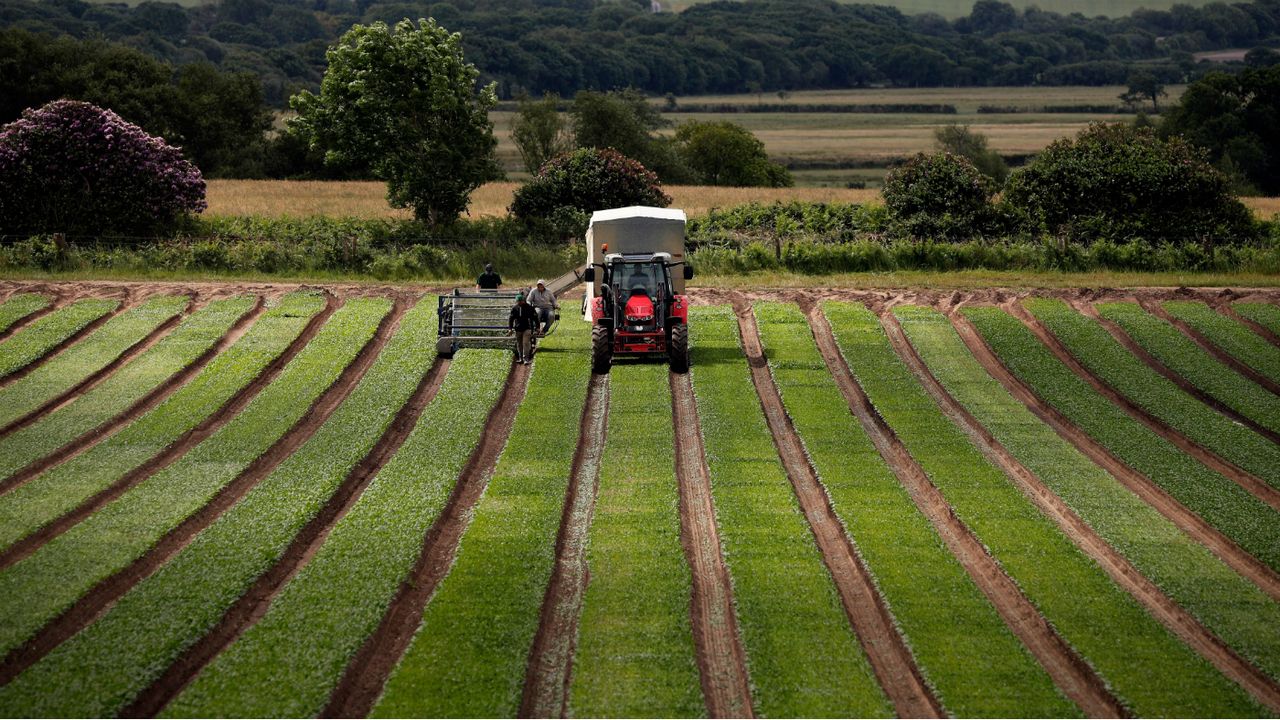
UK - Rural crime cost Wales £2.2m last year despite fall in offences
Rural crime cost Wales an estimated £2.2 million last year, with organised criminals continuing to target tractors, livestock and farming equipment despite an overall fall in offences, according to a new report.
04.06.2026

Kenyan Agro-Insurance Startup, Pula Raises US$ 20 Million in Series B Round
Pula, a Kenyan startup that offers insurance to small-scale farmers, aims to serve more than 100 million farmers in Africa after raising US$ 20 million in its Series B round.
04.06.2026
USA - USDA announces $52M to boost public access to private lands for hunting, fishing
The U.S. Department of Agriculture is announcing $52 million to help state and tribal governments encourage private landowners to allow public access to their land for hunting, fishing and other wildlife-dependent recreation through the Voluntary Public Access and Habitat Incentive Program (VPA-HIP).
04.06.2026

Hope Grows in Malawi’s Grain Stores as Farmers Battle Post-Harvest Losses
Some grain rots in poorly ventilated storage. Some is eaten by pests. Some is damaged during drying or transportation before it ever reaches the market.
03.06.2026
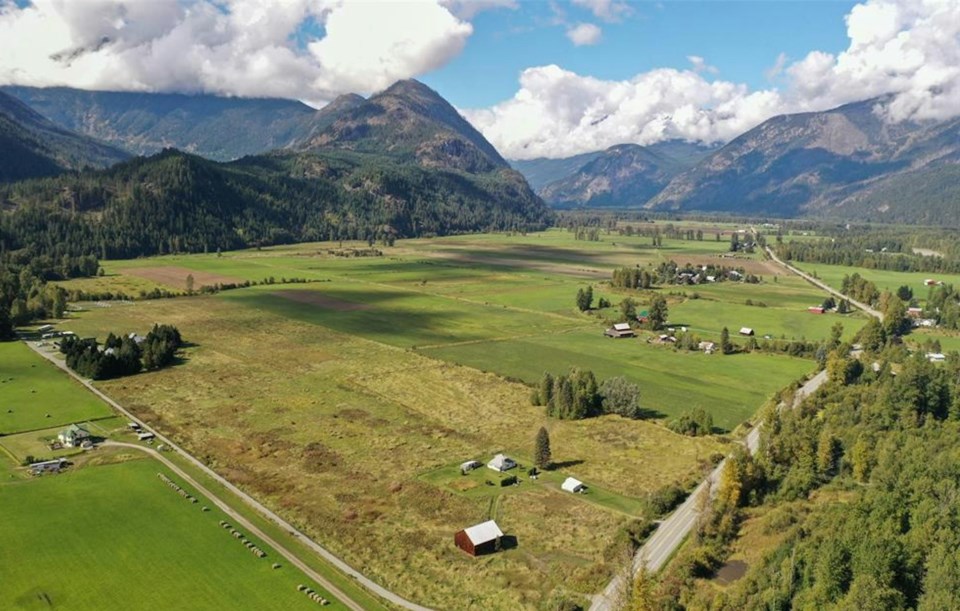
Canada - AFSC extends several northern Alberta seeding dates for 2026
Alberta’s Agriculture Financial Services Corp. (AFSC) is extending the recommended seeding dates in the province’s northeast, northwest and Peace regions for several crops for the 2026 growing season only.
03.06.2026

India - Elephants run amok in Konaje agricultural farm, cause massive crop damage
A herd of elephants, including calves, wreaked havoc on an agricultural farm belonging to Yashodhara Gowda at Pallattadka in Konaje village of Kadaba taluk.
