

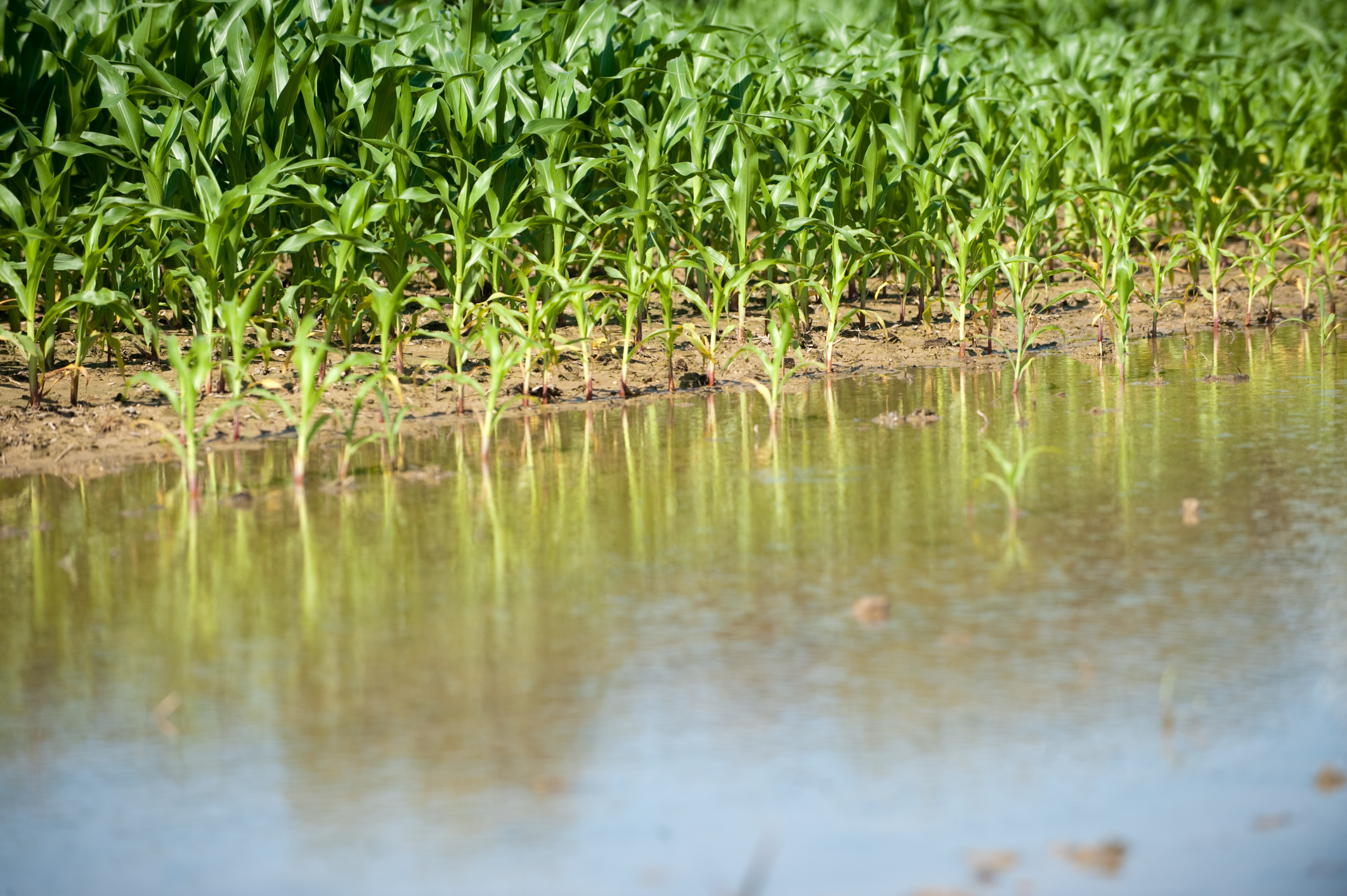
Kenya - Maize shortage fears over excess rains
12.02.2020 694 views
Mt Kenya region is expected to suffer from its staple maize shortage following excessive rains that continue to pound the country, delaying harvesting and triggering aflatoxin contamination, several county ministers of agriculture have said.
In Kirinyaga, Embu, Nyandarua, Murang’a and Meru, maize is yet to be harvested as farmers await rains to ease, but that appears not to be happening.
Already, the Kenya Meteorological Department has forecast rains up to June, leaving the county ministers of agriculture to seek alternative options of getting food out of farm under excess rainfall. Harvesting of maize usually happens in January in most parts of Central Kenya.
Maize is usually grown in lower zones where coffee and tea do not do very well and provide household food security to families for a better part of the year.
However, with the current threat, there is a risk of the maize crop rotting in the farm, or upon harvest due to wet and cold conditions, which will force households to buy maize, affecting their household budgets.
This puts more burden to households because of disruption of the rice market, the second staple, following President Uhuru Kenyatta’s direction that most of it are bought by the government for further distribution and at a higher price.
Kirinyaga County Director of Agriculture Benson Mukungo says maize is ready for harvest but the heavy rains have hindered harvesting. Wait and see tactic “We have advised our farmers to give it a little more time to see whether the weather may improve and give them time to harvest their crop,” he said.
Mukungo said the problem is further worsened by the fact that farmers lack proper storage facilities and would lose their crop if the rains persist.“Farmers do not have driers. Most of them rely on the sun to dry their produce. With these rains, we are just hoping it is going to stop for the maize to dry,” Mukungo said.
“Farmers are ready to harvest, but the exercise has been hampered by the ongoing rains,” he said. He said the county has a mobile drier which the farmers can utilize but it will not be enough for the farmers in the entire county.“We are making plans to step up the use of our mobile dryers to help framers to dry their grain,” the director said.
He said farmers can also take advantage of the driers at the National Cereals and Produce Board at Sagana to dry their maize at a fee of Sh30 per every drop of moisture from a 90-kilogram bag.
Mukungo said farmers are also being educated on how to handle their harvest to make sure it is free of aflatoxin.
He said farmers should not dry the maize on the ground but should use a raised platform where there is a free flow of oxygen even as the drying takes place gradually” he said.
Dr. James Karitu, Nyandarua CEC for Agriculture said he expects maize yields to reduce by at least 10 percent because excessive rains have led to their being affected by the head smart disease, a fungal infection, despite what was expected as a pumper harvest.
Longer duration “The rains have continued through December to February, the time which Nyandarua farmers harvest maize, subjecting the crop to rotting and risk of getting aflatoxin,” Karitu said.
Karitu says the county is considering constructing driers for the maize growing areas to avert such problems in the future. Excessive rain has also affected potato production. Nyandarua controls 33 percent of national potato production according to various data.
“The prolonged rain leads to waterlogging subjecting the crop to uncontrollable blight and bacterial wilting due to excess moisture. This let to potato production in the county to drop by 23 percent,” Karitu said.
He says the county plans to provide farmers with disease-resistant certified potato seeds to mitigate against such challenges in the future. Wheat, oat, and barley have not been spared either. The heavy rain has caused grain rotting, molding and sprouting.
Karitu says the percentage loss has not been quantified. In Murang’a the CEC for Agriculture Albert Mwaniki said while consistent rains have ensured a bumper maize harvest there is a risk of it rotting in the farms because of the excessive rainfall.
He, however, said there is hope because the weather has become warmer. He, however, cautioned farmers against harvesting their maize until warm weather is realized to avoid the risk of contamination by aflatoxins.
“Farmers just need to ensure that the maize is completely dry before they store it,” he said. He said the tea sector has however been most affected by the heavy rains as thousands of bushes were swept away by landslides in the higher tea zones.
But as farmers whose farmers were affected by landslides faced immense losses, others were celebrating increased harvests.
Mwaniki noted that there is a danger of more landslides if the rains continue and reiterated the need for farmers to report any signs of earth movement in their farms to the authorities.
Road network problem
“Some roads have also developed huge cracks and may be more affected with continued rains, making it impossible for farmers to sell their farm produce,” Mwaniki said, citing Gataka-in village in Gatanga whose road has developed cracks after experiencing landslides that swept way tea farms.
Mwaniki also cited Kahatia village in Kahuro sub-county were 12 tea farms have sunk into the ground and become inhabitable. Another landslide destroyed over 2,000 tea bushes in Githambo village.
He has said the county government will continue with its free maize seeds program. Through the program, at least 250,000 homesteads are issued with maize seeds before the planting season begins.
The program that was started in 2017 has eradicated food insecurity in the county and saved locals from reliance on relief food. Nakuru County has already lost nearly an entire maize crop said Dr. Immaculate Nduma, the CEC for Agriculture.
Maize was affected by the heavy December rains which led to rotting in the farms. Potatoes faced great challenges twice in the year 2019 by the delay of rains that come in mid-May thus leading to low production, and later in December season, they were severely affected by the bright disease due to heavy rains and frost.
Dr. Immaculate, therefore, urged the farmers to start planting as they would do in March to utilize the ongoing rains effectively by planting short-season crops.
“A time like this, we usually experience the dry season with little unreliable rainfalls making farmers engage in irrigation to sustain the growth of their short-season crops, mainly vegetables, potatoes, and tomatoes. But as a result of the rains, the crops are thriving on well, thus easing the irrigation costs to the farmers since there is plenty of moisture level in the soil.”
The ongoing rains will persist in several parts of the country until June, the Director of Meteorological Services Stella Aura said when releasing the March-May weather outlook at the Meteorological department headquarters in Nairobi.
The onset of rains in the Central highlands including Nairobi, Nyeri, Kirinyaga, Murang’ a, Embu, Meru, Kiambu, and Nyandarua is expected in the second to the third week of March. The forecast shows it will end in the third or fourth week of May.
In Nakuru and Laikipia, rainfall is expected in the first to the second week of March and will continue into June, while Kajiado, Kitui, Makueni, Machakos and Tana River will start experiencing rain in the third week of March until mid-May.
Source - https://www.standardmedia.co.ke
EVENTS

ScaleAgData Stakeholder Engagement Event
22.10.2024The ScaleAgData project is pleased to invite you to our second stakeholder event. Building on the discussions and connections formed during our first webinar, this event will focus on fostering collaboration among stakeholders, providing updates on our project’s progress, and outlining future opportunities for engagement.
RISK EVENTS

Moldova - May frosts caused heavy damage to fruit orchards
10.05.2026The first frosty nights of May have significantly worsened estimates of damage to Moldova's fruit sector from spring frosts. According to initial assessments by fruit market operators, between a quarter and a third of the country's total orchard area was seriously affected.
25.10.2026

Dominican Republic - Tornado and rain cause crop damage in Valverde
A gust of wind described by producers and agricultural authorities as a small tornado caused considerable damage to banana and plantain plantations in Valverde province, where heavy rains on Wednesday afternoon affected hundreds of acres of crops and threaten the income of farmers in the area.
25.10.2026
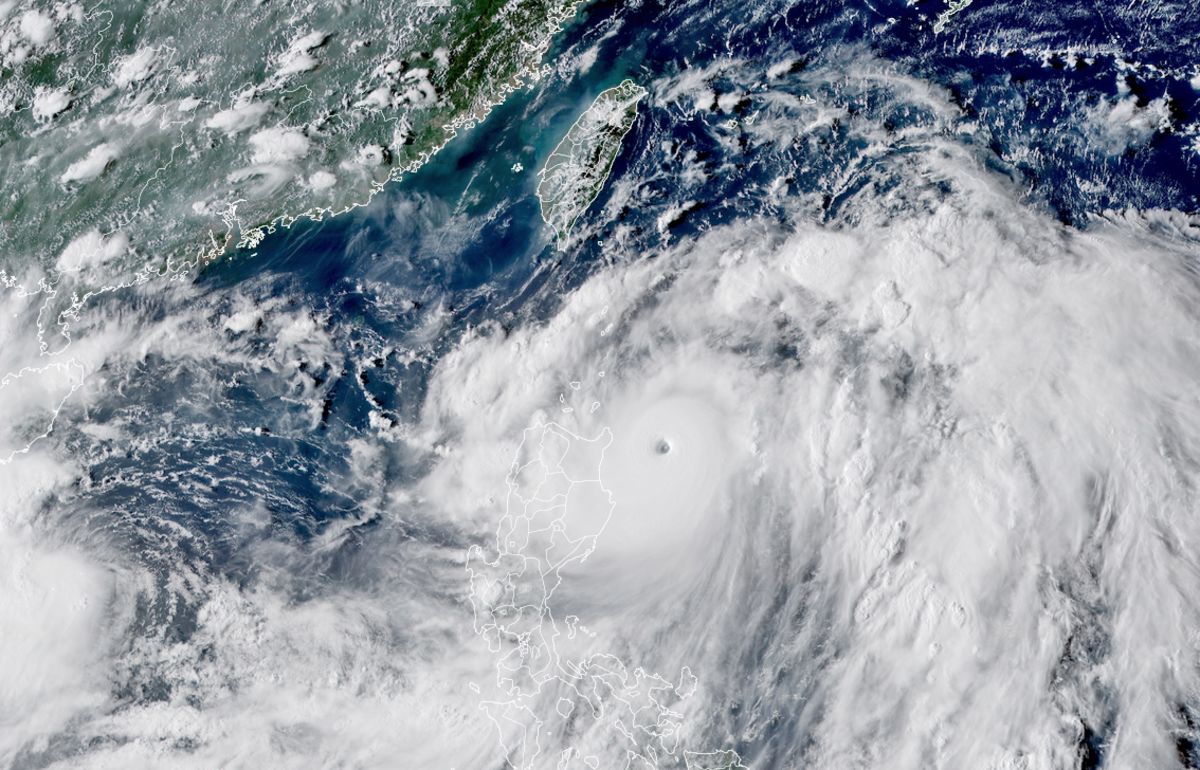
Taiwan - Typhoon Champi causes NT$133 million in agricultural losses
Yunlin accounts for 82% of estimated damage, with garlic hit hardest.
25.10.2026
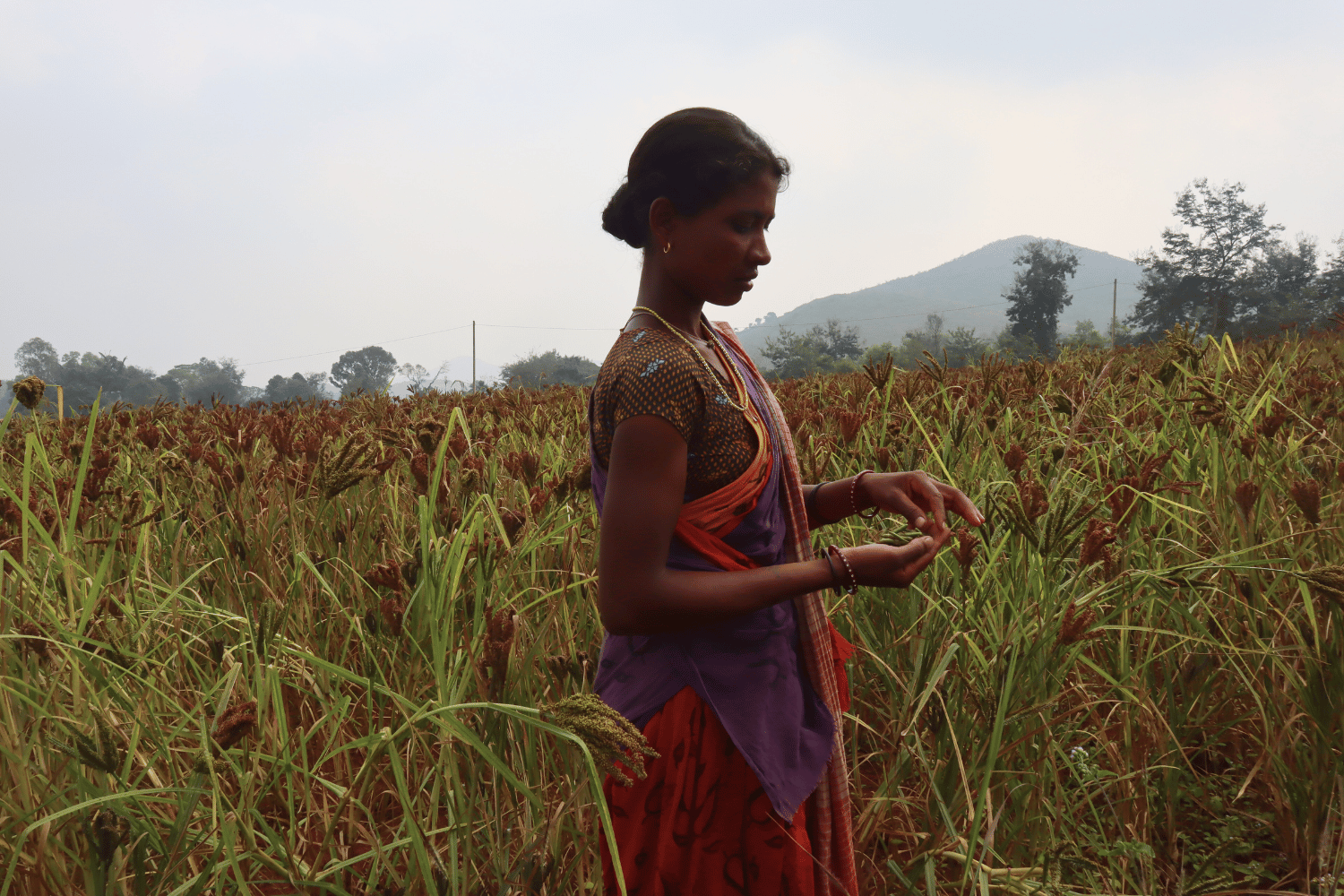
Financial safety nets and smart farming are key to climate resilience for farmers in India’s drylands
Financial inclusion, crop insurance, and public work programs are bridging the resilience gap for marginal farmers in India’s drylands, proving that institutional support matters more than farm size.
25.10.2026
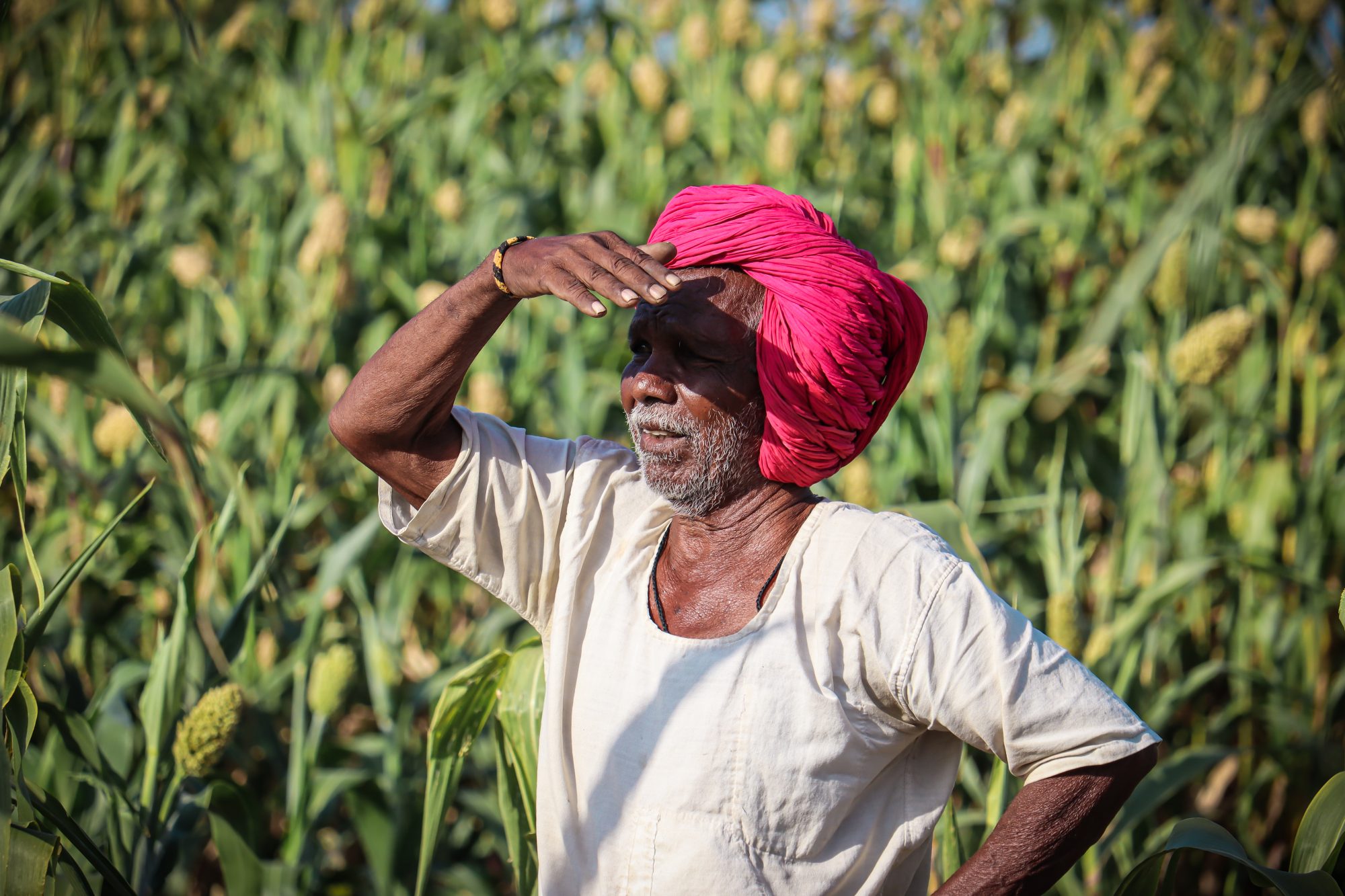
India - MP Irrigation Project to Benefit 72,000 Farmers
Madhya Pradesh has launched a ₹2,387-crore irrigation project for 260 villages in Dhar and Jhabua, targeting 57,422 hectares and 72,000 farmers.
25.10.2026
Southeast Asian haze cuts vegetable supplies and raises prices in Singapore
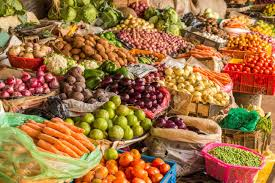
Prolonged haze across Southeast Asia is affecting vegetable imports into Singapore, with wholesalers reporting reduced supplies, smaller crops, and higher prices. Reduced sunlight is limiting photosynthesis and slowing crop growth.
25.10.2026

Camellia warns of trading loss as costs rise and crop prices weaken
Camellia expects a trading loss of £3 million to £5 million for 2026, reversing last year’s £1 million trading profit as rising costs and weaker avocado and macadamia prices squeeze the agricultural group.
22.10.2026
USA - Cotton Producers Face New ARC PLC Decision Deadline
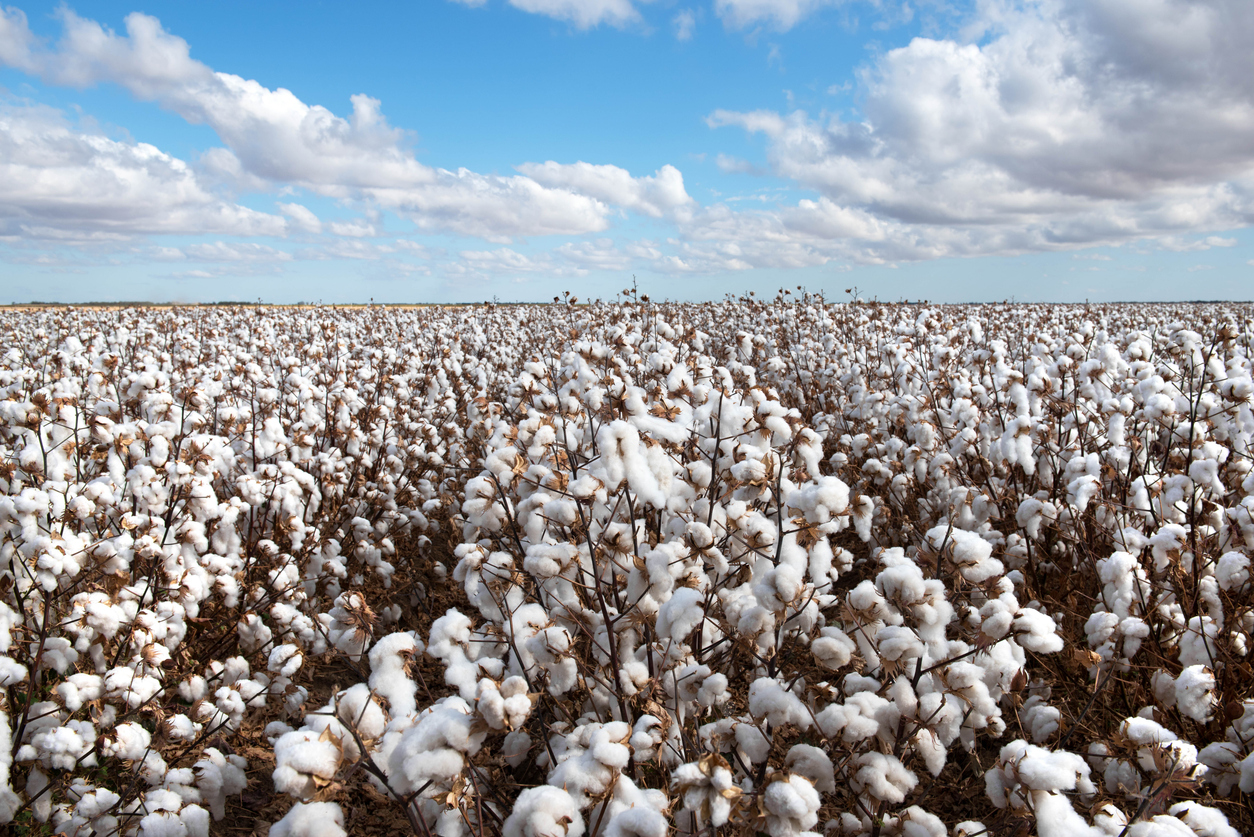
The special provision giving producers the higher of ARC or PLC for 2025 will not continue next year.
22.10.2026
Pakistan - Punjab unveils £300,000 climate-resilient agriculture project for Cholistan and Thal
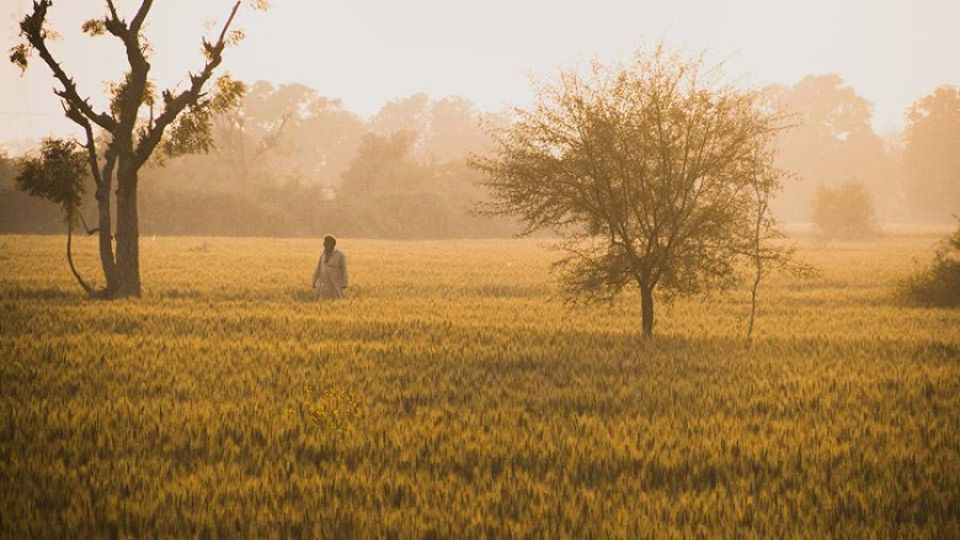
The Government of Punjab announced a 300,000-pound pilot project to establish climate-resilient agriculture across arid desert regions. The 12-month targeted initiative specifically focuses on farming communities operating within the vulnerable Cholistan and Thal desert ecosystems.
