

Kenya - Subsidized insurance bolsters herders against drought
21.04.2016 518 views
At 7am, the Kubi-Qallo borehole near Goro Rukesa village in northern Kenya is already a hive of activity, as dozens of herders line up for their animals' turn to drink at the watering trough.
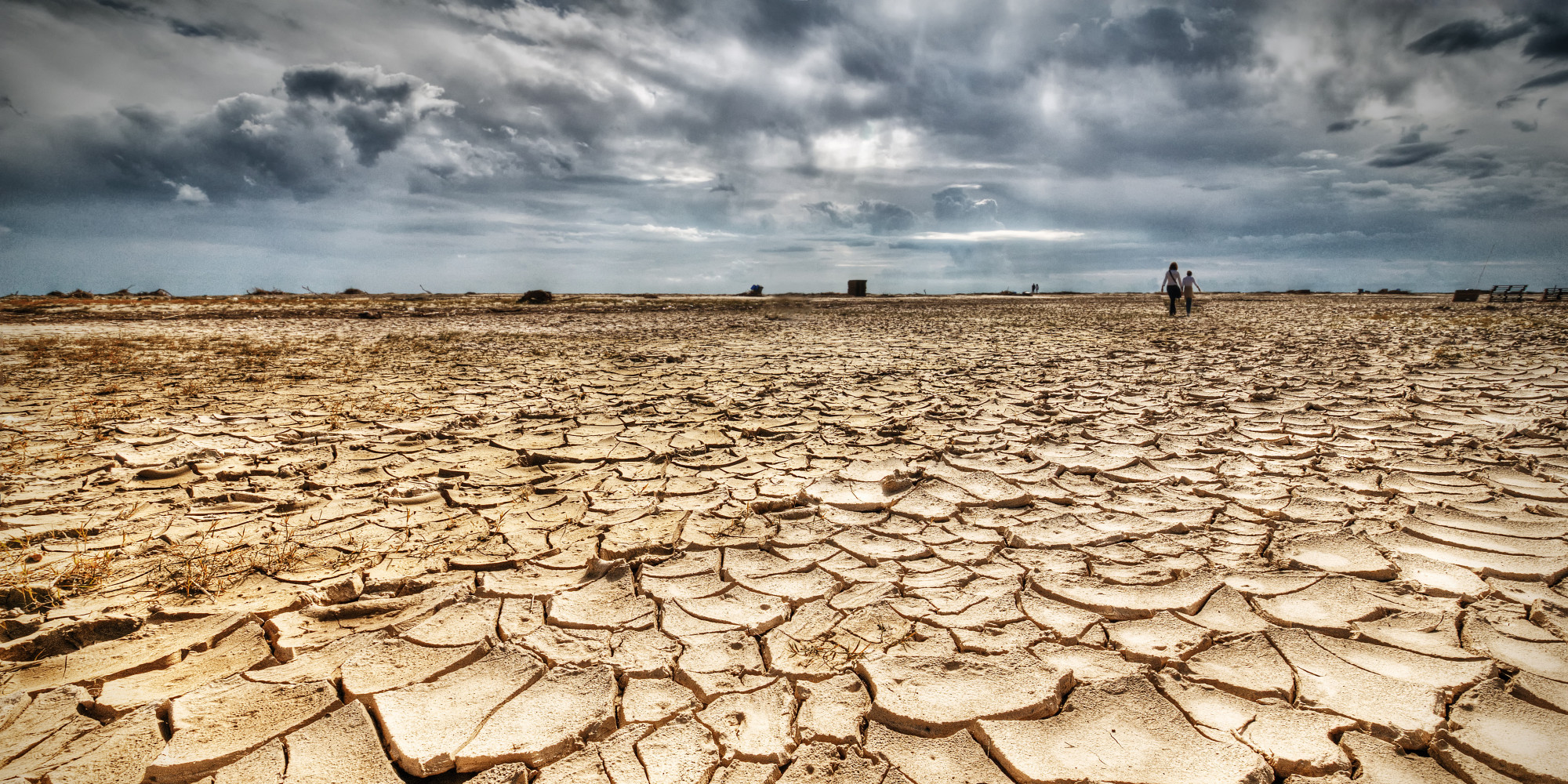
Five years ago, it didn’t rain for a whole year in this part of Marsabit County. Scarcity of forage and water wiped out Ali Kula’s stock of 50 cattle and around 100 goats.
“It was painful to see my cattle and goats die in the field for lack of grass,” he said. The government bought his few remaining cattle for 2,000 shillings ($20) each.
By the time he received a payout for his two insured cows, it was too late. He couldn't save his cattle, and his family ended up depending on food aid.
But the next time the rains fail, things will be different for Kula, now queuing at noon with his 10 cattle and 30 goats for water from the solar-powered borehole.
Unlike in the past, when he didn't know what he would do if drought hit, the 38-year-old is confident at least some of his livestock would survive.
That is because he has spent around $30 to insure one of his cattle and 10 goats through a new livestock insurance product.
It uses satellite imagery to determine forage availability, with payouts triggered when a lack of rain shrinks grazing to less than 20 percent of ideal conditions.
The index-based insurance program is run by the Kenya-based International Livestock Research Institute (ILRI), and funded by the British, U.S. and Australian governments and the European Union. The donors subsidize the cover to make it affordable for pastoralists.
A range of insurance companies sell policies to herders across northern Kenya and southern Ethiopia.
PROTECTION AGAINST LOSS
ILRI first piloted index-based insurance in Marsabit in 2010. Then, clients received payouts after a drought, at the end of a failed rainy season, to help them replace their assets.
By the time payouts were made, some or all of the clients’ cattle, sheep, goats and camels had died, causing households like Kula’s to lose their entire source of income.
According to the Kenya Post-Disaster Needs Assessment for the 2008-2011 drought, there were substantial livestock deaths in that period, mostly in the north, worth an estimated KSH 56.1 billion ($561 million).
That situation pushed ILRI to adjust the insurance product to pay out faster. "We are now providing asset protection,” said Andrew Mude, the principal economist in charge of the ILRI project. “The idea is to intervene before loss.”
With the new product, livestock owners are compensated when satellite imagery reveals poor rains have caused forage to become scarce, meaning they receive the money before their animals starve to death.
That has persuaded more herders to purchase the insurance, Mude said.
Marsabit County again served as the test ground for the improved product. Edin Ibrahim, an insurance coordinator with APA Insurance there, said he had seen a significant increase in sales after the launch.
Prior to the first payout under the new product in 2015, his agents made sales to 644 clients. This year, they have already sold 1,000 contracts.
“Our clients now understand the concept better. When rain fails, they get payouts to sustain their livestock until the rain comes,” Ibrahim said.
FREE COVER
Even so, some households cannot afford the premiums to insure their livestock. Others like Kula can only cover a proportion of their animals.
To help them, Kenya’s Ministry of Agriculture has enlisted financial support from donors to assist poor households in insuring at least five tropical livestock units (TLUs) for free.
One unit represents either one cow, 10 goats, 10 sheep or 0.7 camels, with the payout per unit set at KSH 14,000 ($140). The amount is based on how much it would cost to keep animals alive rather than replace them.
So far, the government has launched this assistance in Turkana and Wajir counties, where around 5,000 households have benefited from free insurance.
“These households represent 420,000 people whose livelihoods have been safeguarded,” said Julius Kiptarus, Kenya’s director of livestock.
He expects that by March 2017, poor households will have access to free coverage in northern Kenya's other counties, including Marsabit.
Unlike in 2010, when Kula’s family had to depend on food aid, the herder can rest easy in the knowledge that his main source of income will remain intact at the end of the dry season.
If drought comes, he already has his course of action figured out for when he gets his insurance payment.
“I will buy enough feed for all my cattle and goats. I will also buy medicine for them, and use the rest of the money to buy household items for my family,” said Kula.
(Reporting by Anthony Langat; editing by Megan Rowling. Please credit the Thomson Reuters Foundation, the charitable arm of Thomson Reuters, that covers humanitarian news, women's rights, trafficking, corruption and climate change.
Source - reuters.com
EVENTS

ScaleAgData Stakeholder Engagement Event
22.10.2024The ScaleAgData project is pleased to invite you to our second stakeholder event. Building on the discussions and connections formed during our first webinar, this event will focus on fostering collaboration among stakeholders, providing updates on our project’s progress, and outlining future opportunities for engagement.
RISK EVENTS

Moldova - May frosts caused heavy damage to fruit orchards
10.05.2026The first frosty nights of May have significantly worsened estimates of damage to Moldova's fruit sector from spring frosts. According to initial assessments by fruit market operators, between a quarter and a third of the country's total orchard area was seriously affected.
04.06.2026

India - Delhi raises crop damage compensation after 10 years by over 50% to Rs 75,000 per hectare
In a major relief for farmers, the Delhi government has increased compensation for crop loss caused by rain and hailstorms from Rs 20,000 per acre to Rs 75,000 per hectare.
04.06.2026

Why Tech-Driven Agro-Insurance Has Stumbled in Ethiopia
For decades, Ethiopia’s agricultural sector has remained trapped in a dangerous paradox.
04.06.2026
UK - Rural crime cost Wales £2.2m last year despite fall in offences
Rural crime cost Wales an estimated £2.2 million last year, with organised criminals continuing to target tractors, livestock and farming equipment despite an overall fall in offences, according to a new report.
04.06.2026

Kenyan Agro-Insurance Startup, Pula Raises US$ 20 Million in Series B Round
Pula, a Kenyan startup that offers insurance to small-scale farmers, aims to serve more than 100 million farmers in Africa after raising US$ 20 million in its Series B round.
04.06.2026

USA - USDA announces $52M to boost public access to private lands for hunting, fishing
The U.S. Department of Agriculture is announcing $52 million to help state and tribal governments encourage private landowners to allow public access to their land for hunting, fishing and other wildlife-dependent recreation through the Voluntary Public Access and Habitat Incentive Program (VPA-HIP).
04.06.2026

Hope Grows in Malawi’s Grain Stores as Farmers Battle Post-Harvest Losses
Some grain rots in poorly ventilated storage. Some is eaten by pests. Some is damaged during drying or transportation before it ever reaches the market.
03.06.2026
Canada - AFSC extends several northern Alberta seeding dates for 2026
Alberta’s Agriculture Financial Services Corp. (AFSC) is extending the recommended seeding dates in the province’s northeast, northwest and Peace regions for several crops for the 2026 growing season only.
03.06.2026

India - Elephants run amok in Konaje agricultural farm, cause massive crop damage
A herd of elephants, including calves, wreaked havoc on an agricultural farm belonging to Yashodhara Gowda at Pallattadka in Konaje village of Kadaba taluk.
