

Kenya - World Bank backs index insurance scheme to assist farmers
18.03.2016 775 views
Farmers in Kenya are set to benefit from the launch of a new innovative, index insurance scheme which utilises advanced technology and satellite data to assist agricultural workers in the face of flooding and drought conditions.
Collaboration between public and private sector entities, with the assistance of the World Bank has resulted in the launch of an important Government-backed insurance scheme in Kenya, the Kenya National Agricultural Insurance Program and Kenya Livestock Insurance Program (KLIP), helping to protect the livelihoods of some of the region’s poorest against the negative impacts of natural disasters and severe weather.
“This partnership between government and the private sector for the benefit of vulnerable farmers builds on international good practice and is innovative,” said Olivier Mahul, Program Manager of the Disaster Risk Financing and Insurance Program at the World Bank.
One aspect of the new scheme will focus on livestock insurance, while another will be dedicated on protecting maize and wheat production, explains the World Bank, noting that the programme has been designed and built on experiences of comparable programmes in Mexico, India, and China.
Interestingly, both programmes utilises advanced technology to establish an index that will be used to determine when a policy is triggered, essentially using satellite data to assess the impact adverse weather events have had on livestock and crop conditions.
Mahul expands on this point, “The program introduces a state-of-the-art method of collecting crop yield data, using statistical sampling methods, GPS-tracking devices, and mobile phones. This offers the promise of greater accuracy and transparency.”
“This program could pave the way for other large scale agricultural insurance programs in Africa,” said Mahul.
Beyond Africa, should the initiative be successful in assisting governments and farmers cope with the financial burden of losing agricultural revenue owing to catastrophe events, it’s possible the scheme could be replicated and launched in other countries and regions that are susceptible to natural disaster events and have a strong reliance on the agricultural sector.
At scale programs like this could also require reinsurance protection, which given the parametric nature of the underlying insurance may result in opportunities for insurance-linked securities (ILS) players as well as traditional reinsurance firms.
Drought and flooding events can be extremely detrimental to food production and cattle in numerous regions across the globe, places that often have little or no insurance penetration but regularly feel the force of adverse weather events.
The innovative use of satellites, mobile phones, and other advanced technology underlines the potential for this type of scheme to be replicated and put to good use in other emerging, underserved and underinsured regions.
“The large majority of the poor in Kenya are farmers, so this program has the potential to have a significant impact on Kenya’s economic development. This program aims at improving farmers’ financial resilience to these shocks and will enable them to adopt improved production processes to help break the poverty cycle of low investment and low returns,” explained Diarietou Gaye, the World Bank’s Country Director for Kenya.
KLIP will obtain data from satellites to estimate the availability of pasture on the ground and will trigger a payout to participating farmers when pasture availability falls below a predetermined threshold.
It’s a smart and innovative approach, as while the two schemes don’t payout based on the actual flood or drought event, the data received from satellites, GPS and so on, takes into account the weather event and determines if a payout will be triggered from the resulting impact on pasture, crop production, and so on.
The World Bank cites that the KLIP initiative was first introduced in October of last year for 5,000 farmers throughout Turkana and Wajir, with plans to significantly broaden its reach by 2017.
During the six-year period of 2005 to 2011, the Kenya Government estimates that it spent more than $69 million a year on disaster relief. Schemes such as KLIP will alleviate some of the financial burden the government is faced with after a catastrophe strikes, meaning greater economic and financial stability post-event, and also faster recovery.
The work of the World Bank in initiatives such as this demonstrates how index insurance technology and structures can be utilised to provide insurance to the very poorest, while as they grow over time creating parameterised pools of risk which can provide opportunity to reinsurance and ILS capital.
These initiatives demonstrate the future of insurance for weather and certain catastrophe risks, in regions where indemnity coverage remains impossible. They may also demonstrate that their efficiency suggests that the coverage should always remain index or parametric based, while technology provides the trigger data.
Source - artemis.bm
EVENTS

ScaleAgData Stakeholder Engagement Event
22.10.2024The ScaleAgData project is pleased to invite you to our second stakeholder event. Building on the discussions and connections formed during our first webinar, this event will focus on fostering collaboration among stakeholders, providing updates on our project’s progress, and outlining future opportunities for engagement.
RISK EVENTS

Moldova - May frosts caused heavy damage to fruit orchards
10.05.2026The first frosty nights of May have significantly worsened estimates of damage to Moldova's fruit sector from spring frosts. According to initial assessments by fruit market operators, between a quarter and a third of the country's total orchard area was seriously affected.
04.06.2026

India - Delhi raises crop damage compensation after 10 years by over 50% to Rs 75,000 per hectare
In a major relief for farmers, the Delhi government has increased compensation for crop loss caused by rain and hailstorms from Rs 20,000 per acre to Rs 75,000 per hectare.
04.06.2026

Why Tech-Driven Agro-Insurance Has Stumbled in Ethiopia
For decades, Ethiopia’s agricultural sector has remained trapped in a dangerous paradox.
04.06.2026
UK - Rural crime cost Wales £2.2m last year despite fall in offences
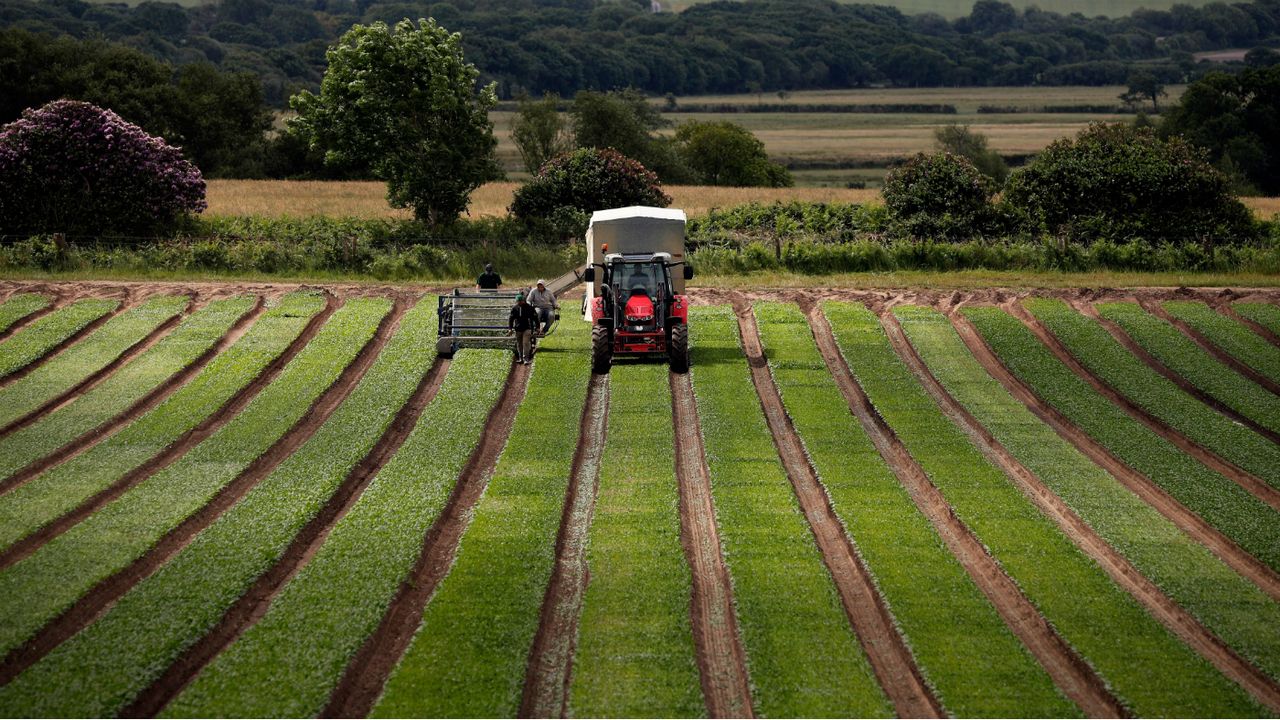
Rural crime cost Wales an estimated £2.2 million last year, with organised criminals continuing to target tractors, livestock and farming equipment despite an overall fall in offences, according to a new report.
04.06.2026

Kenyan Agro-Insurance Startup, Pula Raises US$ 20 Million in Series B Round
Pula, a Kenyan startup that offers insurance to small-scale farmers, aims to serve more than 100 million farmers in Africa after raising US$ 20 million in its Series B round.
04.06.2026
USA - USDA announces $52M to boost public access to private lands for hunting, fishing
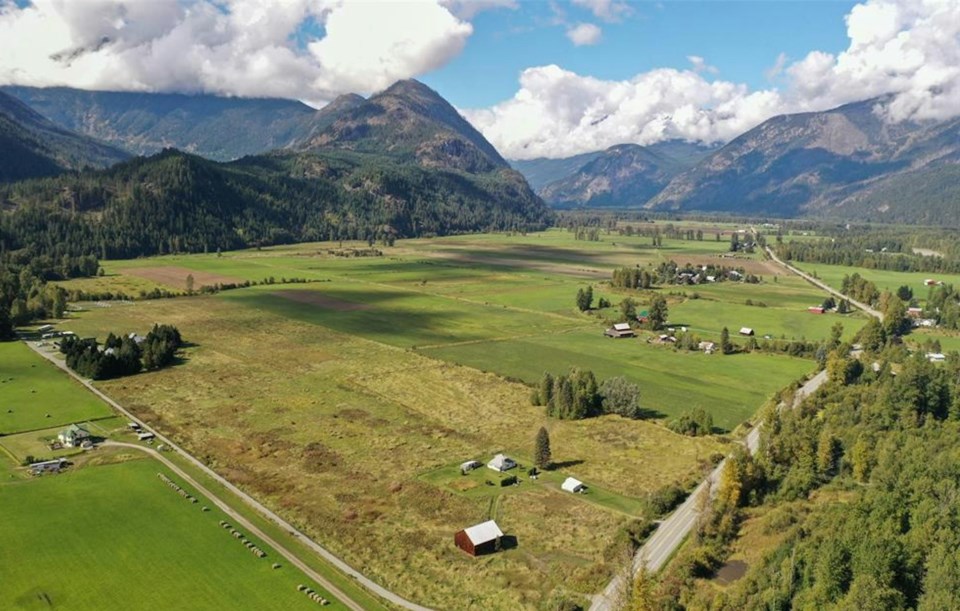
The U.S. Department of Agriculture is announcing $52 million to help state and tribal governments encourage private landowners to allow public access to their land for hunting, fishing and other wildlife-dependent recreation through the Voluntary Public Access and Habitat Incentive Program (VPA-HIP).
04.06.2026

Hope Grows in Malawi’s Grain Stores as Farmers Battle Post-Harvest Losses
Some grain rots in poorly ventilated storage. Some is eaten by pests. Some is damaged during drying or transportation before it ever reaches the market.
03.06.2026
Canada - AFSC extends several northern Alberta seeding dates for 2026
Alberta’s Agriculture Financial Services Corp. (AFSC) is extending the recommended seeding dates in the province’s northeast, northwest and Peace regions for several crops for the 2026 growing season only.
03.06.2026

India - Elephants run amok in Konaje agricultural farm, cause massive crop damage
A herd of elephants, including calves, wreaked havoc on an agricultural farm belonging to Yashodhara Gowda at Pallattadka in Konaje village of Kadaba taluk.
