Malta - Drought aid for fruit, veg farmers

17.06.2016 439 views
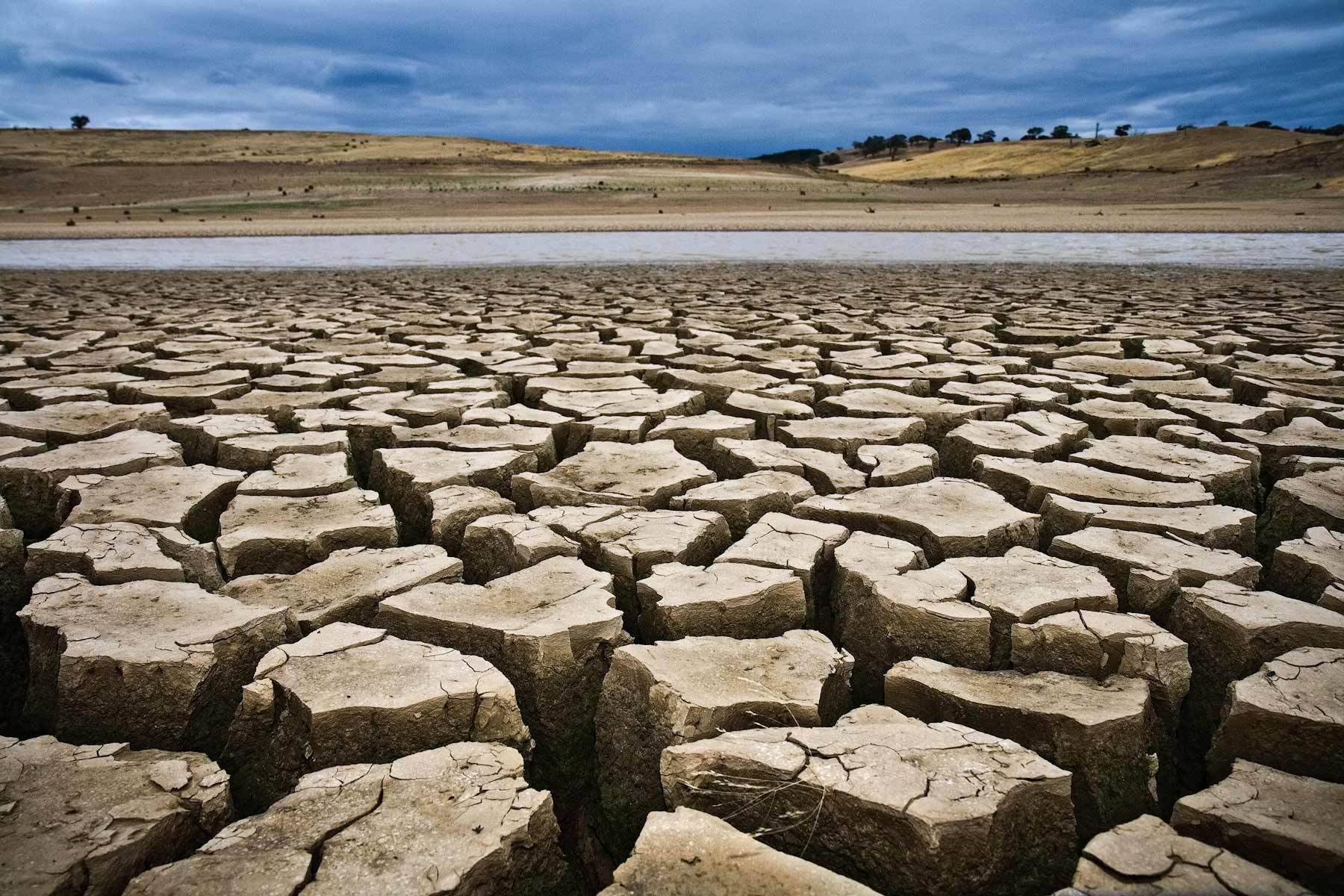
Around 5,000 farmers in Malta will be given €900,000 in compensation for the winter drought which increased irrigation and pesticide costs and risked summer fruit production.
Speaking at a press conference, parliamentary secretary for agriculture Roderick Galdes explained that the past winter had been characterized by an unusual drought, with this year being termed one of the worst in terms or rainfall and high temperatures.
“The government has allotted an emergency fund for the damages suffered by farmers who grow fruits and vegetables,” Galdes said, adding that the government would also be applying for EU funds to make up for the funds allotted to the sector.
Galdes said that farmers would not have to apply for the funds, but that they would receive them just as they do their other yearly entitlements.
Farmer, Benny Camilleri, whose field the press conference was held in, explained that the drought had ultimately meant that farmers had to rely on irrigation, ramping up costs for all the operations.
Camilleri said that although it was difficult to quantify the extra spending caused by the drought, it was also important to note that the effects of the dry winter would continue to be felt for a number of years.
“Fruit trees like peaches, and other fruits like strawberries would normally undergo a period of ‘rest’ during the winter months, to allow them to be revived and produce better fruits in the warmer months,”
Camilleri said, adding that it would also take the crops some time to recover fully.
Source - http://www.freshplaza.com/

04.03.2026

Ireland - Rainfall causes crop losses and delayed field work for tillage farmers

While crops have fared better than anticipated, the consistent rainfall has pushed spring operations behind schedule.

04.03.2026

Nigeria - Moor Farms launches ₦6 million per acre agricultural investment scheme

A Lagos-based a agribusiness firm, Moor Farms Limited, has launched a three-year agricultural investment scheme requiring a minimum investment of ₦6 million per acre, promising staged returns from cassava, cashew, and corn cultivation.

04.03.2026

Nigeria - NAICOM, Agric Ministry deepen food security through insurance

To fortify Nigeria’s food systems and shield farmers from mounting risks in a volatile, uncertain, complex and ambiguous environment, the National Insurance Commission (NAICOM) and the Federal Ministry of Agriculture have forged a strategic alliance aimed at expanding agricultural insurance coverage, de-risking the sector to accelerate sustainable food security nationwide.

04.03.2026

Ghana - CSIR Scientists Deploy AI Spore Traps to Outsmart Crop Fungus

Researchers at the Council for Scientific and Industrial Research Crops Research Institute (CSIR-CRI) are piloting a system that traps airborne fungal spores and feeds the data into an artificial intelligence application to predict crop disease outbreaks before they take hold on farms, in what scientists describe as a fundamental shift from reactive to preventive plant disease management in Ghana.

04.03.2026

India - Climate Change Ravages Betel Cultivation in the Aravallis, Forcing Farmers to Abandon Their Ancestral Livelihood

Climate change has devastated betel cultivation in Rajasthan’s Aravalli foothills, destroying a centuries-old livelihood of the Tamboli community. 

04.03.2026

USA - USDA sets spring crop insurance prices

Spring crop insurance prices were finalized by USDA’s Risk Management Agency this week, at $4.62 per bushel for corn and $11.09 per bushel for soybeans. 

03.03.2026

Bangladesh - Incomplete dam work sparks fear of crop loss in Sunamganj haor areas

Farmers in the haor areas of Sunamganj are gripped by anxiety as unfinished crop protection dams threaten to submerge their Boro fields amid fears of an early influx of water originating from the upstream Indian mountainous regions.

03.03.2026

Vietnam - Aid for agricultural insurance premiums proposed to rise

Although agricultural insurance policies have been piloted since 2011, the sector remains new and high risk, creating multiple challenges in implementation.