Morocco - Green technology for farmers

31.05.2016 820 views
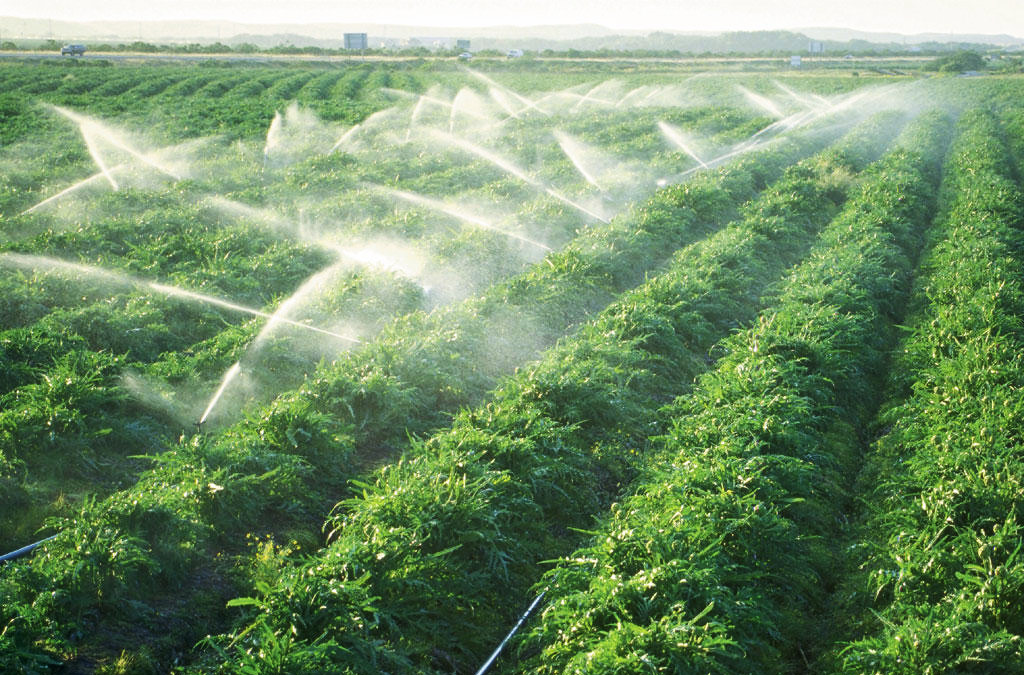
A project launched in 2015 by the Food and Agriculture Organization, the EBRD and the International Energy Agency, to promote the use of green technologies in farming, will now involve Moroccan farmers. The project was primarily destined for southern Mediterranean and Eastern Europe countries.
A validation workshop of the initial results of the initiative was held on Tuesday 24 May at the Hassan II Agronomy and Veterinary Institute in Rabat.
According to press reports, twelve technologies applicable to the sectors of farming and food processing were selected after the completion of several studies.
The first results show that these technologies have the potential to reduce emissions of greenhouse gas by 8 megatons of CO2 per year.
Participants in the Tuesday workshop, including experts from the FAO Investment Centre, stressed the need to promote the marketing of these green technologies in Morocco.
The project aims ultimately to speed up the adoption of these green technologies in the agriculture and food processing sectors. It is based mainly on the agriculture of conservation, the management of farm machines, renewable energy systems and cold-storage rooms. Future results will enable the project initiators to have an idea of the economic fallout at the national scale.
11.10.2026

India - Tripura JICA Project, ARDD Conduct Training on Scientific Pig Rearing in Khowai

A two-day capacity-building programme on scientific pig rearing,  livestock health management and livestock insurance was organised at the Chakmaghat Beat Meeting Hall in Khowai on October 7–8 under the Tripura Sustainable Catchment Forest Management Project (SCATFORM), a JICA-assisted initiative of the Forest Department, in collaboration with the Animal Resources Development Department (ARDD).

11.10.2026

Philippines - Iloilo Province sets P82-M emergency fund for water shortages, crop losses

The Iloilo Provincial Government is preparing for a potentially prolonged nine-month drought emergency extending until June 2027, with an P82-million quick response fund on standby as authorities brace for severe water shortages, agricultural losses and other threats from a forecast super El Niño.

11.10.2026

NCAM boss seeks more equipment to curb Nigeria’s post-harvest losses

The Executive Director, National Centre for Agricultural Mechanisation (NCAM), Julius Oluwamuyiwa Oloro, has called for increased development and fabrication of agricultural preservation equipment to reduce post-harvest losses and strengthen Nigeria’s food security.

11.10.2026

Crop nutrient loss threatens public health in Bangladesh

Declining nutritional quality of food crops, combined with soil nutrient depletion and limited dietary diversity, is emerging as a growing threat to public health in Bangladesh and across the world, with millions of people facing hidden hunger despite consuming sufficient calories.

11.10.2026

Brazil launches El Niño climate risk platform for agriculture

Brazil's Ministry of Agriculture and Livestock (Mapa) has launched an information platform covering El Niño and its potential impacts on agriculture. Developed with the National Institute of Meteorology (Inmet), the platform combines climate data, risk management tools, and technical guidance for the agricultural sector.

11.10.2026

Flooding destroys over 80% of potato crop on Greece's Crete

Five consecutive days of heavy rain and thunderstorms have caused flooding, landslides, and agricultural damage across Crete, Greece, with potato and vegetable crops among those affected.

07.10.2026

India - Goa paddy crop hit by rainfall deficit, around 20 hectares affected

Goa’s paddy crop has been affected by deficient monsoon rainfall, with preliminary reports estimating damage to around 20 hectares of cultivated fields across the state.

07.10.2026

Post-Harvest Loss: How NASENI’s Local Innovations Are Safeguarding Nigeria’s Agricultural Yields

Every year, Nigerian farmers face a quiet tragedy that unfolds long after seeds are sown and crops are nurtured. Beneath the scorching sun, vast fields produce abundance, only for a staggering percentage of this yield to rot in transit, spoil in sub-optimal storage, or decay due to lack of immediate processing infrastructure.