

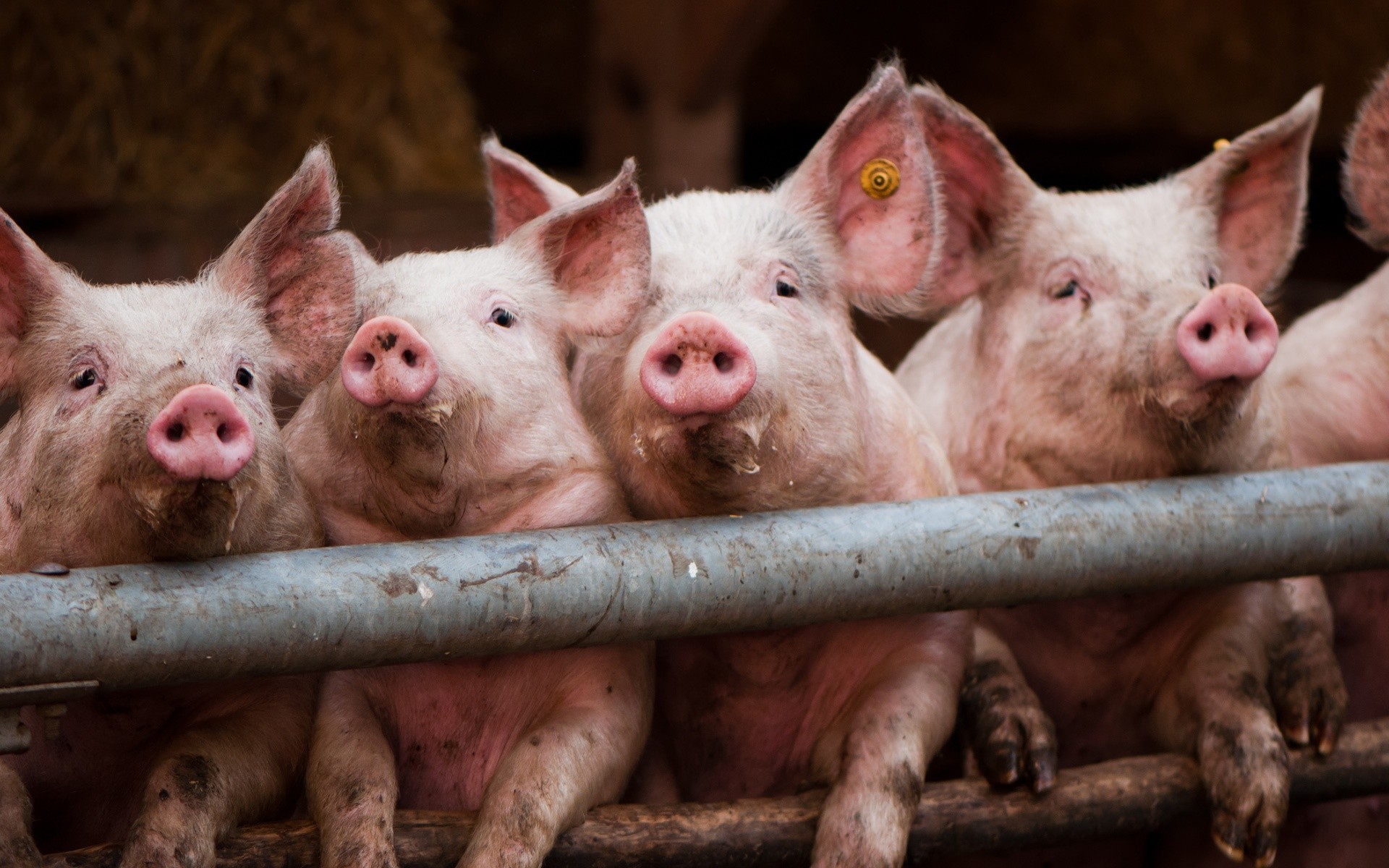
Philippines - Over 1K pigs culled in 2 Ilocos Norte towns due to ASF
28.06.2021 878 views
More than 1,000 pigs in Solsona and its neighboring Dingras town in Ilocos Norte have been culled to contain the spread of African swine fever (ASF), the Provincial Veterinary Office reported.
While depopulation is ongoing within the infected zone, Dr. Loida Valenzuela, provincial veterinarian, has urged hog raisers to cooperate with local authorities by reporting an unusual death of pigs in their areas and to refrain from feeding them with swills or getting their water from an irrigation canal.
According to Valenzuela, they are still investigating what triggered the outbreak which started in the remote Manalpac village in Solsona town with a few number of small hog raisers.
During the course of their investigation, they found out that a farmer from Barangay Maan-anteng in Solsona town dumped his dead piglets and sow in a water irrigation system that spread to other sub-villages.
“All adjacent municipalities near the border of Apayao are being alerted as we have received reports that their area was already heavily infested,” she said in an interview.
Based on ASF containment guidelines, all animals located within 500 meters from the infected zone need to be culled, regardless if these are infected or not.
In Dingras town, depopulation is also ongoing while Mayor Joefrey P. Saguid has ordered the establishment of additional border checkpoints to regulate the movement of live hogs and pork products in the municipality.
To assist hog raisers, the Department of Agriculture has allocated around PHP110 million under its budget from the Bayanihan to Recover as One Act (Bayanihan 2) for swine multiplier farm under the national livestock program. The livestock program is now being rolled out in the province by giving more hogs to backyard raisers to ensure food security.
Hog raisers are also advised to insure their pigs with the Philippine Crop Insurance Corporation.
Source - https://www.pna.gov.ph
EVENTS

ScaleAgData Stakeholder Engagement Event
22.10.2024The ScaleAgData project is pleased to invite you to our second stakeholder event. Building on the discussions and connections formed during our first webinar, this event will focus on fostering collaboration among stakeholders, providing updates on our project’s progress, and outlining future opportunities for engagement.
RISK EVENTS

Moldova - May frosts caused heavy damage to fruit orchards
10.05.2026The first frosty nights of May have significantly worsened estimates of damage to Moldova's fruit sector from spring frosts. According to initial assessments by fruit market operators, between a quarter and a third of the country's total orchard area was seriously affected.
07.10.2026
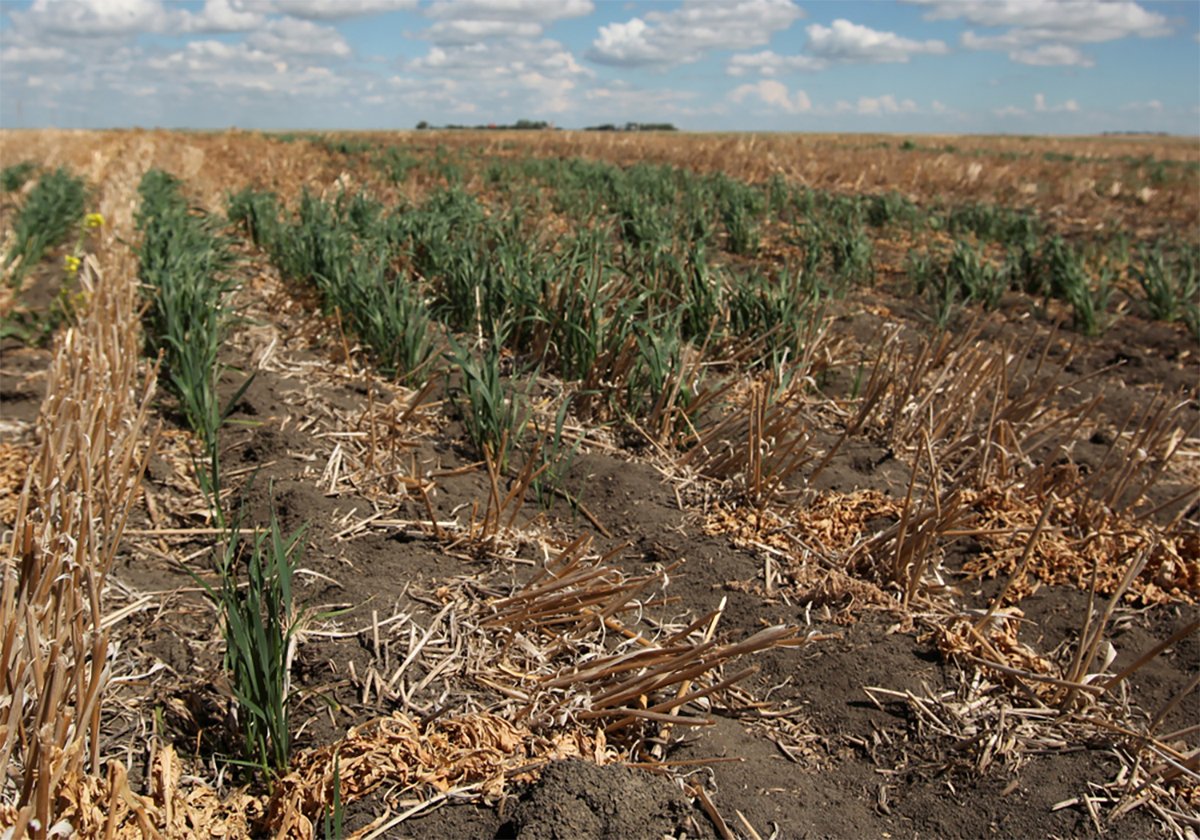
India - Goa paddy crop hit by rainfall deficit, around 20 hectares affected
Goa’s paddy crop has been affected by deficient monsoon rainfall, with preliminary reports estimating damage to around 20 hectares of cultivated fields across the state.
07.10.2026
Post-Harvest Loss: How NASENI’s Local Innovations Are Safeguarding Nigeria’s Agricultural Yields
Every year, Nigerian farmers face a quiet tragedy that unfolds long after seeds are sown and crops are nurtured. Beneath the scorching sun, vast fields produce abundance, only for a staggering percentage of this yield to rot in transit, spoil in sub-optimal storage, or decay due to lack of immediate processing infrastructure.
07.10.2026
USA - As Farm Bill expires, Kentucky farmers could be left without crucial support
Agriculture leaders say delay could worsen already difficult year.
07.10.2026

Sri Lanka - Govt considers insurance or compensation scheme for coconut crop damage
The Government is considering introducing an insurance scheme or suitable compensation mechanism for damage to coconut cultivation, Minister of Plantations and Community Infrastructure Samantha Vidyaratne has said.
07.10.2026
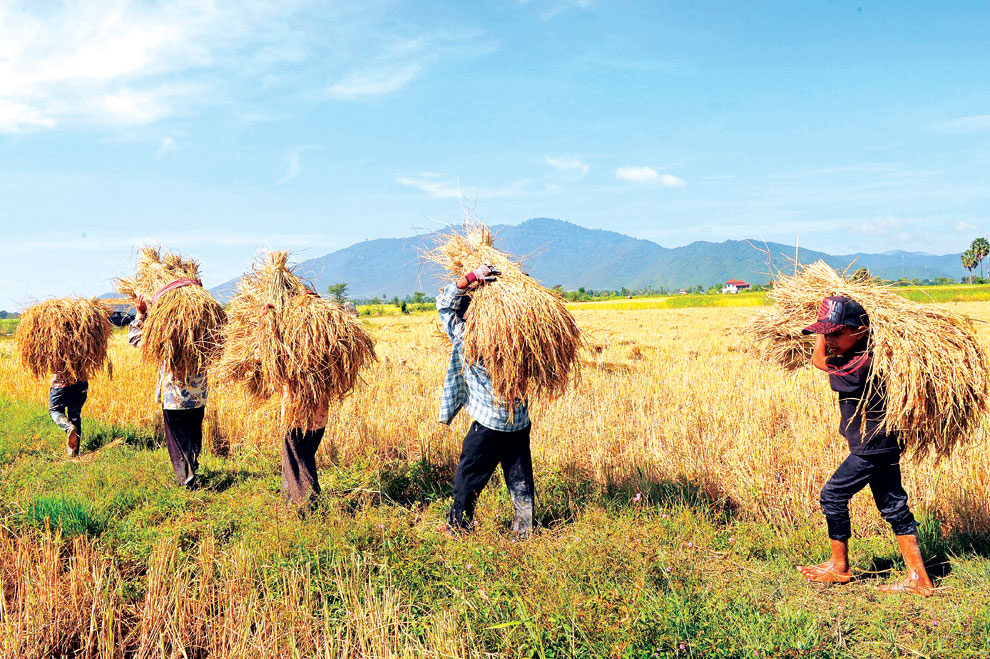
Cambodia - MAFF plans crop insurance and solar irrigation for modern cooperatives
The Ministry of Agriculture, Forestry and Fisheries (MAFF) is evaluating a disaster-related insurance scheme for modern agricultural cooperatives. Coupled with solar-powered irrigation initiatives, the move aims to strengthen climate resilience and guarantee long-term agricultural production.
07.10.2026
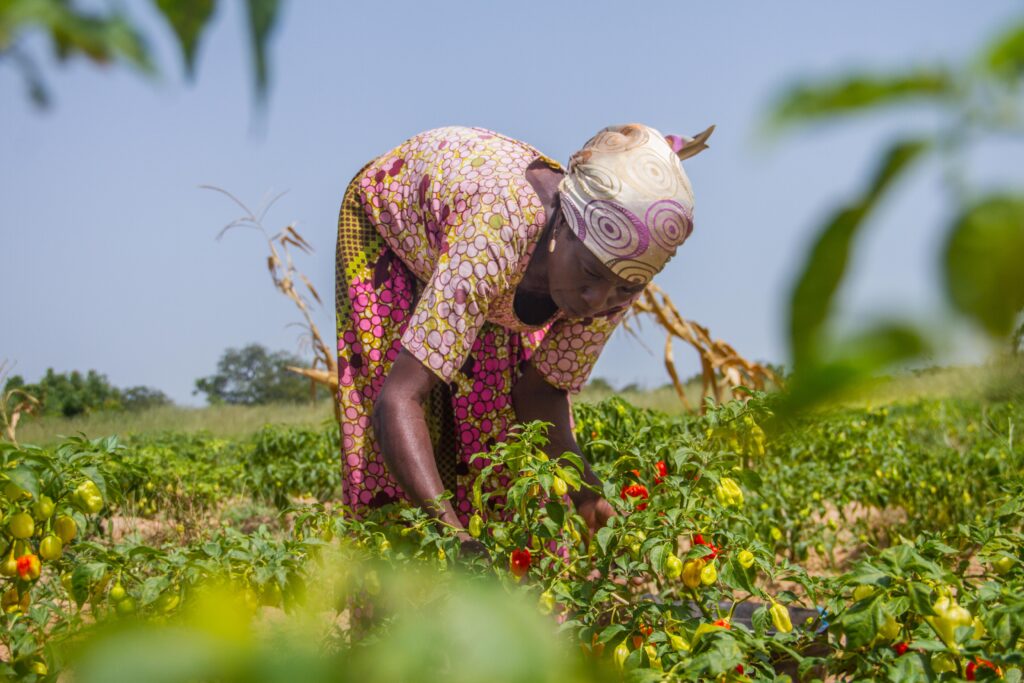
Climate risk mitigation project implemented in northern Ghana
The Ghana Agricultural Insurance Pool (GAIP) and its partners have rolled out a unique insurance product for farmers in the northern part of the country to help them mitigate the negative impacts of climate change.
05.10.2026
Moldova receives 185 bids for crop insurance aid
Moldovan agricultural producers submitted 185 applications totaling roughly €0.98 million (approx. 19.64 million MDL) to subsidize insurance premiums for 2025 contracts, the country's farm payment agency announced following the close of its September call.
05.10.2026
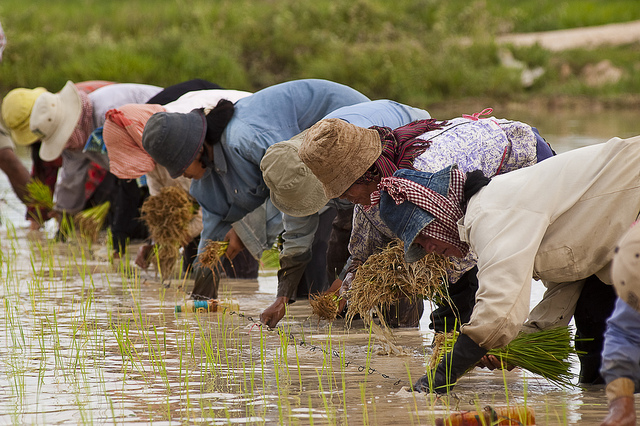
Climate Risks Push Cambodia to Consider Crop Insurance for Farmers
Droughts, floods and rising temperatures are putting Cambodia’s farmers under growing financial pressure, prompting the Ministry of Agriculture to consider crop insurance as a way to protect farmers from losses.
