


Spain - Agricultural insurance reached its historical records in 2020
02.03.2021 1258 views
Agricultural insurance in Spain has reached its historical records in 2020, according to the figures provided by Agroseguro.
The total premiums collected increased by 1.6% and reached 796.2 million euros, becoming the highest figure in the 40-year history of agricultural insurance in Spain. The sum insured also reached its historical mark, increasing by 6.7% to 15,213.79 million euros.
The total volume of production insured in 2020 exceeded 40.9 million tons, 13.1% more than in the previous year. The most significant increase occurred within herbaceous crops (+ 23%), citrus (+ 11%), vegetables (+ 8%) and wine grapes (+ 1.3%).
The number of insurance policies estimated at 415,975 in 2020, increasing by 4.7% comparing to 2019.
The total area insured reached 7.8 million hectares. Excluding complementary insurance, the final figure exceeded 6.1 million hectares, 6.2% more than in 2019, driven by the increase of agricultural insurance for citrus (+ 8.2%), extensive herbaceous crops (+ 6.6%) and wine grapes (+ 1.1%).
In addition, other insurance lines also experienced the increase, such as forage crops (with 56% increase of insured area), nuts (+ 35%), tropical and subtropical crops (+ 35%) and bananas (+ 7%).
In the case of livestock insurance, 315.7 million animals were insured in 2020, 2.7% less than in the previous year.
Source - https://agroinsurance.com
Original article - https://agroseguro.es
EVENTS

ScaleAgData Stakeholder Engagement Event
22.10.2024The ScaleAgData project is pleased to invite you to our second stakeholder event. Building on the discussions and connections formed during our first webinar, this event will focus on fostering collaboration among stakeholders, providing updates on our project’s progress, and outlining future opportunities for engagement.
RISK EVENTS

Moldova - May frosts caused heavy damage to fruit orchards
10.05.2026The first frosty nights of May have significantly worsened estimates of damage to Moldova's fruit sector from spring frosts. According to initial assessments by fruit market operators, between a quarter and a third of the country's total orchard area was seriously affected.
25.10.2026

Dominican Republic - Tornado and rain cause crop damage in Valverde
A gust of wind described by producers and agricultural authorities as a small tornado caused considerable damage to banana and plantain plantations in Valverde province, where heavy rains on Wednesday afternoon affected hundreds of acres of crops and threaten the income of farmers in the area.
25.10.2026
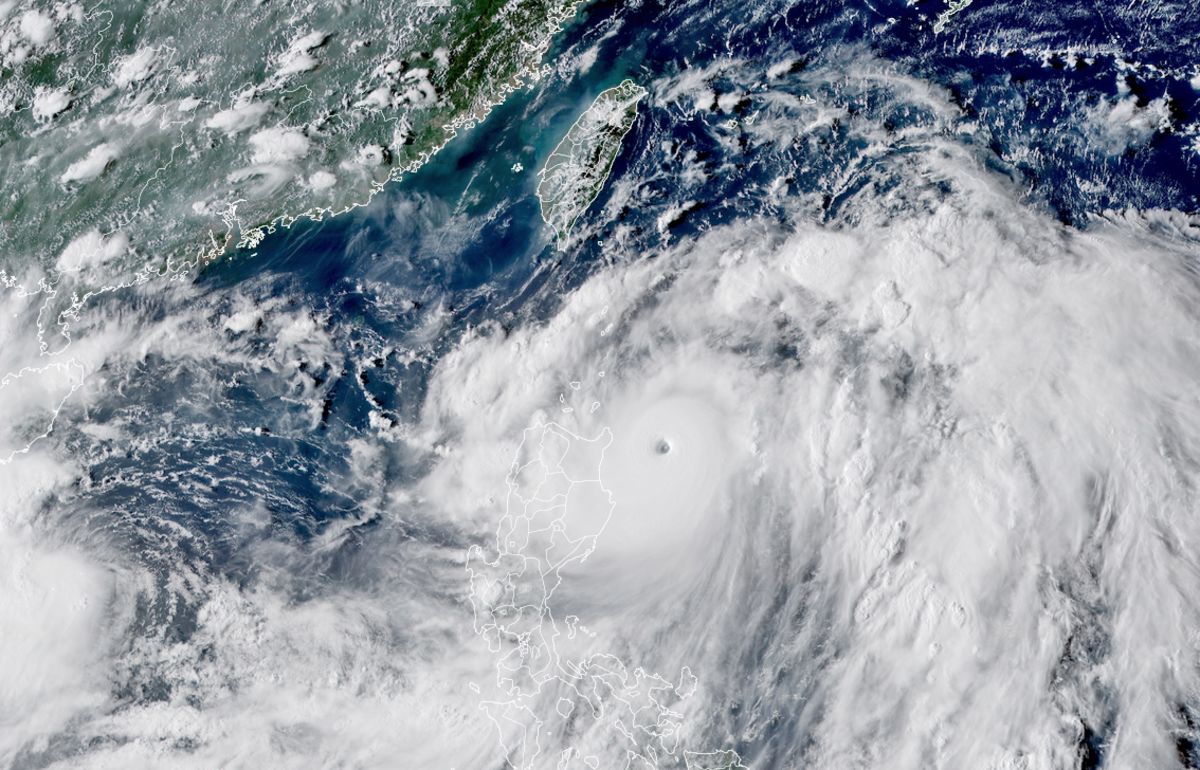
Taiwan - Typhoon Champi causes NT$133 million in agricultural losses
Yunlin accounts for 82% of estimated damage, with garlic hit hardest.
25.10.2026
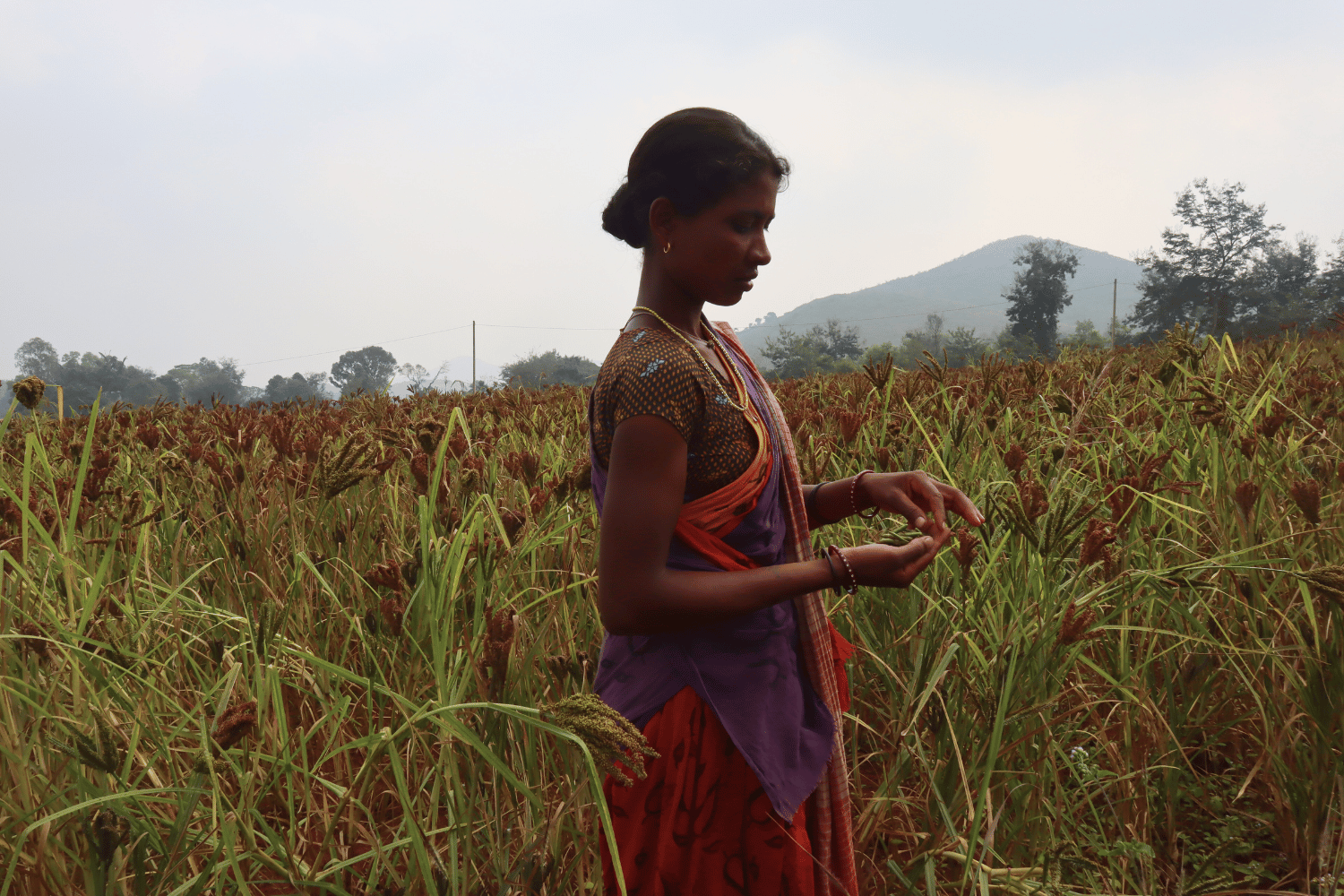
Financial safety nets and smart farming are key to climate resilience for farmers in India’s drylands
Financial inclusion, crop insurance, and public work programs are bridging the resilience gap for marginal farmers in India’s drylands, proving that institutional support matters more than farm size.
25.10.2026
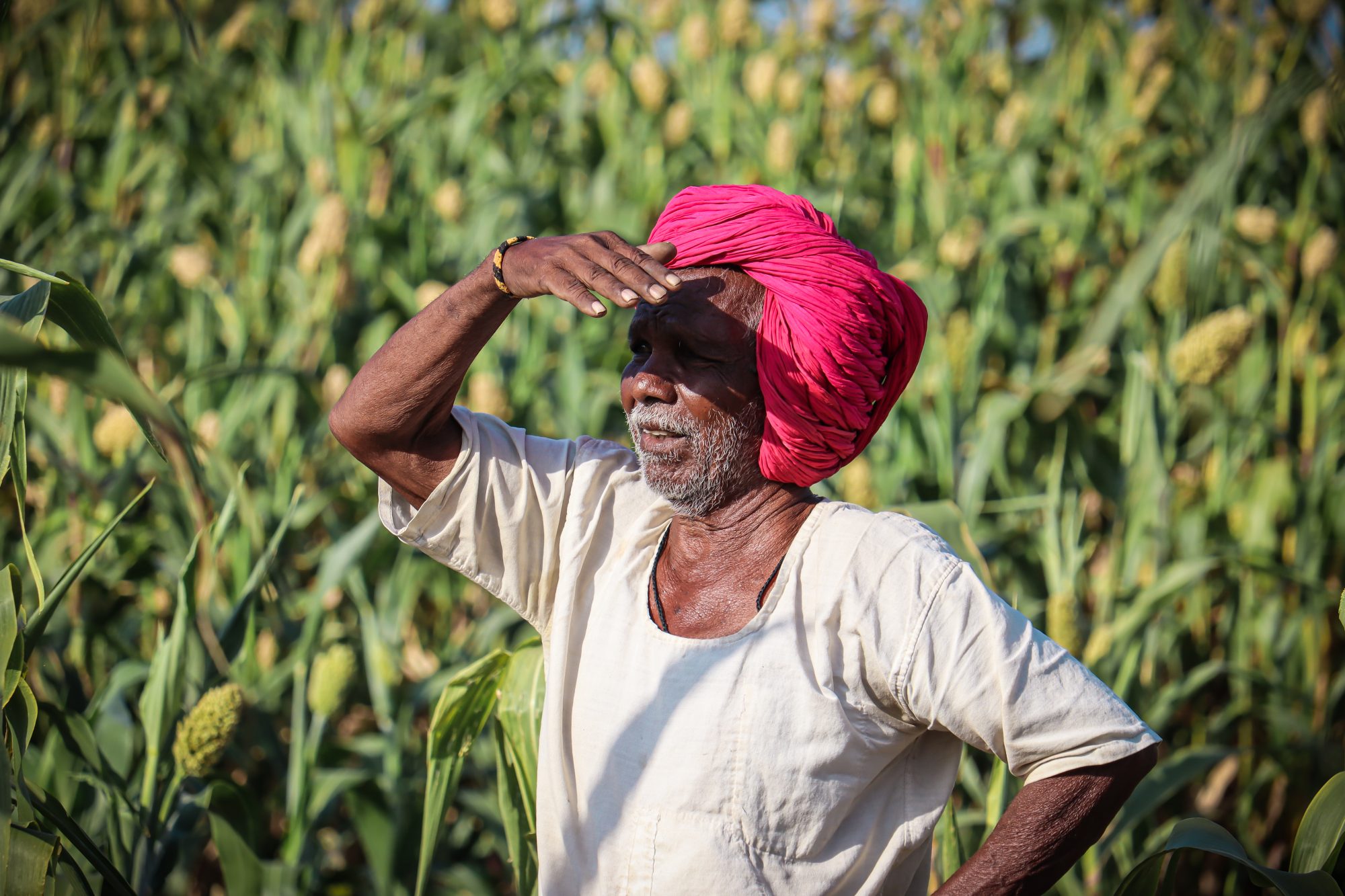
India - MP Irrigation Project to Benefit 72,000 Farmers
Madhya Pradesh has launched a ₹2,387-crore irrigation project for 260 villages in Dhar and Jhabua, targeting 57,422 hectares and 72,000 farmers.
25.10.2026
Southeast Asian haze cuts vegetable supplies and raises prices in Singapore
Prolonged haze across Southeast Asia is affecting vegetable imports into Singapore, with wholesalers reporting reduced supplies, smaller crops, and higher prices. Reduced sunlight is limiting photosynthesis and slowing crop growth.
25.10.2026

Camellia warns of trading loss as costs rise and crop prices weaken
Camellia expects a trading loss of £3 million to £5 million for 2026, reversing last year’s £1 million trading profit as rising costs and weaker avocado and macadamia prices squeeze the agricultural group.
22.10.2026
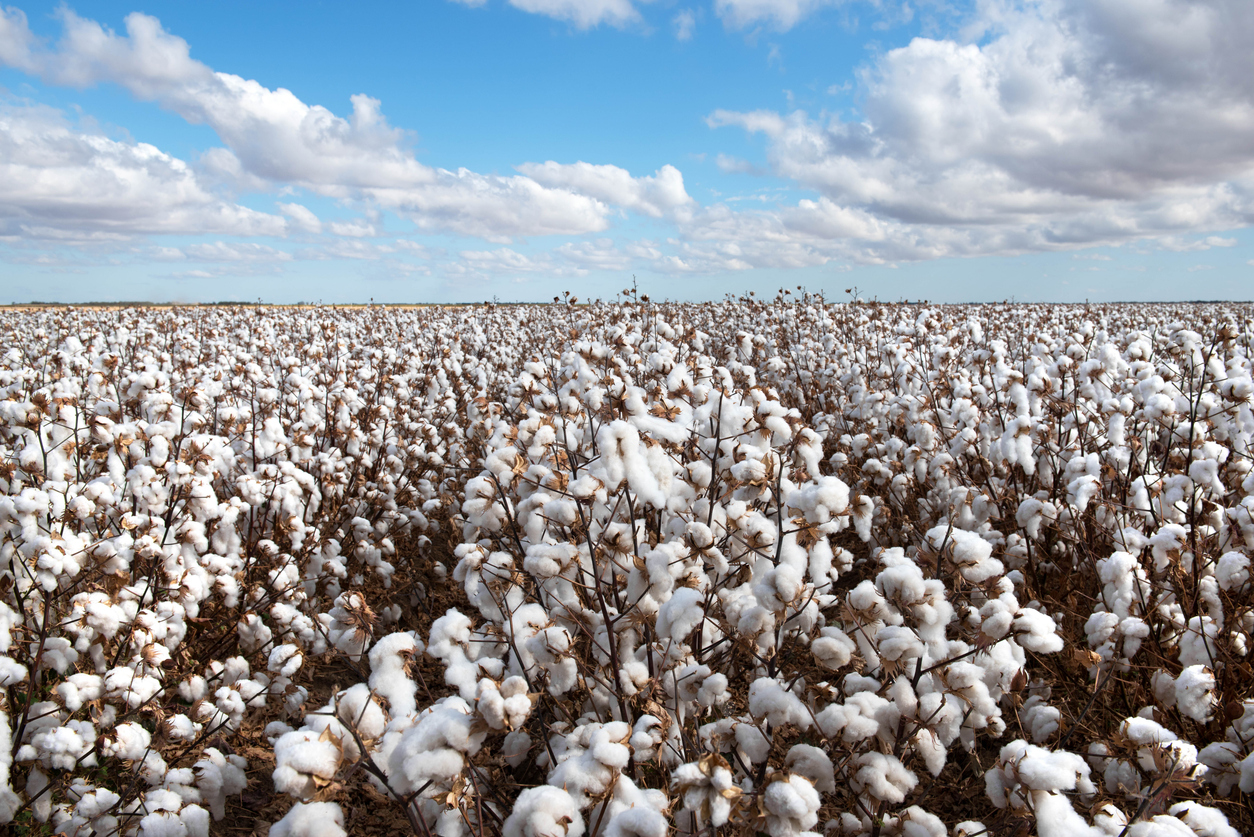
USA - Cotton Producers Face New ARC PLC Decision Deadline
The special provision giving producers the higher of ARC or PLC for 2025 will not continue next year.
22.10.2026

Pakistan - Punjab unveils £300,000 climate-resilient agriculture project for Cholistan and Thal
The Government of Punjab announced a 300,000-pound pilot project to establish climate-resilient agriculture across arid desert regions. The 12-month targeted initiative specifically focuses on farming communities operating within the vulnerable Cholistan and Thal desert ecosystems.
