Spain - Kaki production to fall by more than 30%

13.09.2018 769 views
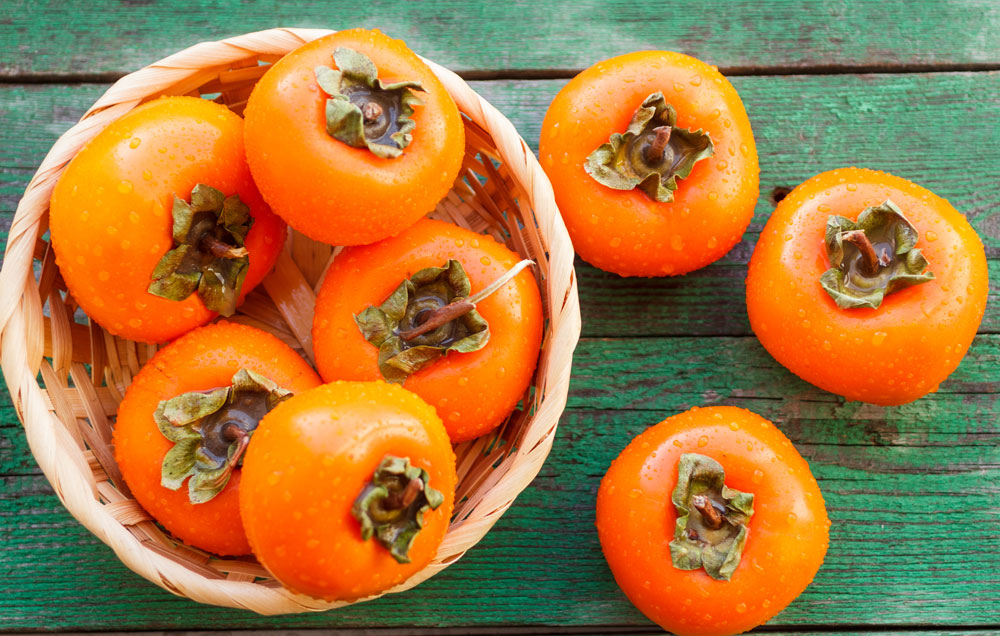
The frosts of late November last year, as well as the frosts and hail storms recorded in spring and summer this year, have entailed a reduction in Valencia's estimated kaki production. For now, the total volume this campaign is expected to fall by more than 30%. "Frosts have affected 80% of our own production," says Germán Gómez, manager of Persimon Select. "Last year's frosts had already left us without fruit in the last stage of the campaign, and the frosts in spring this year, together with the hail storms, have significantly reduced our production in one of the main areas for the cultivation of kakis." According to the producer and marketer, the consequences of these weather adversities could also have a negative impact on market prices, despite the reduction of the volume available. "In addition to the fruit that has been lost directly, there are large quantities of kakis that could have to be sold as a second class product because of the hail marks on the skin. If the market is filled with second class products, two things could happen: either the prices of this damaged fruit push the prices of first class or extra quality fruit, or the price gap between the categories becomes very wide. There is still uncertainty in this regard," says Germán Gómez.
Since last Sunday, more heavy showers have been recorded, and these could also take a toll on the development of the harvest and on the fruit quality. "These rains will prevent many farmers from carrying out the treatments to accelerate the fruit's ripening, and those who have already done so, will also have to harvest later. For this reason, I foresee that the start of the campaign will be slow and that there will only be small volumes available in the first weeks." Source - http://www.freshplaza.com
12.01.2026

South Africa - Farmers demand access to vaccines as foot-and-mouth disease devastates KZN

KwaZulu-Natal farmers and agricultural organisations are escalating pressure on the state over the uncontrolled spread of foot-and-mouth disease (FMD), warning that vaccine shortages and bureaucratic delays have left the province on the brink.

12.01.2026

Nepal - Ilam farmers hit by insurance gap

Although the government has prioritised agricultural insurance, there is virtually no crop insurance in Ilam. 

12.01.2026

Vietnam - Farmers devastated after harsh weather decimates crucial crops

Hundreds of farmers in the Quỳnh Thắng area of Nghệ An, Vietnam, have lost numerous pineapple crops due to prolonged rain and humidity. 

12.01.2026

Rwanda - Demand first, production second: How Afri Foods builds export-ready supply chains

Operating through a network of more than 500 smallholder farmers, Afri Foods is a young Rwandan agrifood exporter positioned at the intersection of gender inclusion and technology-enabled scaling. The company was founded in 2019 by Sakina Usengimana and currently focuses on avocados and chilies.

12.01.2026

Flowers bloom on cocoa trees ahead of Ivory Coast's mid-crop season

Mainly above-average rains last week in most of Ivory Coast’s main cocoa regions augur well for the development of the next April-to-September mid-crop, farmers said on Monday.

12.01.2026

Overlooked decline in grazing livestock brings risks and opportunities

For decades, researchers have focused on the problem of overgrazing, in which expanding herds of cattle and other livestock degrade grasslands, steppes and desert plains. But a new global study reveals that in large regions of the world, livestock numbers are substantially declining, not growing—a process the authors call destocking.

11.01.2026

USA - USDA’s Agricultural Research Service (ARS) helping wheat farmers fight a devastating crop disease

Researchers released a new spring wheat germplasm line with resistance to Fusarium head blight.

11.01.2026

Kenya - Government Mobilises Food and Livestock Relief for Mandera Amid Drought

The Government of Kenya has mobilised food and non-food essentials for urgent delivery to areas affected by food and nutrition shortages caused by adverse weather and low rainfall during the recently ended short rains.