


Spain - Low supply of cauliflower and broccoli due to falling temperatures
17.01.2020 898 views
Since a few days ago, temperatures have plummeted in Murcia, causing frosts and the slowdown in the growth of vegetables such as broccoli and cauliflower (whose prices are already rising), as well as leafy vegetables.
"Progress in the broccoli and cauliflower harvests is very slow due to the lower temperatures, which have plummeted after several weeks with too high levels. There is a lower supply available in the market and this is causing prices to increase significantly," said Sebastián Aguilar, commercial director of Campo de Lorca, one of the largest broccoli producing companies in Murcia.
The product shortages are more noticeable in the case of cauliflower than that of broccoli, since the former is more sensitive to temperature changes. Spain is the biggest broccoli producer in the winter months, together with Italy. As for cauliflower, Spain, Italy and France are the main suppliers. "France is also dealing with cauliflower shortages, while the situation in Italy seems to be normal so far," said Sebastian.
This year is being challenging for Murcia's agricultural producers when it comes to the weather conditions, as there have been two major storms (in September and December), as well as unusually high temperatures during November and December.
"The floods caused by the DANA did not have a significant impact on the broccoli and cauliflower productions in the area of Campo de Lorca, since they coincided with the time of the planting. However, in Murcia, the production area of Campo de Cartagena was affected. Fortunately, we were able to guarantee the broccoli supply without interruptions. Leafy vegetables were more damaged by the rains and suffered quality issues," said Sebastán Aguilar.
Source - https://www.freshplaza.com
EVENTS

ScaleAgData Stakeholder Engagement Event
22.10.2024The ScaleAgData project is pleased to invite you to our second stakeholder event. Building on the discussions and connections formed during our first webinar, this event will focus on fostering collaboration among stakeholders, providing updates on our project’s progress, and outlining future opportunities for engagement.
RISK EVENTS

Moldova - May frosts caused heavy damage to fruit orchards
10.05.2026The first frosty nights of May have significantly worsened estimates of damage to Moldova's fruit sector from spring frosts. According to initial assessments by fruit market operators, between a quarter and a third of the country's total orchard area was seriously affected.
07.10.2026
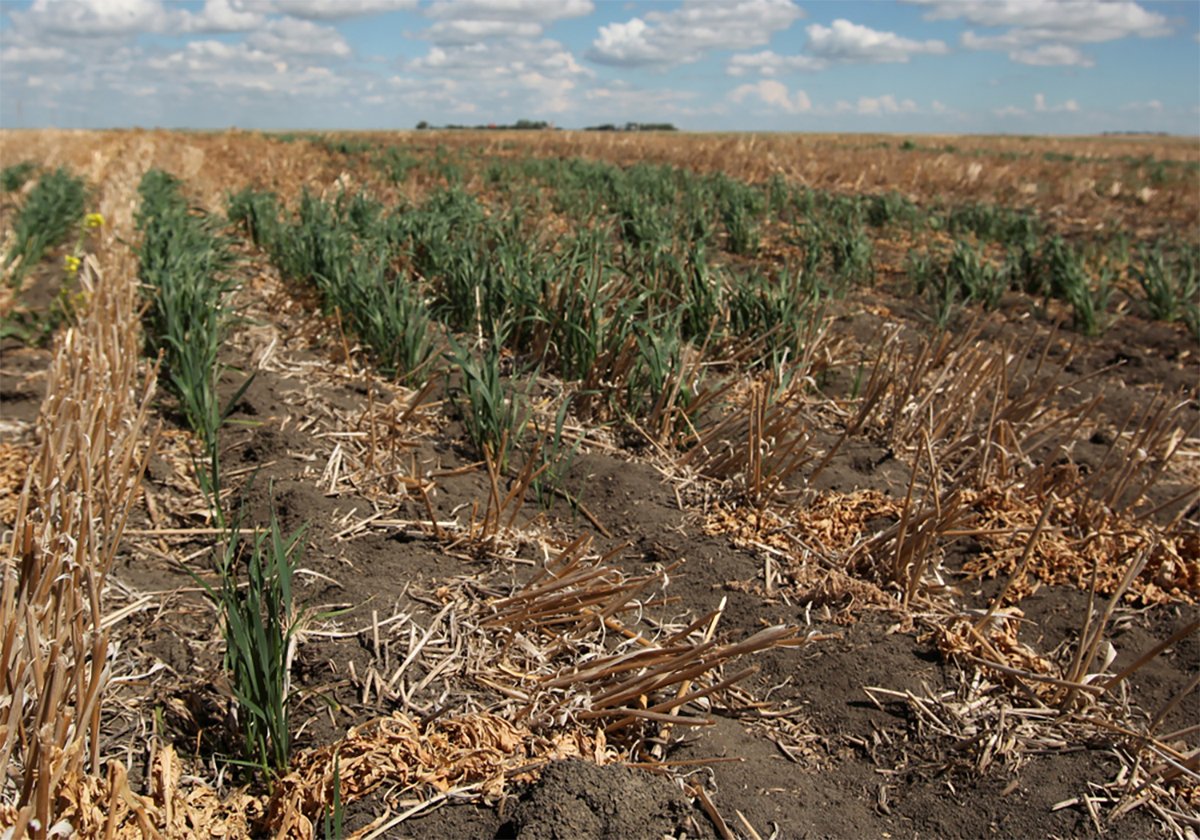
India - Goa paddy crop hit by rainfall deficit, around 20 hectares affected
Goa’s paddy crop has been affected by deficient monsoon rainfall, with preliminary reports estimating damage to around 20 hectares of cultivated fields across the state.
07.10.2026
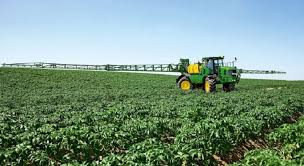
Post-Harvest Loss: How NASENI’s Local Innovations Are Safeguarding Nigeria’s Agricultural Yields
Every year, Nigerian farmers face a quiet tragedy that unfolds long after seeds are sown and crops are nurtured. Beneath the scorching sun, vast fields produce abundance, only for a staggering percentage of this yield to rot in transit, spoil in sub-optimal storage, or decay due to lack of immediate processing infrastructure.
07.10.2026
USA - As Farm Bill expires, Kentucky farmers could be left without crucial support
Agriculture leaders say delay could worsen already difficult year.
07.10.2026

Sri Lanka - Govt considers insurance or compensation scheme for coconut crop damage
The Government is considering introducing an insurance scheme or suitable compensation mechanism for damage to coconut cultivation, Minister of Plantations and Community Infrastructure Samantha Vidyaratne has said.
07.10.2026
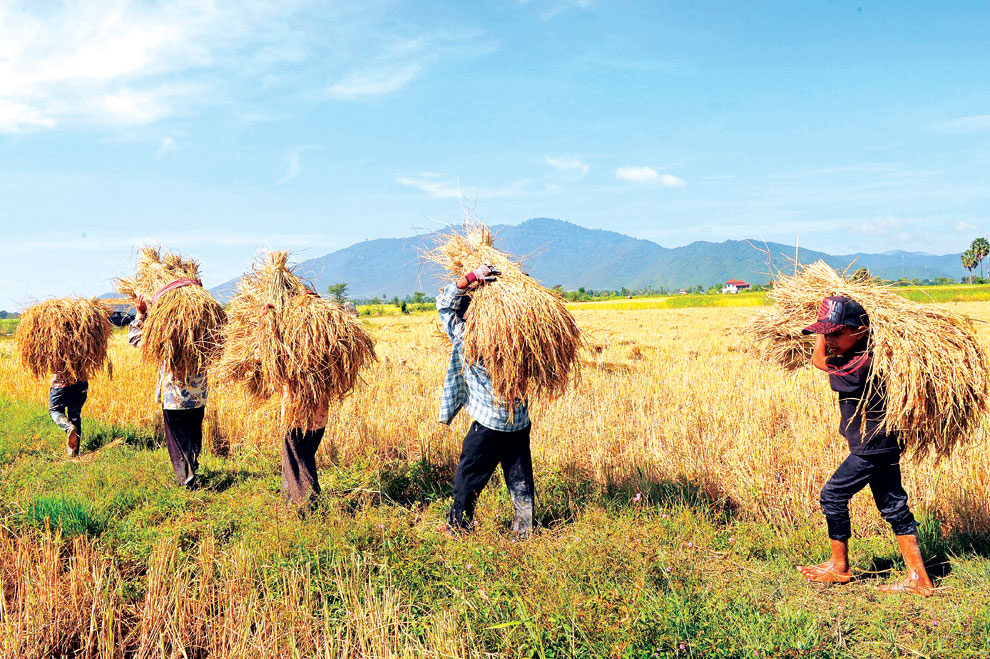
Cambodia - MAFF plans crop insurance and solar irrigation for modern cooperatives
The Ministry of Agriculture, Forestry and Fisheries (MAFF) is evaluating a disaster-related insurance scheme for modern agricultural cooperatives. Coupled with solar-powered irrigation initiatives, the move aims to strengthen climate resilience and guarantee long-term agricultural production.
07.10.2026
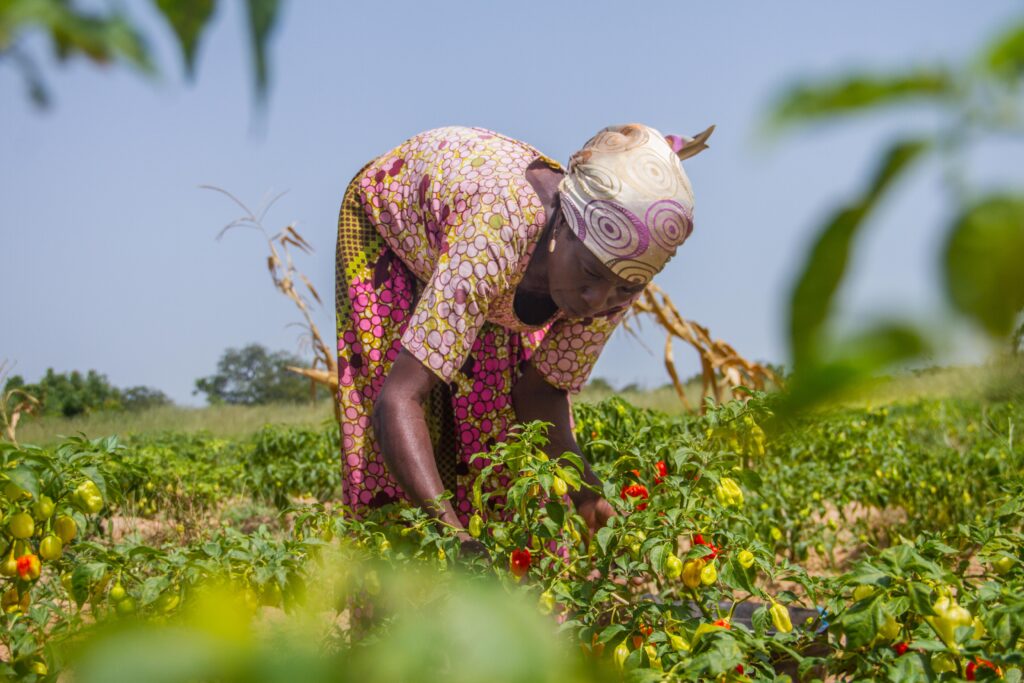
Climate risk mitigation project implemented in northern Ghana
The Ghana Agricultural Insurance Pool (GAIP) and its partners have rolled out a unique insurance product for farmers in the northern part of the country to help them mitigate the negative impacts of climate change.
05.10.2026
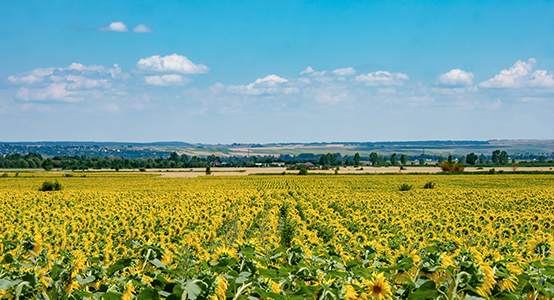
Moldova receives 185 bids for crop insurance aid
Moldovan agricultural producers submitted 185 applications totaling roughly €0.98 million (approx. 19.64 million MDL) to subsidize insurance premiums for 2025 contracts, the country's farm payment agency announced following the close of its September call.
05.10.2026
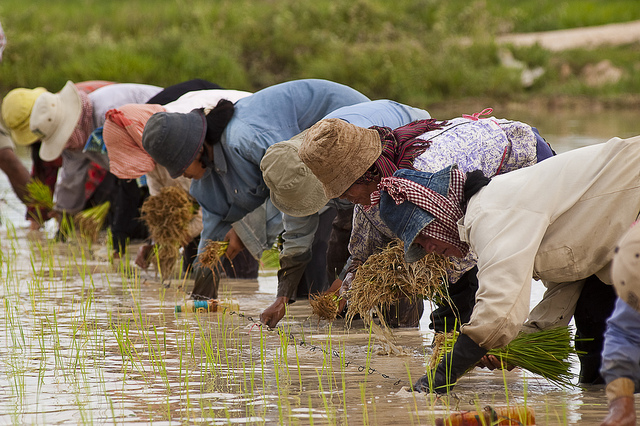
Climate Risks Push Cambodia to Consider Crop Insurance for Farmers
Droughts, floods and rising temperatures are putting Cambodia’s farmers under growing financial pressure, prompting the Ministry of Agriculture to consider crop insurance as a way to protect farmers from losses.
