

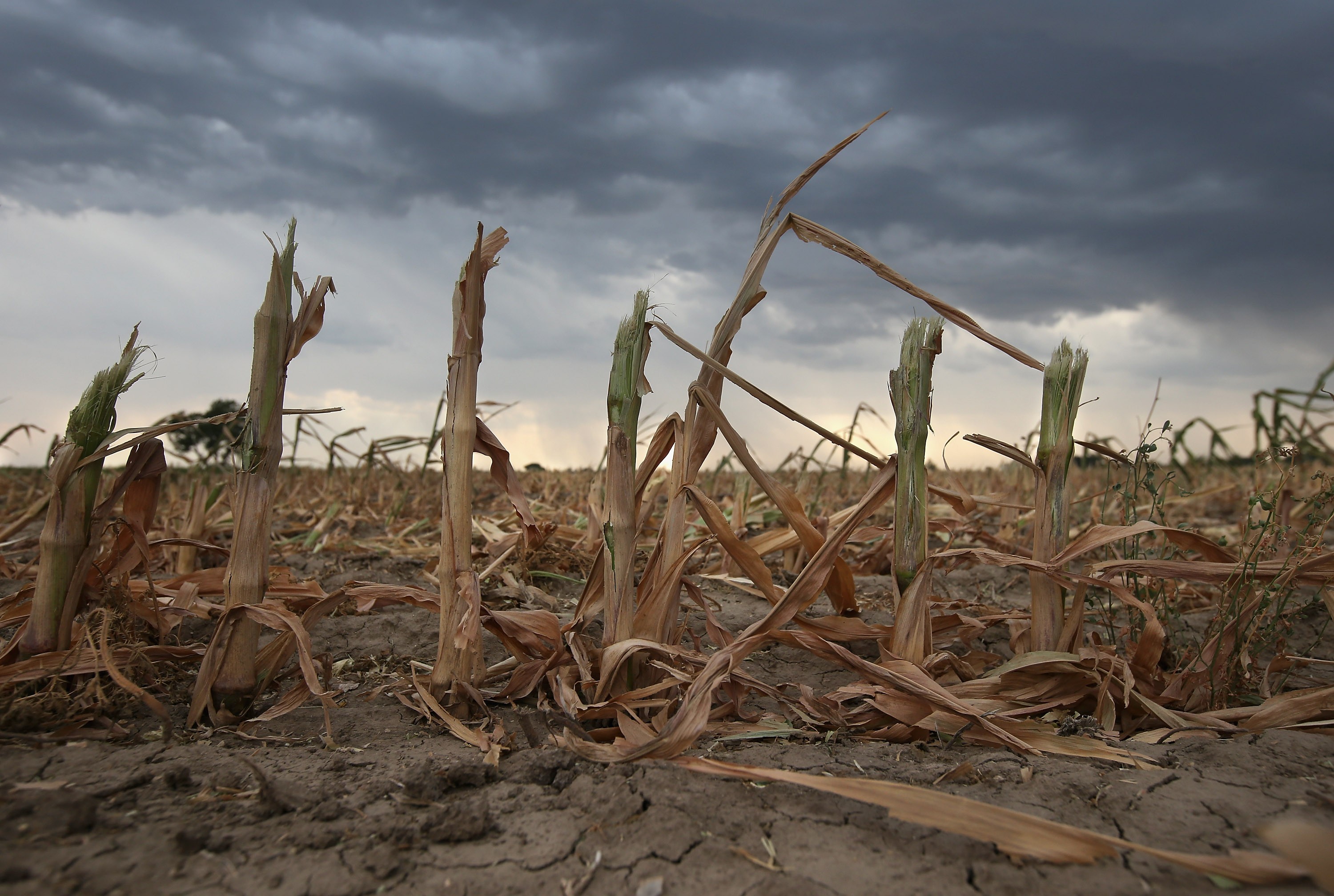
Sudan - Food for four million people gone to waste
06.02.2020 751 views
5,690 tons of crops have been lost in Sudan in all stages of the food chain last year, Undersecretary Abdelgader Turkawi of the Ministry of Agriculture stated.
The director of the Technical Department of Food Security at the Ministry, Fatima Hasan El Tahir, said that the missing food is enough to feed almost four million people an entire year.
The Director-General of the Food and Agriculture Organisation (FAO) in Sudan described the crop losses as unacceptable and attributed them to poor producer capabilities and poor storage.
Turkawi announced the development of a strategic FAO plan of action to reduce the waste of food.
Last week Sudan’s Ministry of Agriculture announced the signing of a memorandum of understanding with the UN World Food Programme (WFP) to combat post-harvest crop loss.
One of the solutions is providing effective and inexpensive sealed sacks to keep crops from insects and mice.
The Acting Country Director of the World Food Programme (WFP) in Sudan, Hani Muslimi, said last week that an estimated 30 percent of all crops harvested in Sudan is lost due to traditional storage. This equals $1 billion each year.
Muslim was speaking at a WFP training workshop aimed at reducing post-harvest losses. The WFP supports 4.4 million people in Sudan. It aims to reach 6 million people this year and improve their food security and therefore their economic situation.
Source - https://www.dabangasudan.org
EVENTS

ScaleAgData Stakeholder Engagement Event
22.10.2024The ScaleAgData project is pleased to invite you to our second stakeholder event. Building on the discussions and connections formed during our first webinar, this event will focus on fostering collaboration among stakeholders, providing updates on our project’s progress, and outlining future opportunities for engagement.
RISK EVENTS

Moldova - May frosts caused heavy damage to fruit orchards
10.05.2026The first frosty nights of May have significantly worsened estimates of damage to Moldova's fruit sector from spring frosts. According to initial assessments by fruit market operators, between a quarter and a third of the country's total orchard area was seriously affected.
30.06.2026
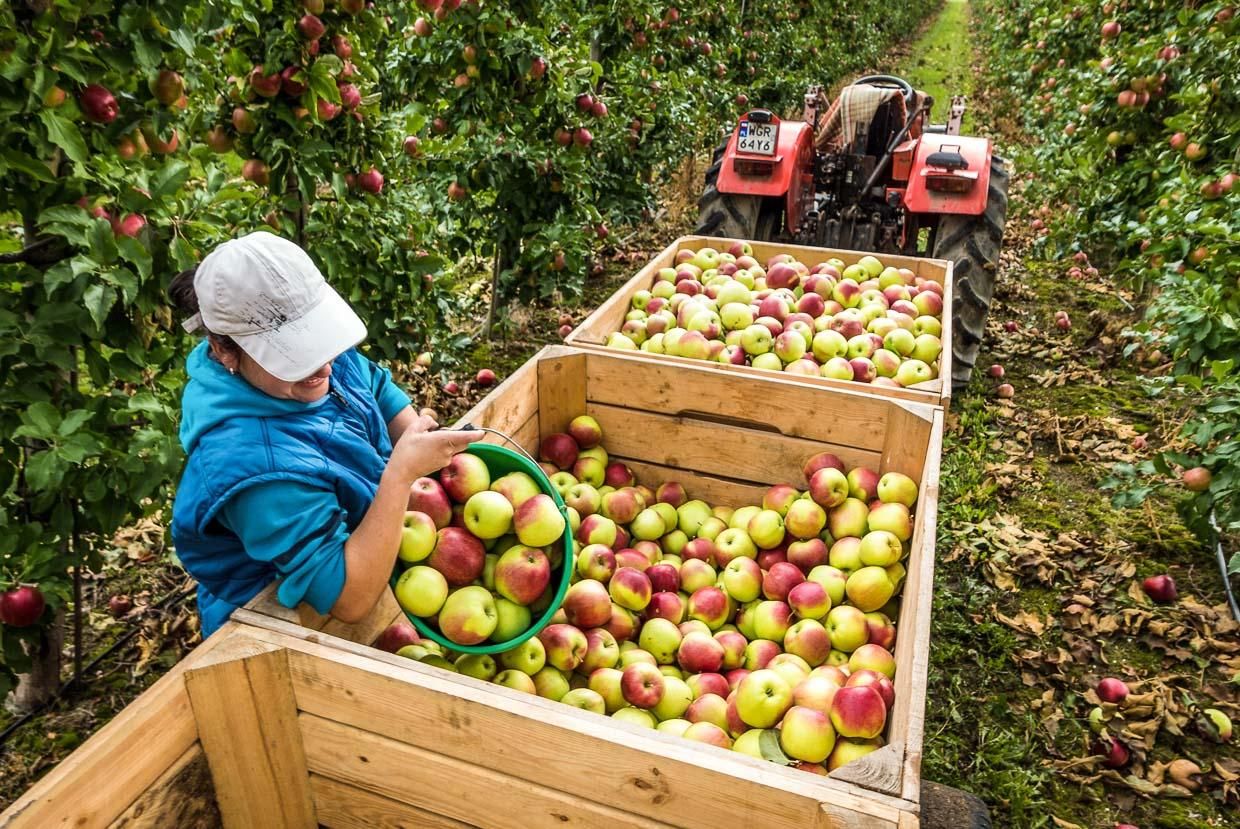
Poland faces smaller AJC crop while Turkey prepares for recovery
Poland's apple juice concentrate (AJC) crop faces the prospect of a sharply reduced harvest in 2026 following severe frosts, while Turkey is set for a strong recovery season after near-total losses a year earlier, according to market sources cited by Mintec.
30.06.2026

Canada - Excess moisture, flooding insured perils under AgriInsurance
Excessive precipitation across northern Alberta over the past several weeks has significantly impacted seeding progress for many producers and is causing fields to flood in some areas.
30.06.2026
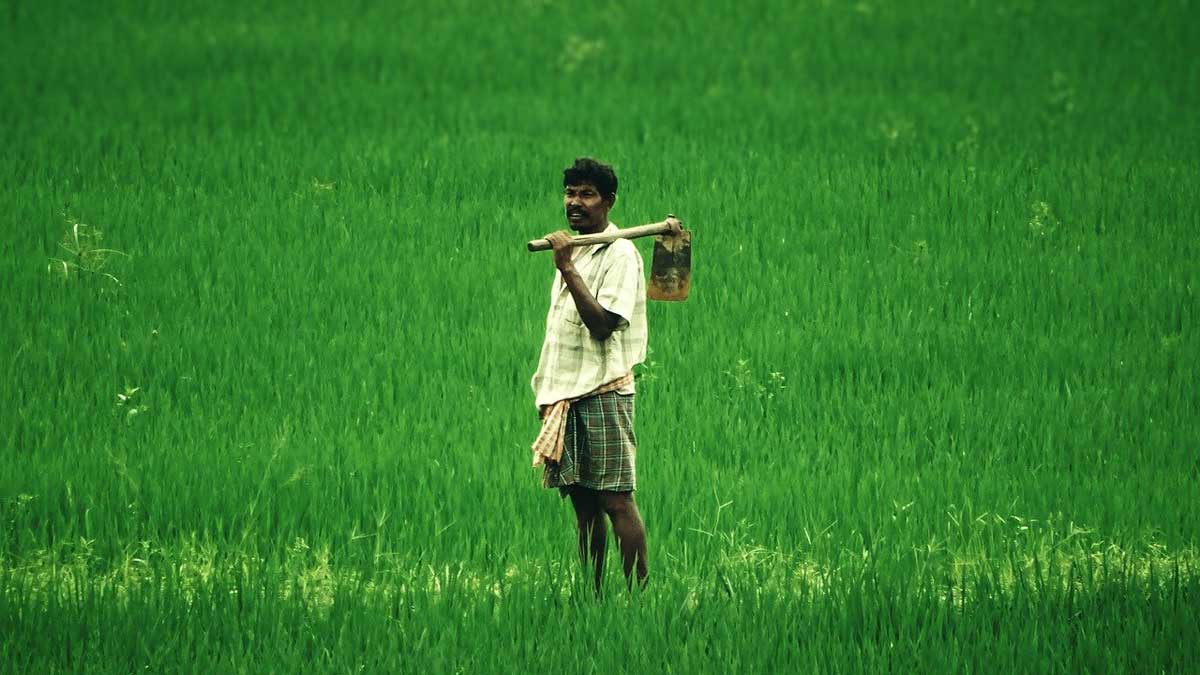
India - Delta farmers seek special relief package as Kuruvai loss threatens incomes in TN
With water storage in the Mettur dam forcing a sharp decline in short-term paddy cultivation this season, farmers in the Cauvery Delta have urged the Tamil Nadu government to announce a special relief package and provide scientific guidance on alternative crops to help offset mounting losses.
30.06.2026

CRDB Bank Deploys AI Nose-Print Technology to Shake Up Tanzanian Livestock Insurance
Tanzanian pastoralists are set to access a transformative digital insurance framework utilizing artificial intelligence to scan animal nose prints for rapid payouts.
30.06.2026
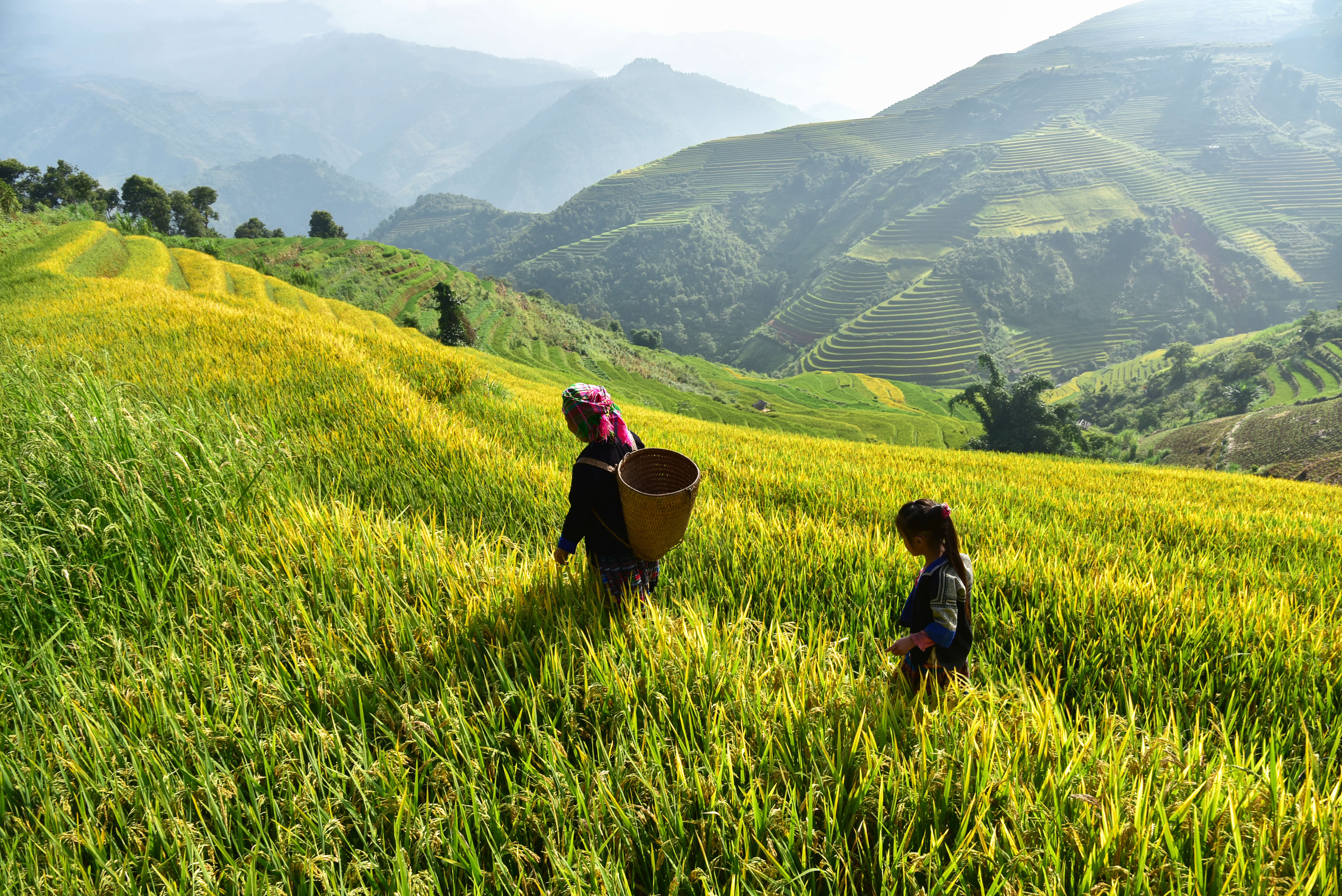
Philippines - WB grants $70M loan for farmers' climate-risk insurance
The World Bank is lending $70 million to the Philippines for a co-insurance pool that would protect small farmers and fisherfolk from the effects of climate change, according to the Department of Agriculture (DA) on Sunday.
30.06.2026

Insurance helps farmers protect livelihoods as climate shocks intensify
Insurance is helping farmers recover from droughts and floods before crises deepen – as climate shocks intensify and the shadow of El Niño threatens.
29.06.2026

USA - Revisions to livestock insurance programs take effect July 1
Revisions to the principal livestock risk management programs, as well as to crop insurance, take effect July 1.
29.06.2026

Raising Concerns About Crop Damage, Threatened Livestock, and Health Risks in Rural Brazil
The advance of wild boars across Brazilian territory worries the countryside due to economic loss, threat to biodiversity, and sanitary risk to livestock, especially in regions where crops and livestock are vulnerable to the species’ movement.
