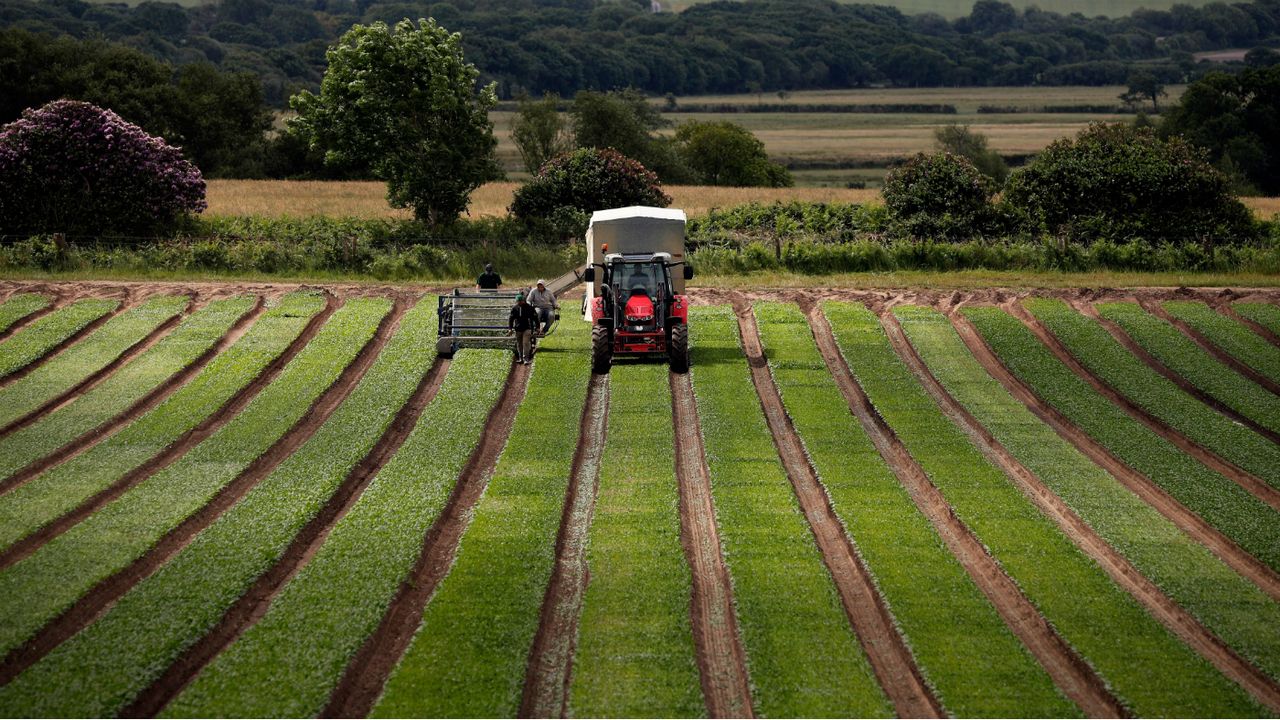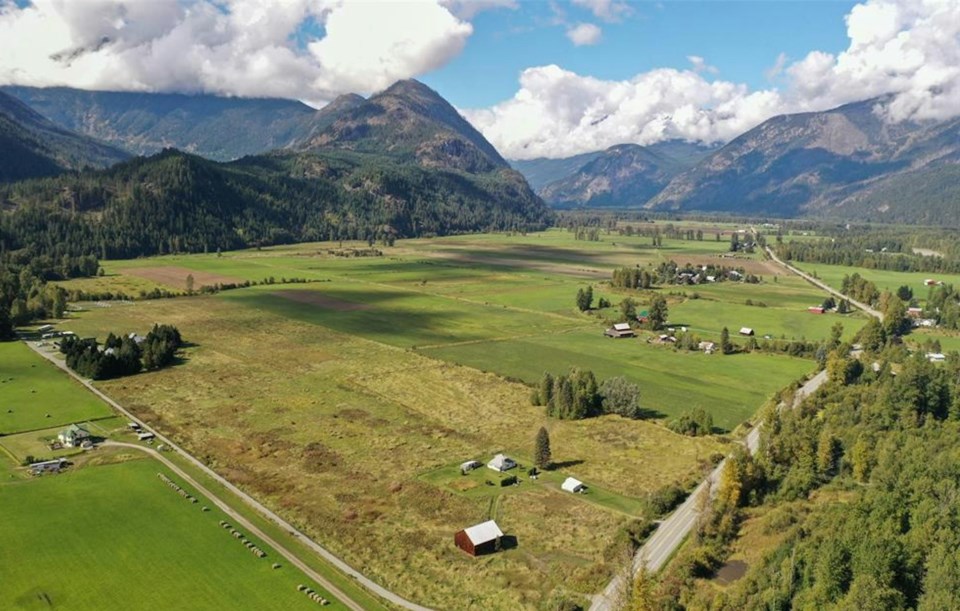
Tanzania is gearing up efforts for a strategy that will extend insurance coverage to agriculture sector. The idea is to ensure farmers get covered so that they cut down the amount of loss they tend to incurs in the event of calamities such as floods and drought.
Farmers put a lot effort, yet they often end up frustrated when their produce is hit by disasters at the late stage.
The experts say that, since rains have been largely unreliable mainly due to global warming and climate change, small-scale farmers have often seen their efforts go to waste.
Insuring farmers is, therefore, a very important move, considering that agriculture, especially smallholder farming, employs about 70 per cent of Tanzania's population.
Agriculture is also Tanzania's economic mainstay, accounting for nearly 30 per cent of the gross domestic product (GDP).
So, covering farmers with crop insurance for instance, will not only ensure yields to them but also improves the national economy.
However, an important point to note here is that the government needs to take the lead in pushing for such development because insurance firms may not do it alone.
At one time, Jubilee Insurance Tanzania wanted to introduce crop insurance cover, but it needed government support in monitoring the weather and rainfall. The company offered support in rain gauges, weather index and other, required facilities which would help in measuring rainfall.
In Kenya for example, the government recently partnered with some insurance companies through Jubilee Insurance to cover smallholder maize farmers against poor yields as a result of adverse climatic conditions, diseases and damage by insects.
The government of Kenya would grant a 50 per cent subsidy on insurance premium for up to five acres per farmer. The insurance covers farmers against shortfall in yield below 80 per cent from the expected harvest during the policy period.
Agriculture insurance is therefore needed for Tanzania's sustainable economic growth.
TACKLE CLIMATE CHANGE IMPACT
The government and environmentalists have on various occasions been encouraging people to mitigate climate change so that whatever they do is environment friendly and complies with sustainable development for both current and future generations. In the 17 newly formulated 'Sustainable Development Goals 2030', this falls under Goal 13--Take urgent action to combat climate change and its impacts.
Climate change mitigation is important because Tanzania will not be spared from climate change effects such as sea level rise, high temperatures, protracted drought, frequent epidemics, floods and food insecurity.
If not addressed, it means the money that is supposed to be spent on development is spent on mitigating climate change effects to avoid further adversities. In order to build technical capacity, the UK, through 'Decentralised Climate Finance', will support Tanzania with Sh18 billion to mitigate the impact of climate change--that is preparedness for climate change disasters.
Eighteen regions from the Mainland and the Isles will benefit from this support - 15 and three pilot districts from Tanzania Mainland and Zanzibar respectively.
We hope that the money will be spent as intended so that the people living in areas that are most hit by climate change effects are helped on time to avoid further disasters.
However, the efforts against climate change effects need the involvement and cooperation of all.
Source - allafrica.com